
Portrait de Henry Seymour (1776-1849) en habit paré — History & Facts
Few portraits of Regency England’s elite have inspired as much speculation as Portrait de Henry Seymour (1776-1849) en habit paré by François Gérard. The sitter, Henry Seymour, was not only a prominent member of British high society but also a figure entangled in the political and cultural exchanges between France and Britain during the early 19th century. The painting’s commission is shrouded in some mystery: while Seymour was known for his flamboyant tastes and connections to the French émigré community, the exact circumstances that brought him before Gérard’s easel remain undocumented.
What is certain is that Gérard, celebrated as Napoleon’s favorite portraitist, rarely painted English sitters, making this work a rare meeting of two worlds divided by war and rivalry. The portrait captures Seymour at the height of his confidence, dressed in sumptuous ceremonial attire that signals both wealth and a desire for recognition. His gaze meets the viewer directly, one gloved hand resting on a gilded chair, the other holding a hat adorned with ostrich plumes—symbols of status and fashionable extravagance. The rich fabrics and precise rendering of embroidery recall Gérard’s attention to the trappings of power, while the subtle play of light across Seymour’s face and costume suggests both self-assurance and a hint of self-display.
Unlike Thomas Lawrence’s more romanticized portraits of English gentlemen, Gérard’s approach is cooler, almost analytical, emphasizing the sitter’s social persona over his inner life. The painting’s subsequent journey is less well documented than its sitter’s. While Gérard’s studio was renowned for its grand commissions from the Bonaparte family and European nobility, this portrait stands apart as a testament to the cosmopolitan networks of the era. Its whereabouts for much of the 19th and 20th centuries are unclear, though it has surfaced in both French and British collections, reflecting Seymour’s own cross-Channel identity.
Today, the work is valued not only as a rare example of François Gérard’s engagement with British subjects but also as a window into the shifting allegiances and ambitions of the Regency period.
More Artworks by François Gérard

Portrait of Emperor Napoleon I
François Gérard
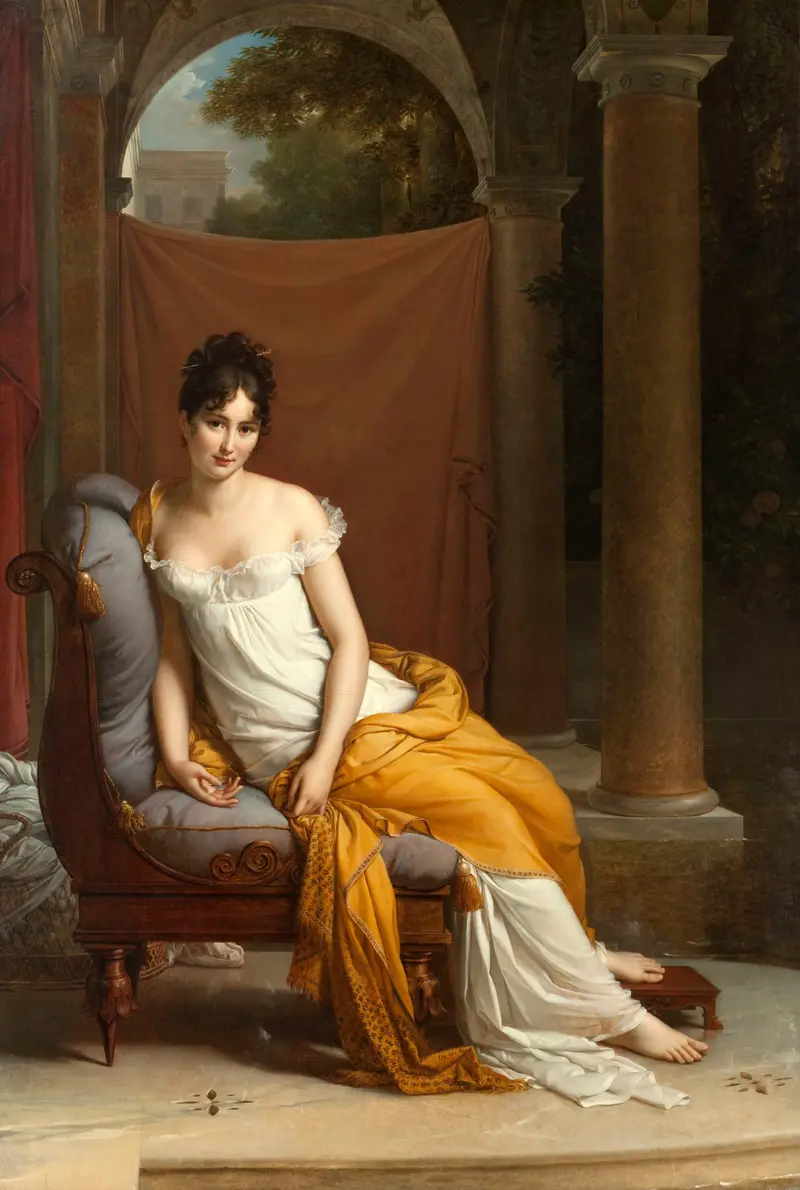
Portrait of Juliette Récamier, née Bernard
François Gérard
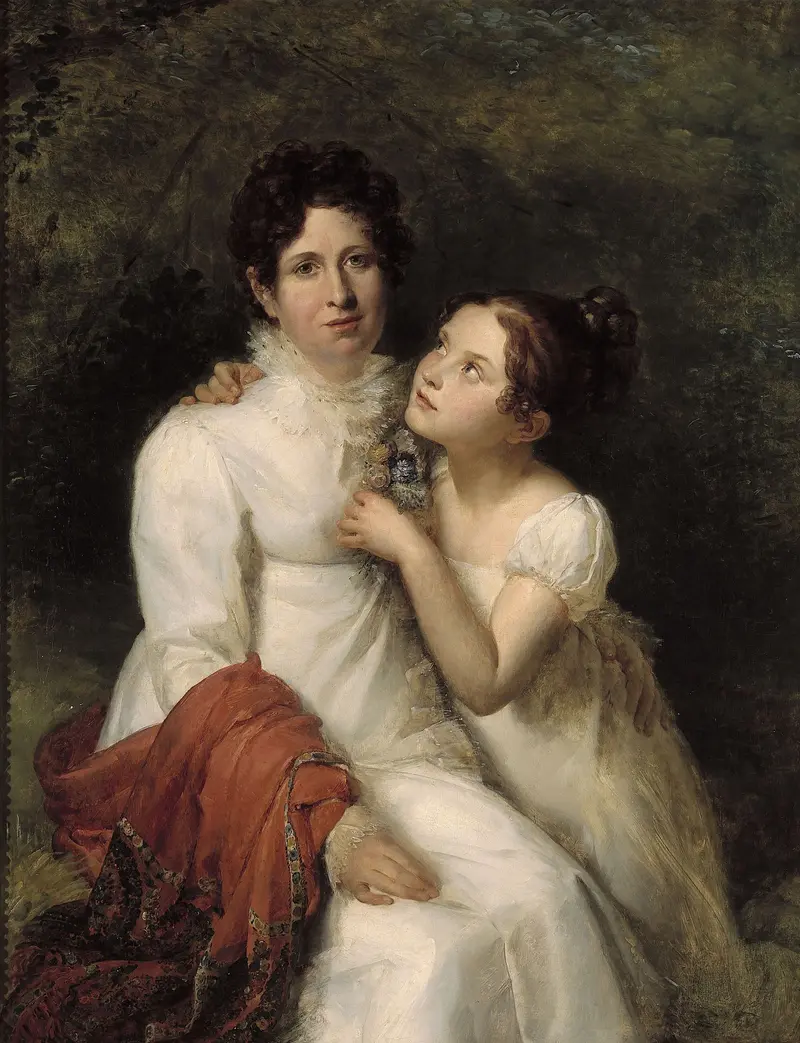
Portrait de Madame Bauquin Du Boulay et de sa nièce Mademoiselle Bauquin de La Souche
François Gérard
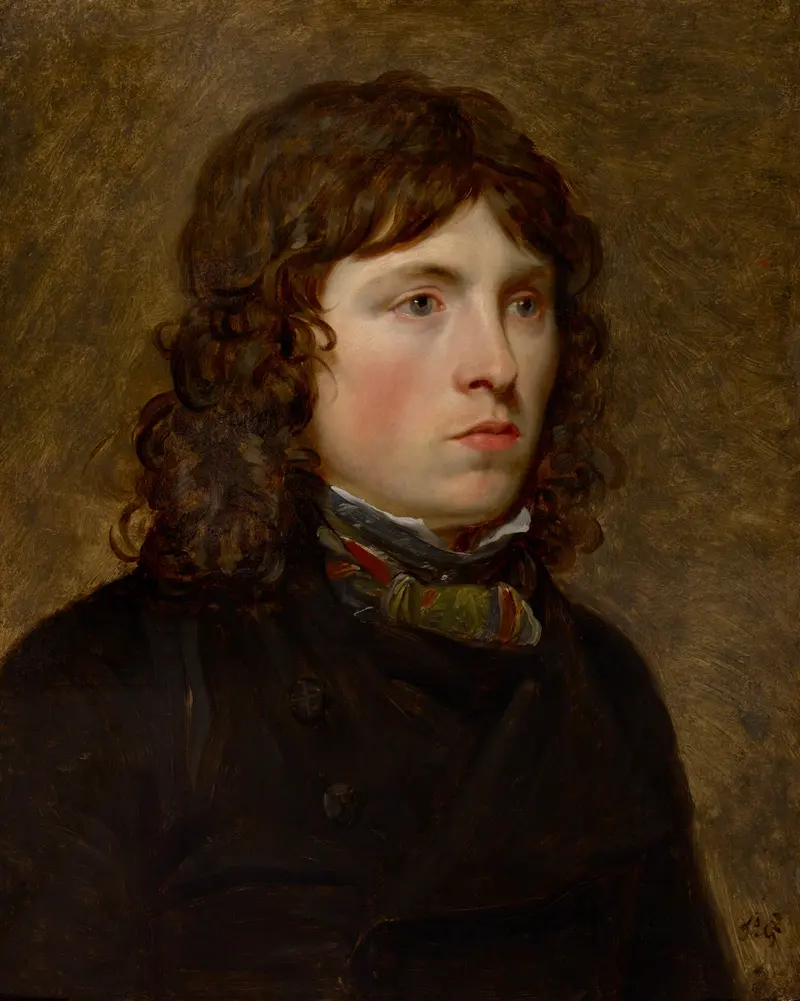
Portrait of G. F. Reverdin
François Gérard
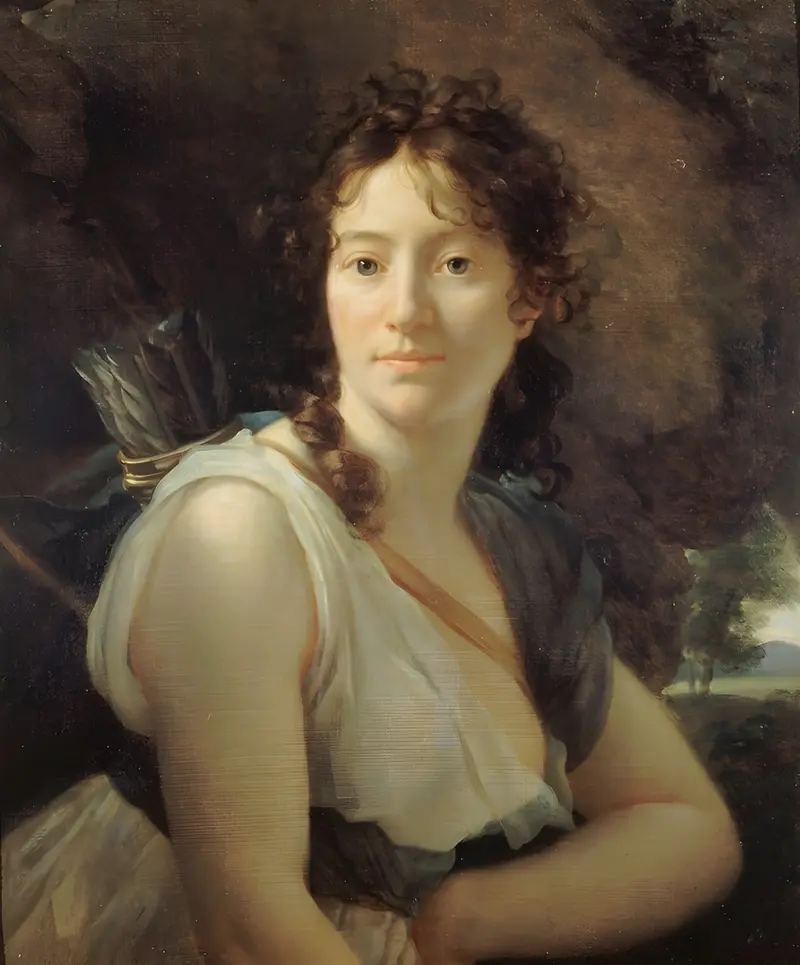
Portrait Of Mademoiselle Duchesnois (1777-1835), Member Of The Comédie-Française, In The Role Of Dido.
François Gérard
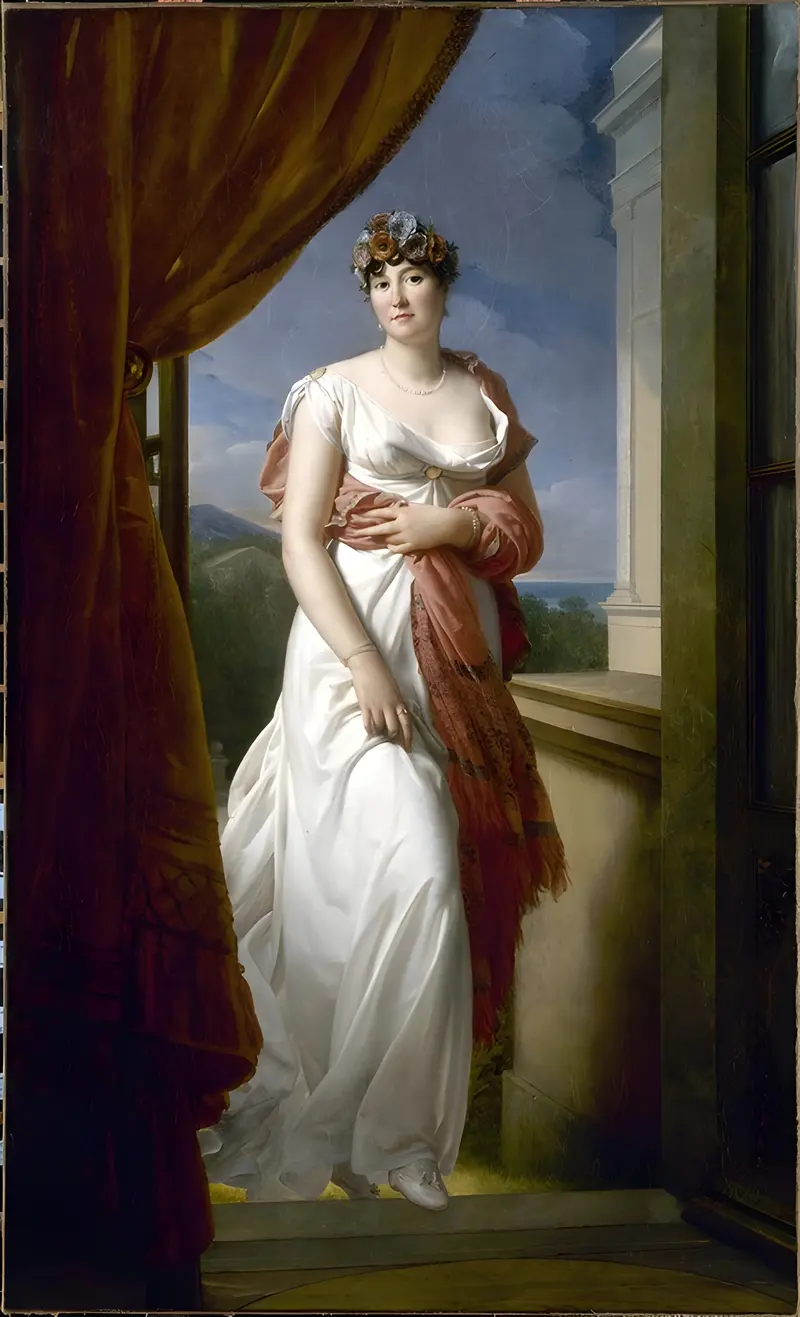
Portrait Of Theresia Cabarrus (1773-1835), Wife Tallien, Then Princess Of Caraman-Chimay
François Gérard
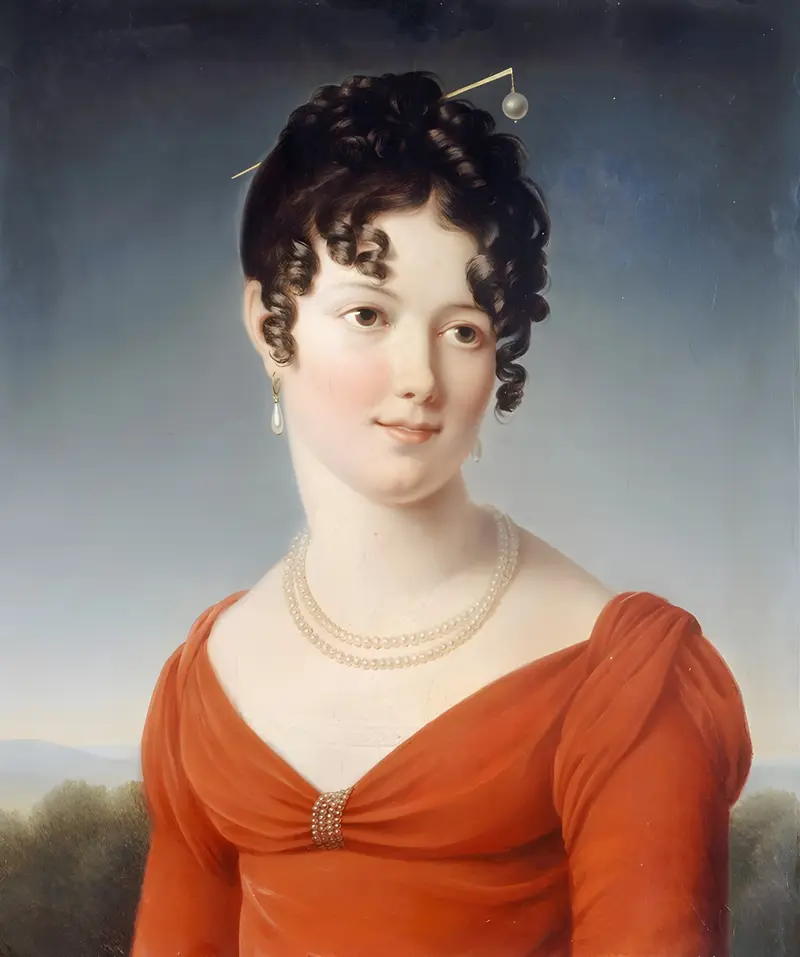
Bust Portrait Of Alexandrine-Anne De La Pallu, Marquise De Flers (1786-1832)
François Gérard
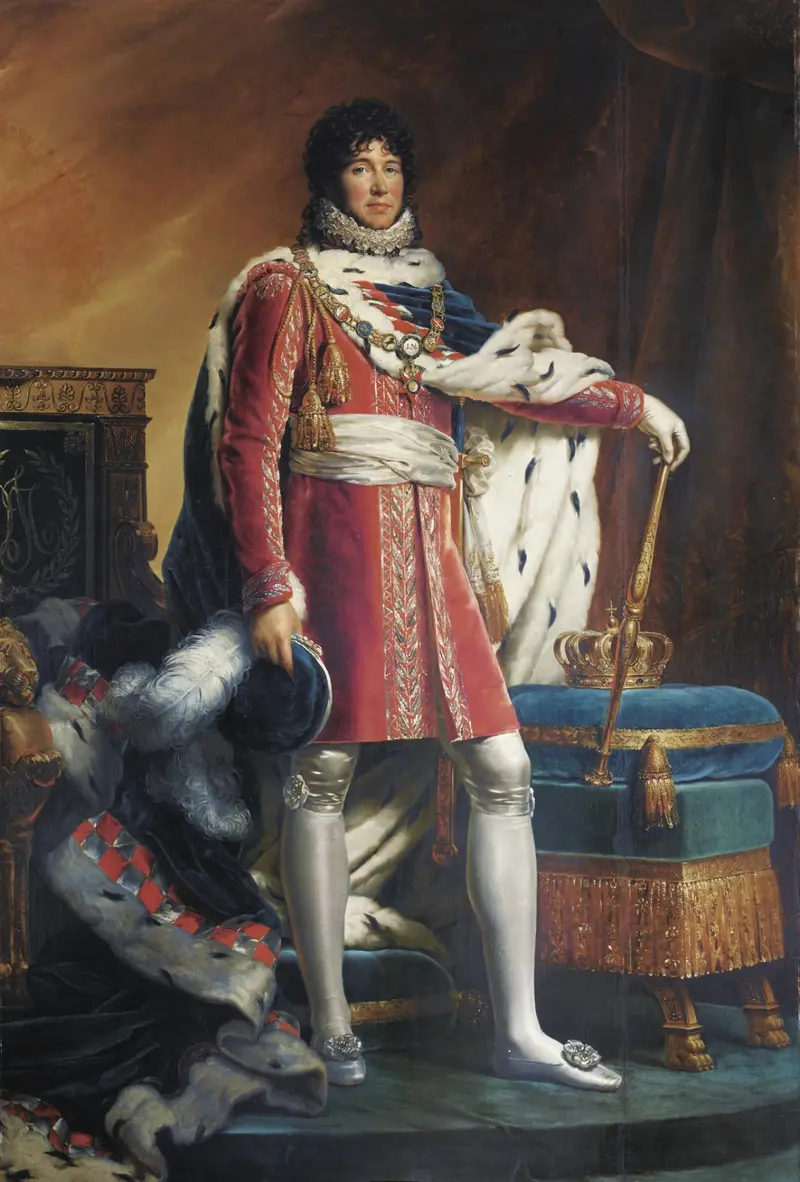
Portrait of Joachim Napoléon Murat, King of Naples and of the two Sicilies
François Gérard
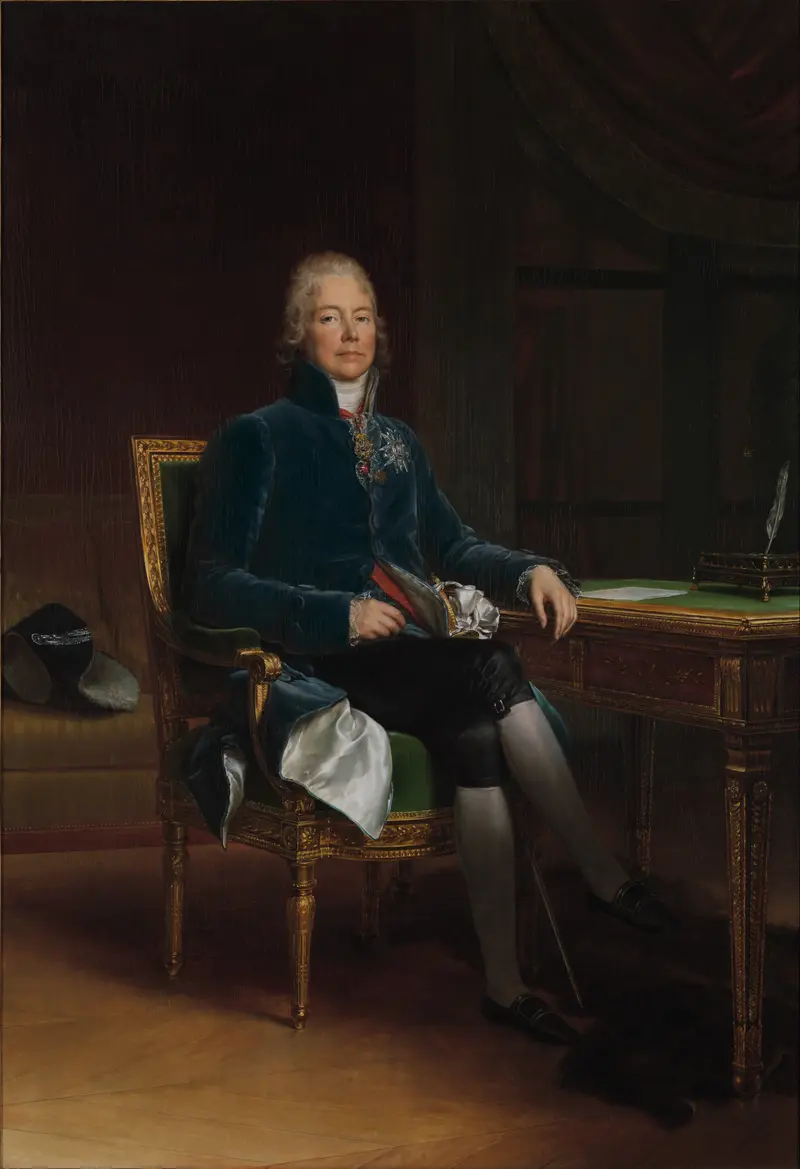
Charles Maurice de Talleyrand Périgord (1754–1838), Prince de Bénévent
François Gérard
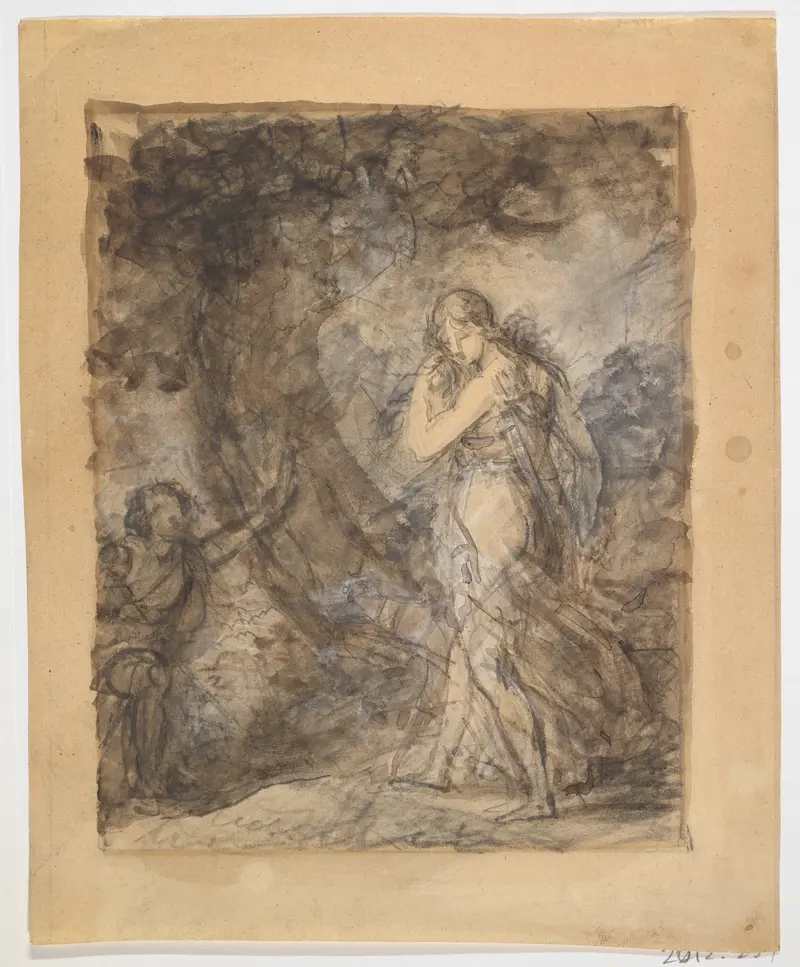
Daphnis Running toward Chloe
François Gérard





