
Portrait of a blue-eyed russian woman — History & Facts
When Amedeo Modigliani painted Portrait of a blue-eyed russian woman in 1917, he was living in Montparnasse, Paris, surrounded by a circle of artists and writers who would later define the era. The sitter’s identity remains a mystery, fueling speculation among art historians—was she a lover, a patron, or simply a friend from the Russian émigré community that frequented Modigliani’s studio? The painting stands out for its piercing blue eyes, a rare feature in Modigliani’s portraits, which are often marked by blank or almond-shaped eyes. This single detail has led some to suggest a personal connection between artist and sitter, though no definitive evidence has surfaced. The woman sits upright, her elongated neck and oval face rendered in the unmistakable style of Modigliani, her gaze direct yet enigmatic.
The blue of her eyes dominates the composition, drawing the viewer in and contrasting with the muted palette of her clothing and background. Unlike the haunting, empty eyes of his Jeanne Hébuterne portraits, here Modigliani gives the sitter a sense of individuality and presence. The simplified forms and sinuous lines recall the influence of African masks and Italian Renaissance portraiture, yet the emotional intensity is all his own.
Compared to the psychological detachment in Pablo Picasso’s Portrait of Olga in an Armchair (1918), Modigliani’s work offers a more intimate, if mysterious, connection. The exact provenance of Portrait of a blue-eyed russian woman is not fully documented, a common fate for many of Modigliani’s works, which often changed hands in the turbulent years following his early death in 1920. The painting’s medium is uncertain, though Modigliani typically favored oil on canvas during this period. Today, it is recognized as a significant example of his late portraiture, a time when he was at the height of his creative powers despite declining health.
The work’s unresolved mysteries—its sitter, its journey—continue to invite both scholarly attention and public fascination, embodying the restless spirit of the École de Paris.
More Artworks by Amedeo Modigliani
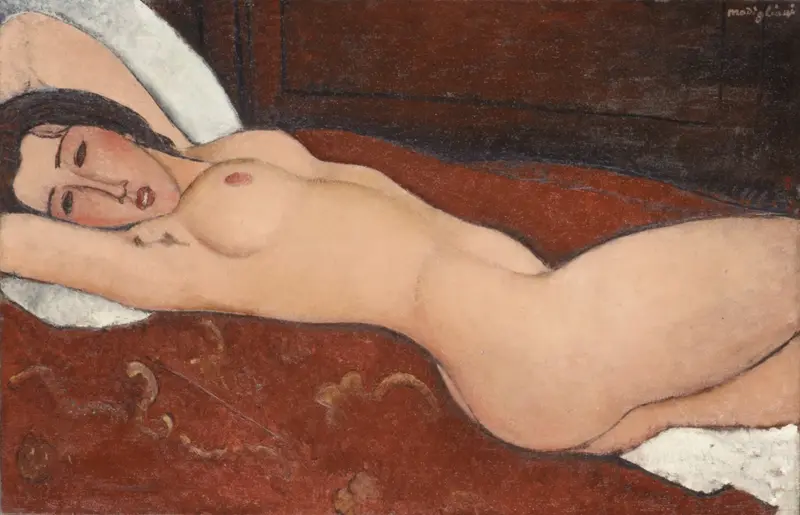
Reclining Nude
Amedeo Modigliani

Portrait Of Jeanne Hébuterne
Amedeo Modigliani

Jeanne Hébuterne
Amedeo Modigliani
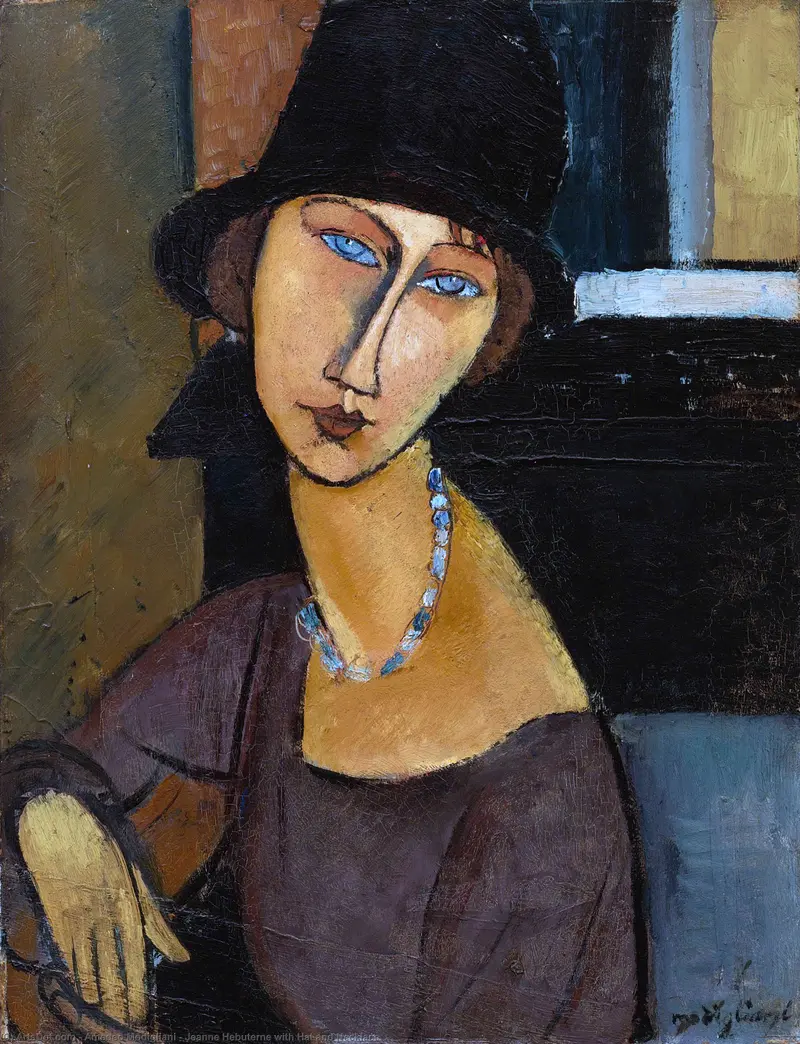
Jeanne Hébuterne with Hat and Necklace
Amedeo Modigliani
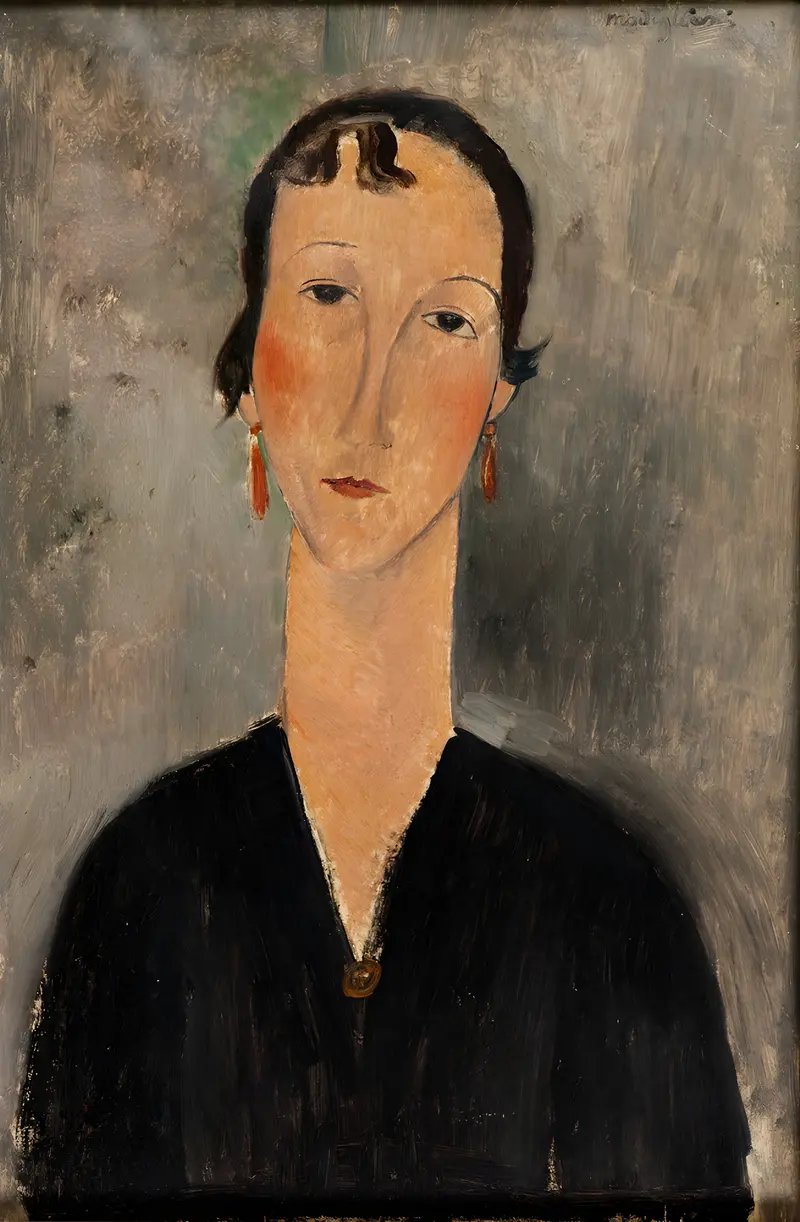
Femme aux boucles d'oreilles
Amedeo Modigliani
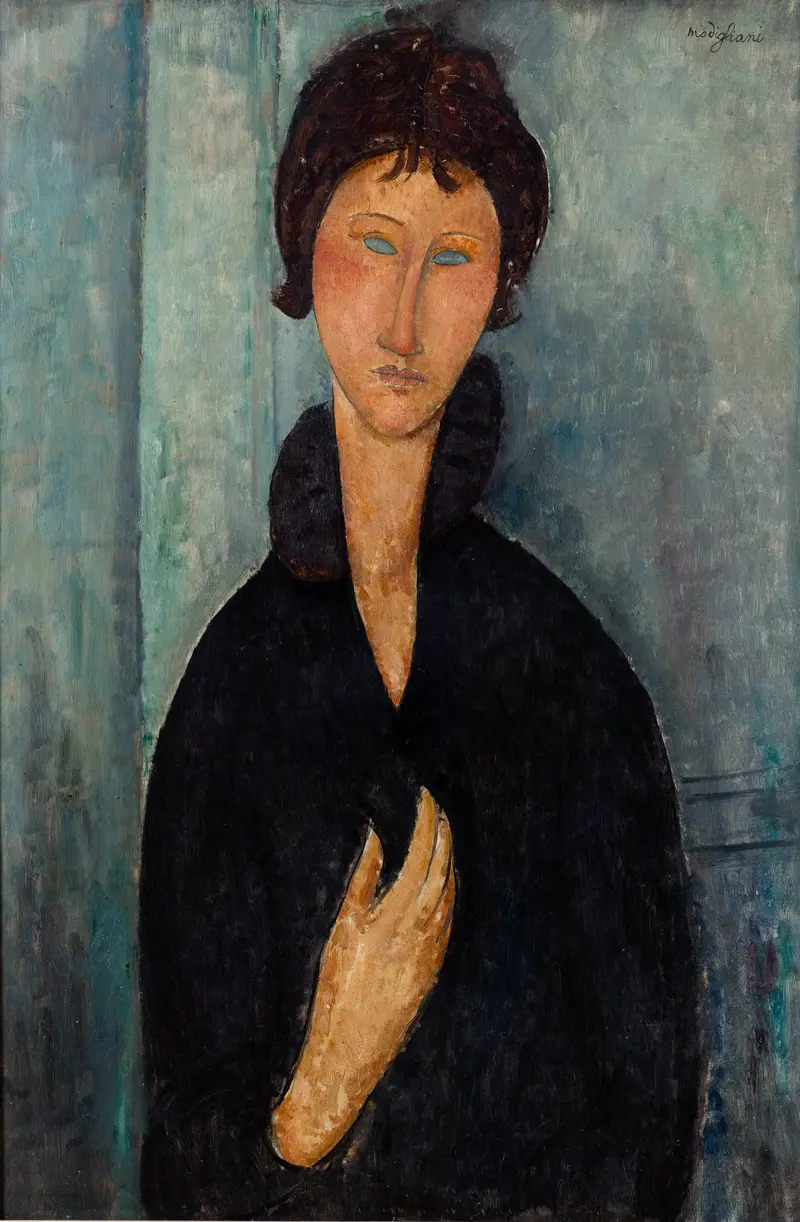
Femme aux yeux bleus
Amedeo Modigliani
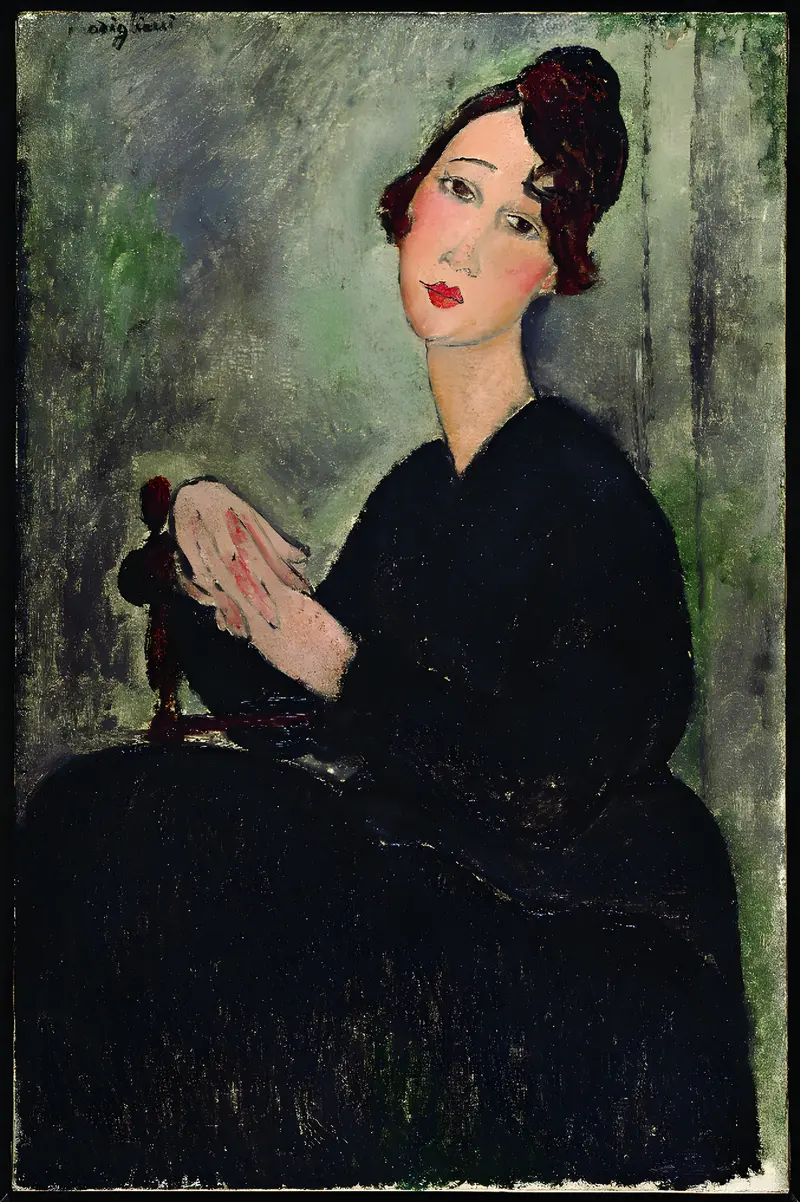
Portrait of Dedie
Amedeo Modigliani
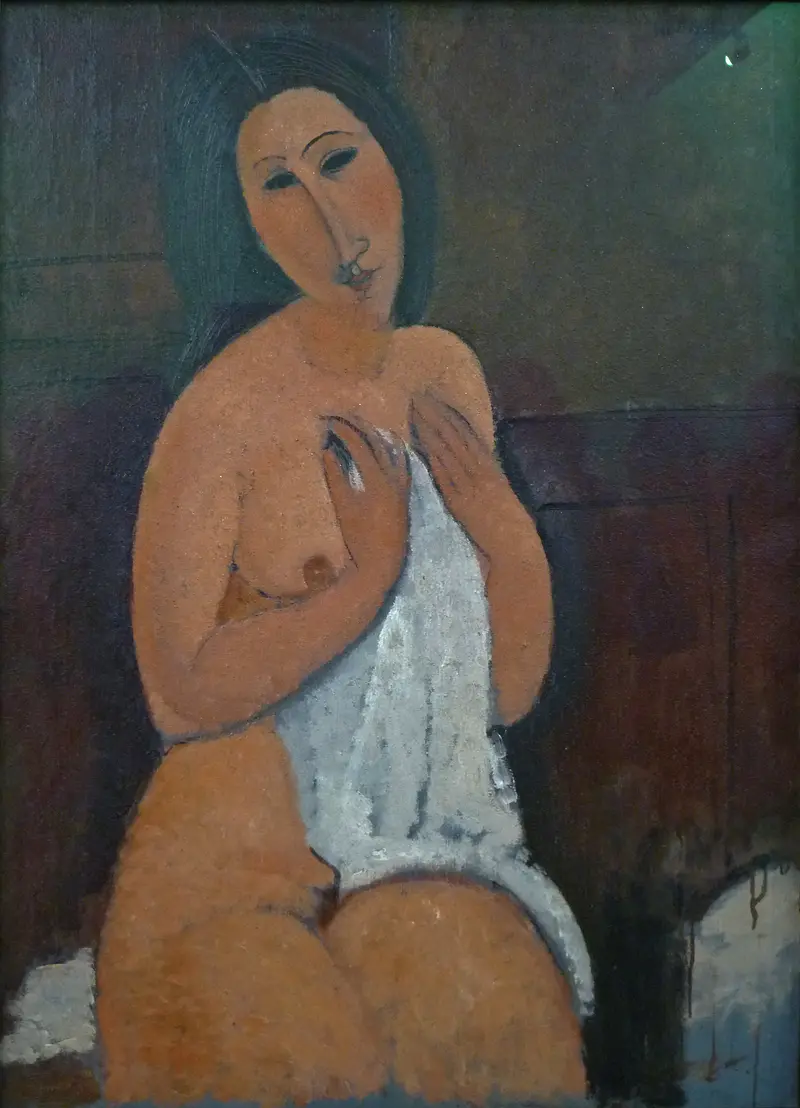
Seated nude with shirt
Amedeo Modigliani
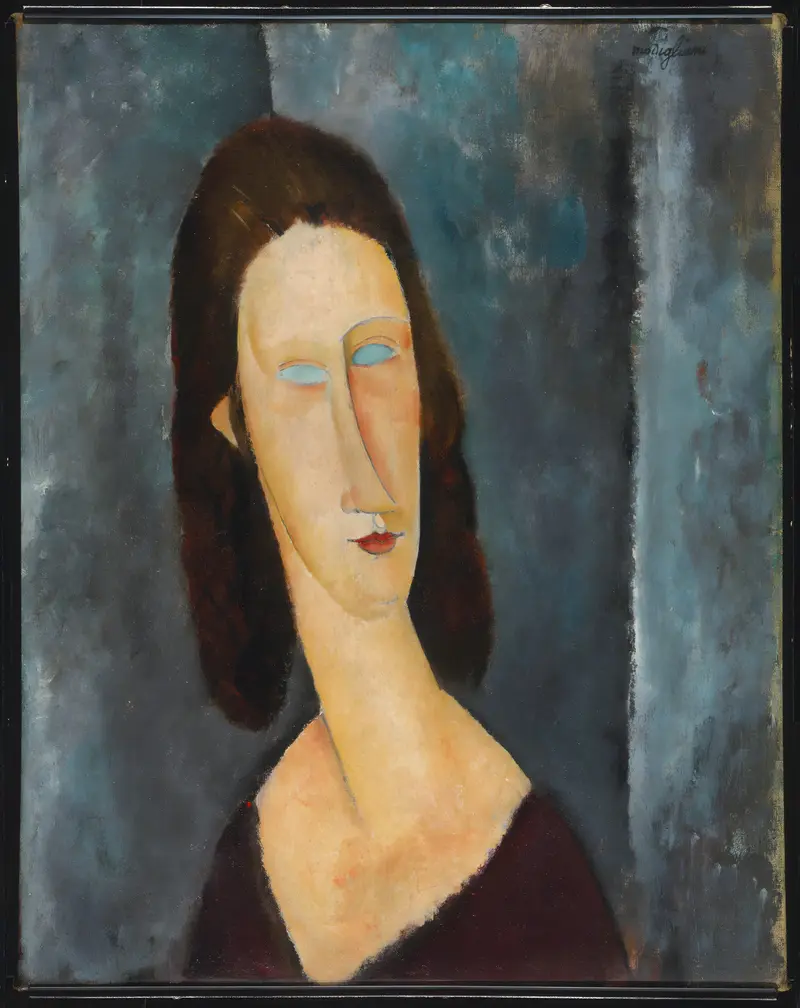
Blue Eyes (Portrait of Madame Jeanne Hébuterne)
Amedeo Modigliani
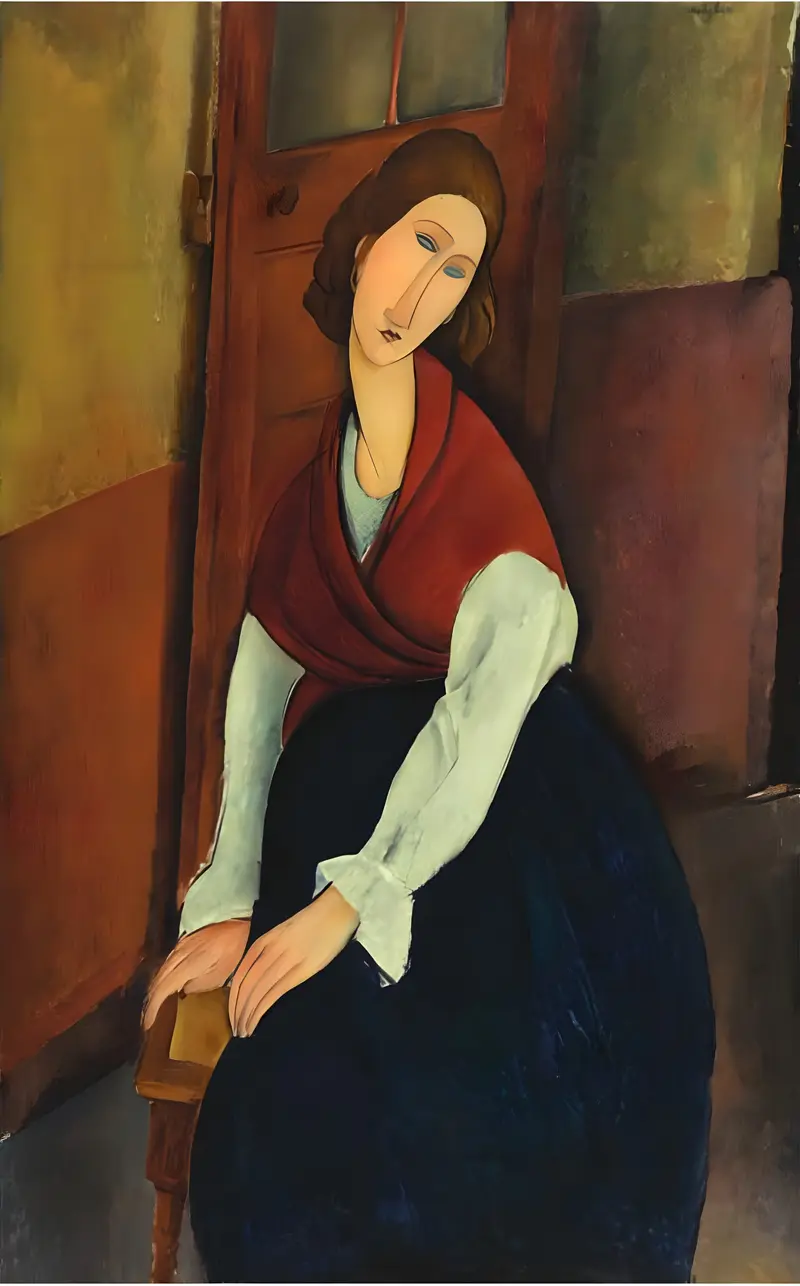
Jeanne Hebuterne in Red Shawl
Amedeo Modigliani





