
Portrait of a child, bust-length — History & Facts
No other artist of the Rococo era captured the fleeting spark of childhood quite like Jean-Honoré Fragonard, and yet, the identity of the young sitter in Portrait of a child, bust-length remains a mystery. Unlike his celebrated society portraits, this work stands apart for its intimacy and informality, inviting speculation: was this a commission for a wealthy Parisian family, or a personal study from the artist’s own circle? The lack of documentation has fueled debate among scholars, and the painting’s anonymity only deepens its intrigue. The child meets the viewer’s gaze directly, lips parted as if caught mid-thought or about to speak—a moment of unguarded presence. Fragonard renders the soft, rounded features with swift, fluid brushwork, the light playing gently across the cheeks and brow.
There are no ostentatious props or elaborate costumes; instead, the focus is on the immediacy of the child’s expression, a hallmark of Fragonard’s approach to portraiture. This simplicity stands in contrast to the more formal child portraits of Élisabeth Louise Vigée Le Brun, whose sitters are often presented in aristocratic finery. Here, the painter’s hand lingers on the fleeting nature of youth itself. Little is known about the journey of this particular painting—its early provenance and exhibition history remain undocumented, and even its medium is uncertain, though Fragonard frequently worked in both oil and pastel.
Its attribution to Fragonard is supported by stylistic parallels with his other portraits from the 1760s and 1770s, especially in the lively handling of paint and the psychological immediacy. Today, Portrait of a child, bust-length is valued not only as a rare example of Fragonard’s portraiture but also as a window into the private world of eighteenth-century French childhood, preserved for us in a single, searching glance.
More Artworks by Jean-Honoré Fragonard
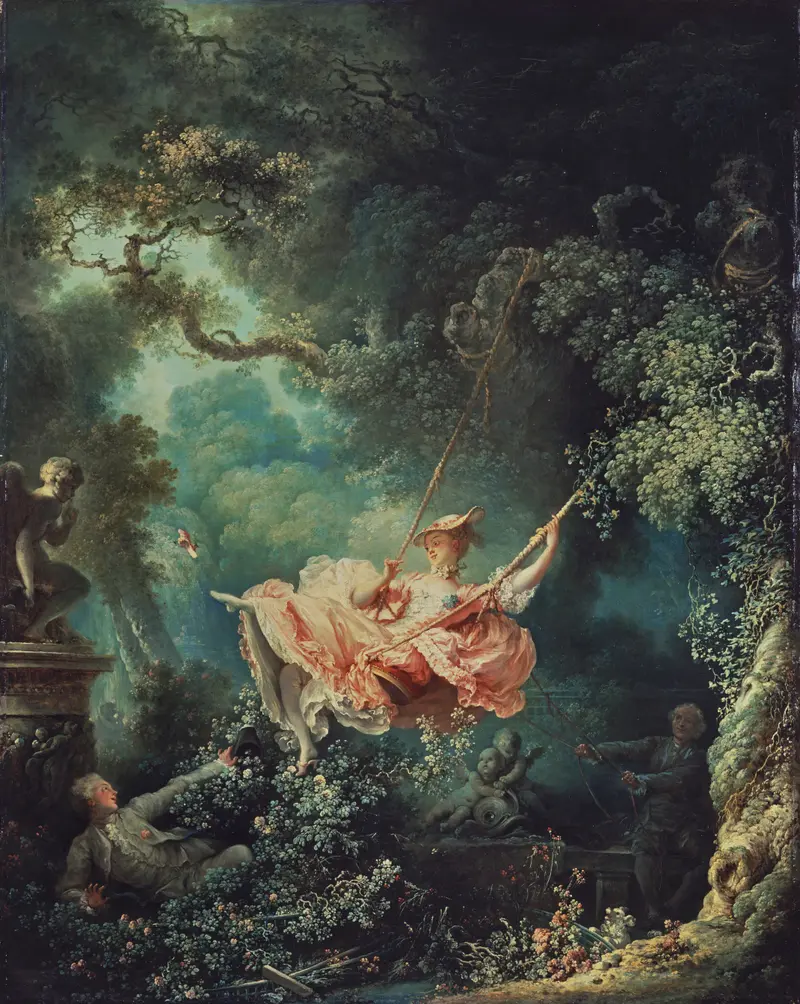
The Swing
Jean-Honoré Fragonard

The Swing
Jean-Honoré Fragonard
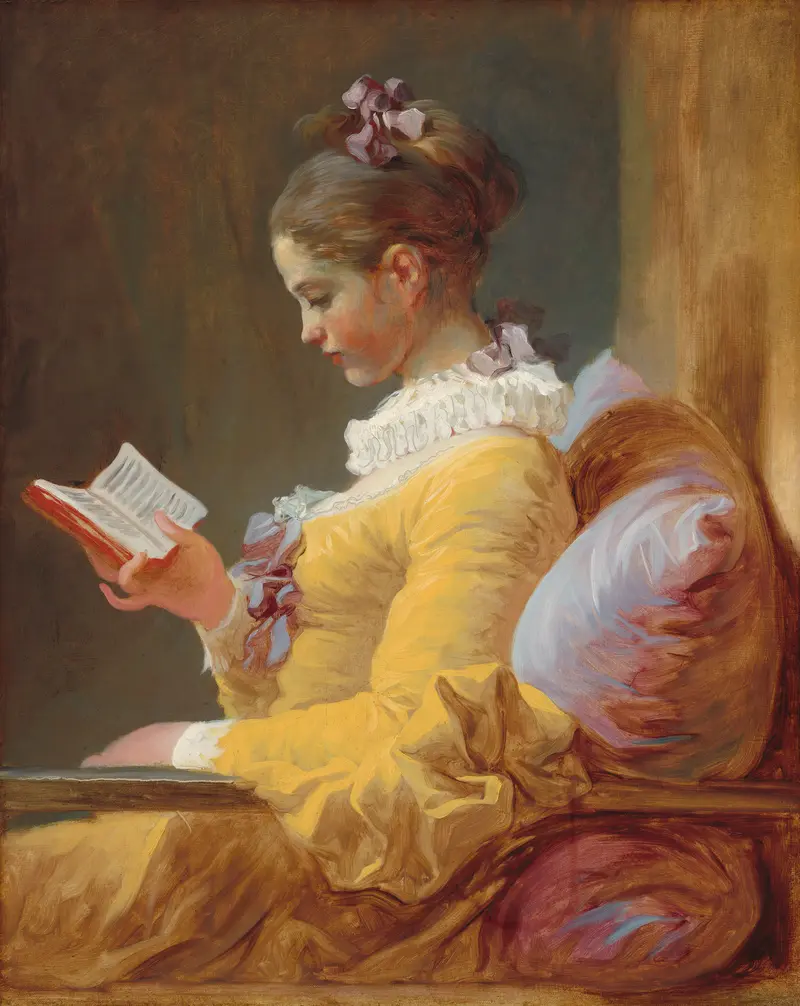
A Young Girl Reading
Jean-Honoré Fragonard
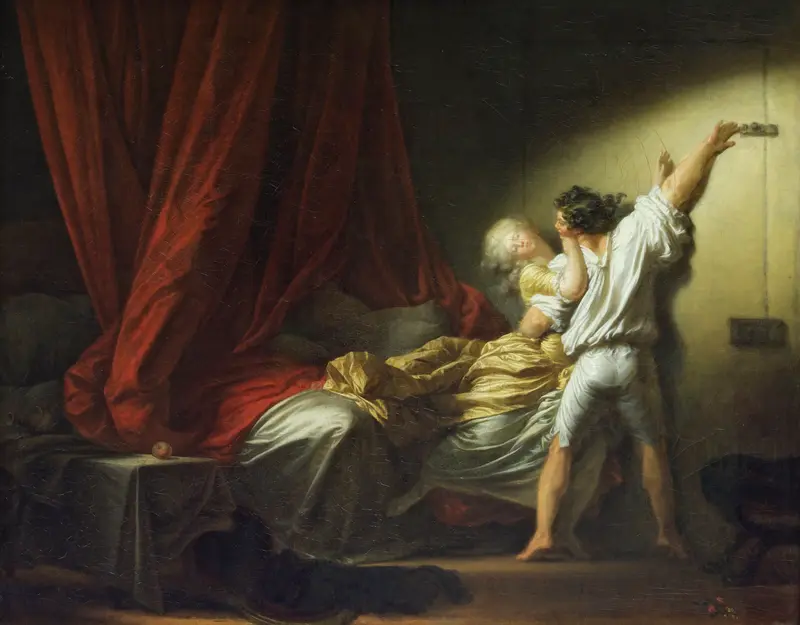
The Lock
Jean-Honoré Fragonard
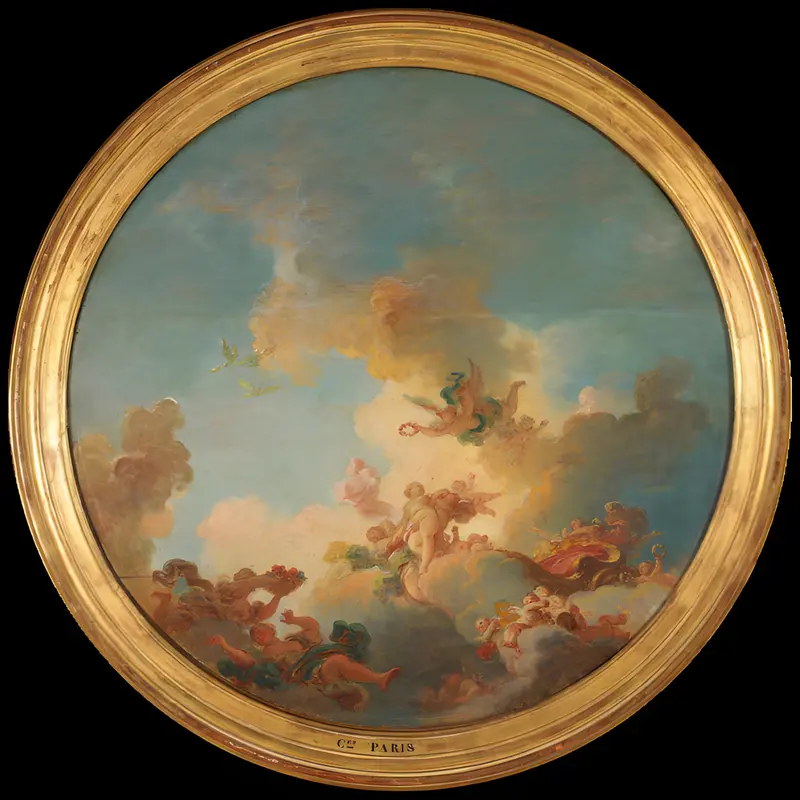
The Triumph of Venus
Jean-Honoré Fragonard
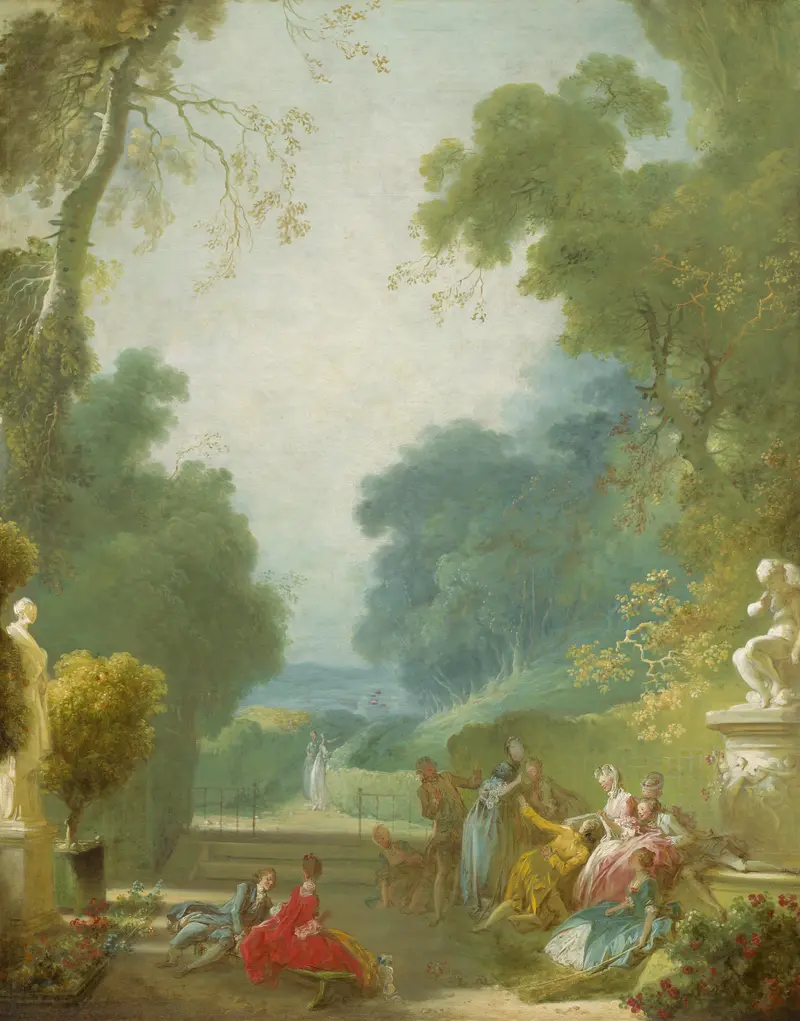
A Game of Hot Cockles
Jean-Honoré Fragonard
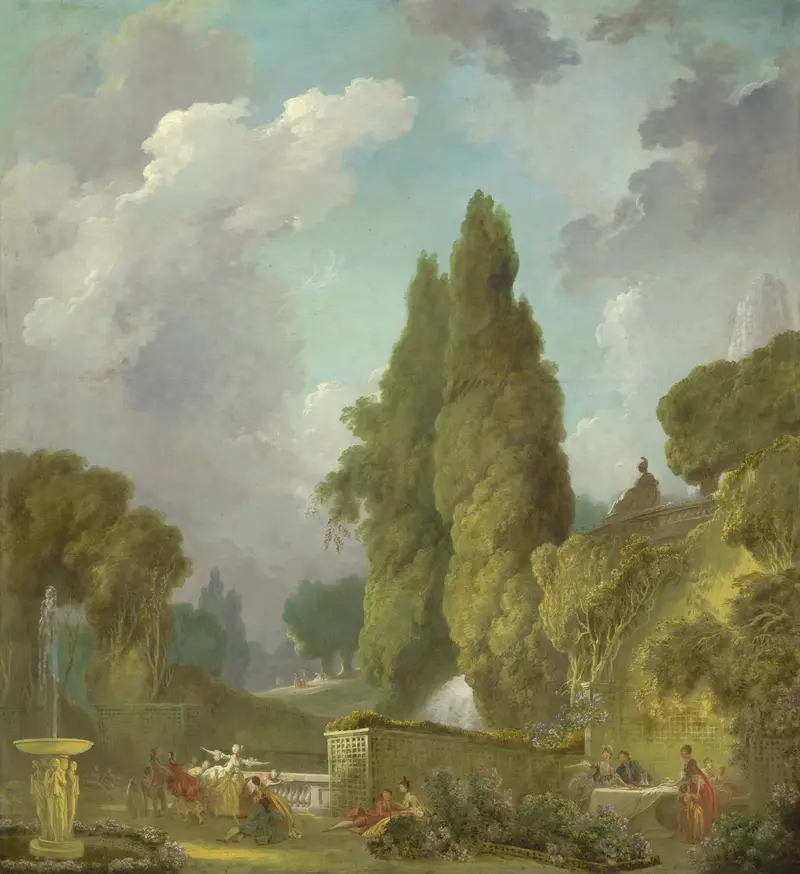
Blindman’s Buff
Jean-Honoré Fragonard
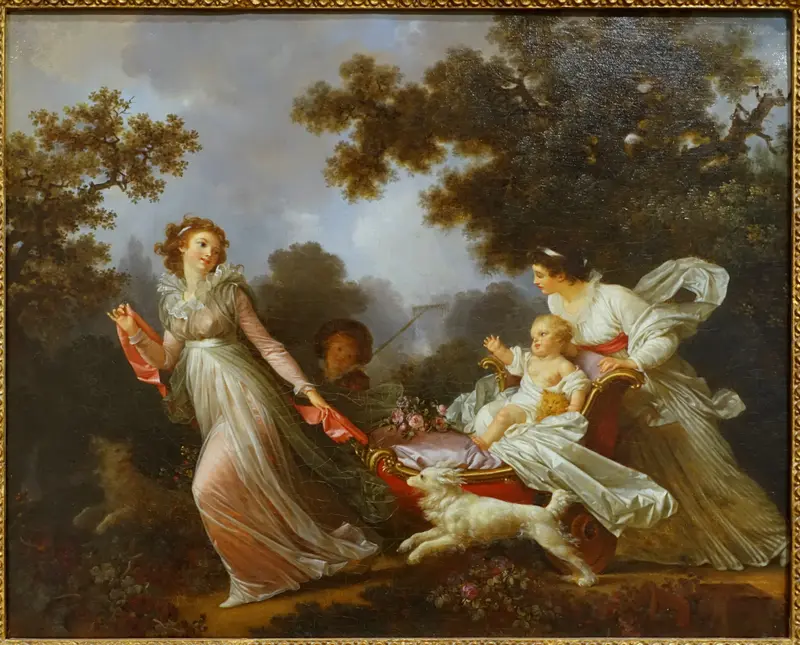
The Beloved Child
Jean-Honoré Fragonard
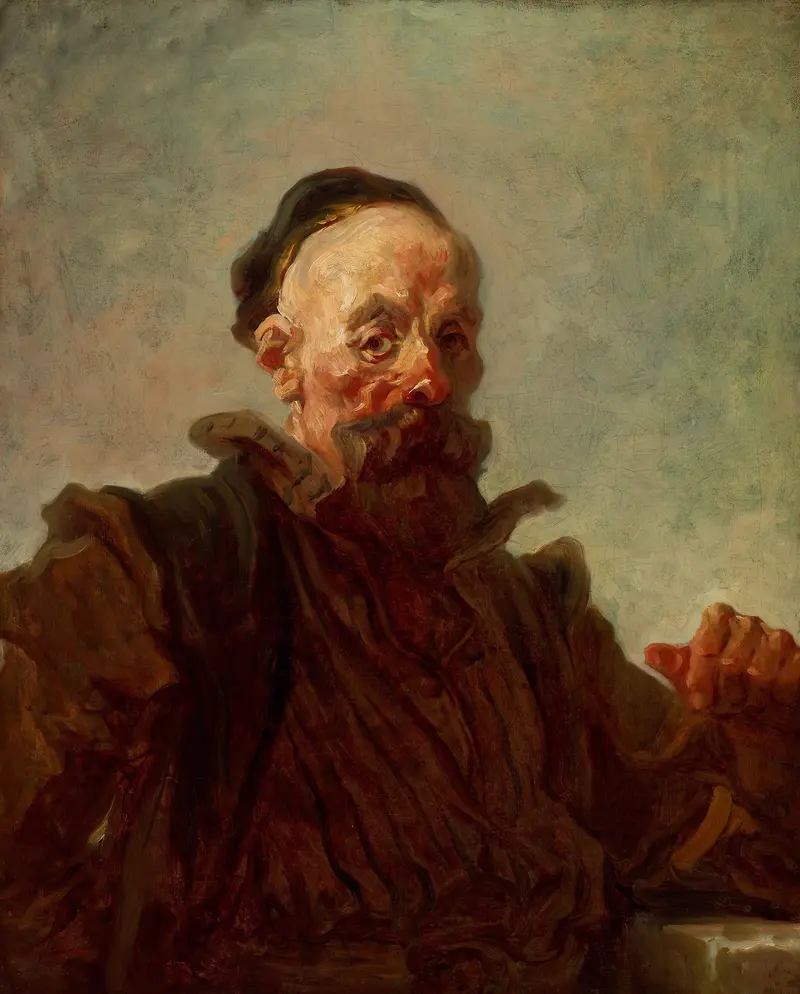
Portrait of a Man in Costume
Jean-Honoré Fragonard
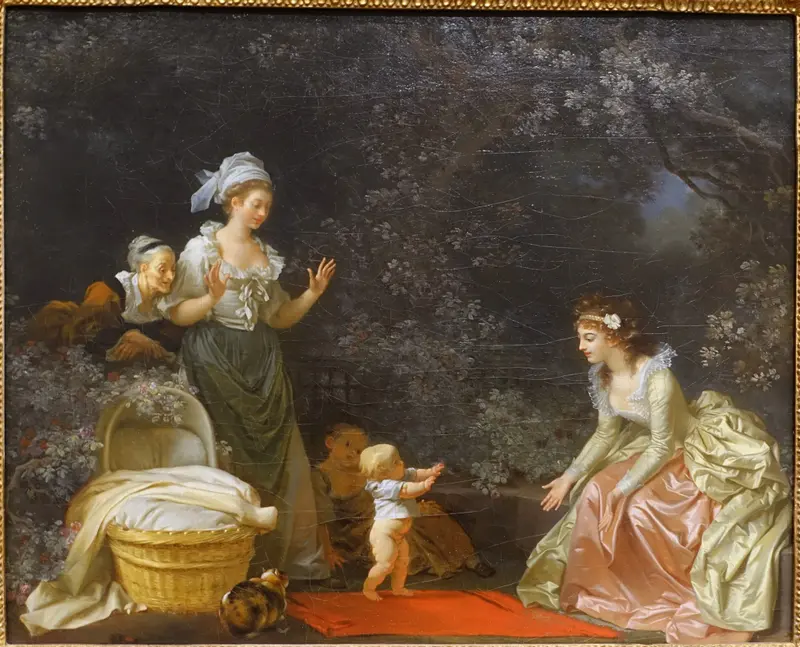
The First Steps
Jean-Honoré Fragonard





