
Portrait of a Lady known as Esmeralda Brandini — History & Facts
No one knows for certain who Esmeralda Brandini was, or even if that was her true name—but for centuries, this portrait by Sandro Botticelli has drawn fascination for its air of mystery. The sitter’s identity has been lost to time, and the painting’s very title is a modern convention, attached long after its creation in Florence around 1470. The unknown woman’s enigmatic gaze and the absence of clear heraldic symbols have left scholars debating her story, with some suggesting she may have belonged to the influential Brandini family, while others see her as an idealized beauty, perhaps a poetic invention. The woman sits in profile, her delicate features outlined against a dark background, a pose that recalls the Florentine tradition of female portraiture, yet Botticelli’s treatment is unusually intimate.
Her hair is intricately braided and adorned with pearls, a sign of status and virtue, while the soft modeling of her face and the gentle fall of light across her cheek suggest both grace and individuality. Unlike the more rigid, formal portraits by Domenico Ghirlandaio, Botticelli’s sitter seems almost to breathe, her expression poised between reserve and quiet self-possession. The artist’s subtle use of line and shadow invites the viewer to linger, searching for clues to her character and story. Little is known about the early history of Portrait of a Lady known as Esmeralda Brandini, and its medium remains a subject of scholarly discussion, though it is likely tempera on panel, the standard for Florentine portraiture of the time.
The work is considered an early example of Botticelli’s portraiture, preceding his famed mythological compositions. Over the centuries, the painting has passed through private collections, its attribution to Botticelli sometimes questioned but now widely accepted. Today, it stands as a rare and compelling window onto the world of Renaissance Florence, and a testament to the enduring allure of the unknown.
More Artworks by Sandro Botticelli
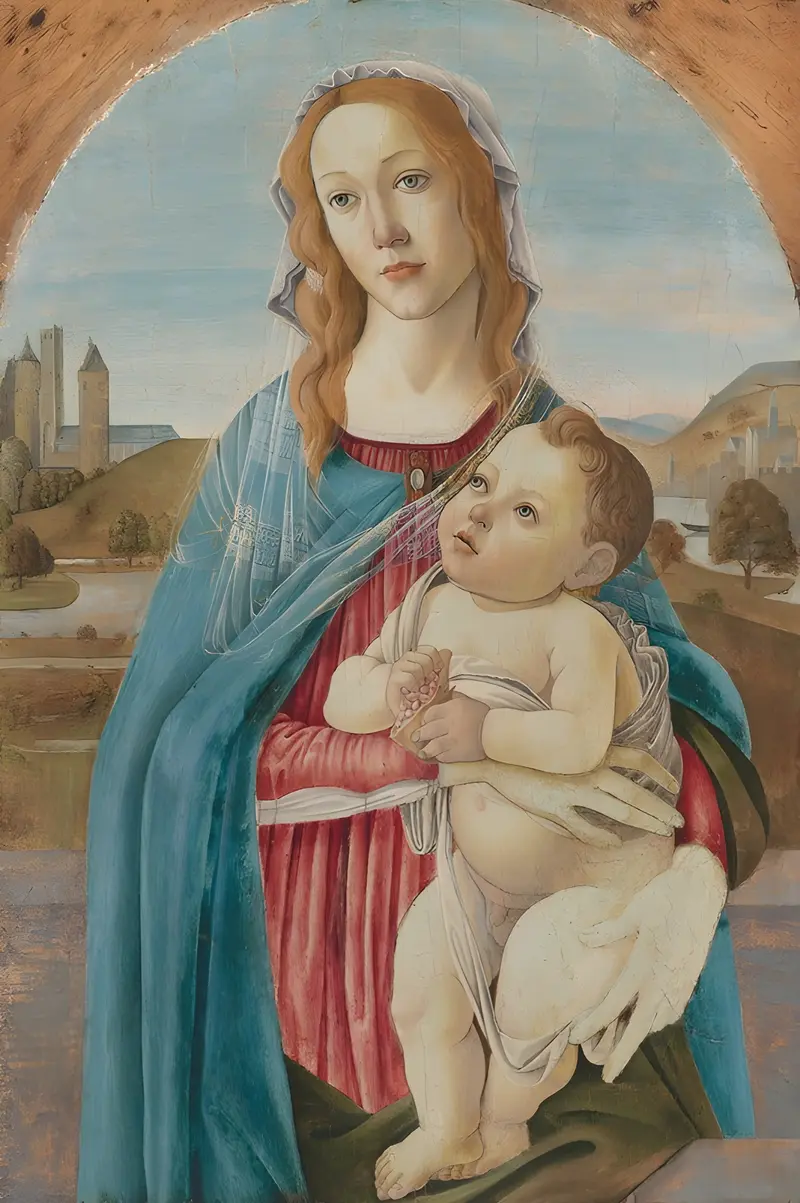
Virgin and Child
Sandro Botticelli
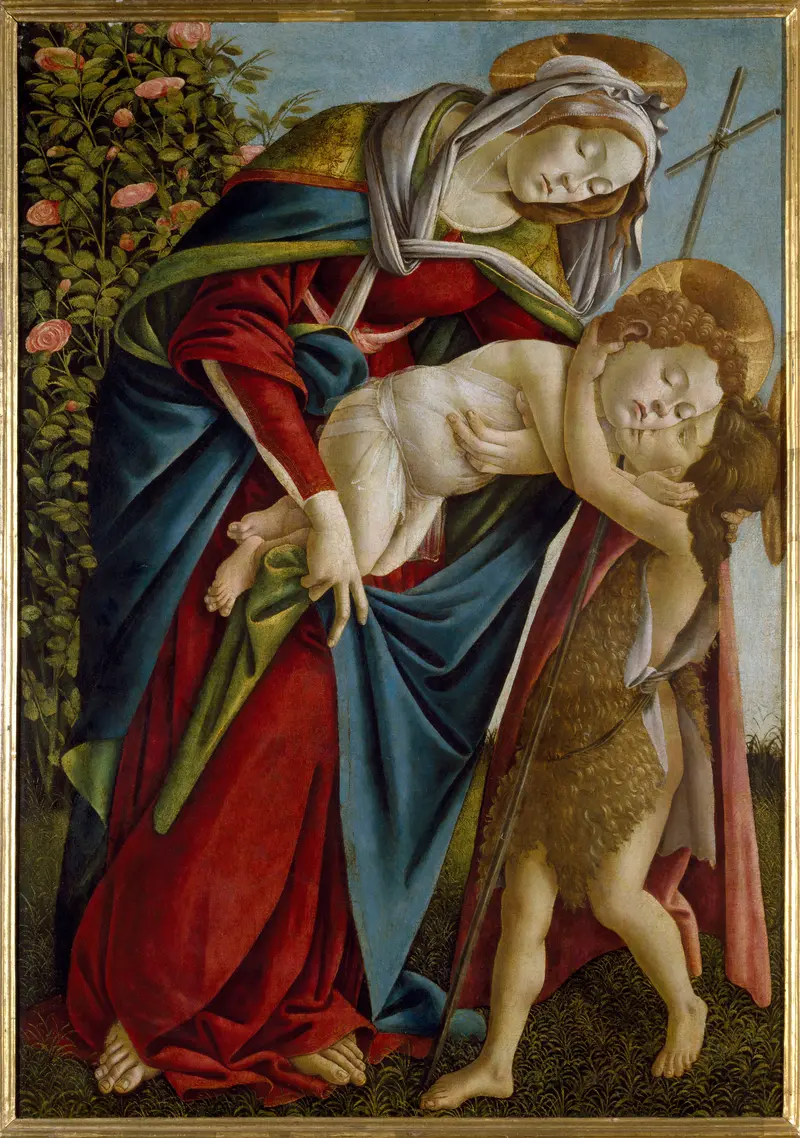
Madonna and Child and the Young St John the Baptist
Sandro Botticelli
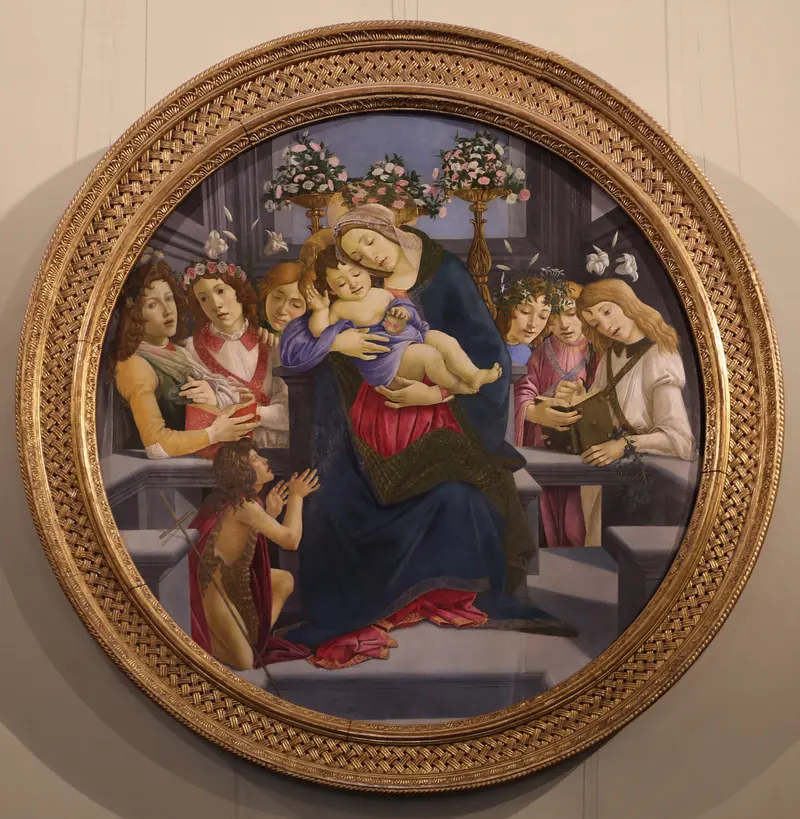
Madonna and Child with six angels and Saint John the Baptist as Child
Sandro Botticelli
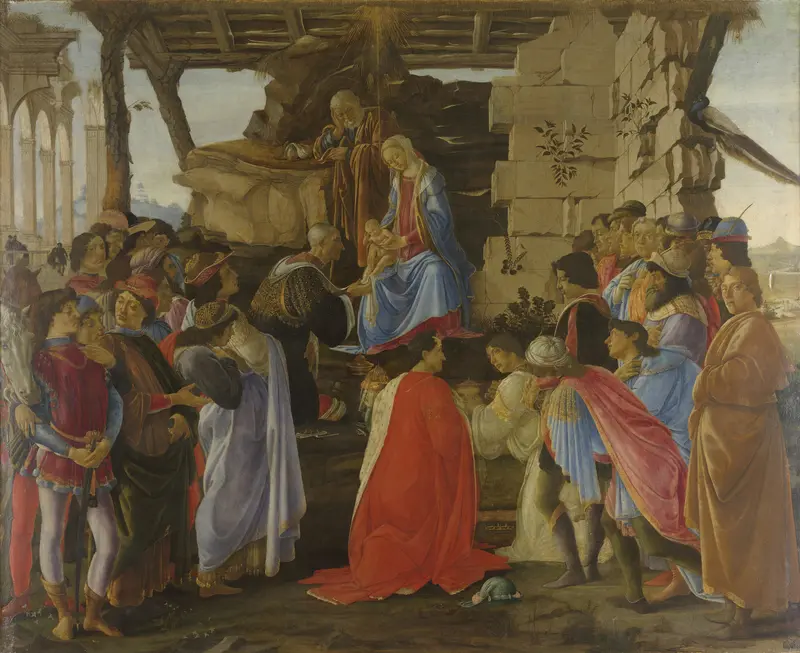
Adoration of the Magi
Sandro Botticelli

Virgin and Child with the Young Saint John the Baptist
Sandro Botticelli
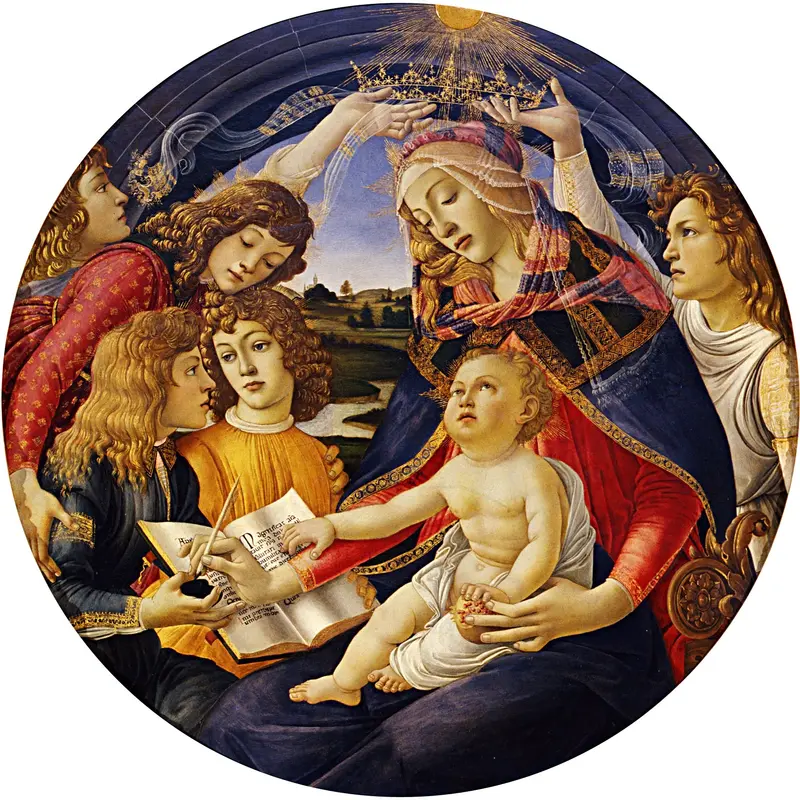
Madonna of the Magnificat
Sandro Botticelli
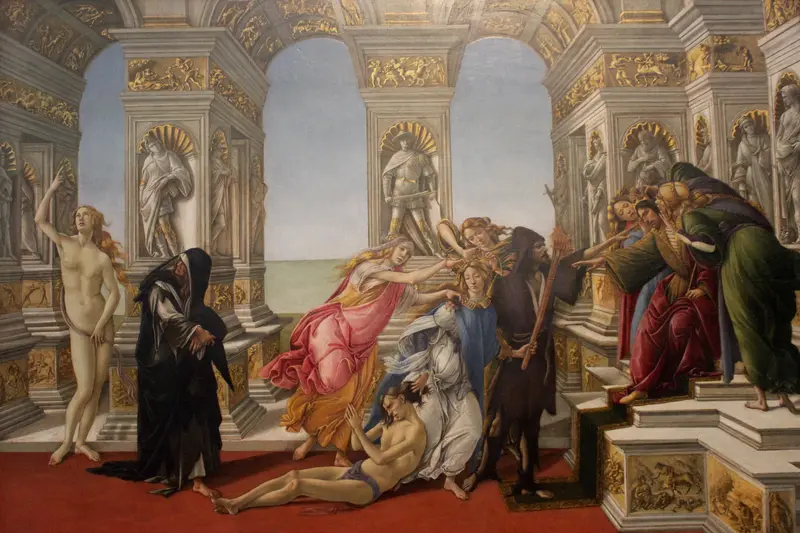
Calumny of Apelles
Sandro Botticelli
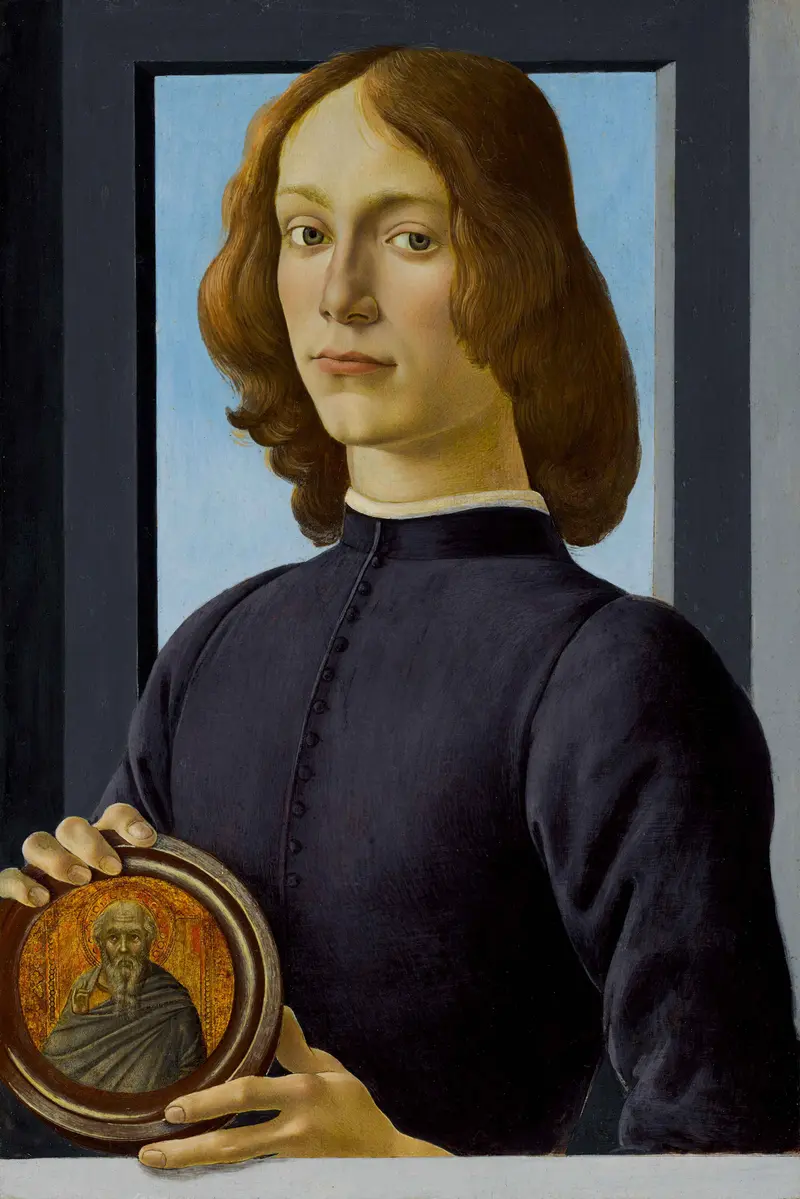
Portrait of a young man holding a roundel
Sandro Botticelli

The Trinity with Saint Mary Magdalene and Saint John the Baptist, the Archangel Raphael and Tobias
Sandro Botticelli
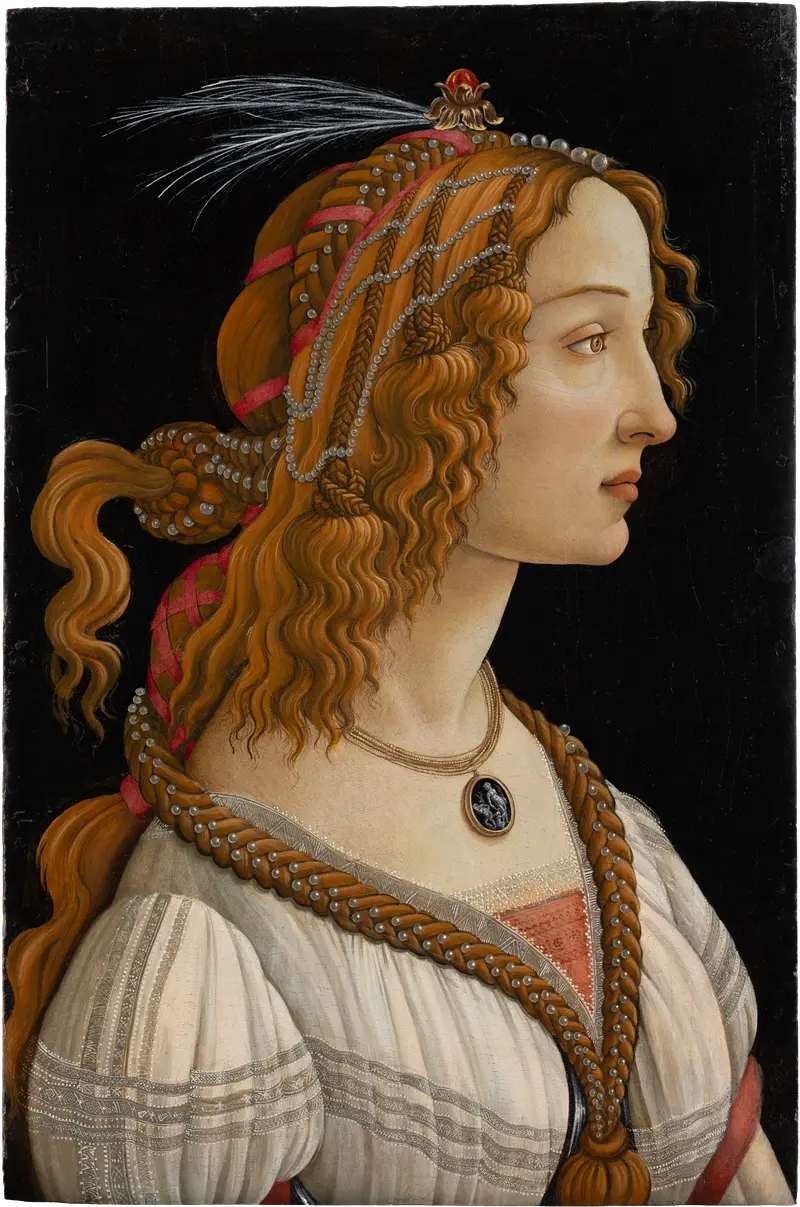
Idealized Portrait of a Lady (Portrait of Simonetta Vespucci as Nymph)
Sandro Botticelli





