
Portrait of a man holding a skull — History & Facts
Few paintings by Frans Hals have sparked as much speculation as Portrait of a man holding a skull. For centuries, viewers have wondered about the identity of the sitter and the meaning behind the skull he so deliberately presents. Some early catalogues even misidentified the man as a scholar or philosopher, while others saw in him the face of Hamlet, the tragic prince from Shakespeare’s play, which had gained popularity in the Dutch Republic by the early seventeenth century.
The ambiguity of the sitter’s identity and intention has made this work a touchstone for debates about symbolism and portraiture in the Dutch Golden Age. The man, dressed in sober black, turns to the viewer with a direct, almost challenging gaze, his right hand gripping a skull—an unmistakable memento mori, a reminder of mortality. The moment Hals chooses is not one of sorrow, but of confrontation: the sitter does not avert his eyes, but instead seems to invite us to reflect on the brevity of life. The loose, energetic brushwork is typical of Hals, who preferred to capture the vitality of his subjects rather than idealize them.
The skull, rendered with the same brisk strokes, echoes similar motifs in other Dutch portraits of the period, such as Rembrandt’s Portrait of a Scholar with a Skull, but where Rembrandt’s figures often brood, Hals’s sitter appears alert, even defiant. The exact origins of Portrait of a man holding a skull remain uncertain, as no commission records survive and the sitter’s name is lost. The work has passed through several private collections since the seventeenth century, sometimes catalogued as a tronie—a study of character rather than a true portrait. Today, it is recognized as a significant example of Hals’s early mature style, painted around 1616, when the artist was establishing his reputation in Haarlem.
The painting’s journey reflects the shifting tastes in art collecting: once overlooked, it is now prized for its psychological depth and technical bravura, and hangs in a major European museum as a testament to Hals’s enduring fascination with the human condition.
More Artworks by Frans Hals

Banquet of the Officers of the St George Civic Guard
Frans Hals

Portrait of Jacob Pietersz Olycan (1596-1638)
Frans Hals
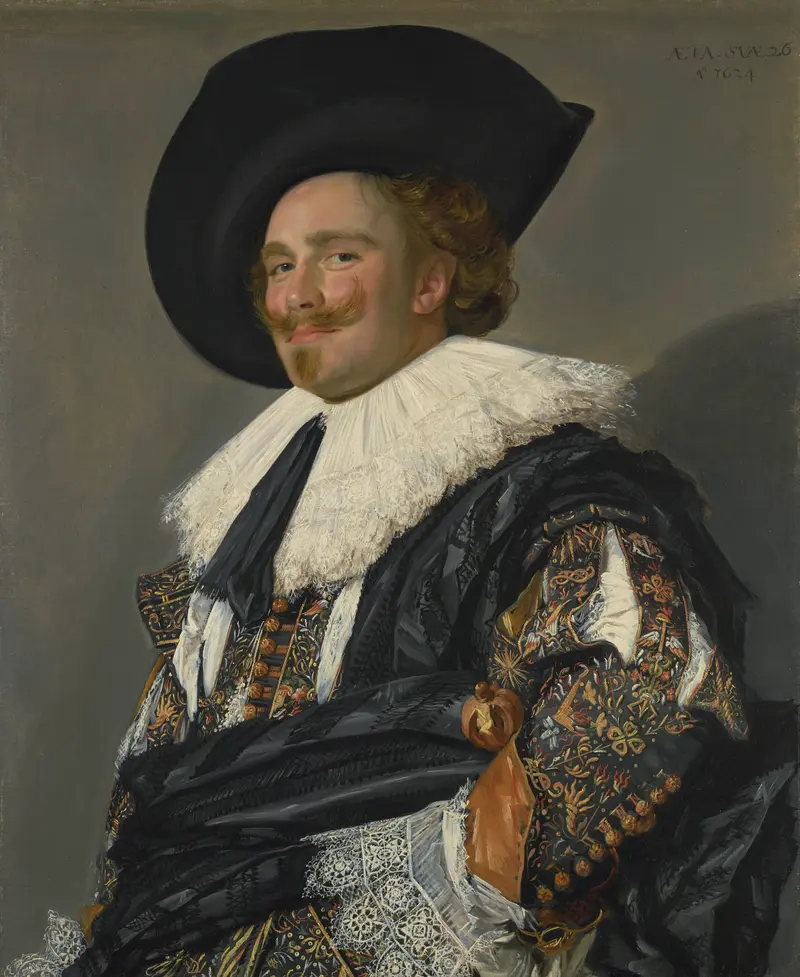
Laughing Cavalier
Frans Hals

Militia Company of District XI under the Command of Captain Reynier Reael, Known as ‘The Meagre Company’
Frans Hals
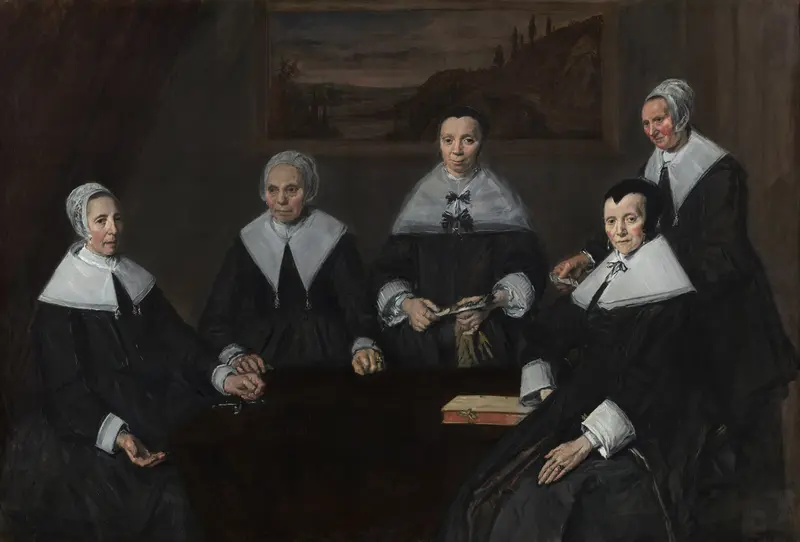
Regentesses of the Old Men's Alms House
Frans Hals
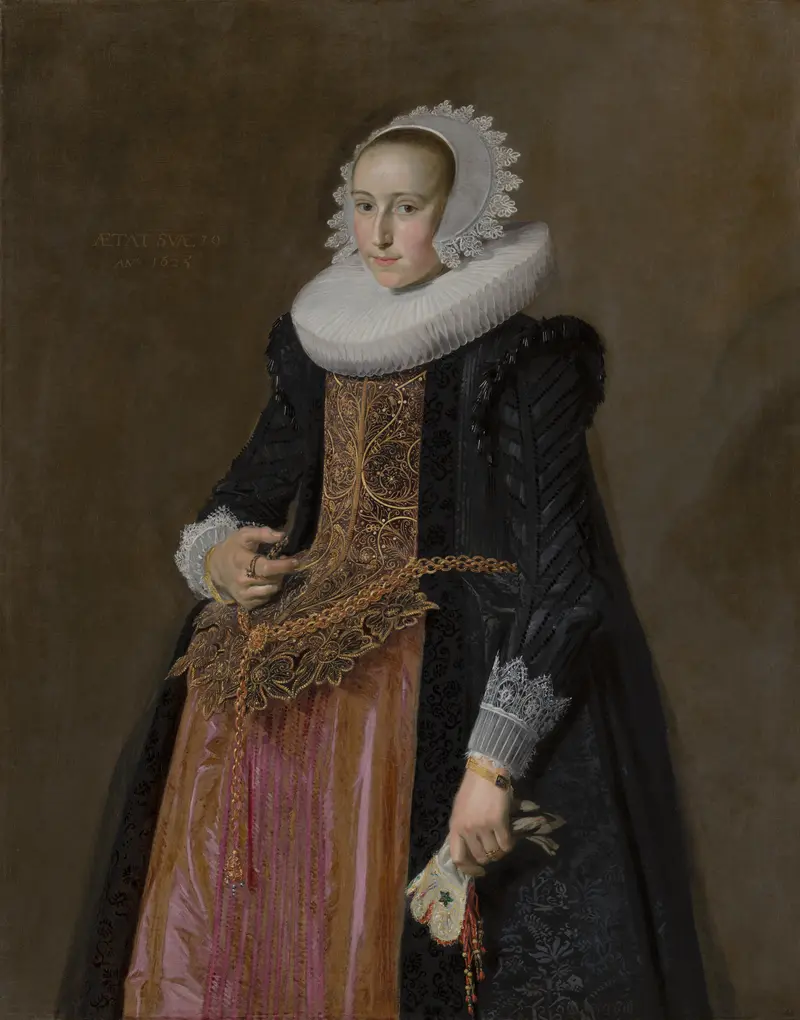
Portrait of Aletta Hanemans (1606–1653)
Frans Hals
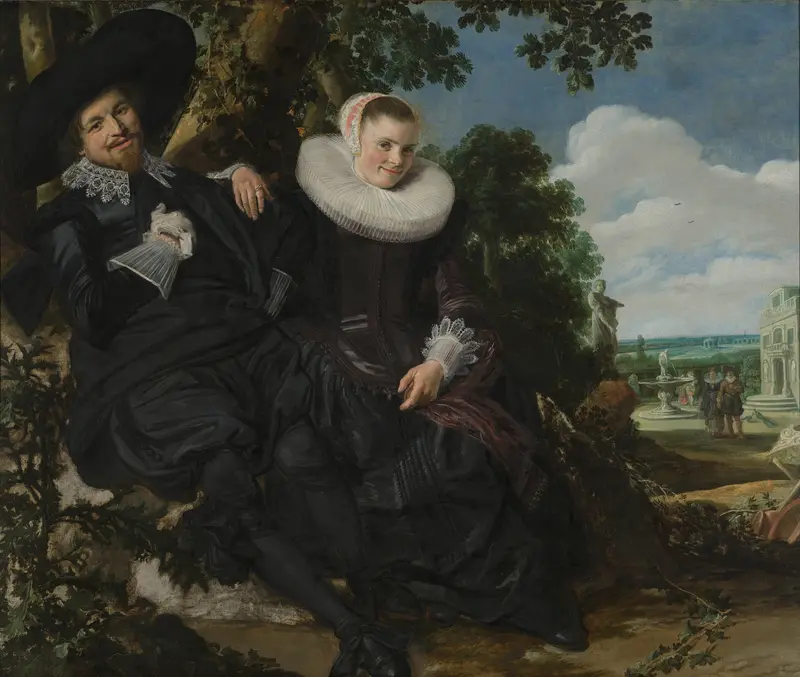
Portrait of a Married Couple, Likely Isaac Abrahamsz Massa and Beatrix van der Laen
Frans Hals
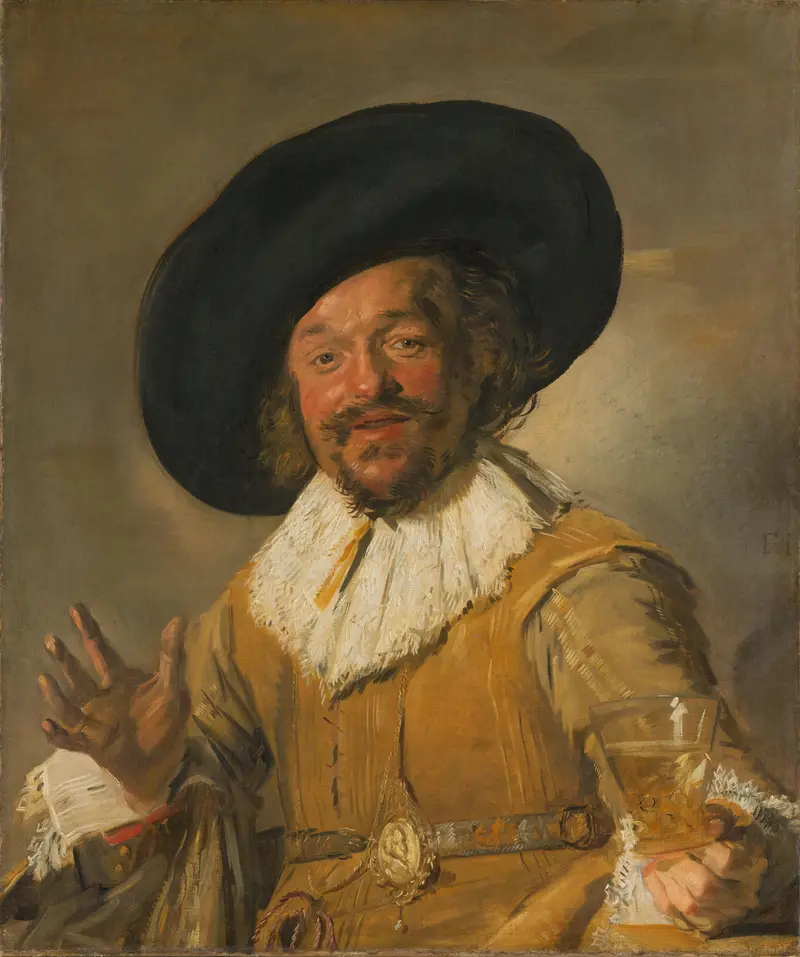
The Merry Drinker
Frans Hals
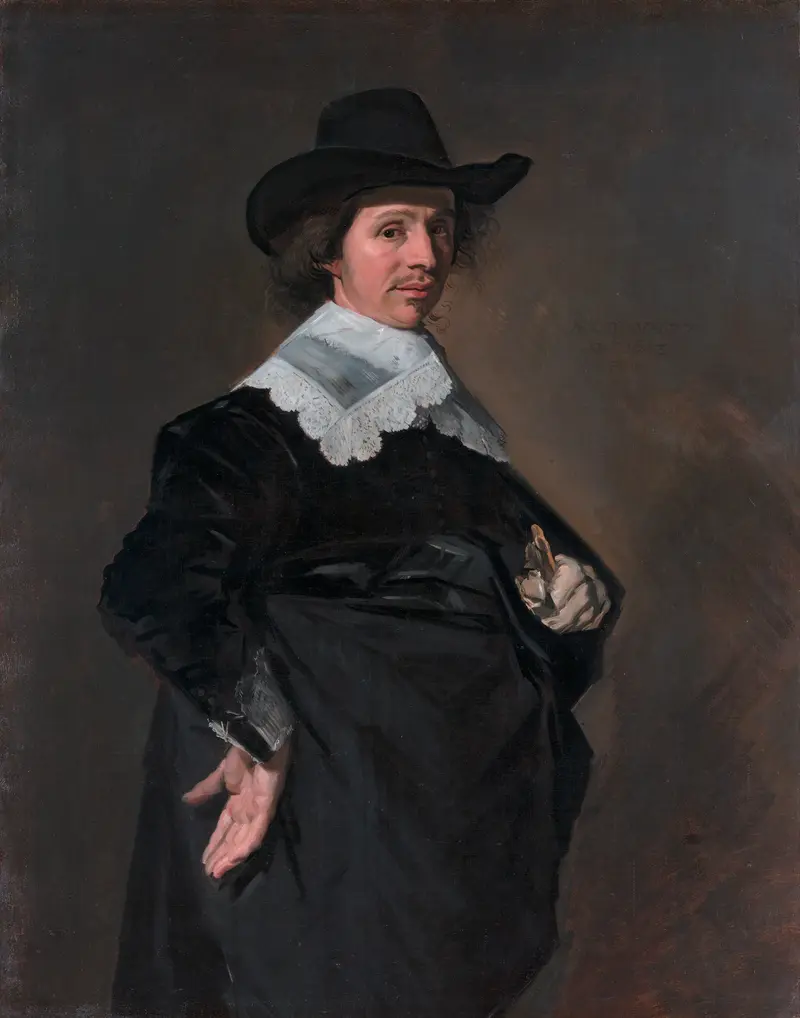
Portrait of Paulus Verschuur
Frans Hals
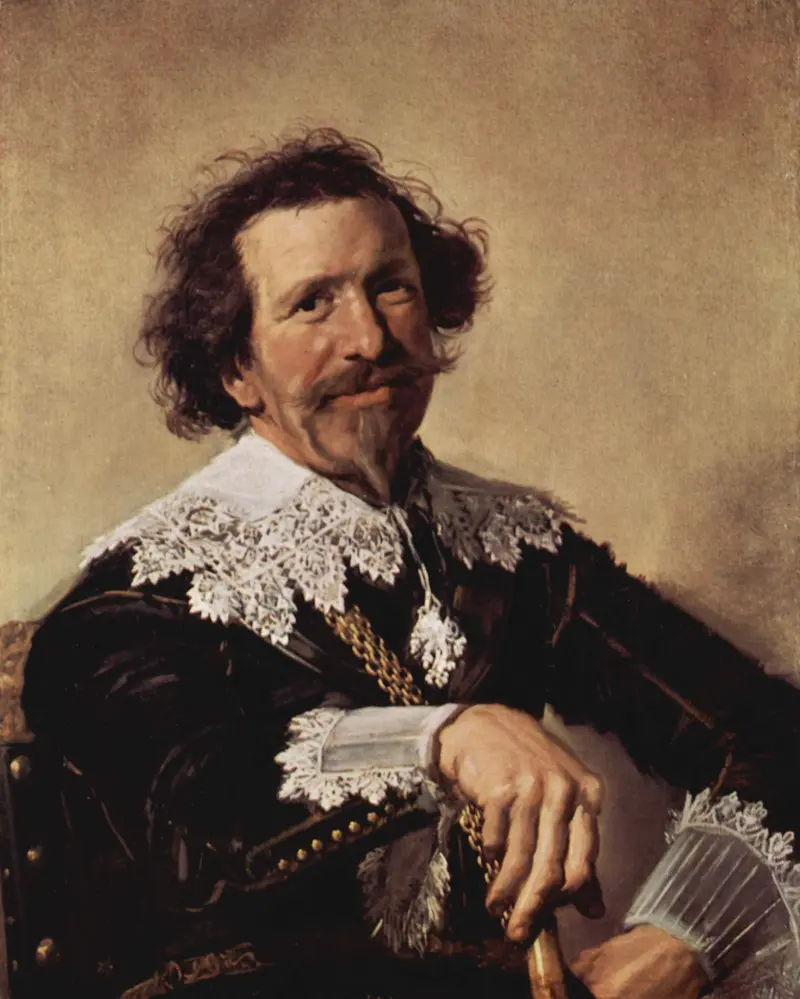
Portrait of Pieter van den Broecke
Frans Hals





