
Portrait of a Man (possibly José Nieto) — History & Facts
Few paintings by Diego Velázquez have sparked as much debate as Portrait of a Man (possibly José Nieto). The sitter’s identity remains an open question, with some scholars suggesting he may be José Nieto Velázquez, the Queen’s chamberlain who appears in the background of Las Meninas. The uncertainty is sharpened by the painting’s lack of inscription and the absence of documented commission, leaving viewers to puzzle over clues in the sitter’s features and attire.
The portrait’s direct gaze and air of quiet authority have led others to propose alternative identities, but the connection to the world of the Spanish court remains tantalizing. This air of mystery has only deepened its fascination for historians and visitors alike. The man in the painting is caught in a moment of poised stillness, his body turned slightly as if interrupted mid-thought. He wears somber, formal clothing, rendered with the loose, confident brushwork that marks Velázquez’s mature style.
Light falls across his face and hands, drawing attention to the subtle modeling of flesh and the sitter’s introspective expression. The background is plain, focusing all attention on the man’s presence and psychology—a stark contrast to the elaborate settings favored by other court painters such as Anthony van Dyck. In this restrained composition, every detail, from the ruff at his neck to the glint in his eyes, serves to heighten the sense of individuality and unspoken narrative. The precise origins of Portrait of a Man (possibly José Nieto) are uncertain, as no definitive records of its commission or early provenance survive.
It is generally dated to the 1650s, a period when Velázquez was at the height of his powers as court painter to Philip IV. Over the centuries, the painting has passed through various collections, sometimes attributed to different sitters or even artists, reflecting the challenges of identifying anonymous portraits from the Spanish Golden Age. Today, it is recognized as an authentic work by Velázquez and is housed in the Museo del Prado, where it stands as a testament to the artist’s unrivaled ability to capture the inner life of his subjects.
More Artworks by Diego Velázquez

Las Meninas
Diego Velázquez
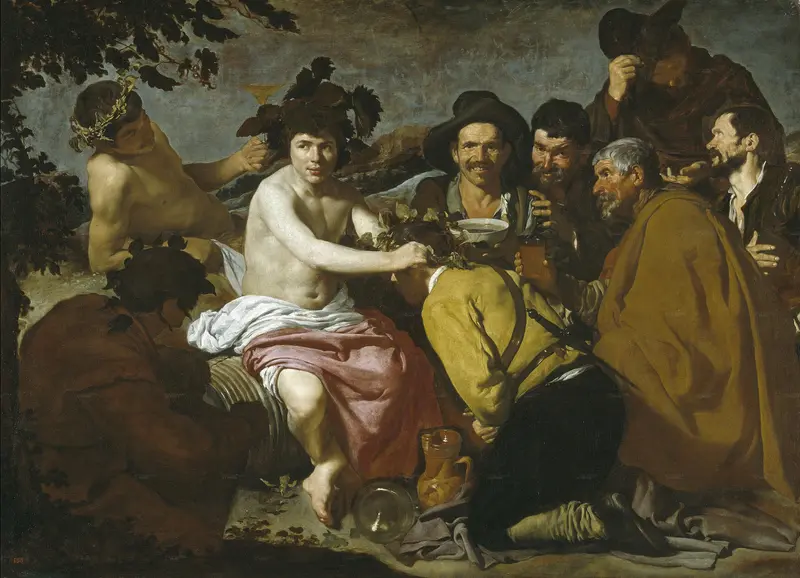
The Triumph of Bacchus
Diego Velázquez
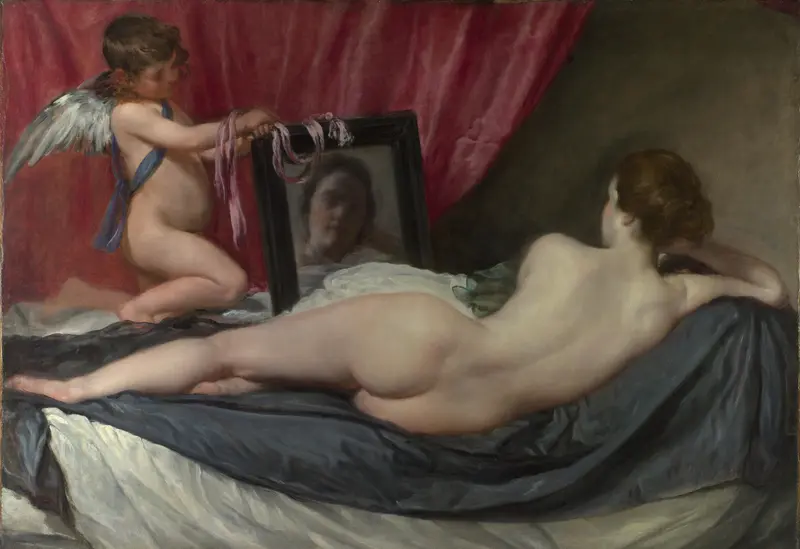
Rokeby Venus
Diego Velázquez
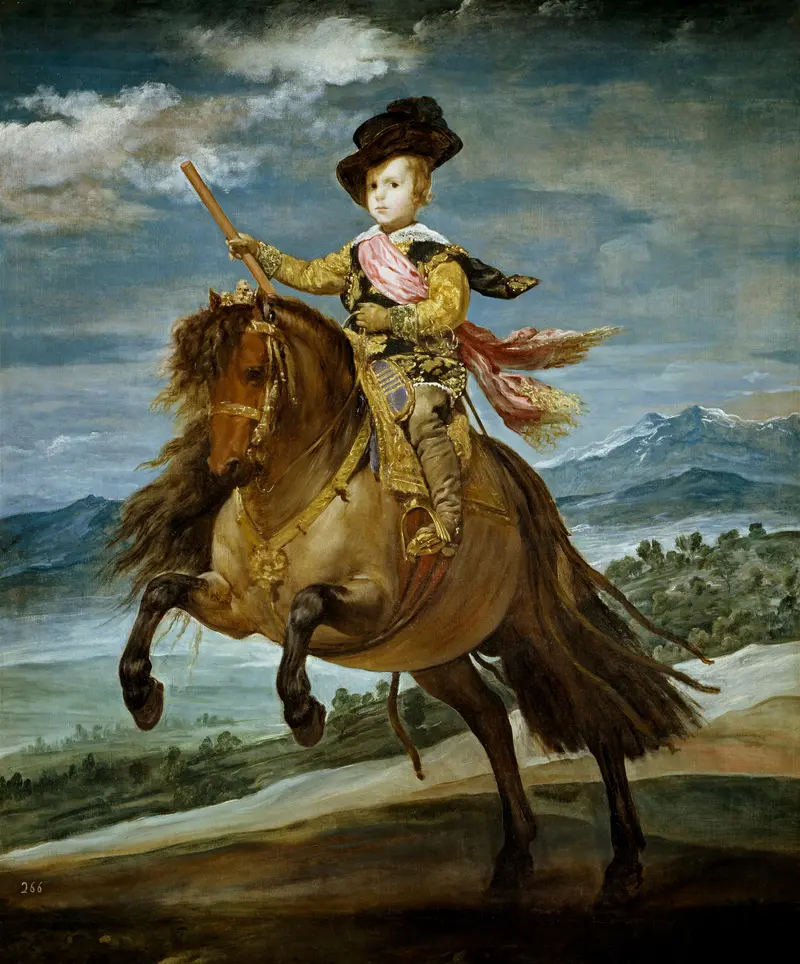
Equestrian Portrait of Prince Balthasar Charles
Diego Velázquez
Bacchus
Diego Velázquez
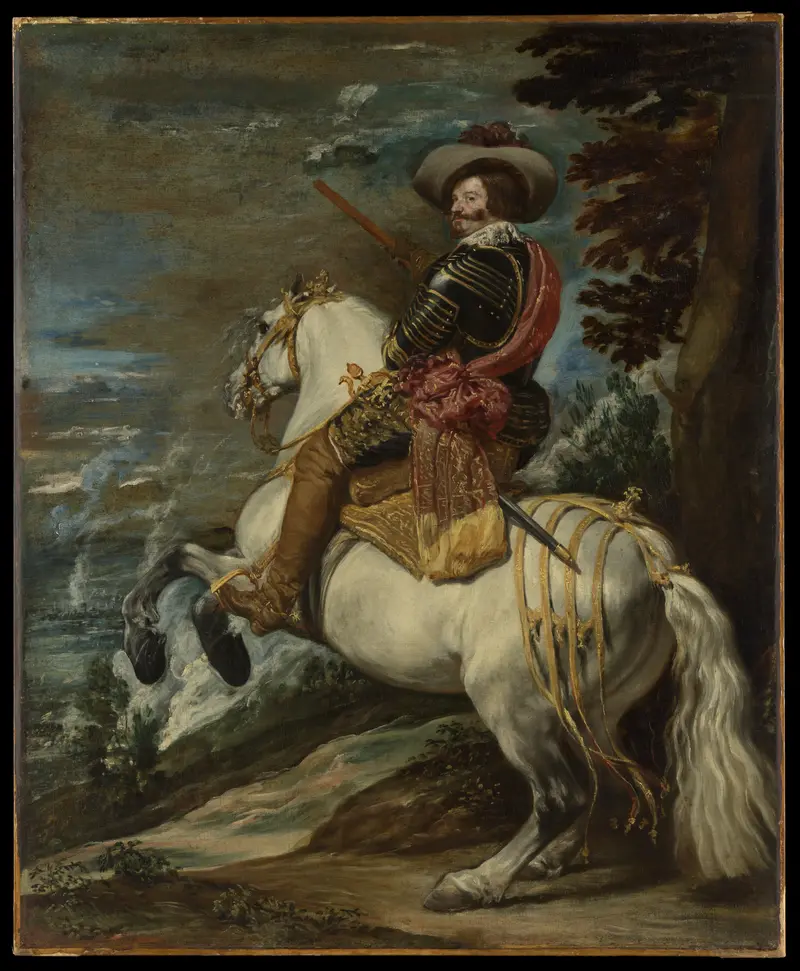
Don Gaspar de Guzmán (1587–1645), Count-Duke of Olivares
Diego Velázquez
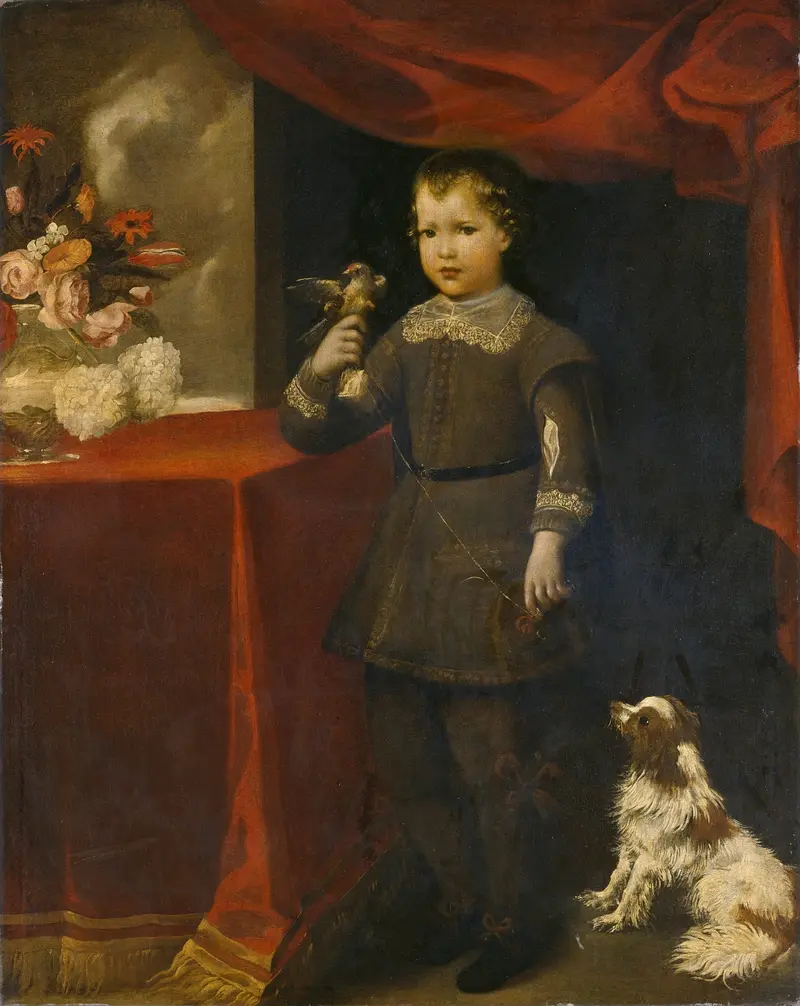
El príncipe Baltasar Carlos de Austria
Diego Velázquez
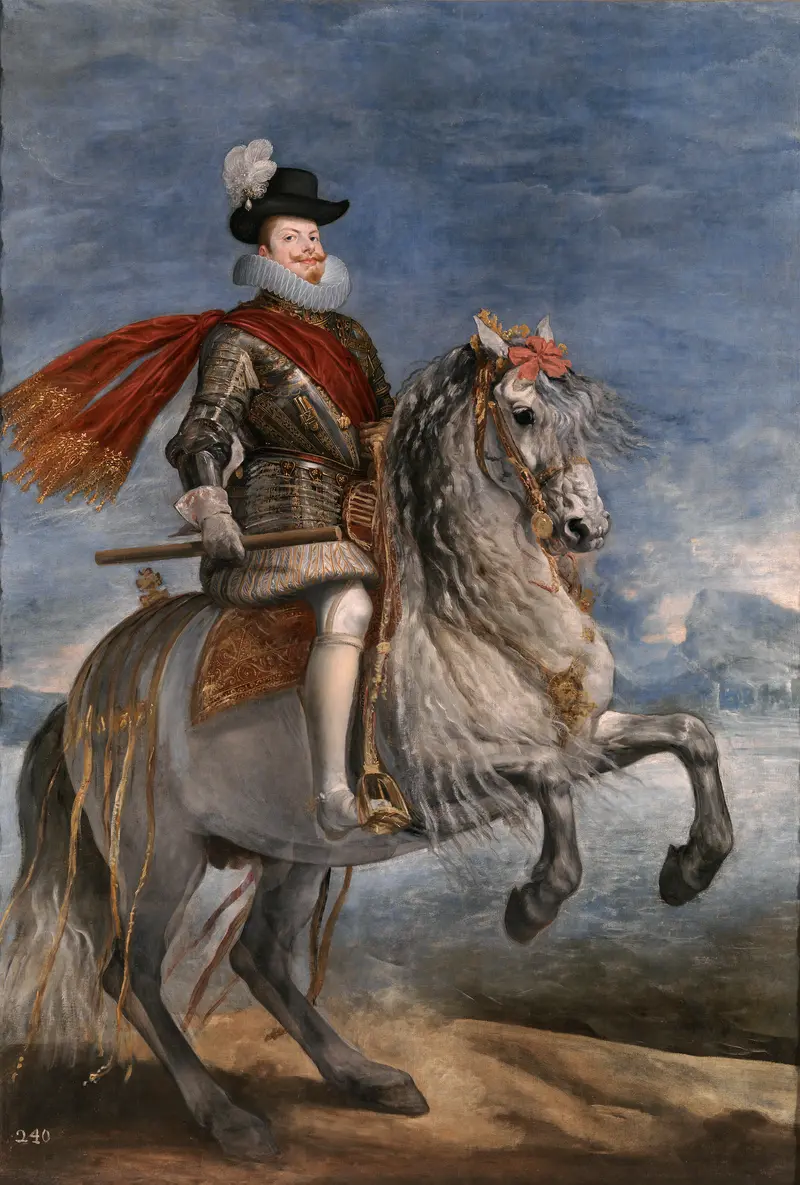
Equestrian Portrait of Philip III
Diego Velázquez
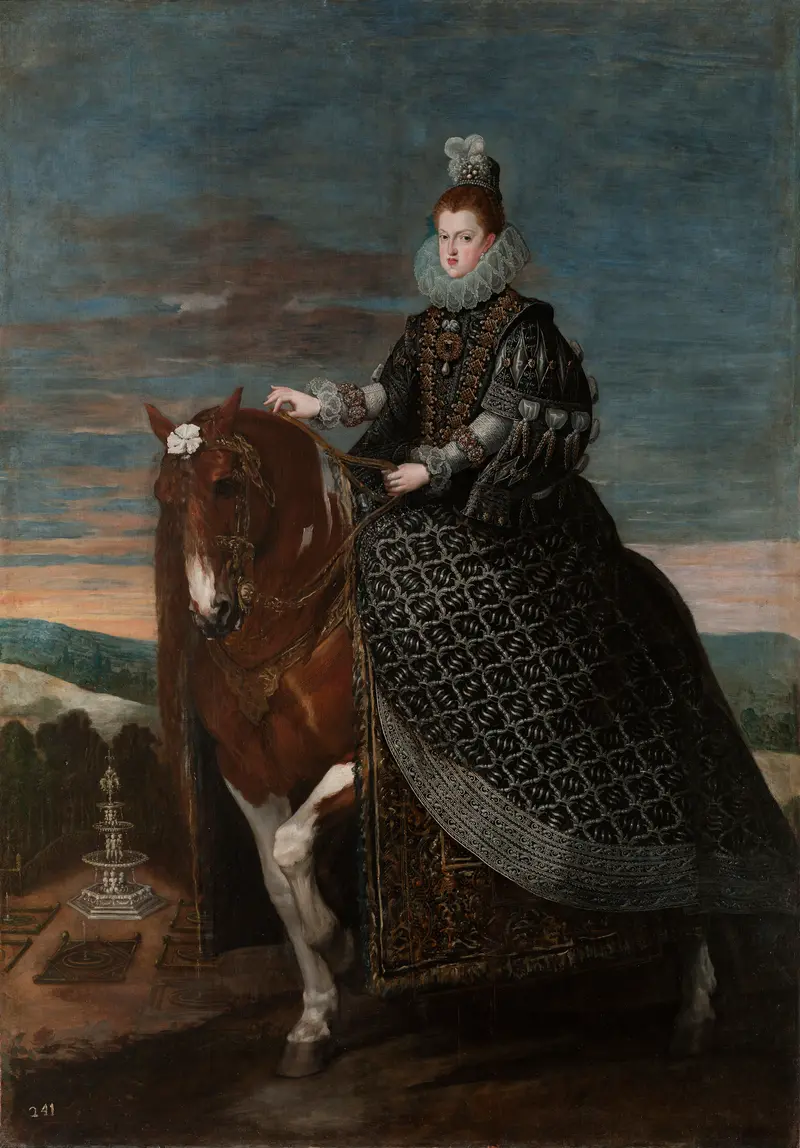
Equestrian Portrait of Margarita of Austria
Diego Velázquez
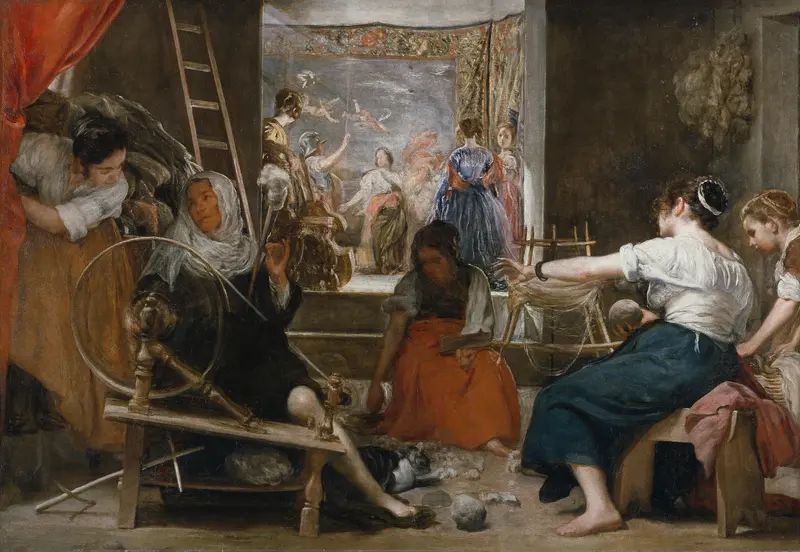
Las Hilanderas
Diego Velázquez




