
Portrait of a Man with a Book — History & Facts
A hush seems to settle over Portrait of a Man with a Book, drawing the viewer into the quiet world of its sitter. The man’s gaze is lowered, his eyelids soft and contemplative, as he cradles a small book in his hands. The deep, enveloping blacks of his garments and hat frame his face, directing all attention to the gentle play of light across his features and the book’s worn cover.
The background, a lush tangle of green foliage, offers a subtle contrast—nature’s wildness against the sitter’s inward calm—while the light falling from the left seems almost to caress his brow, inviting us to wonder what thoughts or prayers the book inspires. Works like this, painted in the early sixteenth century, often served as private tokens of learning, devotion, or status for patrons who valued both the intellect and the soul. Around 1525, when Antonio da Correggio created this portrait, the Renaissance was in full bloom across Italy, and portraits were becoming more than mere likenesses—they were windows into the sitter’s inner life. The Yorck Project’s collection preserves this image, and though history has kept few traces of its subject or original purpose, the painting’s quiet intensity speaks across the centuries.
Look again at the sitter’s hands: the careful grip on the book tells us as much about the world he inhabited as any inscription could.
More Artworks by Antonio da Correggio

Virgin and Child with the Young Saint John the Baptist
Antonio da Correggio
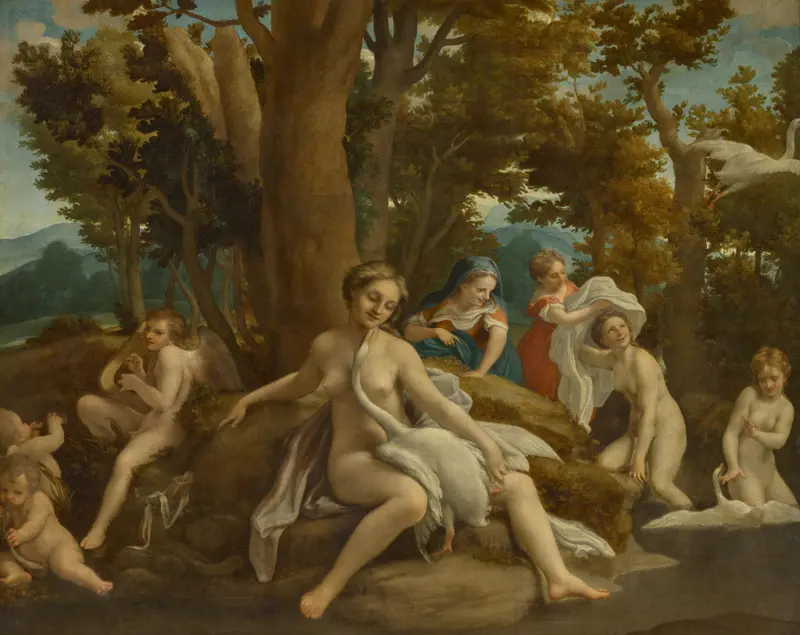
Leda and the Swan
Antonio da Correggio
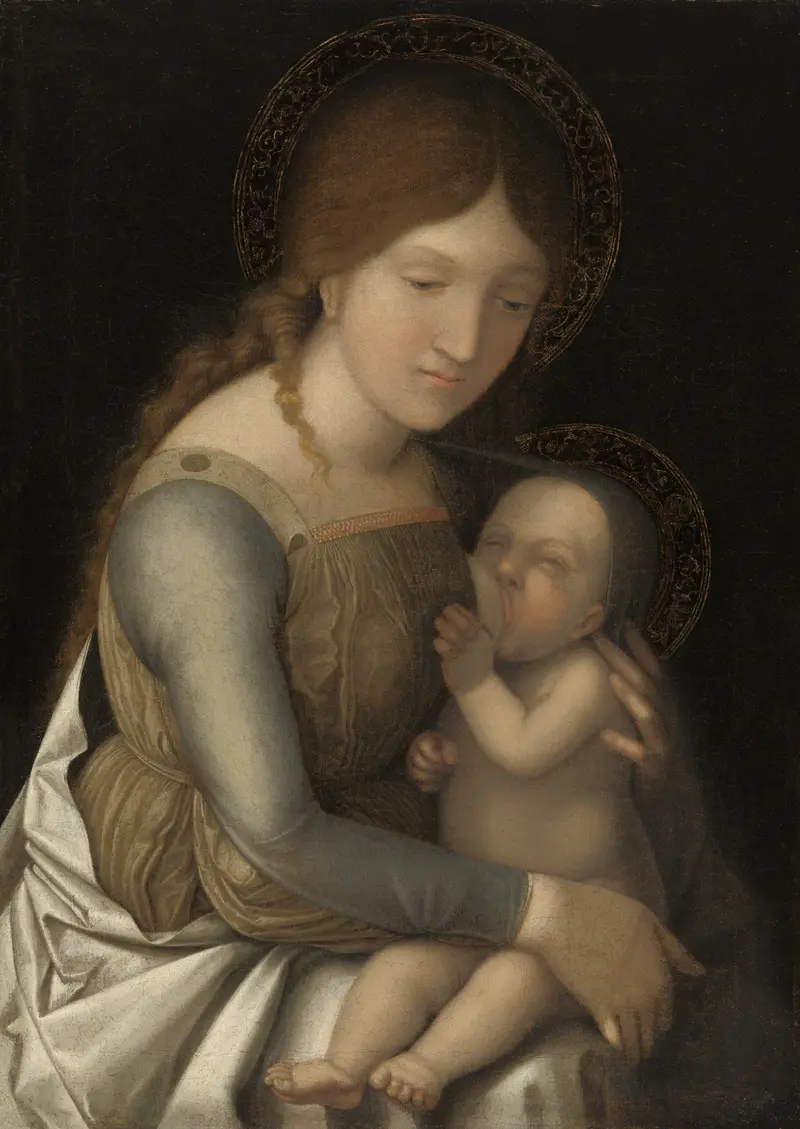
Madonna and Child
Antonio da Correggio
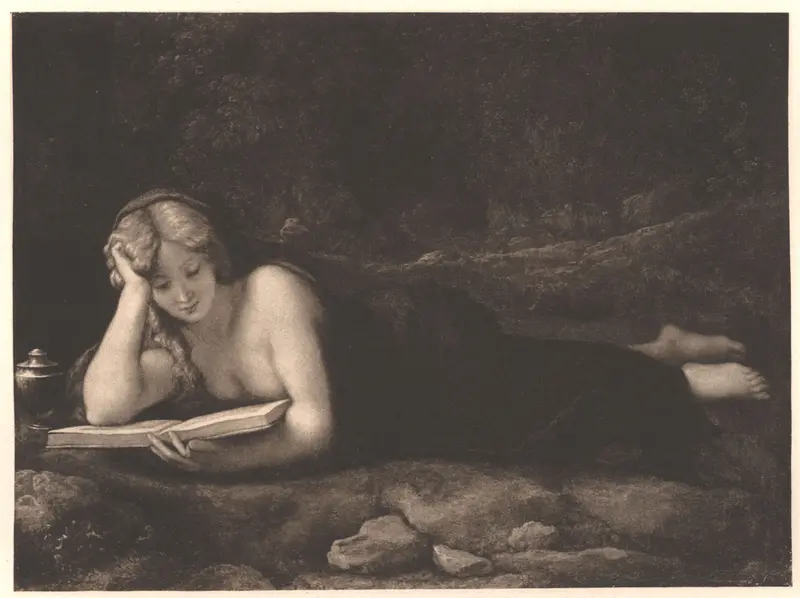
Penitent Magdalene
Antonio da Correggio
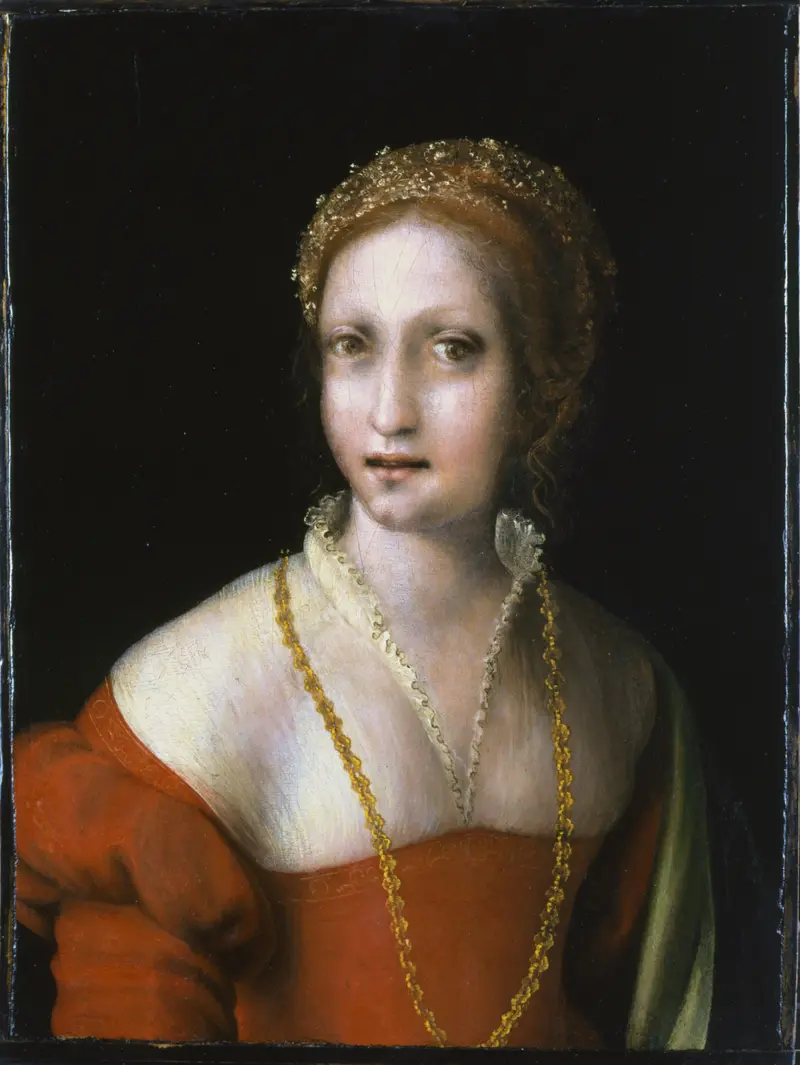
Portrait of a Young Girl
Antonio da Correggio
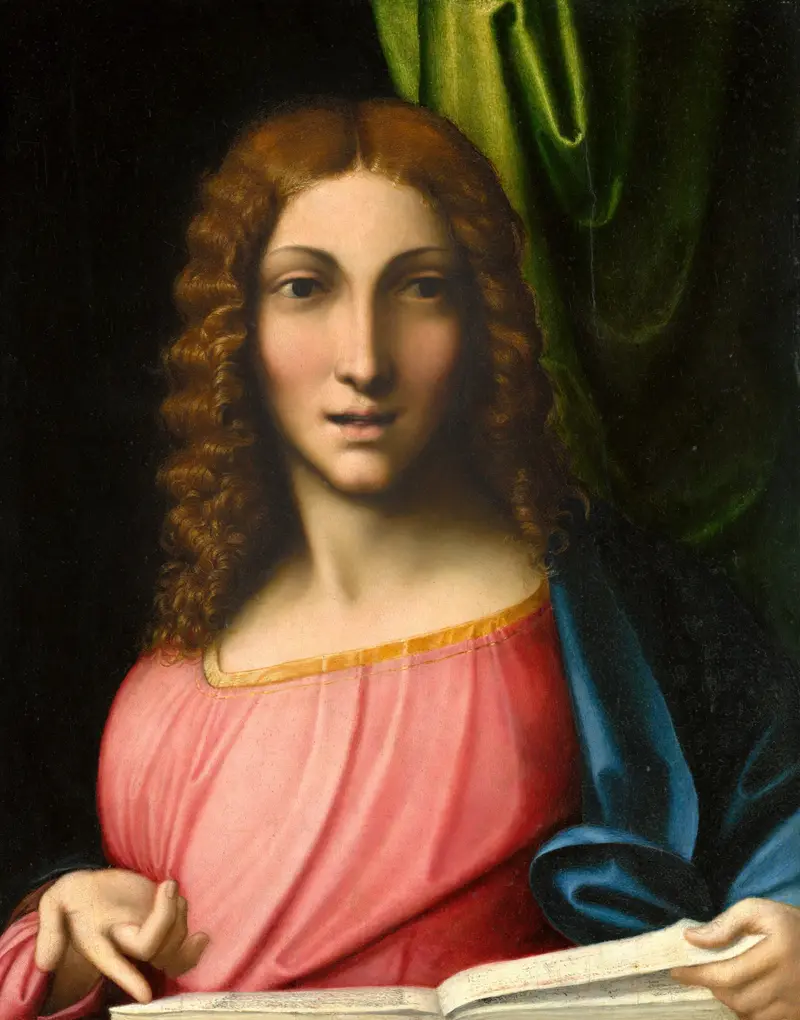
Christ in the Temple
Antonio da Correggio

Nativity
Antonio da Correggio
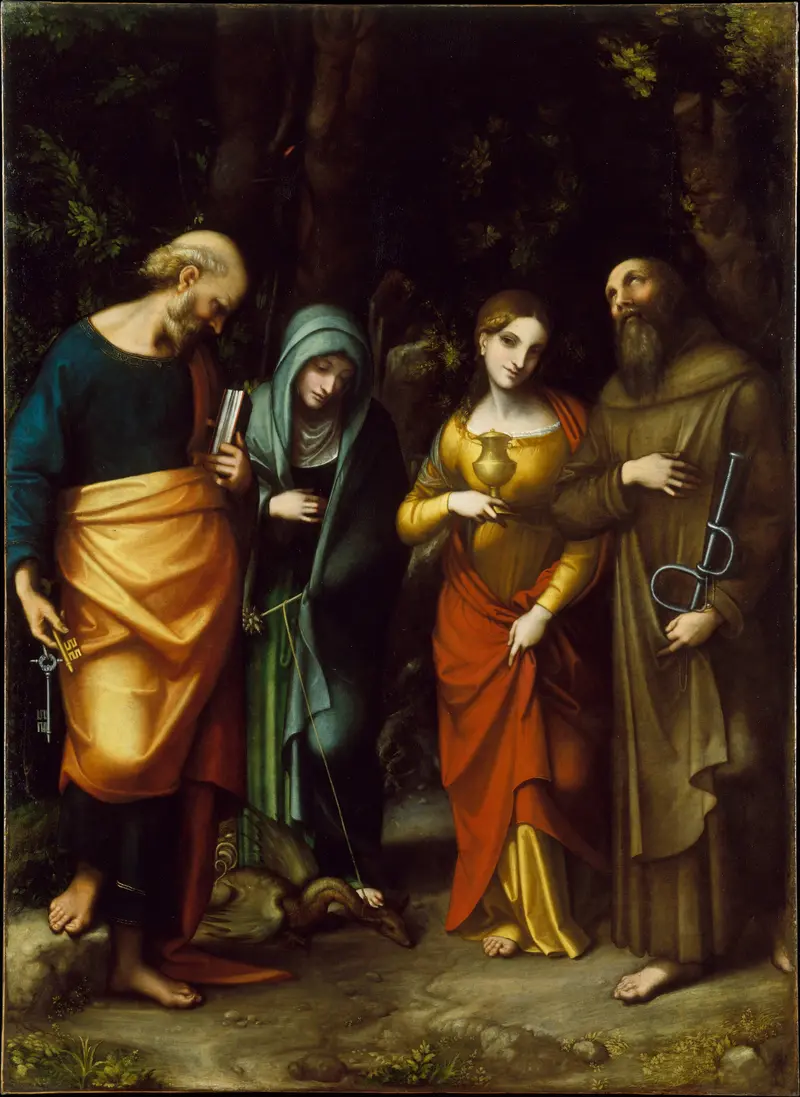
Saints Peter, Martha, Mary Magdalen, and Leonard
Antonio da Correggio
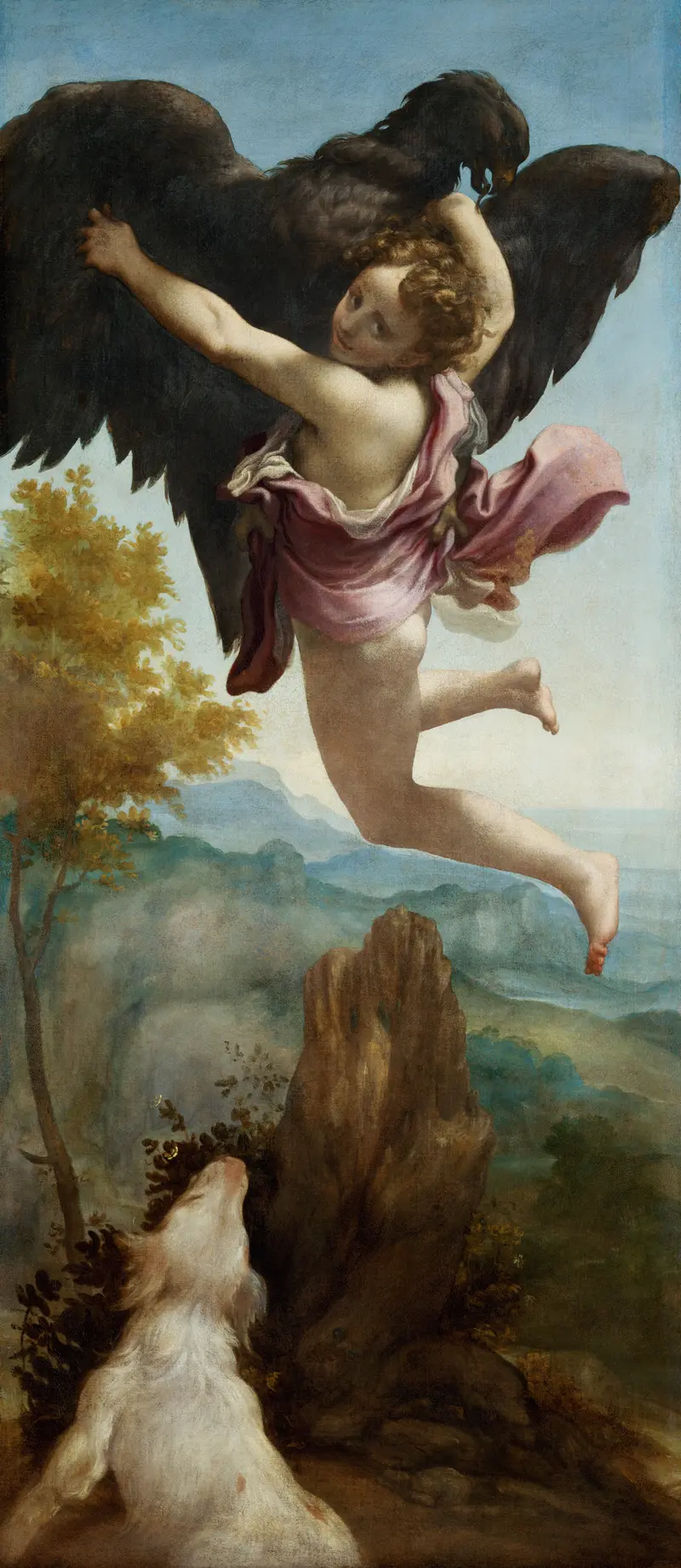
The Loves of Jupiter
Antonio da Correggio

Study for the "Madonna della Scodella" [recto]
Antonio da Correggio





