
Portrait of a man with a hat — History & Facts
In 1910, Portrait of a man with a hat was attributed to Frans Hals by the renowned Dutch art historian Cornelis Hofstede de Groot, sparking both excitement and debate among scholars. The sitter’s identity remains a mystery, and over the years, various theories have been proposed, but none confirmed. The painting’s bravura brushwork and lively expression, however, are unmistakably linked to Hals’s celebrated style, which was already drawing attention in his own lifetime.
This work stands as a vivid example of the Haarlem portrait boom of the 1630s, when the city’s prosperous citizens clamored for likenesses by the most fashionable painters. The lack of documentation about the commission only deepens the intrigue surrounding the man’s confident gaze. The man, captured in three-quarter view, turns slightly towards the viewer, his lips parted as if caught mid-conversation. His wide-brimmed hat casts a soft shadow across his brow, while his gloved hand rests nonchalantly on his hip—a gesture of ease and self-assurance.
The loose, fluid brushstrokes of the collar and coat suggest both the texture of fine fabric and a certain informality, a hallmark of Hals’s approach. Unlike the more formal, static portraits of Rembrandt or Van Dyck, Hals animates his sitter, giving the impression of a fleeting encounter rather than a staged sitting. The play of light across the man’s face and the twinkle in his eye hint at a personality both approachable and alert. The painting’s early history is obscure, as is often the case with single-figure portraits from the Dutch Golden Age.
It likely remained in private hands for centuries, its authorship only firmly established in the early twentieth century. Since then, Portrait of a man with a hat has been included in major exhibitions of Hals’s work, contributing to the reassessment of his role in the Baroque movement. Today, it is recognized as a fine example of Hals’s mature period, where his quick, confident brushwork and psychological insight reached their peak.
The painting’s current location is not widely publicized, but it continues to attract scholarly attention and admiration for its lively humanity.
More Artworks by Frans Hals

Banquet of the Officers of the St George Civic Guard
Frans Hals

Portrait of Jacob Pietersz Olycan (1596-1638)
Frans Hals
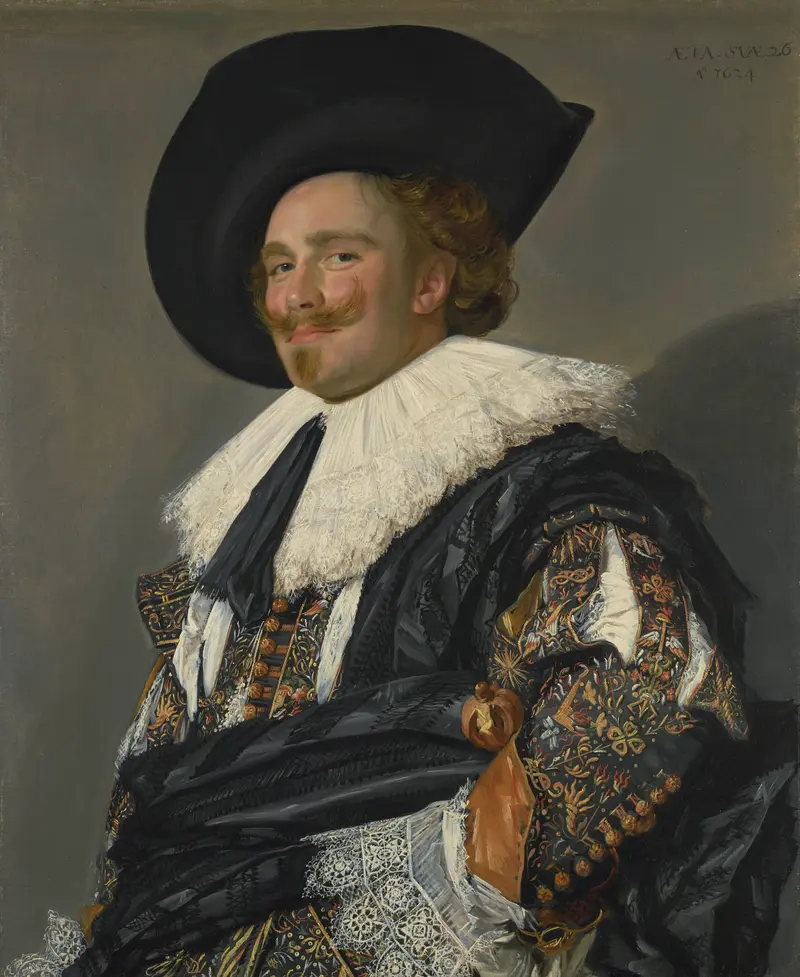
Laughing Cavalier
Frans Hals

Militia Company of District XI under the Command of Captain Reynier Reael, Known as ‘The Meagre Company’
Frans Hals
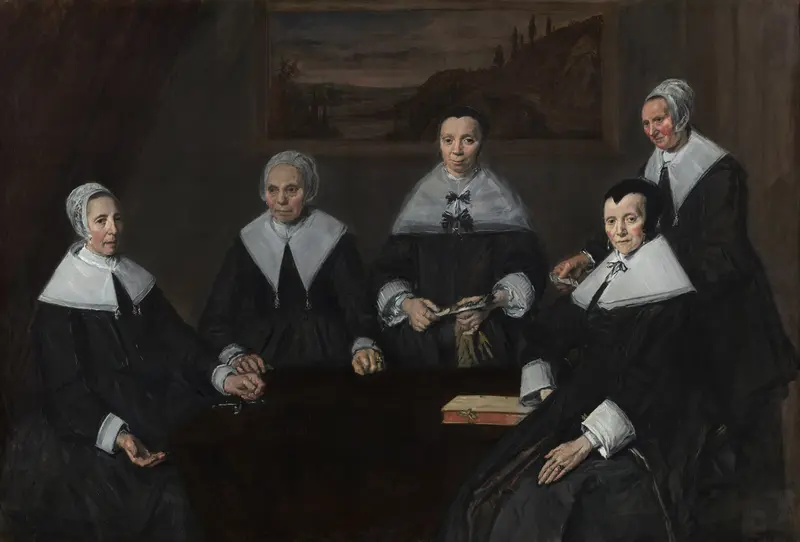
Regentesses of the Old Men's Alms House
Frans Hals
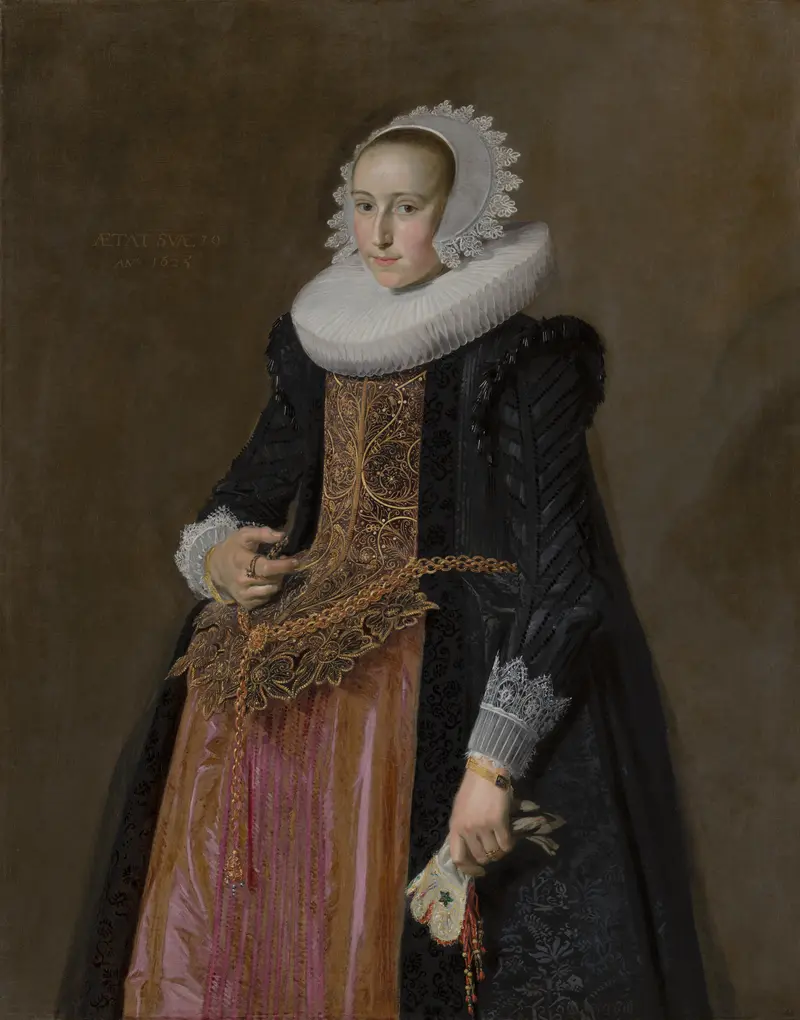
Portrait of Aletta Hanemans (1606–1653)
Frans Hals
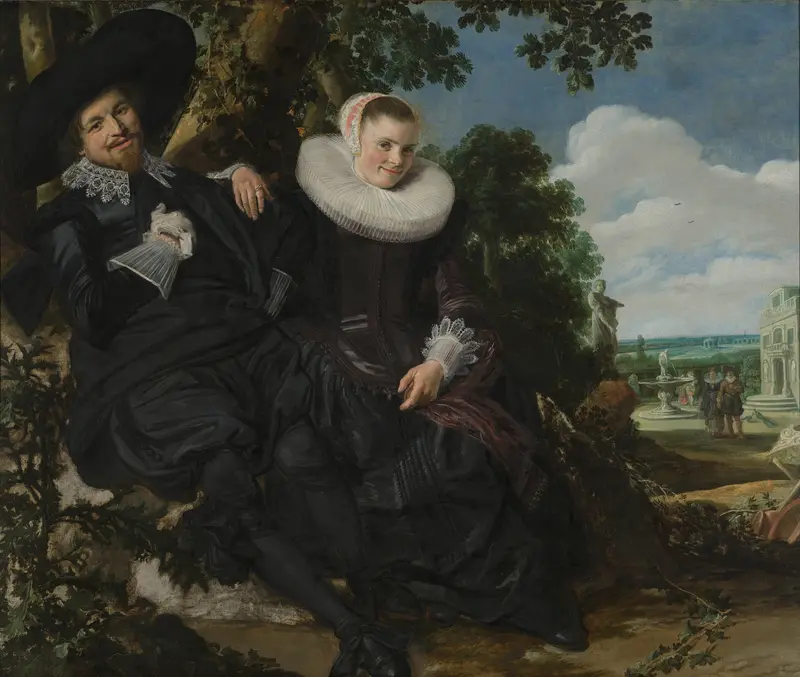
Portrait of a Married Couple, Likely Isaac Abrahamsz Massa and Beatrix van der Laen
Frans Hals
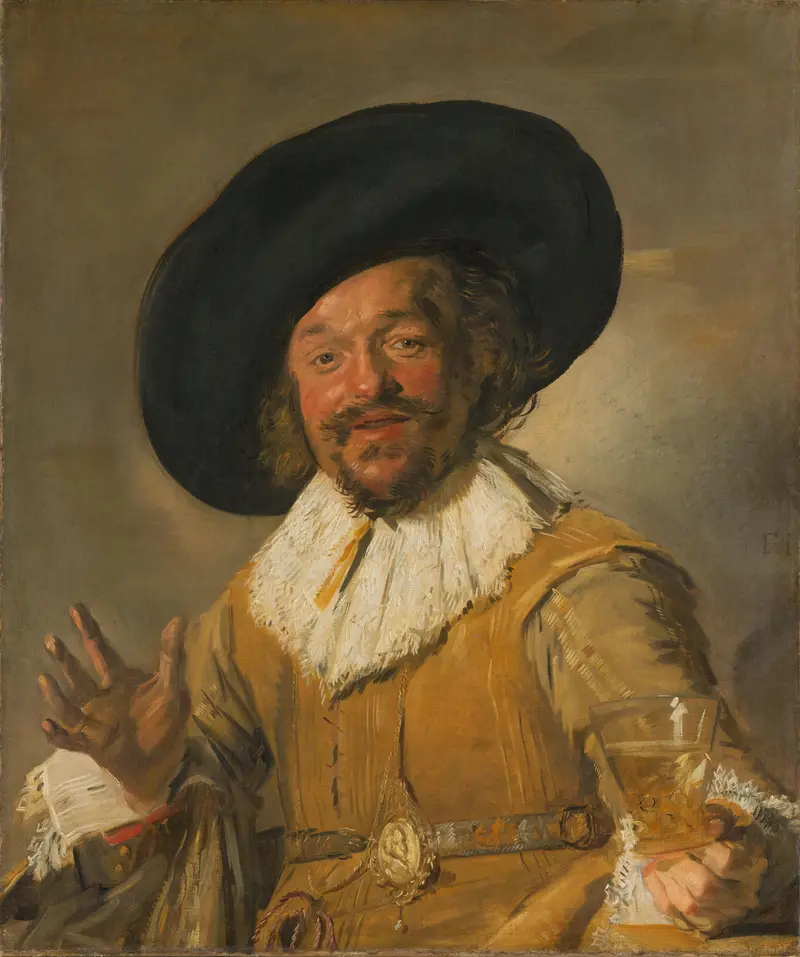
The Merry Drinker
Frans Hals
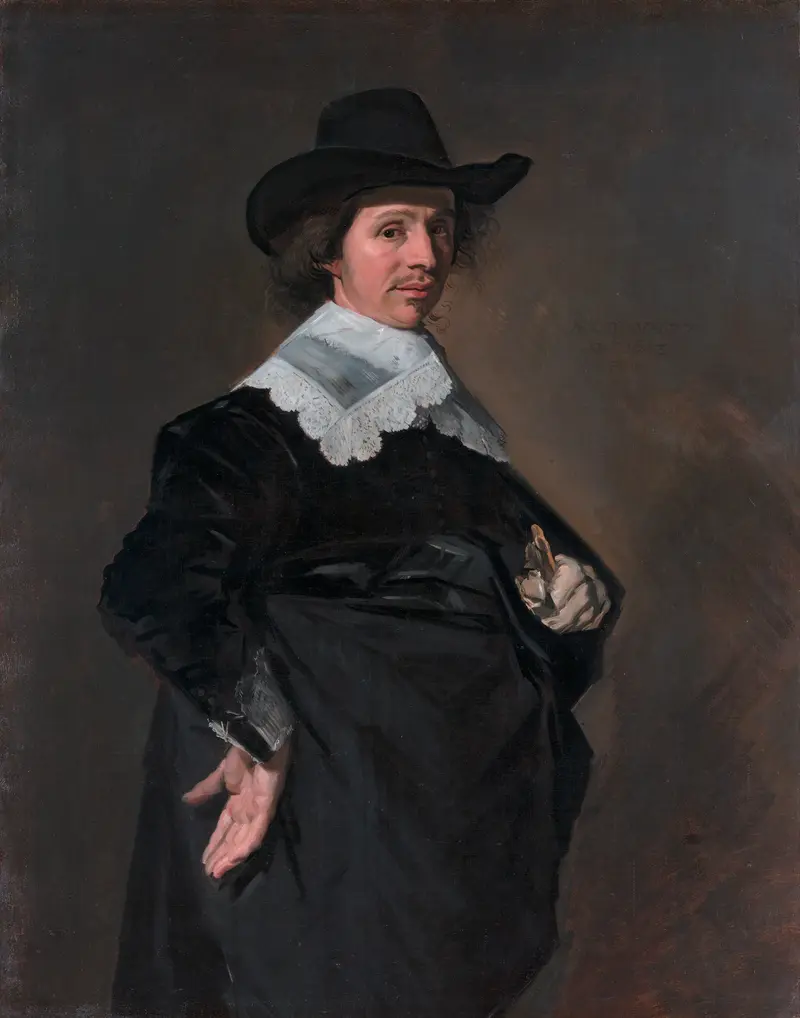
Portrait of Paulus Verschuur
Frans Hals
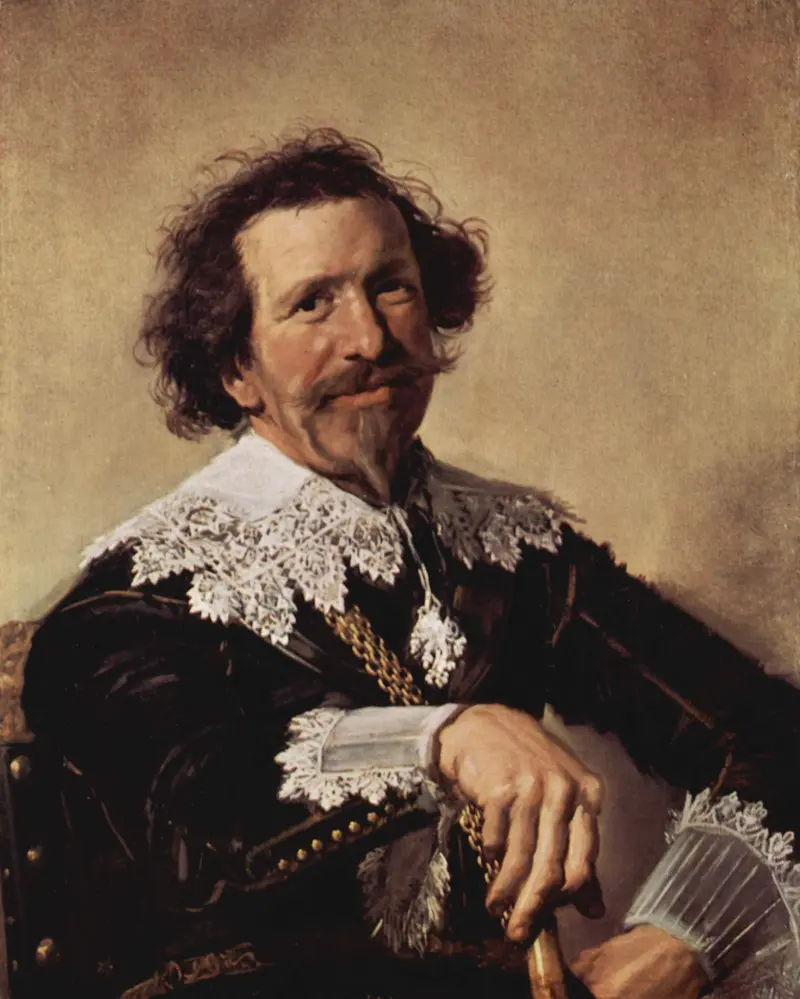
Portrait of Pieter van den Broecke
Frans Hals





