
Portrait of a woman aged 28 — History & Facts
The most intriguing aspect of Portrait of a woman aged 28 is its companion: it was painted as a pendant, likely alongside a portrait of the sitter’s husband, a common practice in Haarlem in the 1630s. These paired likenesses marked significant life events—often marriage—and were intended to hang side by side in the family home, forever linking their subjects in paint. While the identity of the woman remains uncertain, the pendant format suggests a story of union and status, a visual declaration of partnership and prosperity in the Dutch Golden Age. In this work, Frans Hals captures the sitter at the age of 28, her direct gaze and slight smile conveying a sense of immediacy and individuality rare in portraiture of the time.
She is dressed in the sober yet richly detailed attire favored by the Dutch bourgeoisie: a black gown, delicate lace collar, and a gleaming chain. Her hands, carefully posed, display a wedding ring and a fan—symbols of her marital status and refinement. The light falls crisply across her face and hands, animating her features with the lively brushwork that distinguishes Hals from his contemporaries such as Rembrandt, whose portraits often favor introspection over Hals’s lively realism. The precise circumstances of the painting’s commission are lost, as is often the case with Frans Hals’s portraits, but its style and format place it firmly in the productive middle years of his career, around 1634.
Over the centuries, the painting has passed through private collections and, like many of Hals’s works, has at times been separated from its original pendant. Today, Portrait of a woman aged 28 is recognized as a prime example of Hals’s ability to capture personality and social standing in a single moment, and it continues to be studied for its lively technique and insight into Dutch society of the period.
More Artworks by Frans Hals

Banquet of the Officers of the St George Civic Guard
Frans Hals

Portrait of Jacob Pietersz Olycan (1596-1638)
Frans Hals
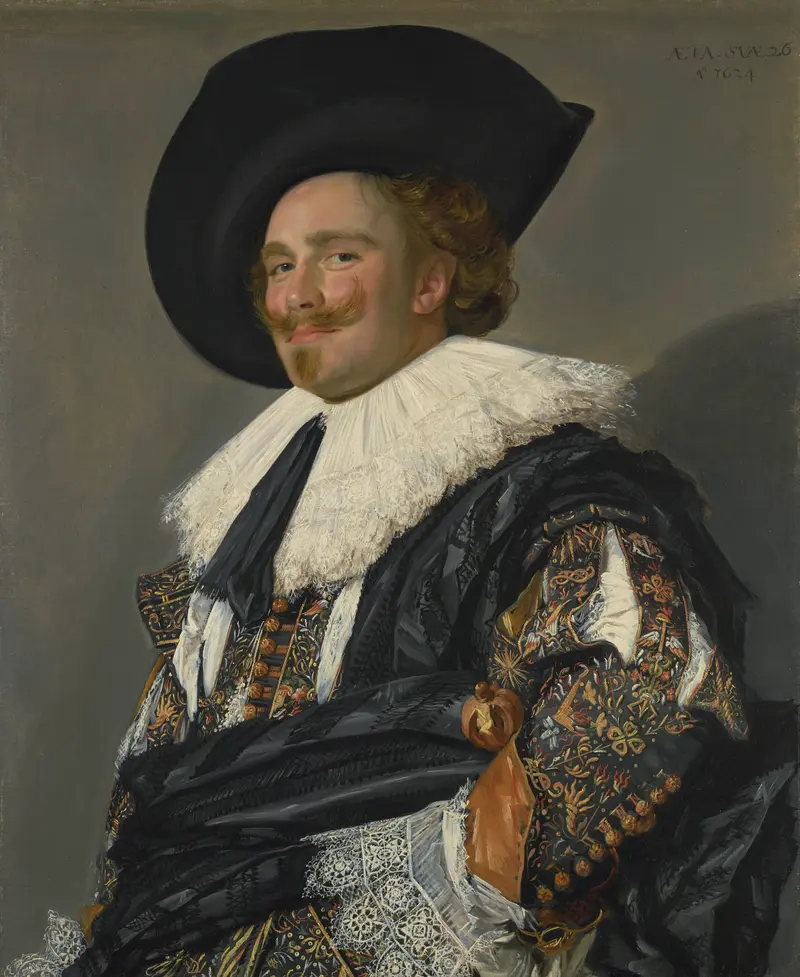
Laughing Cavalier
Frans Hals

Militia Company of District XI under the Command of Captain Reynier Reael, Known as ‘The Meagre Company’
Frans Hals
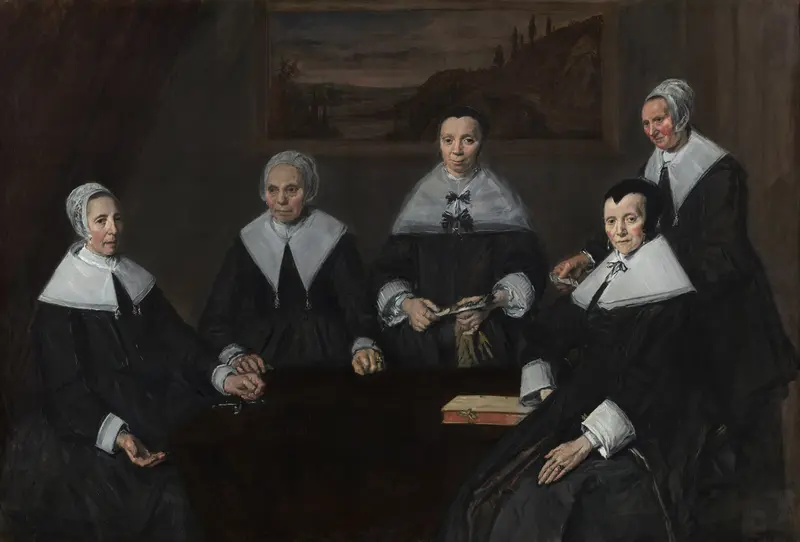
Regentesses of the Old Men's Alms House
Frans Hals
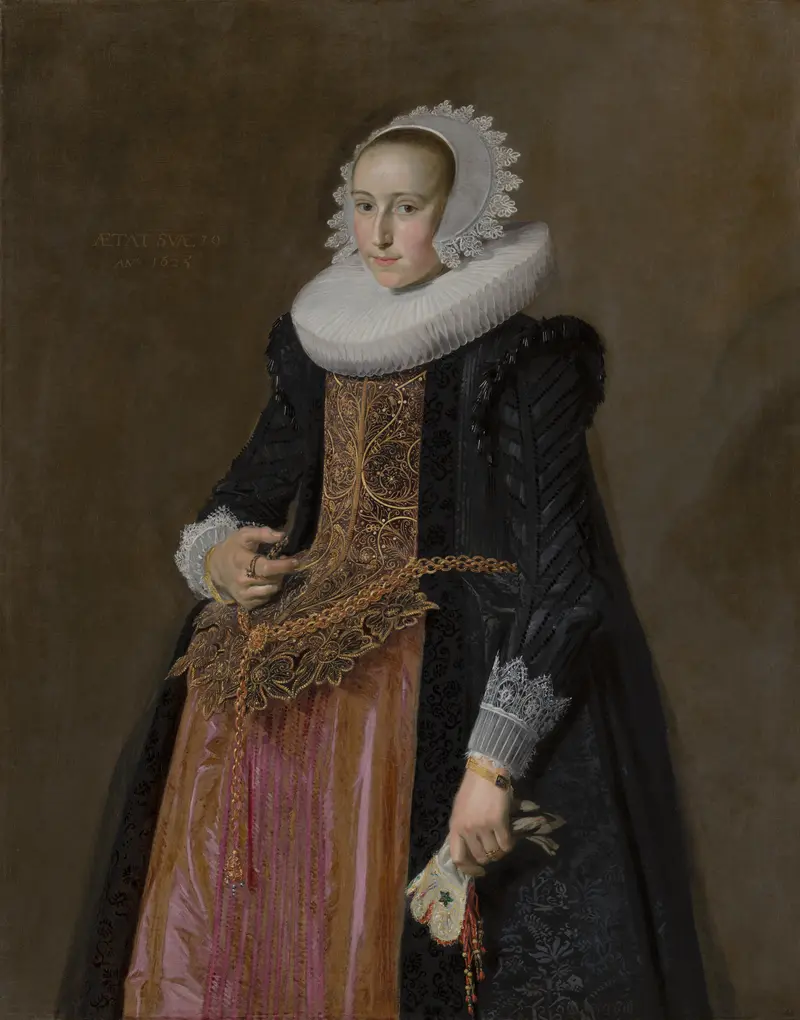
Portrait of Aletta Hanemans (1606–1653)
Frans Hals
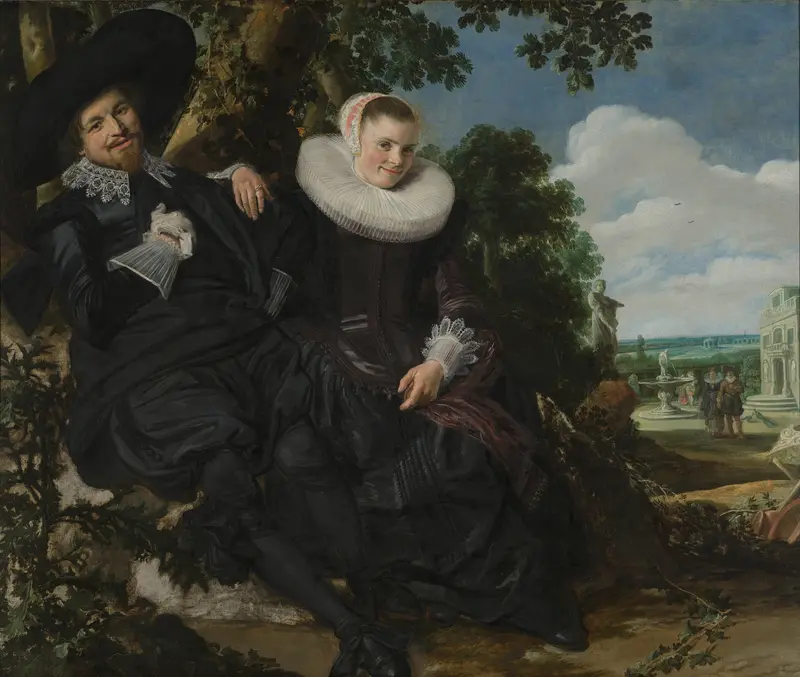
Portrait of a Married Couple, Likely Isaac Abrahamsz Massa and Beatrix van der Laen
Frans Hals
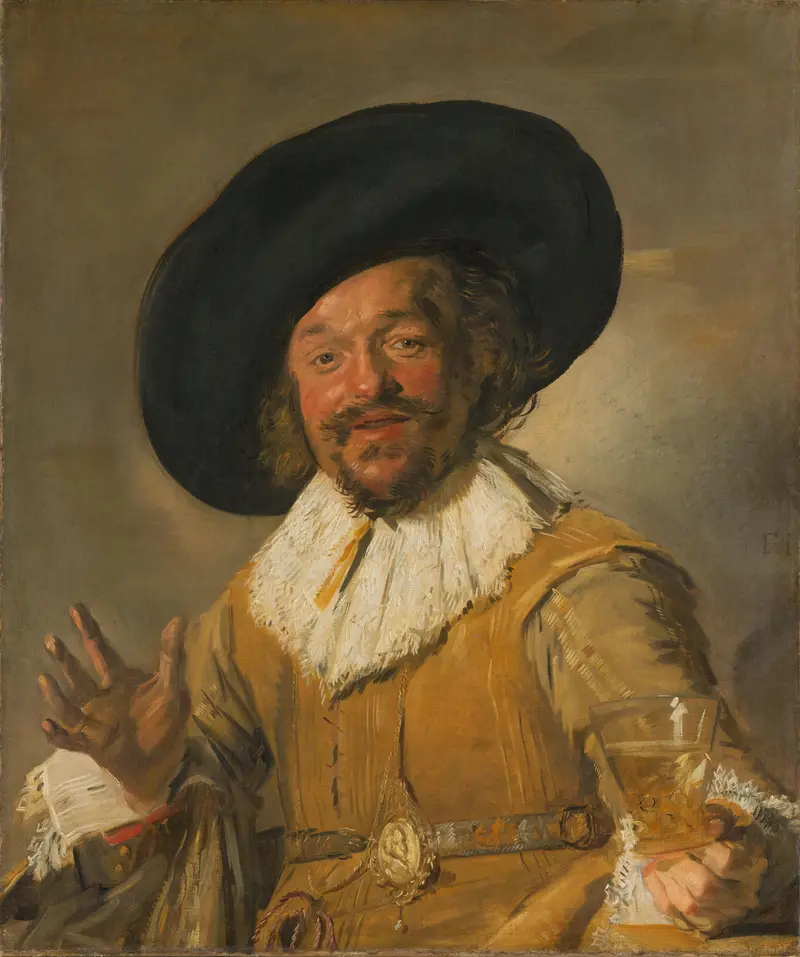
The Merry Drinker
Frans Hals
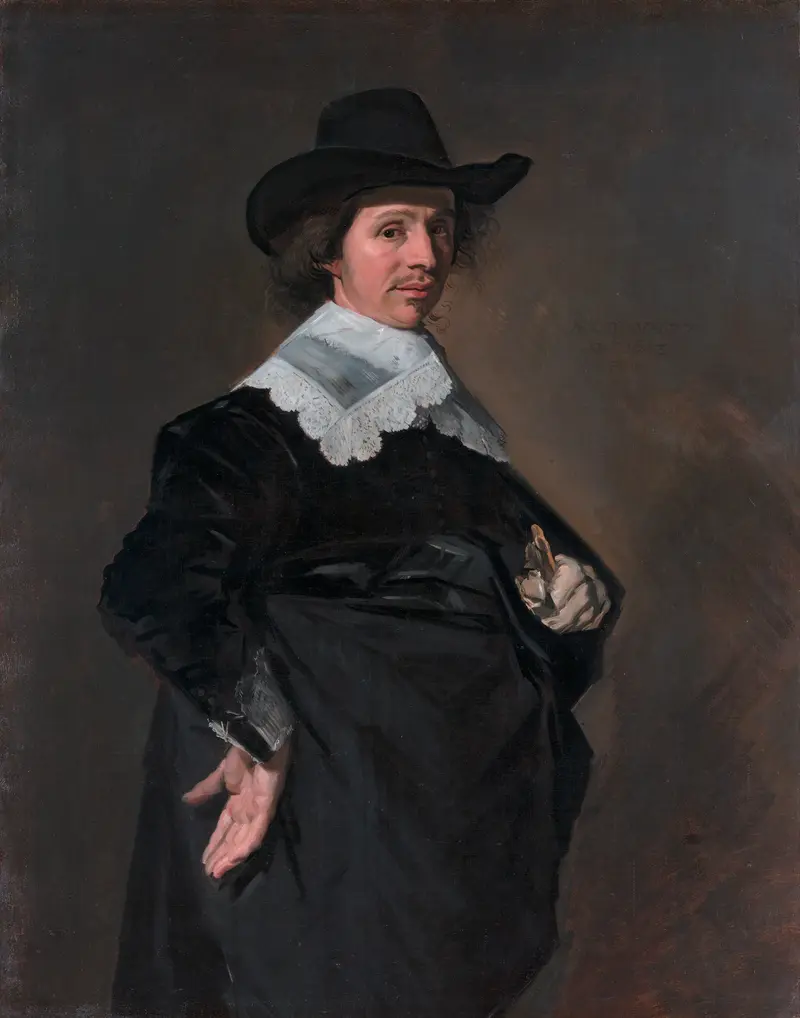
Portrait of Paulus Verschuur
Frans Hals
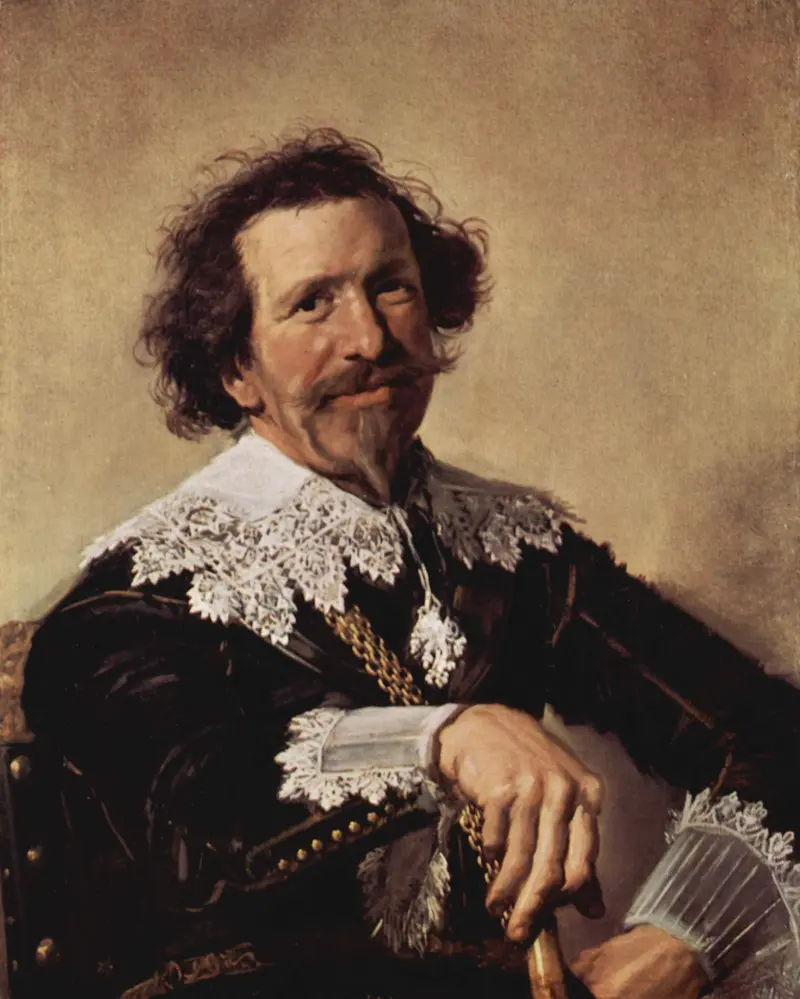
Portrait of Pieter van den Broecke
Frans Hals





