
Portrait of a Woman — History & Facts
What first draws the eye in Portrait of a Woman by Arnold Peter Weisz-Kubínčan is the direct, almost challenging gaze of the sitter. The artist has chosen to fill the frame with her presence, cropping the composition tightly so that her face dominates, her dark hair melting into the greenish background. The brushwork is lively and visible, especially in the yellow garment that seems to flicker with energy, while the face is modeled with more care, capturing a flush of life in the cheeks and the subtle arch of an eyebrow.
There is a sense of immediacy here, as if the woman has just turned to meet our eyes, her expression guarded yet searching, inviting the viewer to wonder what thoughts lie behind her steady look. Painted in 1920, this work belongs to a period of rapid change in Central Europe, when portraiture was both a personal and political act. Artists like Weisz-Kubínčan—working in the aftermath of World War I and on the edge of modernism—often used portraiture to assert individuality in a world unsettled by shifting borders and new ideas. The style here is loose, modern, unafraid to leave brushstrokes visible, and the choice of color and composition speaks to a desire to capture more than likeness: to hint at the sitter’s inner life.
Now held in the Slovak National Gallery, this painting stands as one of the few direct encounters we have with both artist and subject, the kind of image that asks us to look again, searching for the story behind the gaze.
More Artworks by Arnold Peter Weisz-Kubínčan

Landscape with houses
Arnold Peter Weisz-Kubínčan
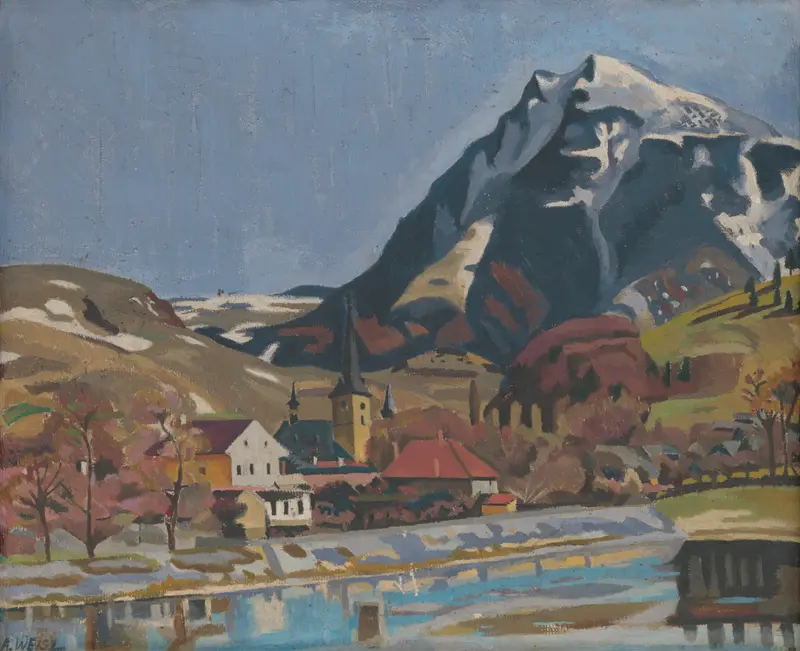
Pohľad na Dolný Kubín O 1923 Orava Gallery
Arnold Peter Weisz-Kubínčan
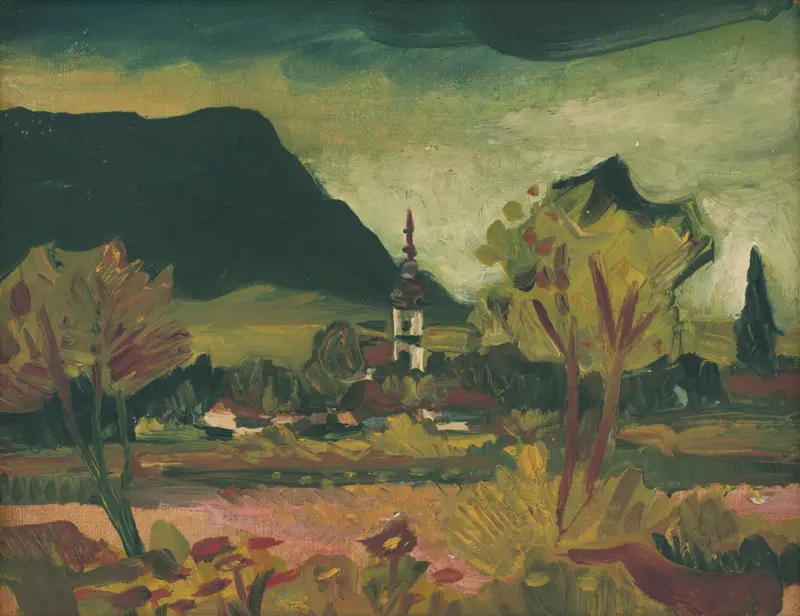
Veličná O 2014 Orava Gallery
Arnold Peter Weisz-Kubínčan
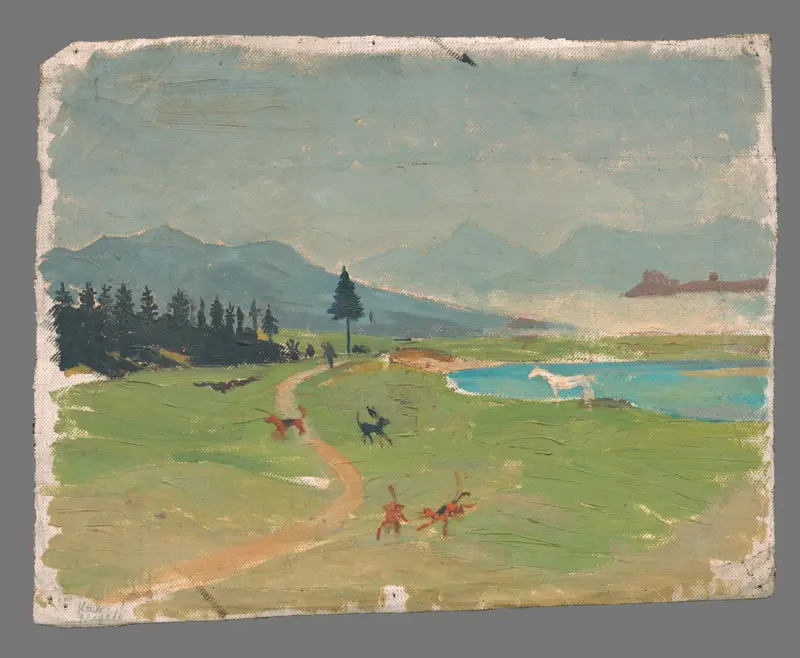
Blue Bay
Arnold Peter Weisz-Kubínčan
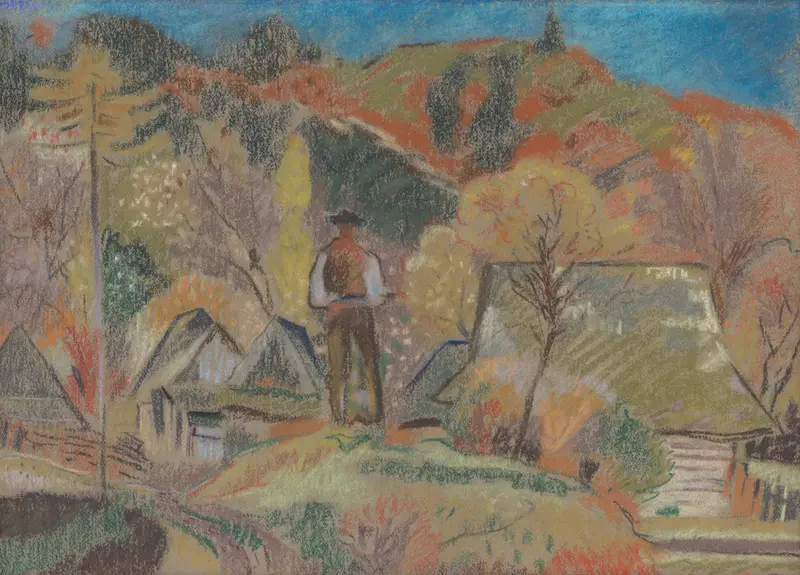
Nad dedinou O 1278 Orava Gallery
Arnold Peter Weisz-Kubínčan
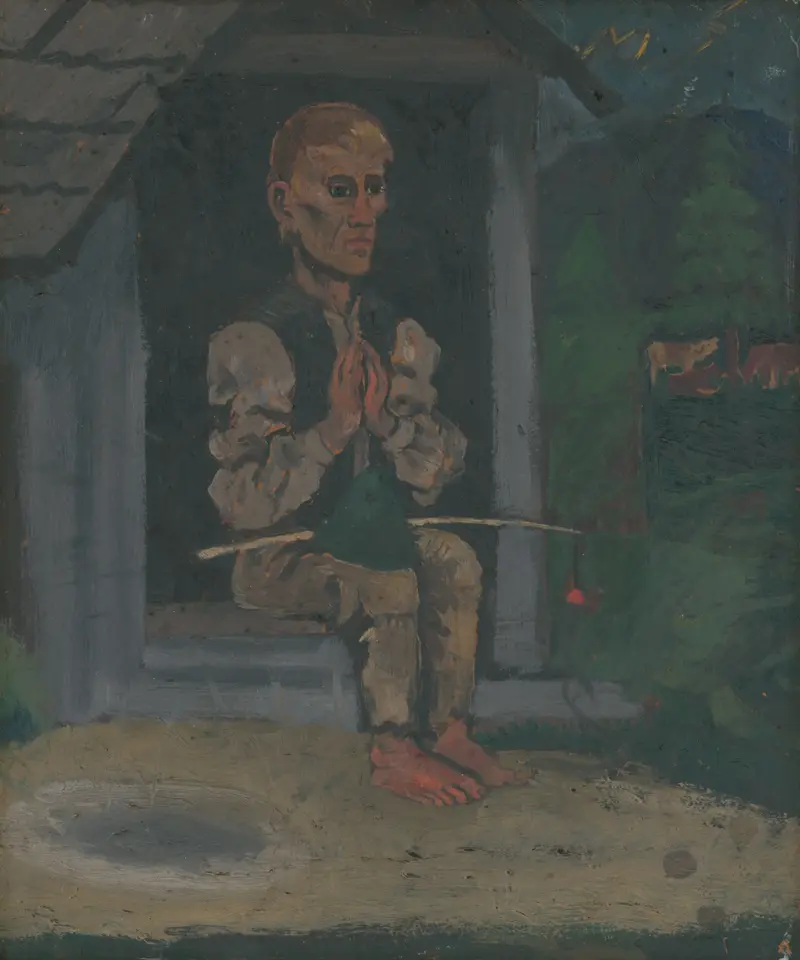
Pastieri O 197 Orava Gallery
Arnold Peter Weisz-Kubínčan
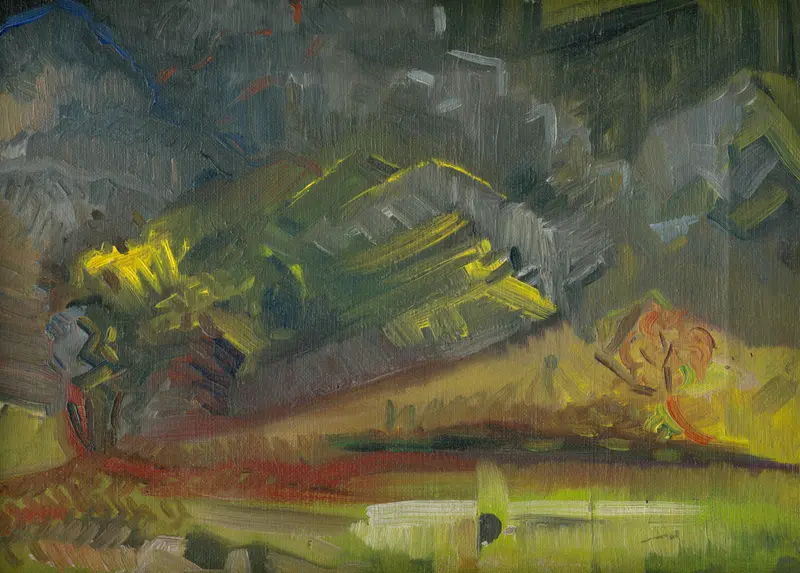
Večerná krajina O 4464 Slovak National Gallery
Arnold Peter Weisz-Kubínčan
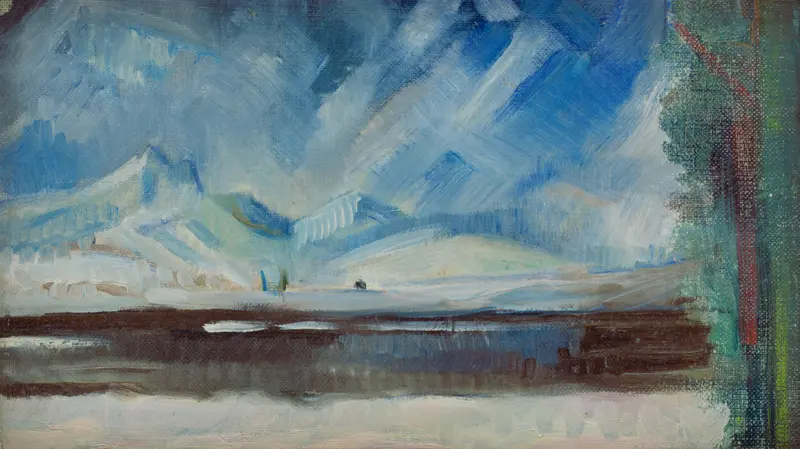
Winter Landscape
Arnold Peter Weisz-Kubínčan
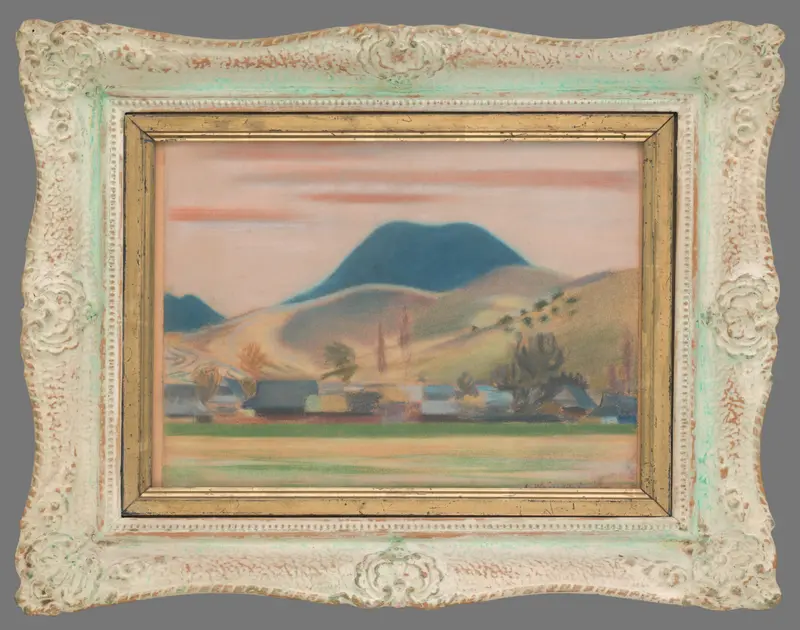
Oravský motív M 357 Ernest Zmeták Art Gallery
Arnold Peter Weisz-Kubínčan
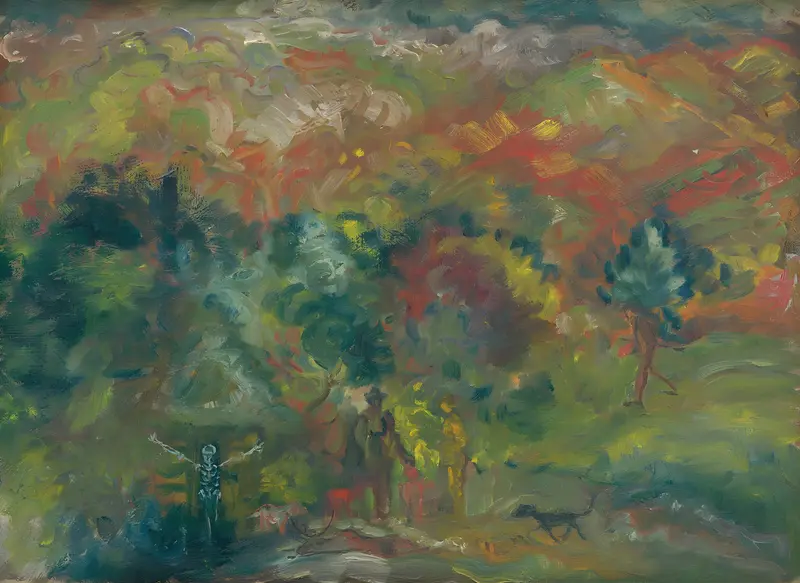
Hunters and Death
Arnold Peter Weisz-Kubínčan





