
Portrait of a woman in black. — History & Facts
What first grips the viewer in Portrait of a woman in black is the way the sitter’s gaze seems to both meet and evade your own, caught somewhere between confrontation and withdrawal. The brushwork is raw, almost sculptural, with thick, visible strokes building the planes of her face. Her cheeks are mottled with the flush of life, yet her eyes are distant, their blue-grey depths ringed with fatigue or worry.
The darkness of her dress is not merely a costume but a frame, pressing her features forward into the dim, swirling background. Light falls unevenly, catching on her brow and cheekbones, as if the world outside the frame is uncertain, shifting. This work belongs to the final decades of the nineteenth century, a time when portraiture was shedding its formal stiffness in favor of psychological depth. Painters like Albert Gottschalk—working somewhere between 1884 and 1900—were part of this shift, exploring the inner life of their subjects through loose, expressive technique.
Such portraits were often commissioned by families or painted for personal study, intended to capture not just likeness but mood and circumstance. Today, the painting is held in the collection of bruun-rasmussen.dk, a reminder of an era when artists and sitters alike faced the modern world’s uncertainties. Look again at those eyes: they hold the weight of a story that refuses to settle into easy answers.
More Artworks by Albert Gottschalk
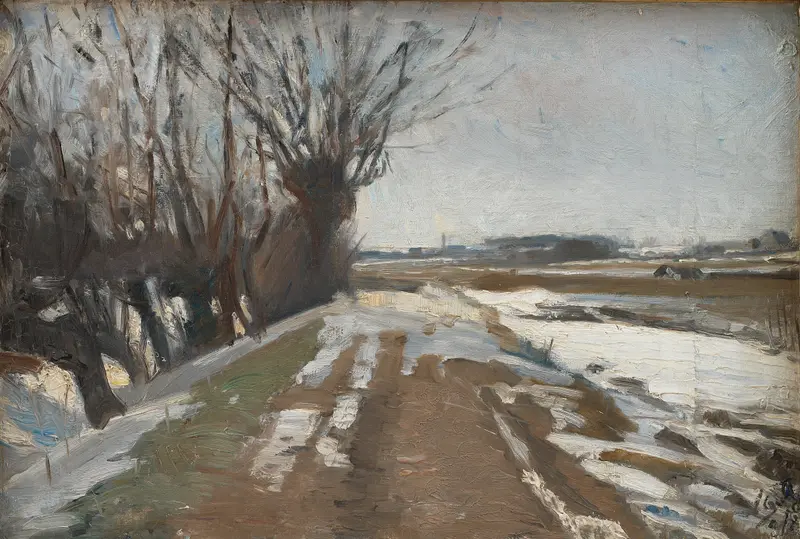
Winter Landscape. Utterslev near Copenhagen
Albert Gottschalk
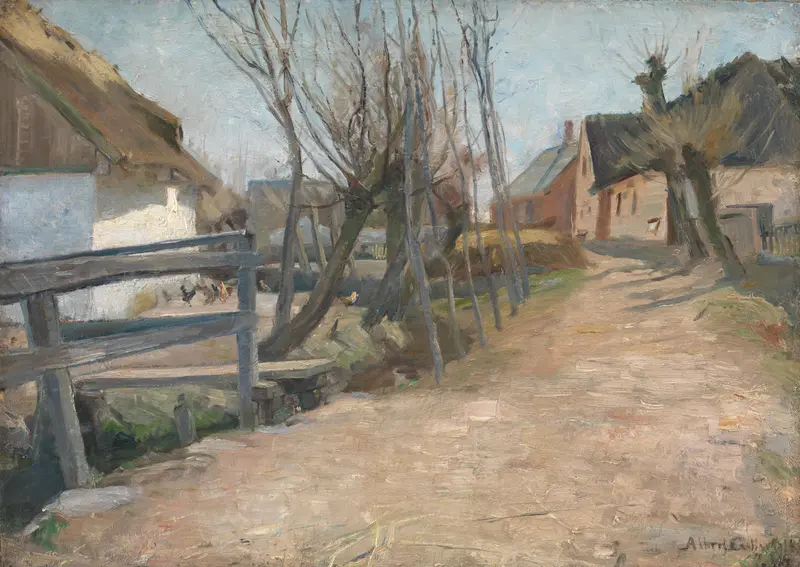
Tidlig forårsdag i Glostrup
Albert Gottschalk
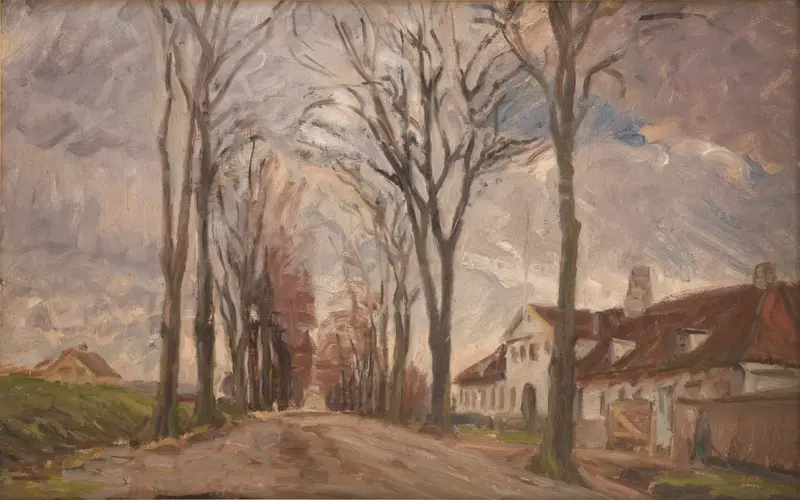
Lyngbyvejen ved Vintappergården
Albert Gottschalk
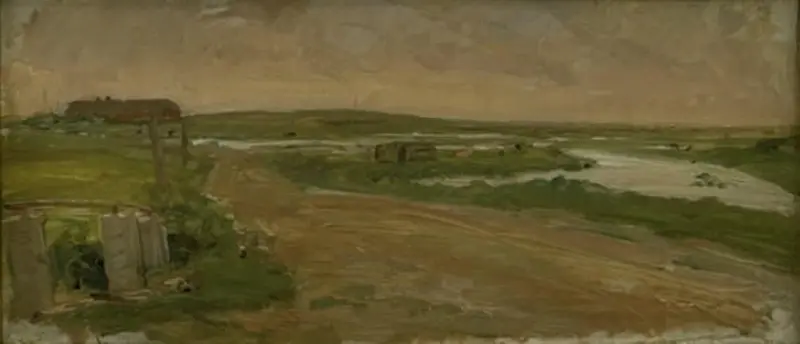
Vestjysk landskab. Holmsland
Albert Gottschalk
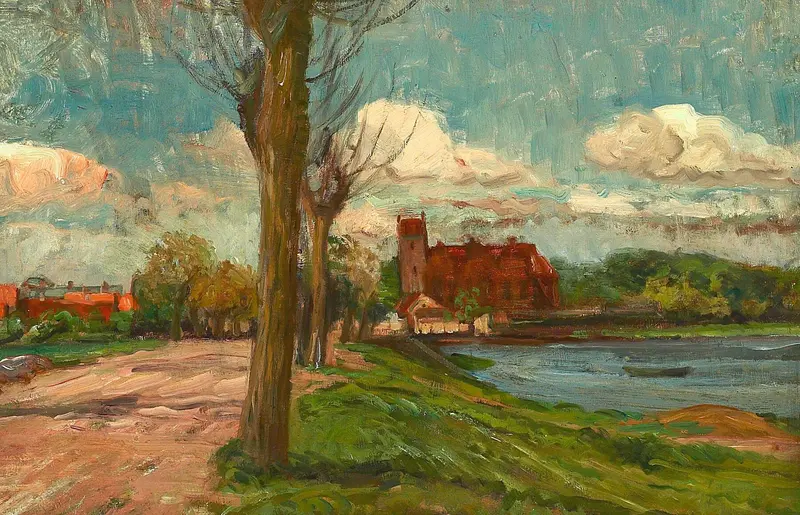
A road leading to a small town with a church.
Albert Gottschalk
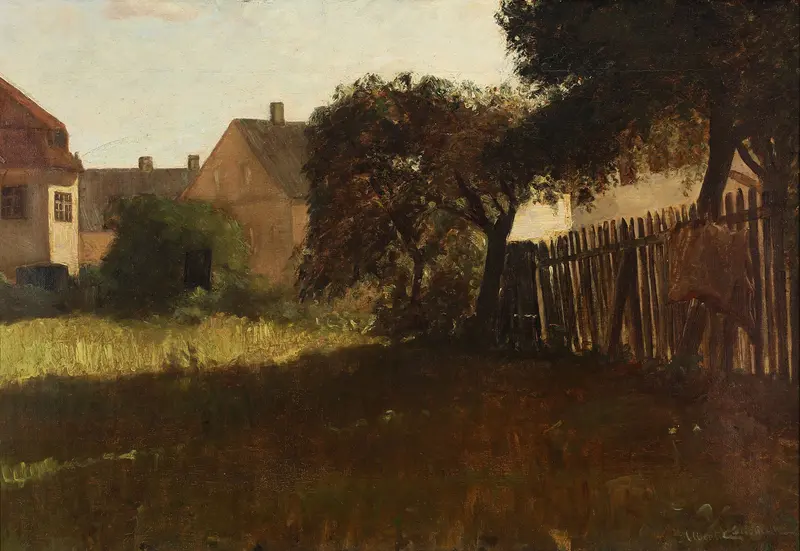
A summer day in a Garden in Vesterbro, Copenhagen
Albert Gottschalk
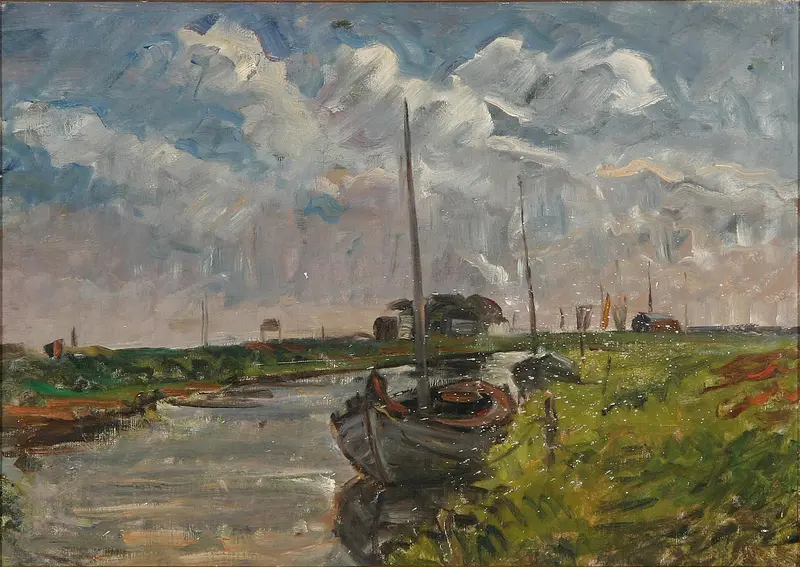
A canal with a boat.
Albert Gottschalk
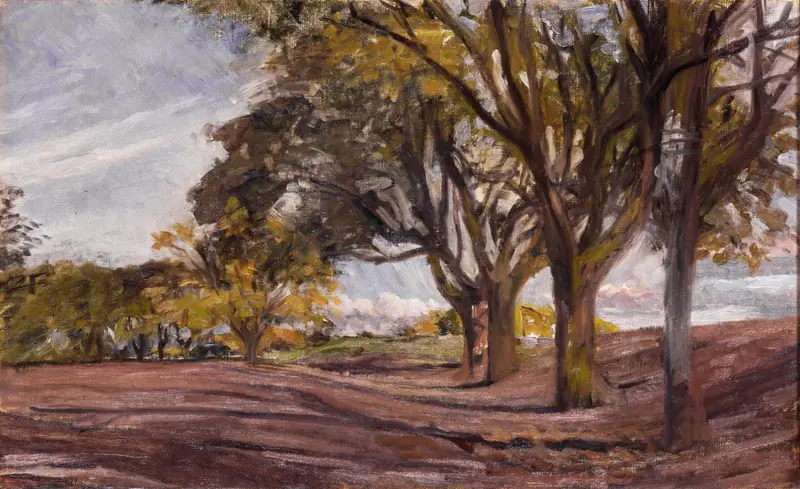
Chestnut Avenue at the Hermitage.
Albert Gottschalk
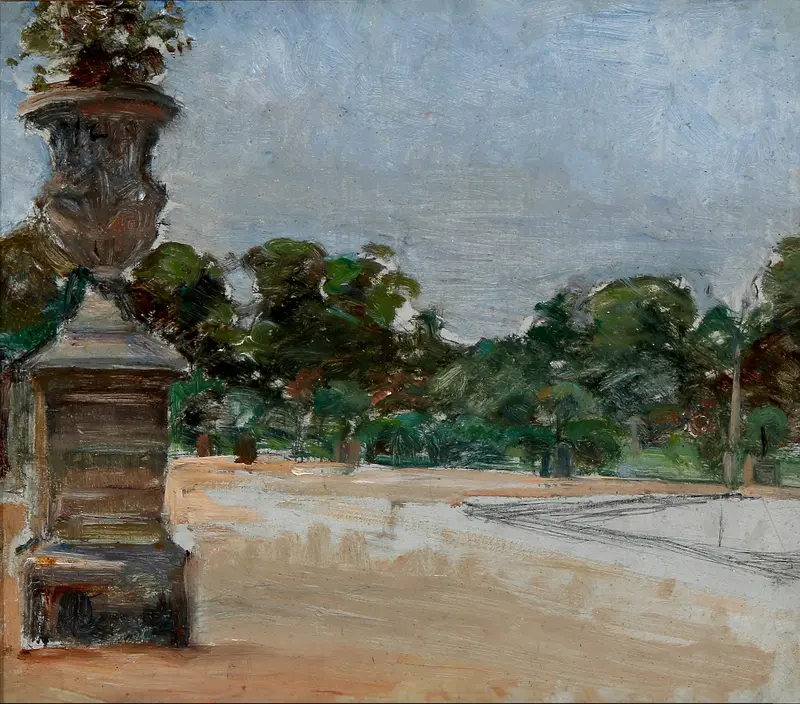
From the Tuileries Garden in Paris
Albert Gottschalk
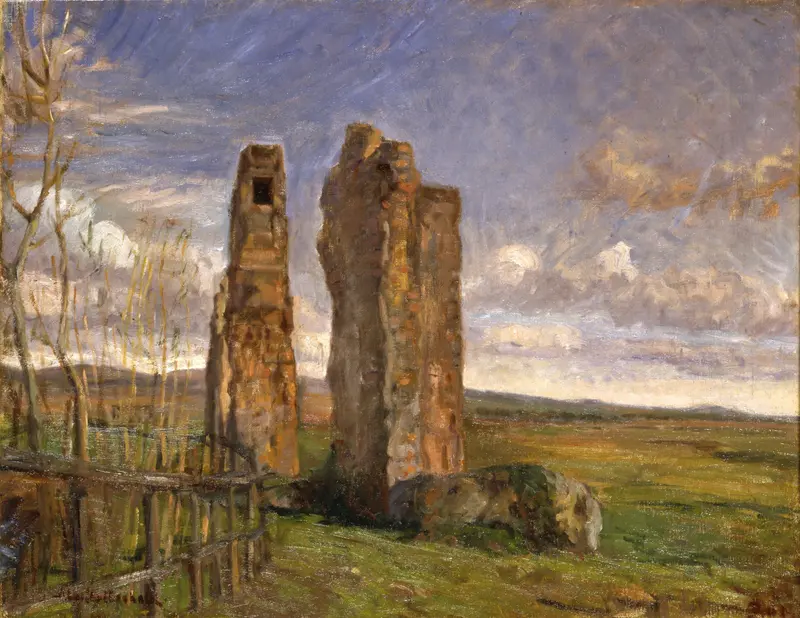
Ruins in Campagna
Albert Gottschalk





