
Chestnut Avenue at the Hermitage. — History & Facts
The first thing that draws the eye in Chestnut Avenue at the Hermitage is the play of shadow and light across the earth, cast by a row of chestnut trees whose trunks stand like sentinels. The brushwork is loose, almost hurried, as if Albert Gottschalk was racing to catch the shifting light of late afternoon. The ground is a tapestry of purples and browns, scored by the long, cool shadows of the trees, while the foliage overhead is rendered in quick, gestural strokes of green and ochre.
The sky, pale and streaked with cloud, opens up the left side of the canvas, guiding the viewer’s gaze along the avenue and into the distance. It is a painting that invites you to step inside, to feel the crispness of the air and the hush of a quiet path. Painted around 1905, this work belongs to a moment when Danish artists like Gottschalk were absorbing the innovations of French Impressionism and adapting them to northern light and landscape. Such paintings were often created for private collectors or as studies for larger works, capturing the fleeting moods of familiar places.
The Hermitage, a royal hunting lodge north of Copenhagen, was a favored subject for artists seeking to balance nature’s wildness with the order of human design. Today, this painting rests in the collection of davidmus.dk, a reminder of a time when even a simple avenue of trees could become a stage for the drama of light and season. Look again at the shadows—they are as alive as the trees themselves.
More Artworks by Albert Gottschalk
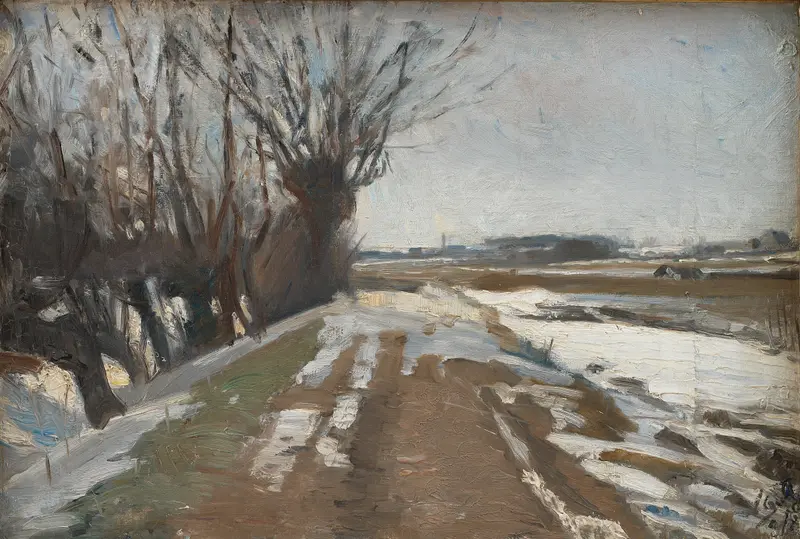
Winter Landscape. Utterslev near Copenhagen
Albert Gottschalk
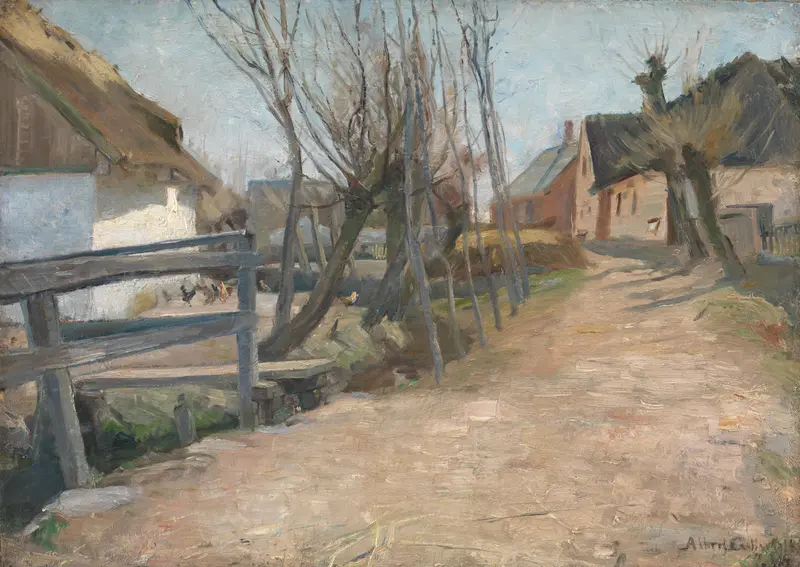
Tidlig forårsdag i Glostrup
Albert Gottschalk
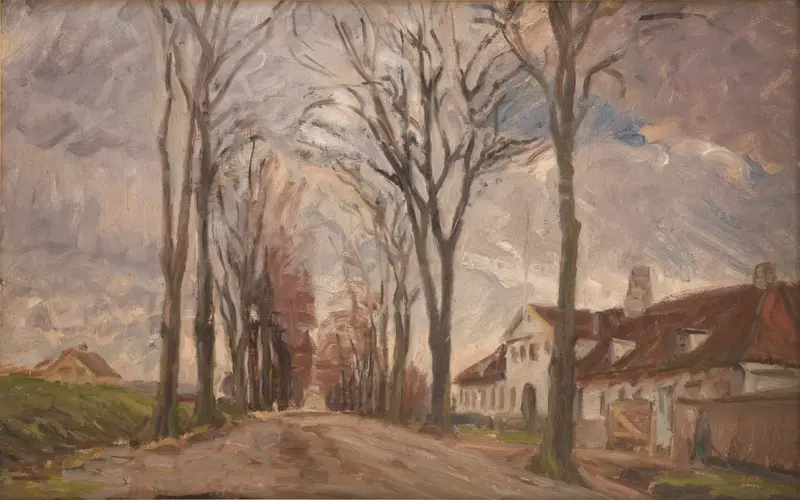
Lyngbyvejen ved Vintappergården
Albert Gottschalk
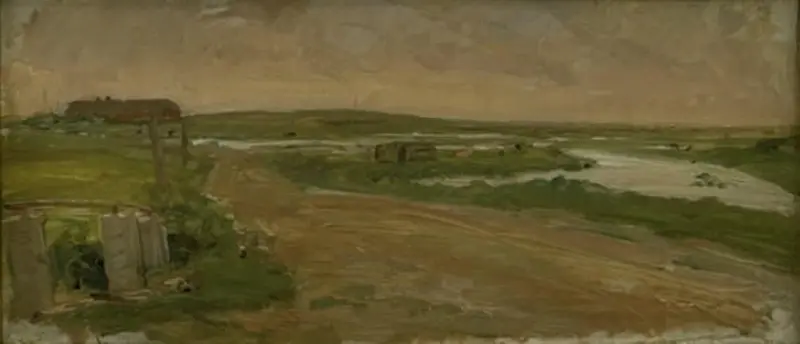
Vestjysk landskab. Holmsland
Albert Gottschalk
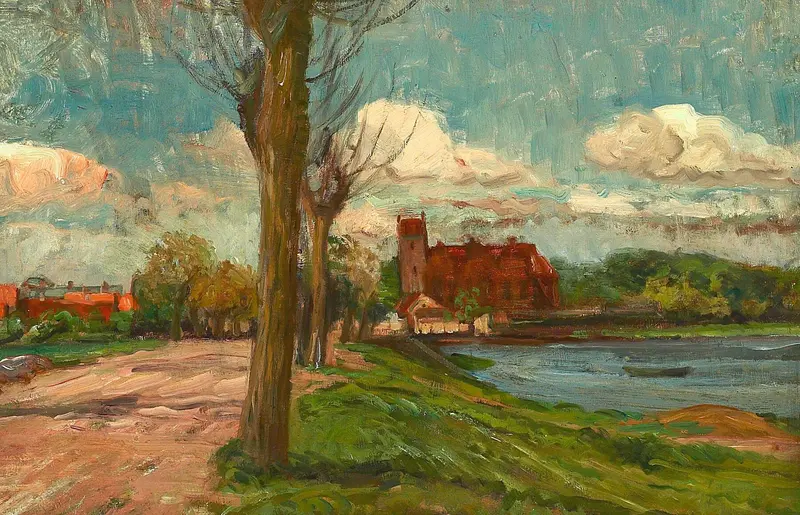
A road leading to a small town with a church.
Albert Gottschalk
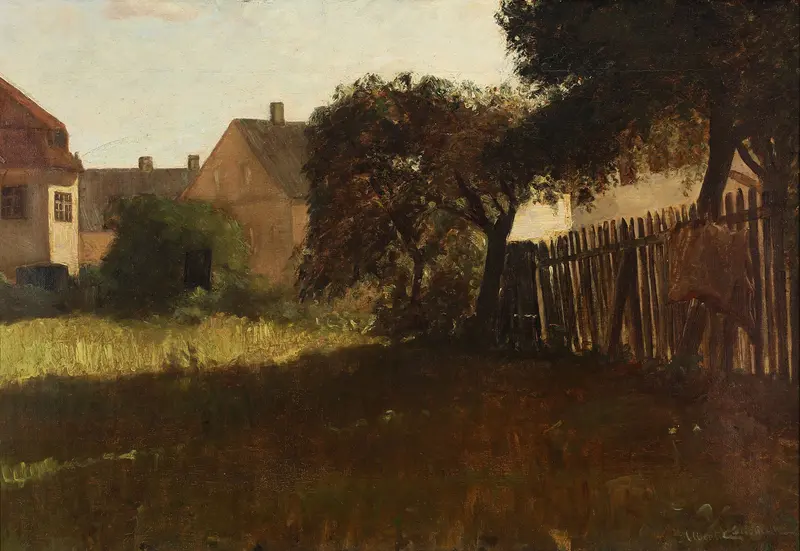
A summer day in a Garden in Vesterbro, Copenhagen
Albert Gottschalk
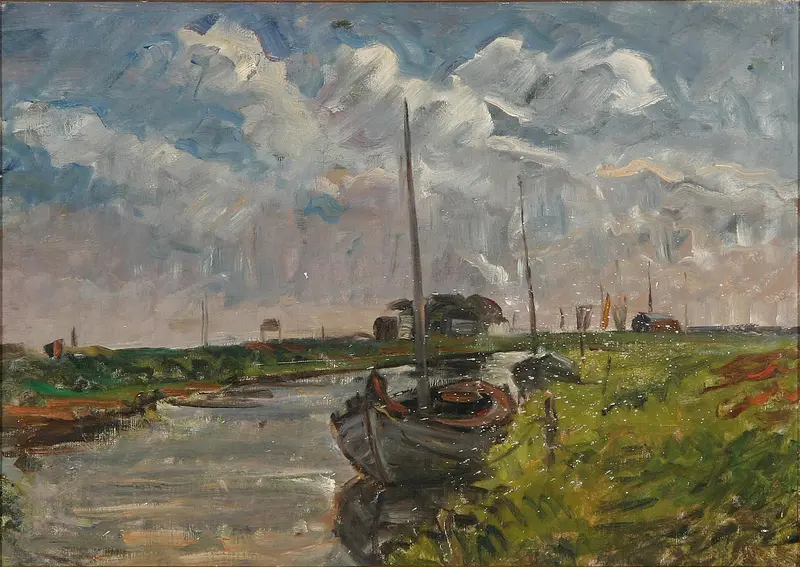
A canal with a boat.
Albert Gottschalk
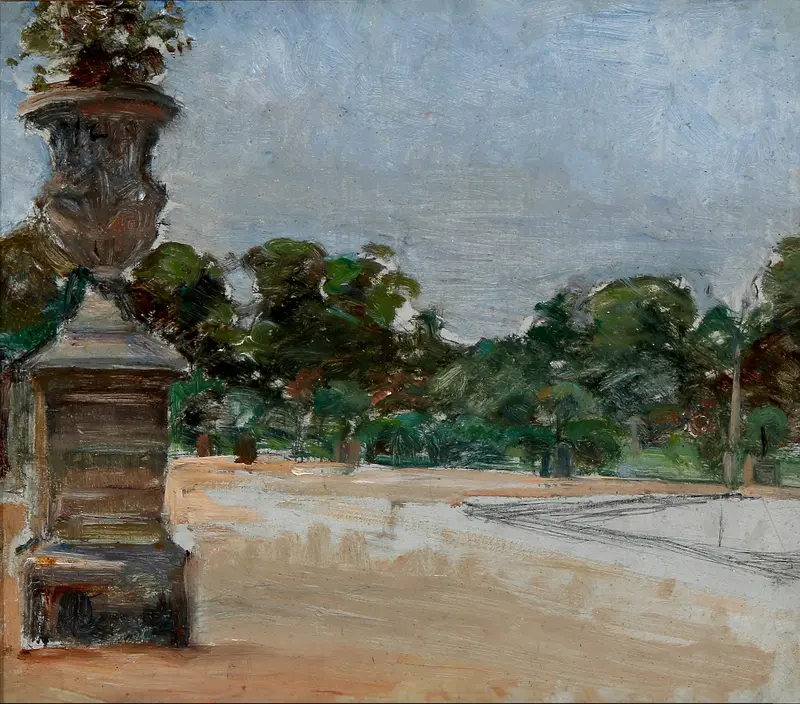
From the Tuileries Garden in Paris
Albert Gottschalk
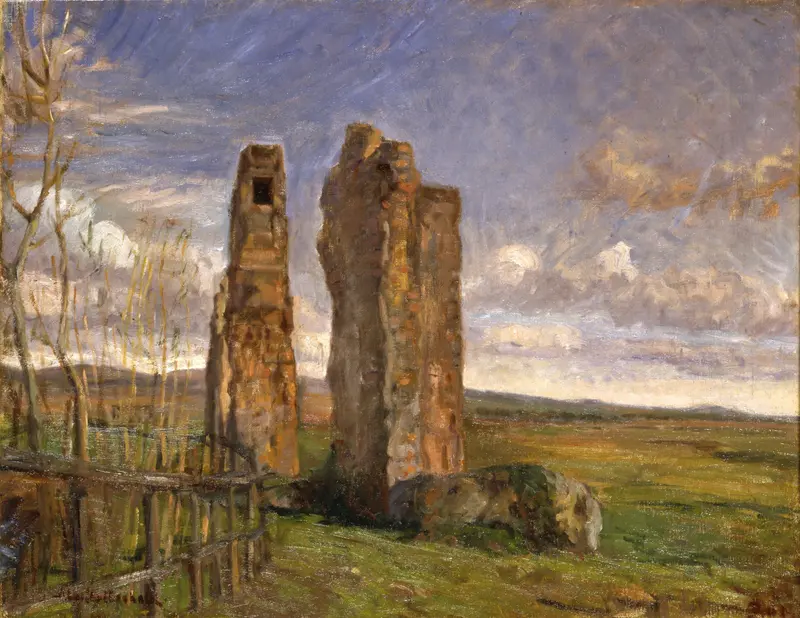
Ruins in Campagna
Albert Gottschalk
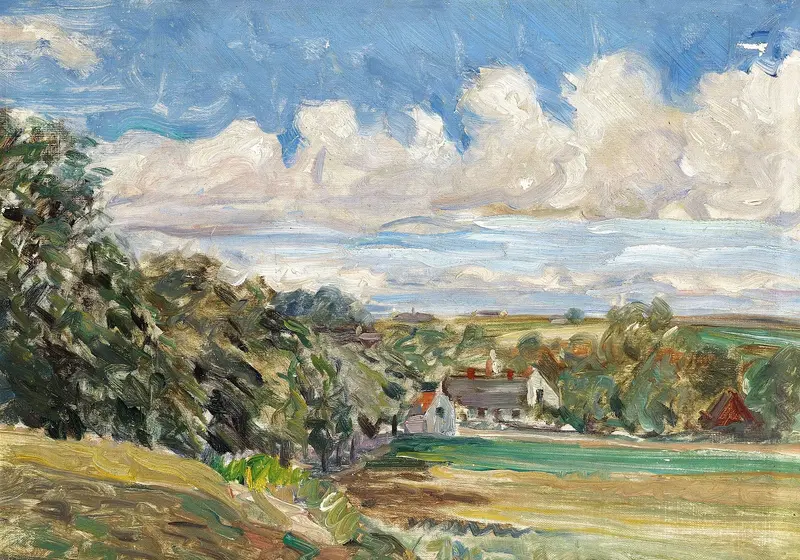
Landscape on a Summer's Day.
Albert Gottschalk
More Landscape Art

The Starry Night
Vincent van Gogh

View of Delft
Johannes Vermeer

Water Lilies
Claude Monet

The Grand Canal, Venice, looking north-west from the Ca' Corner to the Ca' Contarini degli Scrigni, with the campanile of Santa Maria della Carità
Canaletto

Windsor Castle
Canaletto

The Grand Canal looking North-East from the Palazzo Dolfin-Manin to the Rialto Bridge
Canaletto