
Vestjysk landskab. Holmsland — History & Facts
A low, ochre sky presses down on a wide, marshy plain, its hush broken only by the meandering track that slices through the green. The eye is drawn first to the horizon, where a single, squat farmhouse anchors the scene—a dark silhouette against the muted glow. Pools of water glint in the fading light, tracing the land’s subtle undulations, while rough brushstrokes in the foreground suggest both the wildness and the resilience of this windswept corner of Holmsland.
The palette is pared back, earthy and restrained, as if the painter wanted to capture not just a place but the feeling of standing alone in it, the air heavy with the scent of wet grass and distant sea. Painted in 1886, Vestjysk landskab. Holmsland belongs to a moment in Danish art when the landscape was more than a backdrop—it was a subject of national identity and quiet drama. Artists like Albert Gottschalk turned their attention to the overlooked edges of the country, finding poetry in the flatness and the play of northern light.
Such works were rarely grand commissions; instead, they were often painted for private collectors or simply for the artist’s own exploration. History has kept few traces of this particular painting’s journey, but its presence in an image collection today invites us to linger, to let our eyes wander the track and imagine the stories that might begin at its vanishing point.
More Artworks by Albert Gottschalk
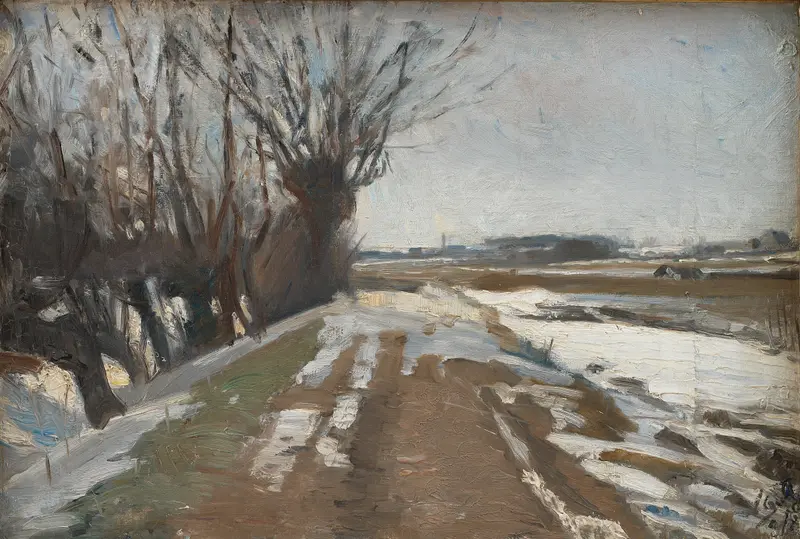
Winter Landscape. Utterslev near Copenhagen
Albert Gottschalk
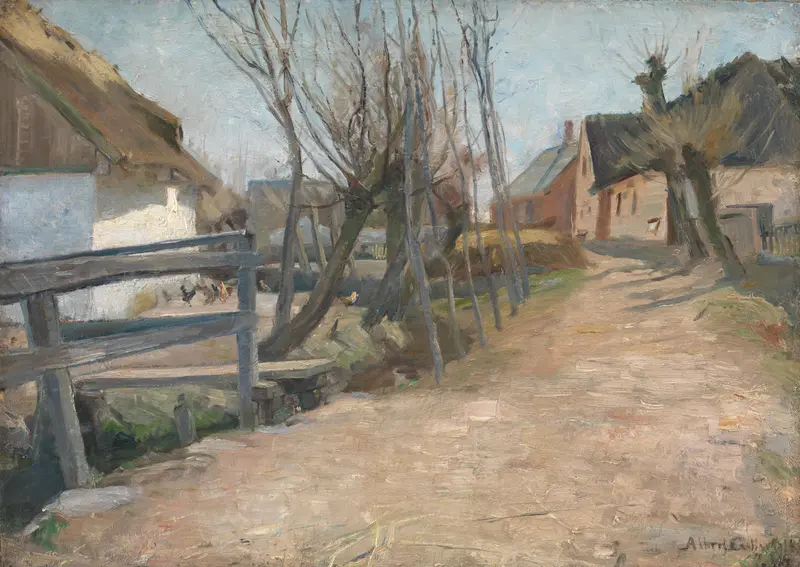
Tidlig forårsdag i Glostrup
Albert Gottschalk
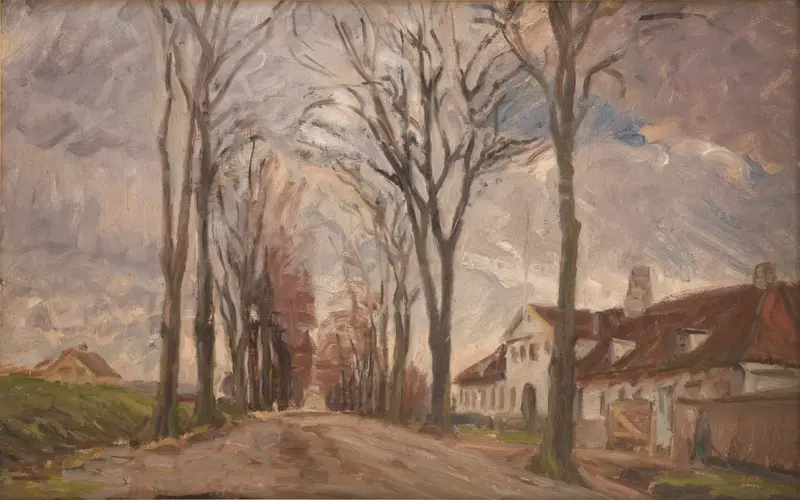
Lyngbyvejen ved Vintappergården
Albert Gottschalk
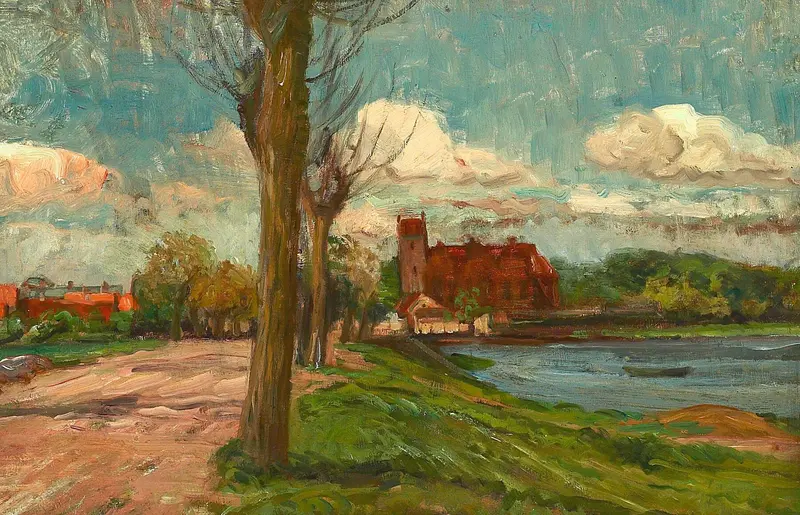
A road leading to a small town with a church.
Albert Gottschalk
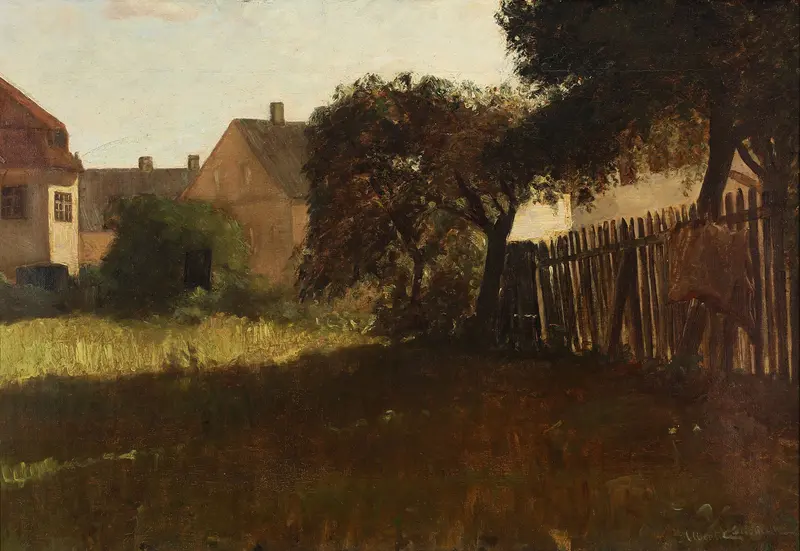
A summer day in a Garden in Vesterbro, Copenhagen
Albert Gottschalk
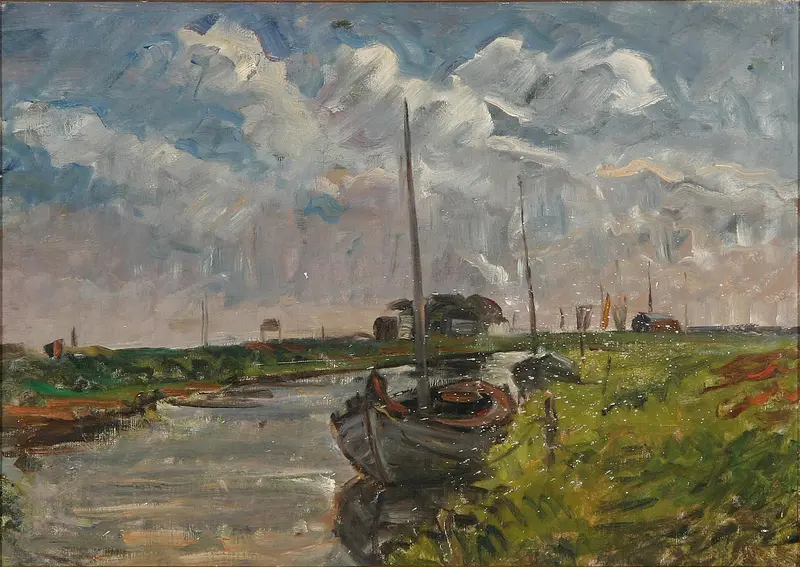
A canal with a boat.
Albert Gottschalk
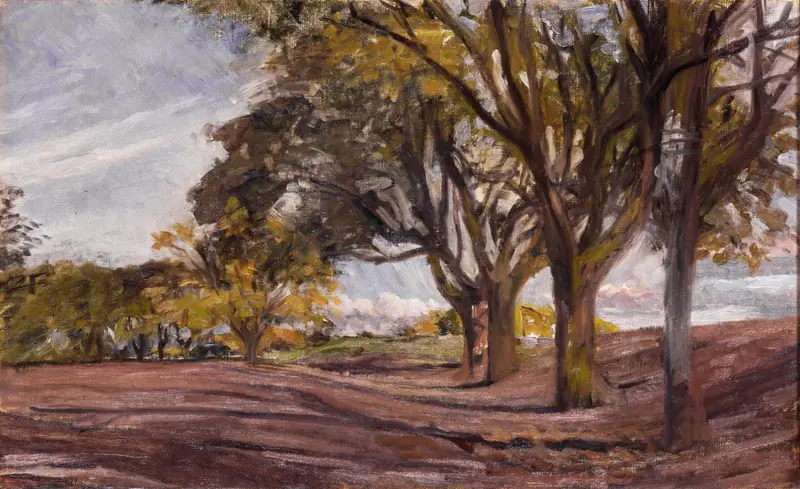
Chestnut Avenue at the Hermitage.
Albert Gottschalk
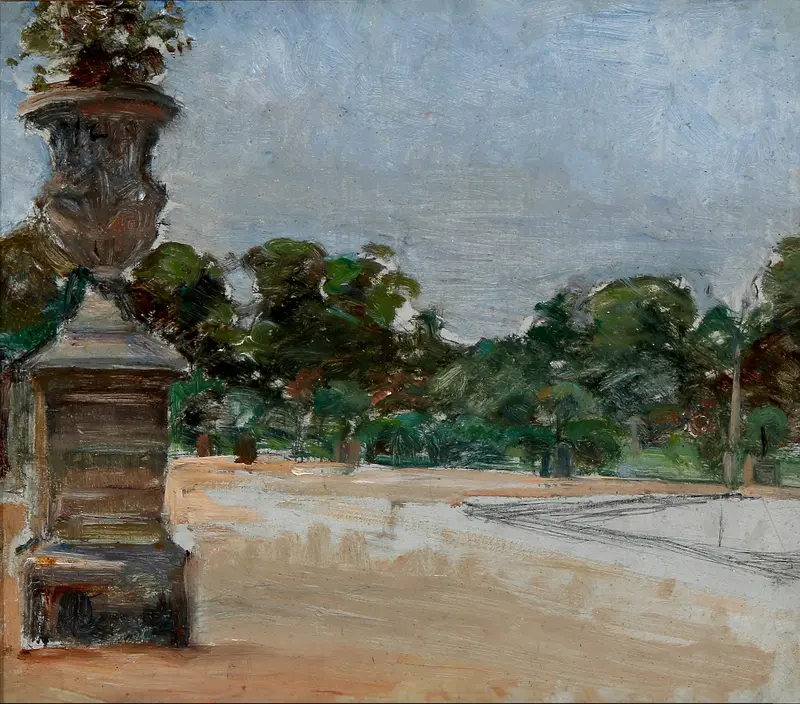
From the Tuileries Garden in Paris
Albert Gottschalk
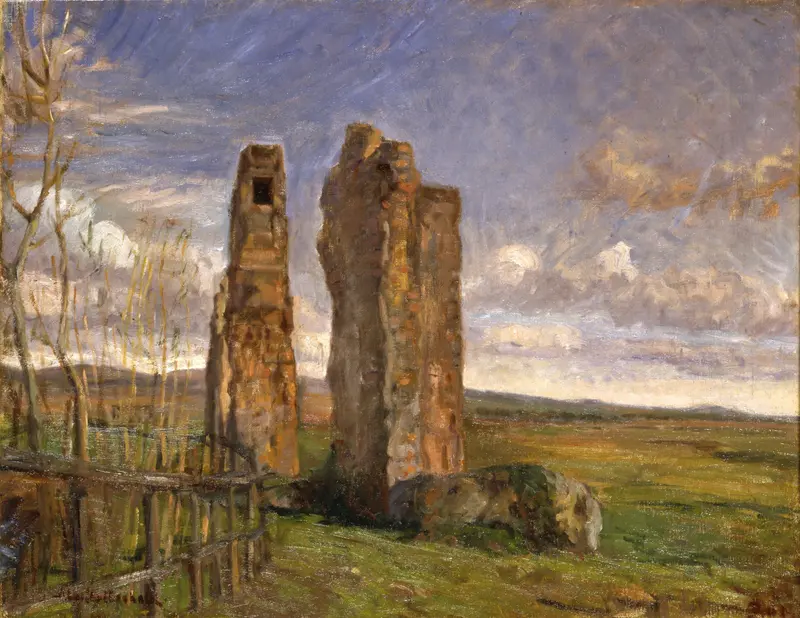
Ruins in Campagna
Albert Gottschalk
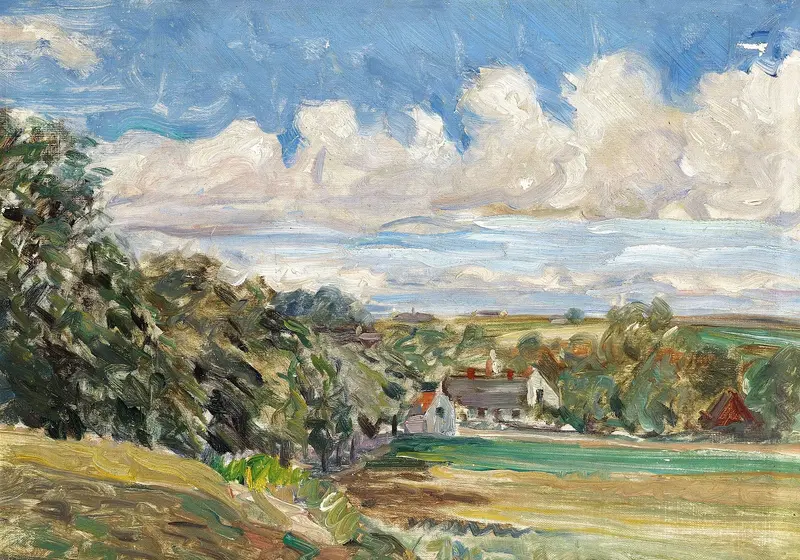
Landscape on a Summer's Day.
Albert Gottschalk
More Landscape Art

The Starry Night
Vincent van Gogh

View of Delft
Johannes Vermeer

Water Lilies
Claude Monet

The Grand Canal, Venice, looking north-west from the Ca' Corner to the Ca' Contarini degli Scrigni, with the campanile of Santa Maria della Carità
Canaletto

Windsor Castle
Canaletto

The Grand Canal looking North-East from the Palazzo Dolfin-Manin to the Rialto Bridge
Canaletto