
From the Tuileries Garden in Paris — History & Facts
What first catches the eye in From the Tuileries Garden in Paris is the bold, unfinished sweep of the painter’s hand. The grand stone urn, thick with impasto and crowned in foliage, stands like a sentinel at the garden’s edge, anchoring the left side with its weight and shadow. Yet just beyond, the world dissolves into suggestion: the creamy expanse of the path, the sketchy outlines of a fountain, the trees rendered in brisk, restless strokes.
The painter invites us to linger in this tension between monument and moment, between what is solid and what is fleeting. This is a Paris seen not through the lens of grandeur, but through the immediacy of observation. The urn’s sculpted form is meticulously worked, but the rest of the scene seems to hover on the edge of becoming—trees are masses of green and brown, the sky a quick wash of blue and grey, and the garden’s formal geometry only hinted at in graphite. The effect is almost cinematic: the eye is pulled from the heavy foreground to the airy, unresolved distance, as if the artist, Albert Gottschalk, had paused mid-thought to capture the sensation of a summer day.
The unfinished ground draws attention to the act of painting itself, a gesture that places this work in dialogue with the Impressionists, who also sought to catch the fleeting play of light and air. Painted around 1889 and exhibited at Kunstforeningen in 1906, this work survives as a fragment of a larger story—one of countless artists drawn to Paris and its gardens in search of modern life. While little is recorded about the journey of this particular painting, its presence today in the collection of bruun-rasmussen.dk speaks to the enduring appeal of such scenes. In the late nineteenth century, views like this were collected not only as souvenirs of place, but as tokens of a new way of seeing: quick, direct, and alive to the unfinished beauty of the everyday.
The viewer is left to imagine the bustle just out of frame, and to wonder what the artist saw next.
More Artworks by Albert Gottschalk
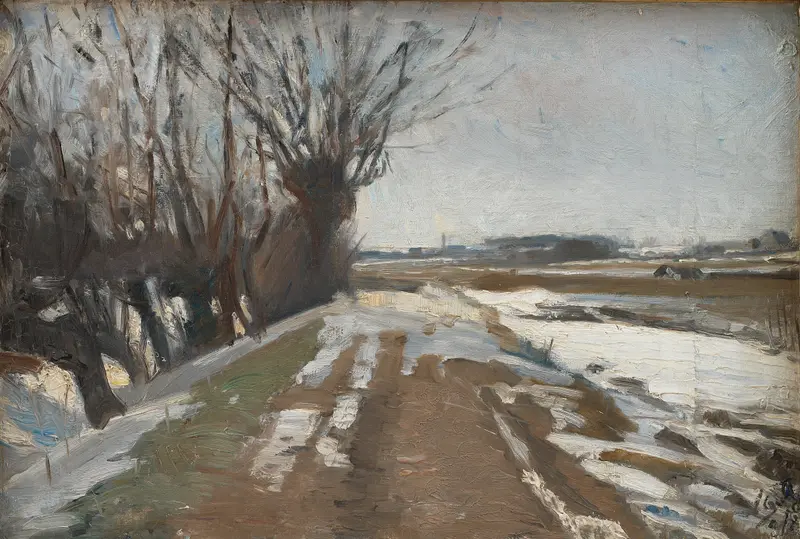
Winter Landscape. Utterslev near Copenhagen
Albert Gottschalk
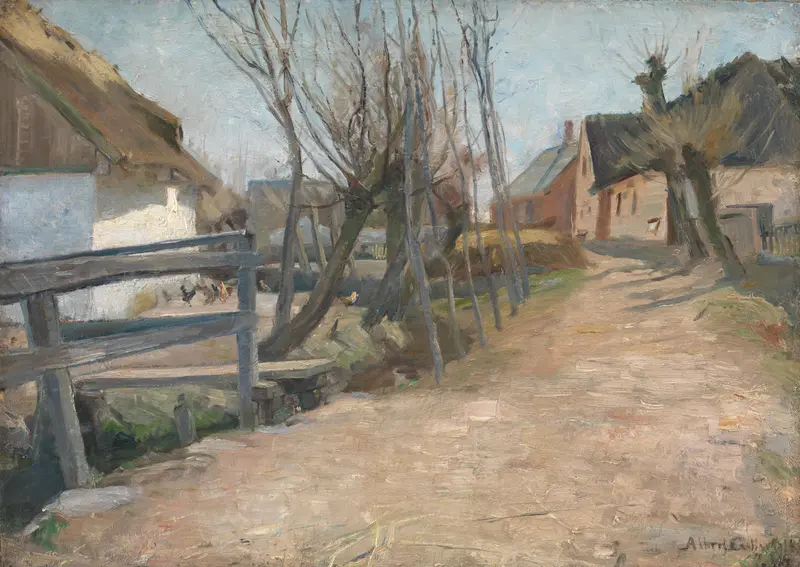
Tidlig forårsdag i Glostrup
Albert Gottschalk
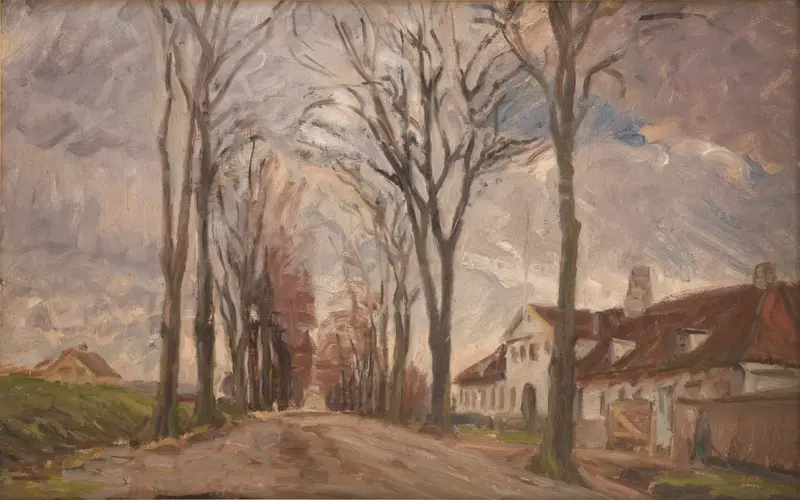
Lyngbyvejen ved Vintappergården
Albert Gottschalk
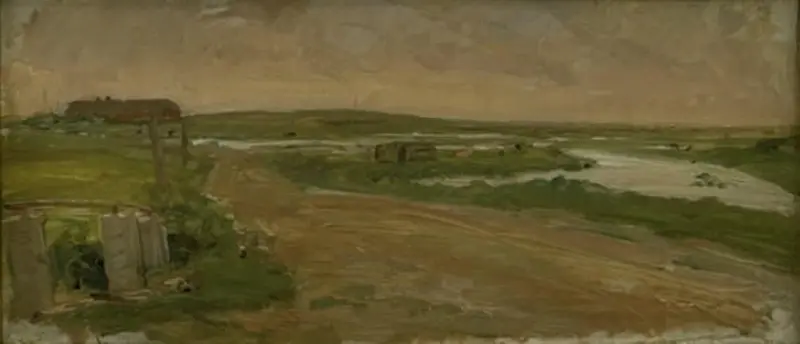
Vestjysk landskab. Holmsland
Albert Gottschalk
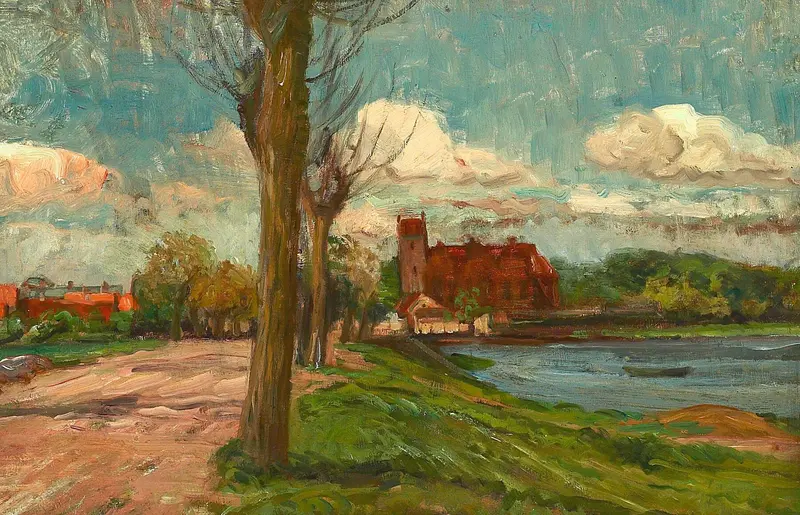
A road leading to a small town with a church.
Albert Gottschalk
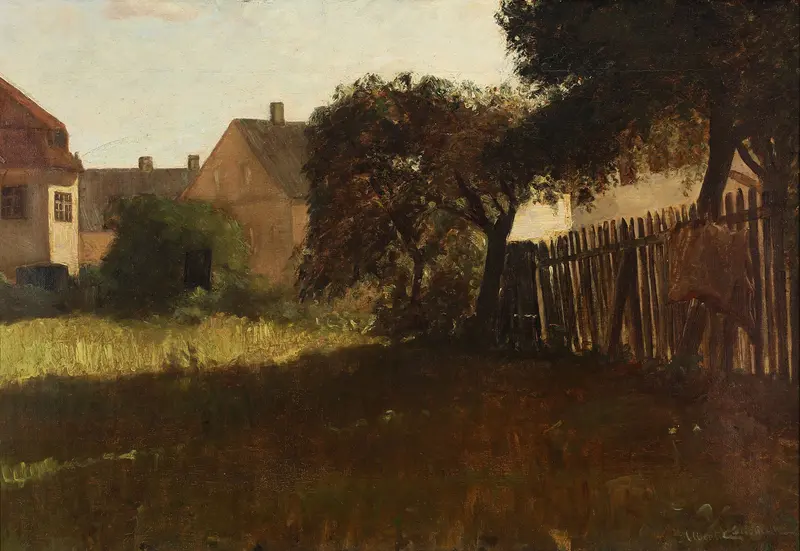
A summer day in a Garden in Vesterbro, Copenhagen
Albert Gottschalk
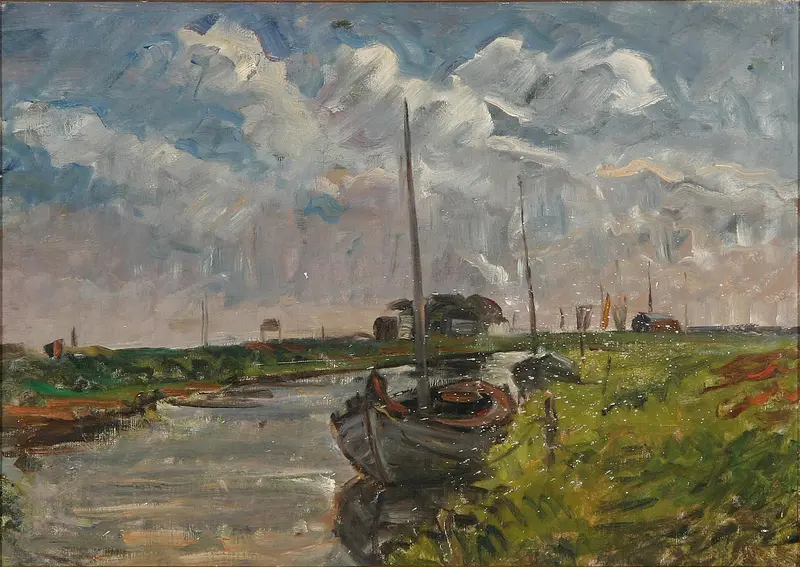
A canal with a boat.
Albert Gottschalk
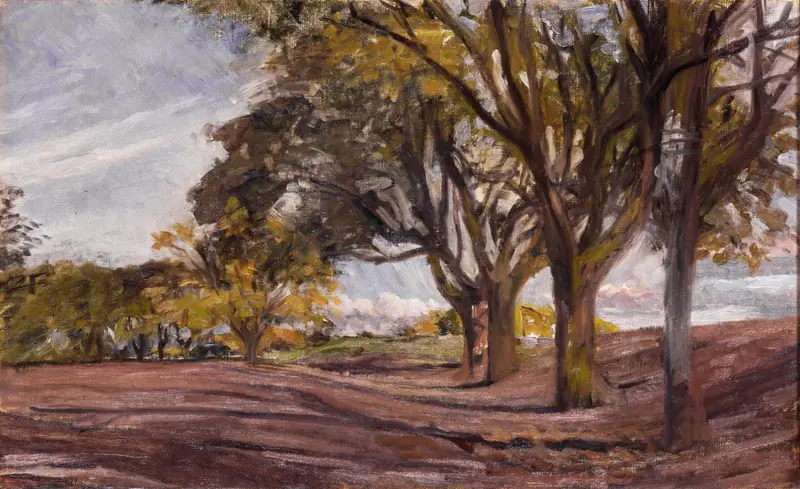
Chestnut Avenue at the Hermitage.
Albert Gottschalk
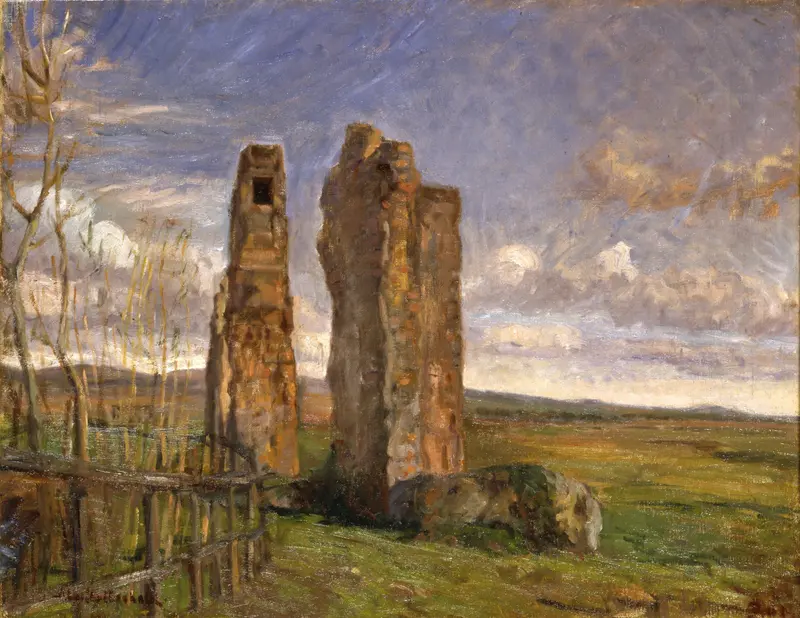
Ruins in Campagna
Albert Gottschalk
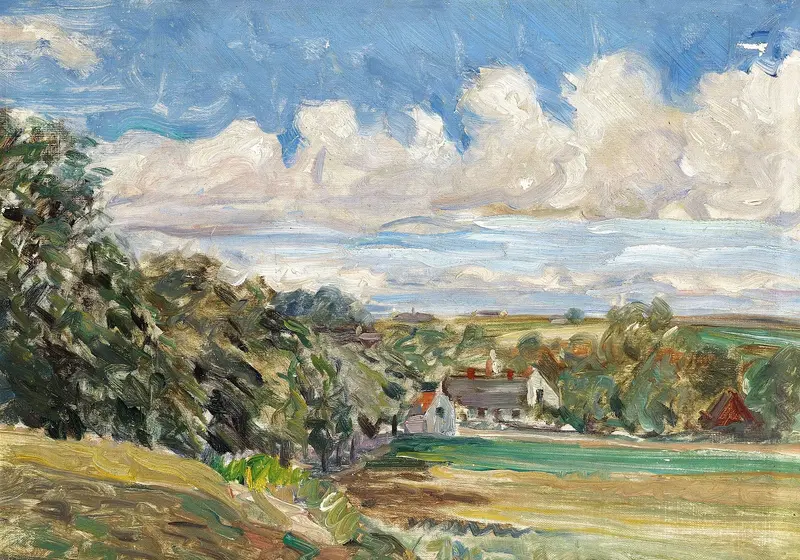
Landscape on a Summer's Day.
Albert Gottschalk
More Landscape Art

The Starry Night
Vincent van Gogh

View of Delft
Johannes Vermeer

Water Lilies
Claude Monet

The Grand Canal, Venice, looking north-west from the Ca' Corner to the Ca' Contarini degli Scrigni, with the campanile of Santa Maria della Carità
Canaletto

Windsor Castle
Canaletto

The Grand Canal looking North-East from the Palazzo Dolfin-Manin to the Rialto Bridge
Canaletto