
Portrait of a young woman in a landscape — History & Facts
No other painting by Gustave Van de Woestijne has sparked as much speculation as Portrait of a young woman in a landscape. The sitter’s identity remains a mystery—no surviving letters or exhibition records offer clues, and the painting is undated. Some scholars have suggested she may be a member of the artist’s own family, while others see her as an allegorical figure, a recurring theme in Van de Woestijne’s work.
The uncertainty has only added to the painting’s allure, inviting viewers to step into the enigma themselves. The painting captures a young woman standing quietly amid a gentle, rolling landscape. Her gaze is direct yet reserved, hands folded in front of her, as if caught between thought and confession. The soft, earthy palette and stylized forms recall the influence of Symbolism, a movement with which Van de Woestijne is often associated.
The landscape behind her is not a mere backdrop; its undulating fields and distant horizon seem to echo the subject’s inner world—a technique reminiscent of Ferdinand Hodler, who also fused figure and setting to express emotion. The woman’s modest dress and the subtle play of light on her face suggest a moment of introspection, inviting the viewer to wonder about her story. The journey of Portrait of a young woman in a landscape is largely undocumented, typical of Van de Woestijne’s more intimate works. It is believed to have remained in private hands for much of its existence, surfacing only occasionally in exhibitions dedicated to Belgian modernism.
Today, it stands as a testament to the artist’s quiet psychological insight and his ability to blend realism with symbolic resonance. While the painting’s precise origins are unclear, its contemplative mood and ambiguous subject place it among the most intriguing portraits of early twentieth-century Belgian art.
More Artworks by Gustave Van de Woestijne
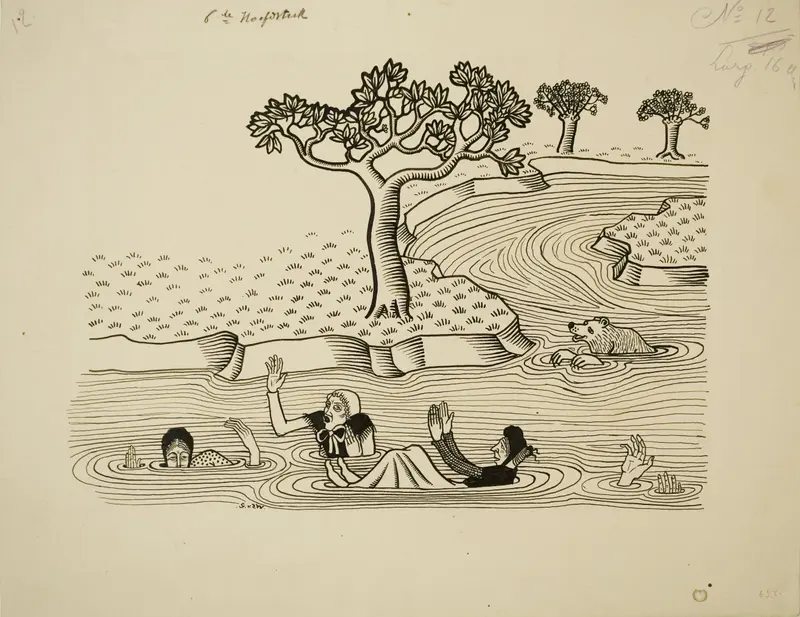
How Brown went out with Reynard where he thought he was eating honey and how he was caught by head and feet and suffered further misfortune
Gustave Van de Woestijne
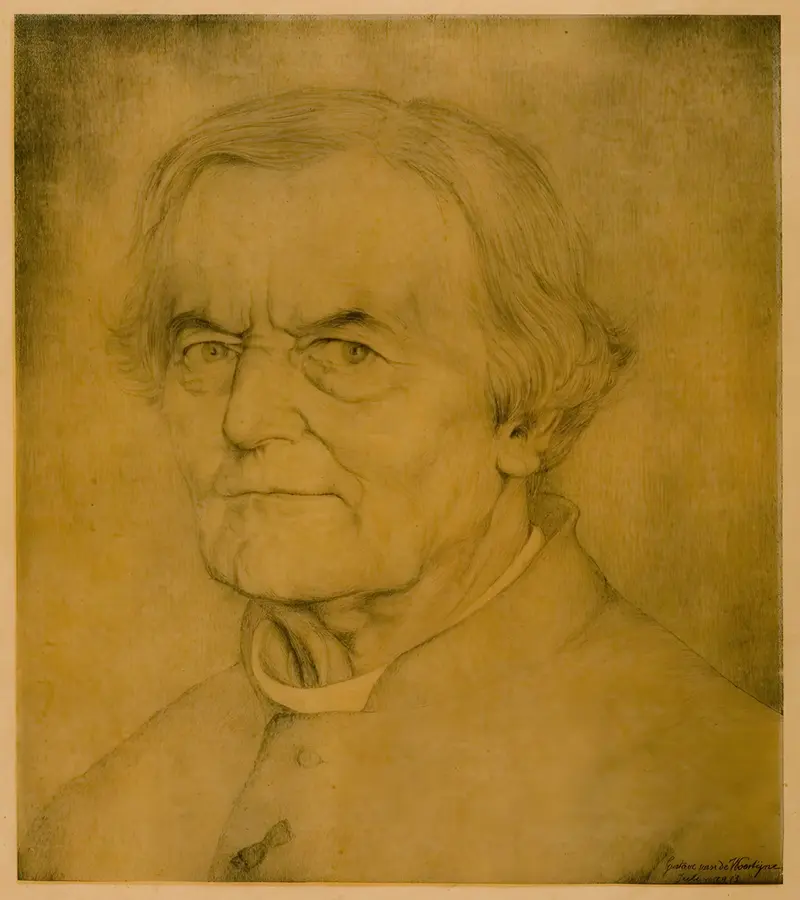
Portrait of Hugo Verriest
Gustave Van de Woestijne
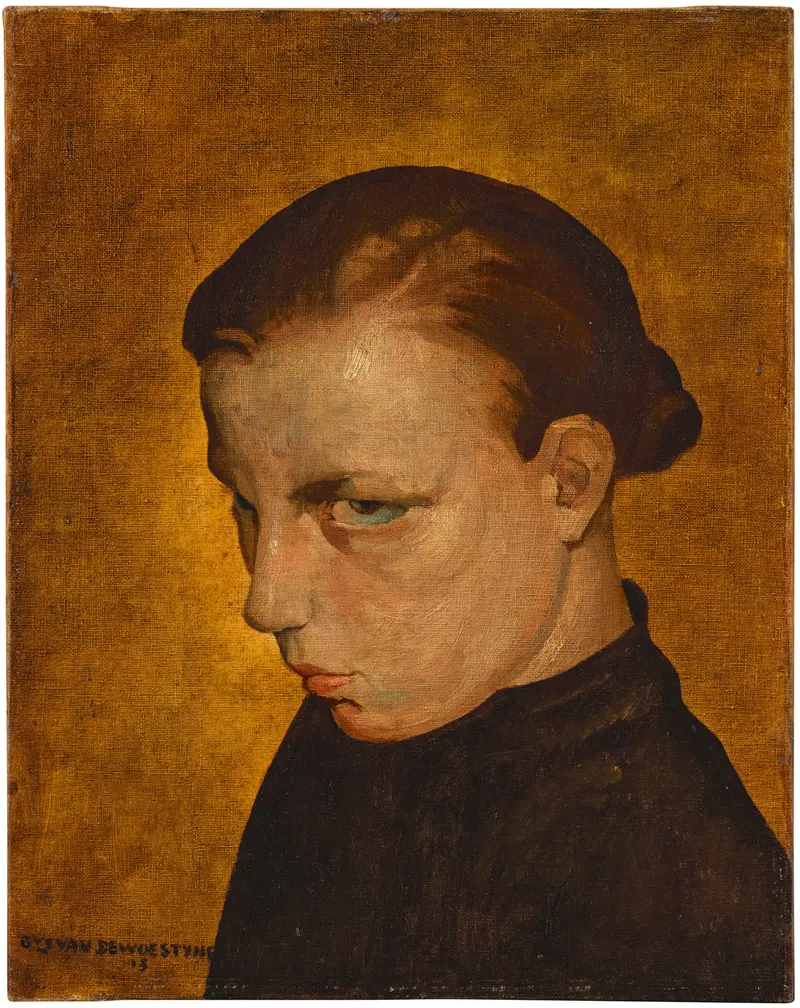
Angèle
Gustave Van de Woestijne
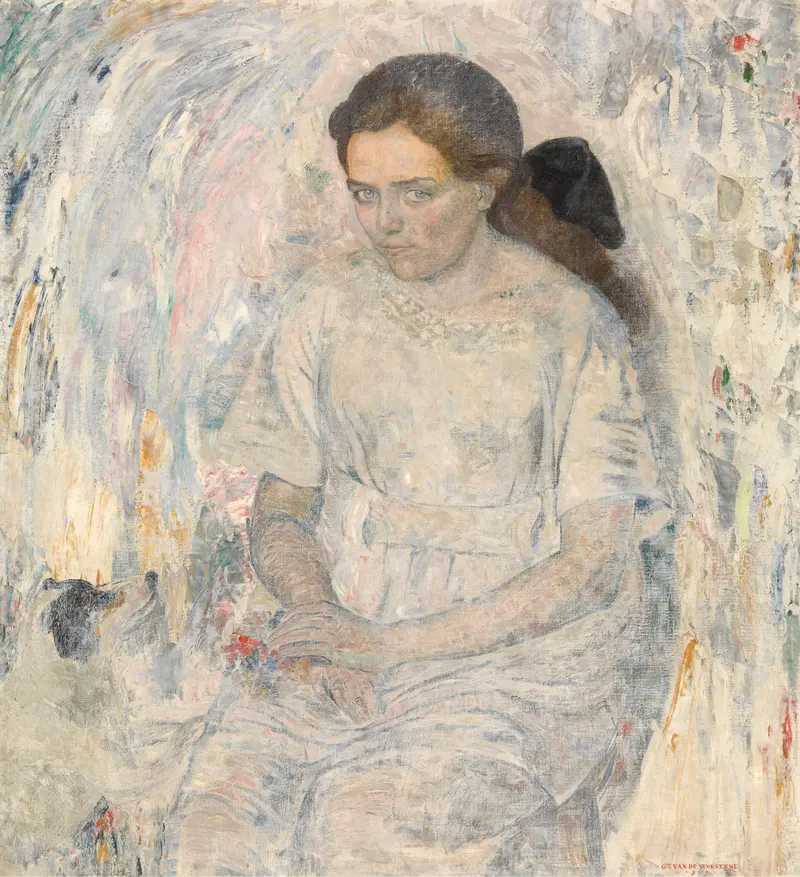
Adrienne
Gustave Van de Woestijne
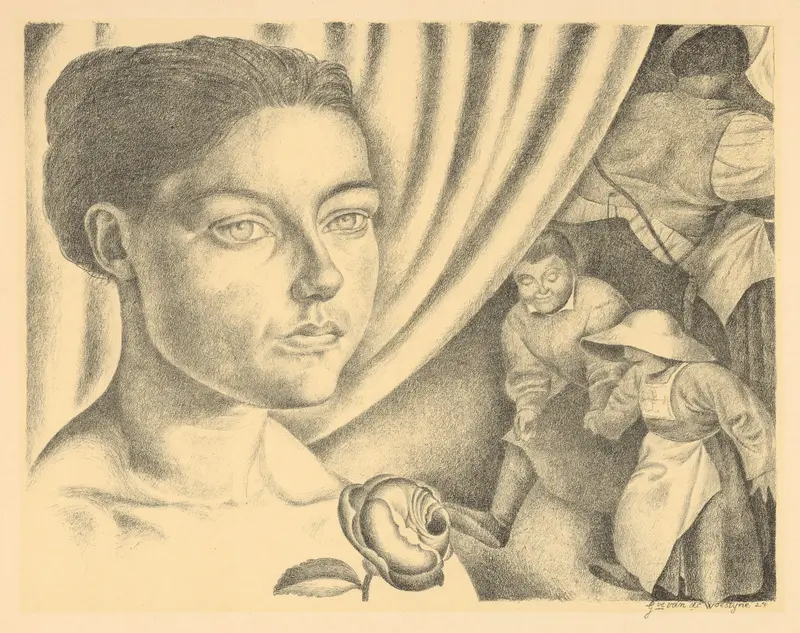
Jeune Femme
Gustave Van de Woestijne
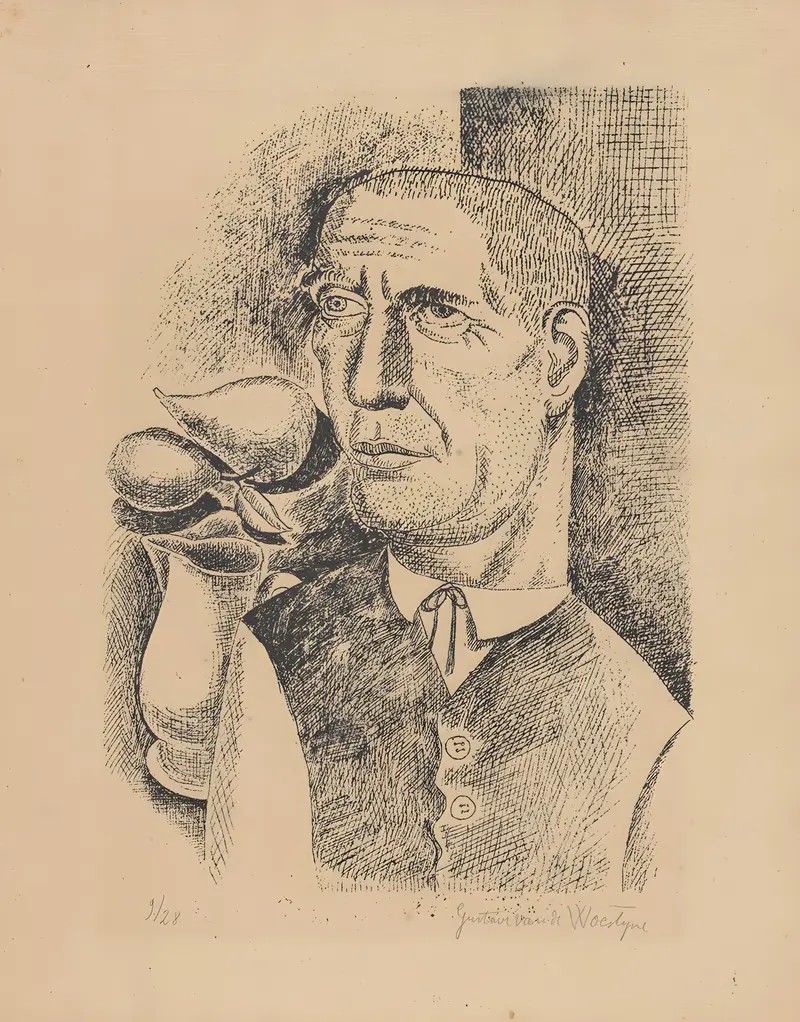
Boer op zijn zondags (Paysan endimanché)
Gustave Van de Woestijne
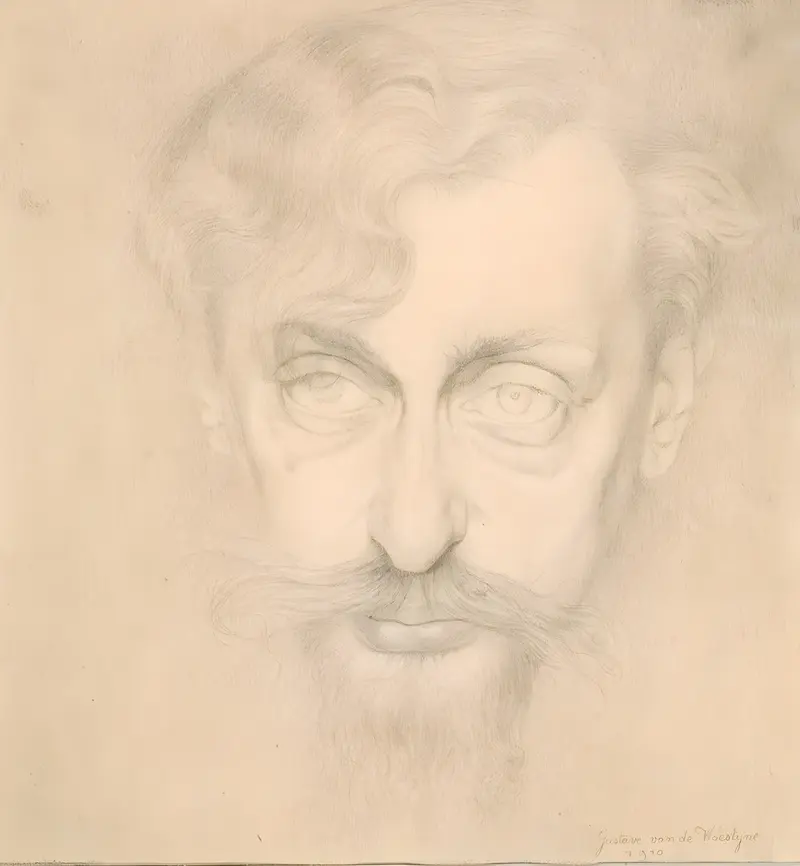
Portrait of the Writer Karel van de Woestijne
Gustave Van de Woestijne
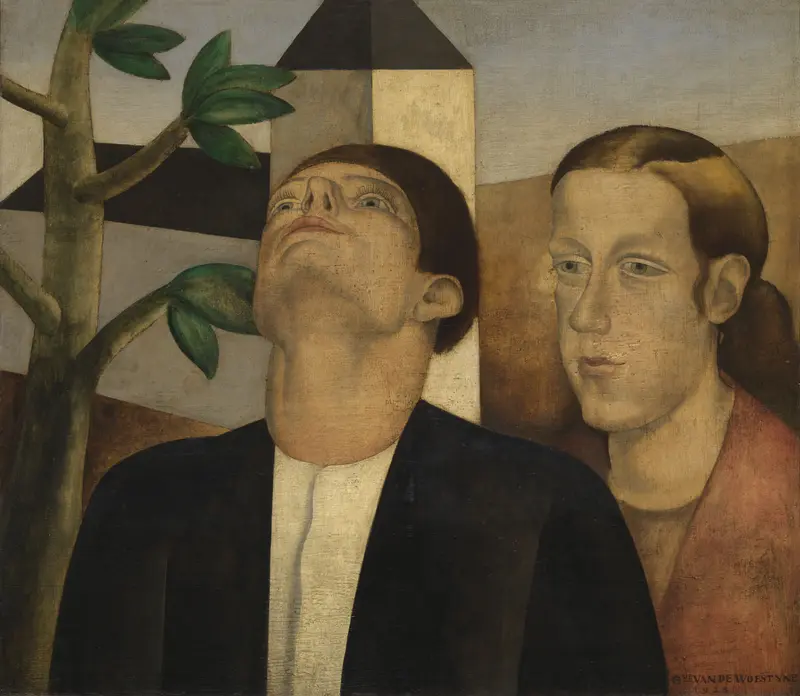
Azure
Gustave Van de Woestijne
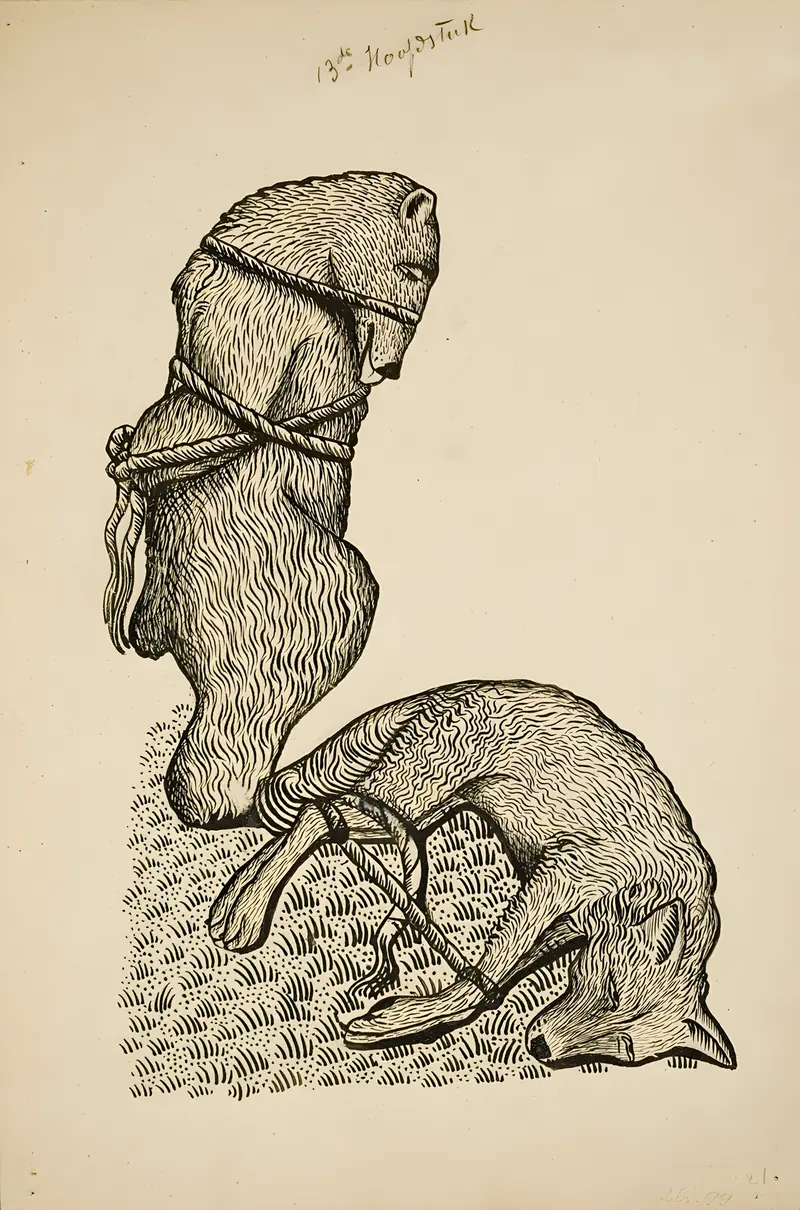
How Reinaert devises a new trick to get free and exterminate his enemies
Gustave Van de Woestijne
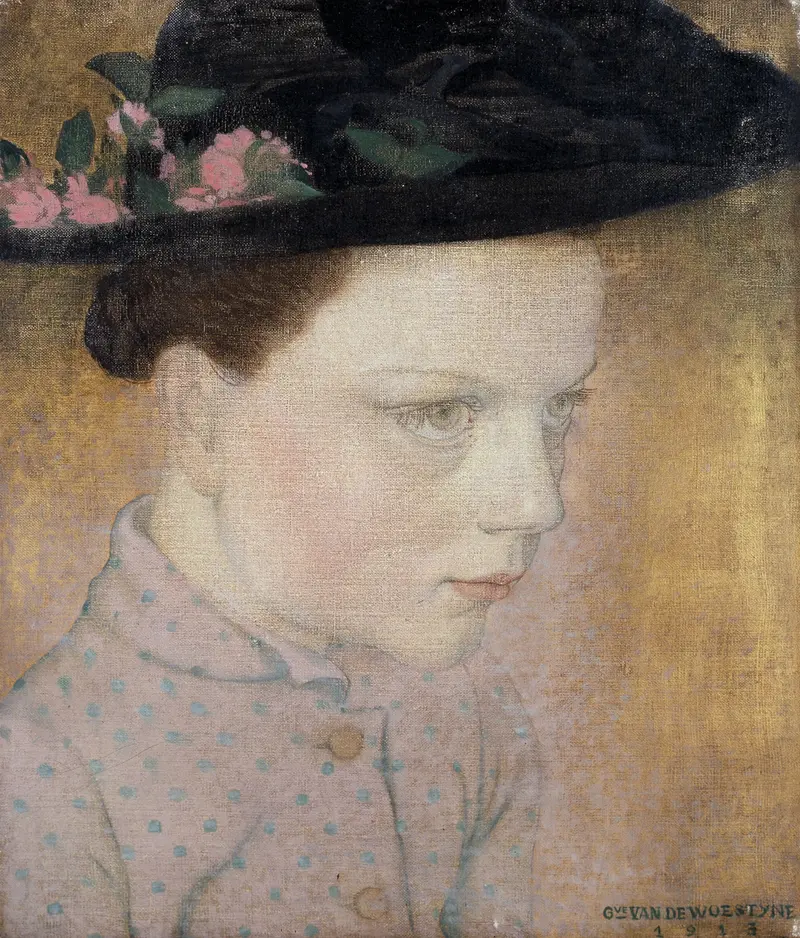
Country Girl
Gustave Van de Woestijne





