
Portrait of Amalia von Hesse-Kassel — History & Facts
What first catches the eye is the sheer presence of the sitter, poised with a calm assurance against the cool stone of a fountain where a cherub pours water from a fish’s mouth. The play of textures is deliberate: the luminous red silk of her gown, the soft gleam of pearls at her throat, and the satiny drape of her dark shawl all serve to heighten her status and draw the viewer in. Her hand, elegantly arranged, rests with practiced ease, signaling both grace and self-possession.
The fountain behind her is no idle backdrop—its mythological figure and flowing water hint at themes of abundance and virtue, setting a stage that speaks as much about ideals as about the woman herself. The artist uses light to sculpt her features, letting her face emerge from the shadows with a gentle clarity that invites both respect and curiosity. Painted in 1656 by Adriaen Hanneman, this portrait belongs to a world where lineage and alliances were everything, and painted likenesses were both personal mementos and public statements. Emilie von Hessen-Kassel, daughter of William V and Amalia Elizabeth, was by then a princess by marriage, her union with Henry Charles de la Trémoille binding German and French noble houses.
Portraits like this were commissioned to mark such alliances, to travel as tokens of prestige, or to hang in ancestral galleries as proof of dynastic continuity. The style—sumptuous, formal, yet touched with intimacy—reflects the influence of Dutch and English portraiture of the mid-seventeenth century, a period when artists like Hanneman were sought after for their ability to blend courtly splendor with psychological presence. Few traces remain of the individual stories behind many such portraits, but the gaze of this sitter, direct and composed, invites us to wonder what hopes or memories she carried as she sat for her likeness.
More Artworks by Adriaen Hanneman
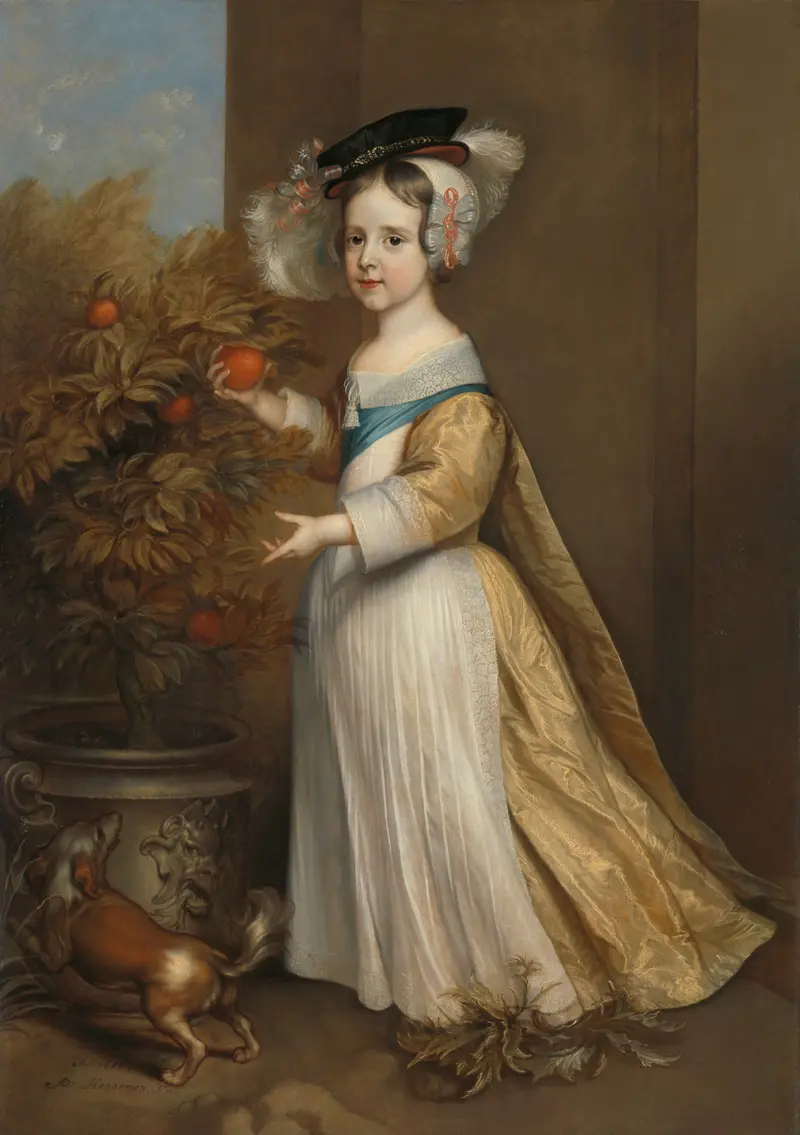
Portrait of Willem III (1650-1702), Prince of Orange, as a Child
Adriaen Hanneman
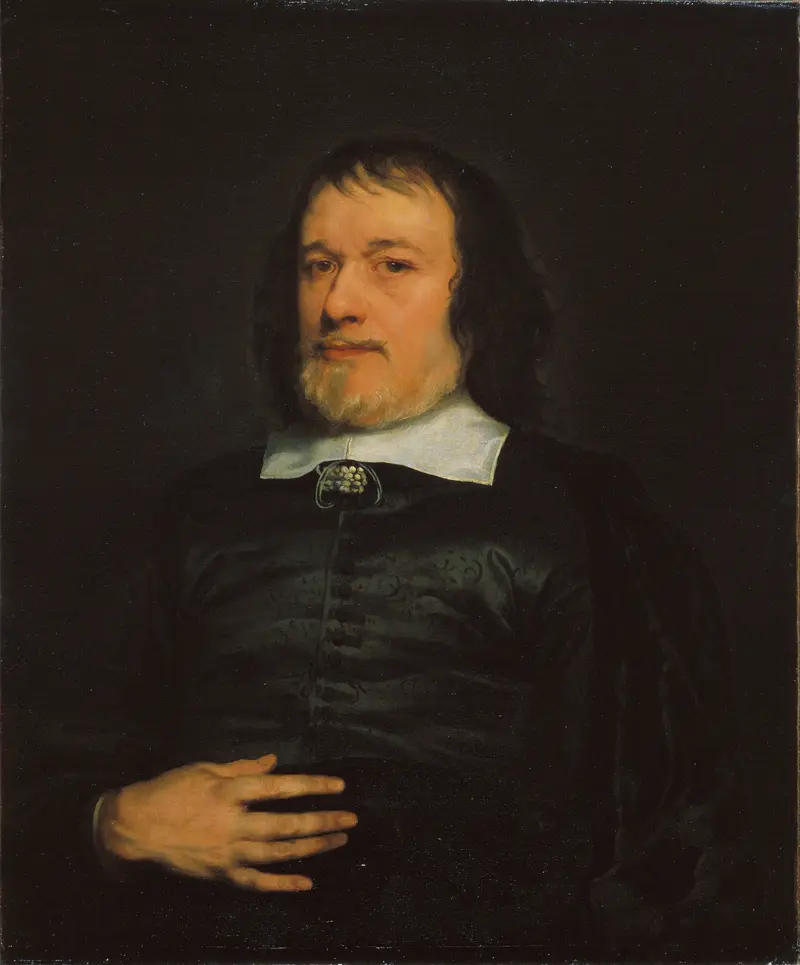
Portrait of a Gentleman
Adriaen Hanneman
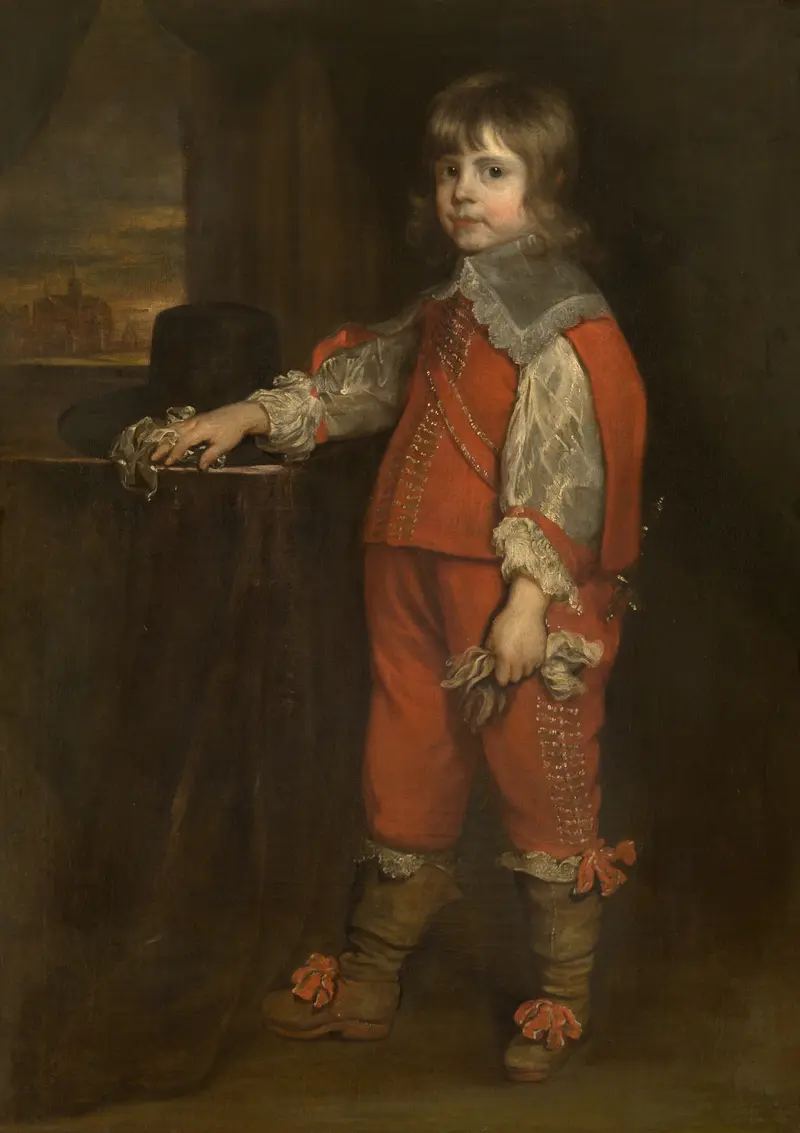
Charles II, when Prince of Wales
Adriaen Hanneman
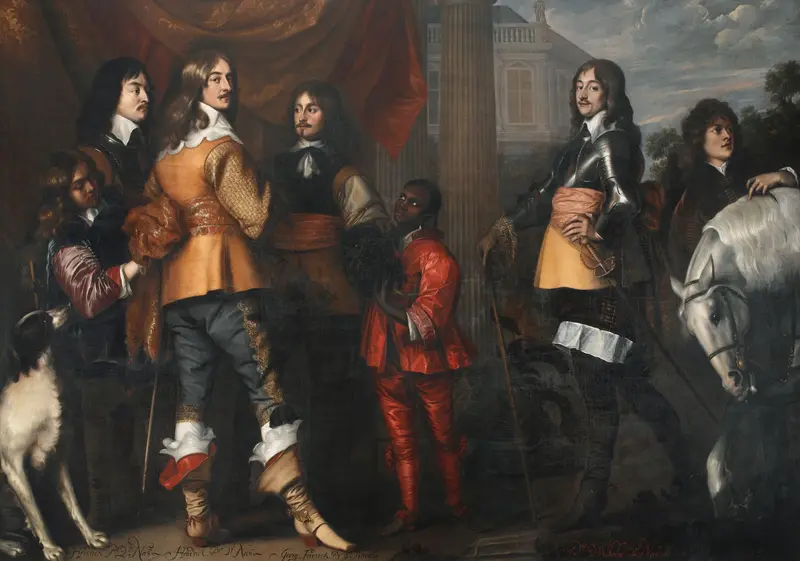
Group portrait Willem Frederik v Nassau-Dietz,Hendrik Casimir I v Nassau-Dietz,Hendrik v Nassau-Siegen,George Frederik v Nassau-Siegen with servants
Adriaen Hanneman
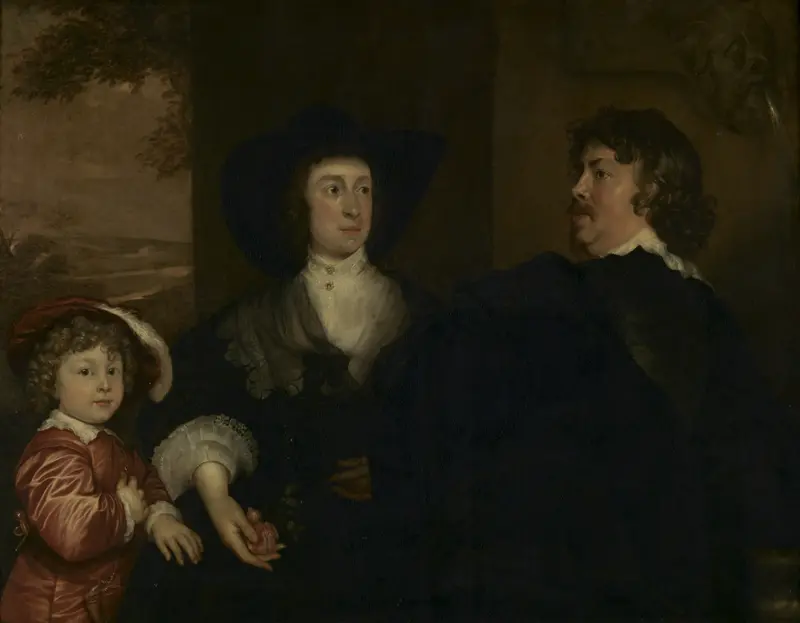
Family portrait of Cornelis Janson van Ceulen (1593-1661), Elisabeth Beck (died 1670) and their son Cornelis Janson van Ceulen (1634-1715)
Adriaen Hanneman
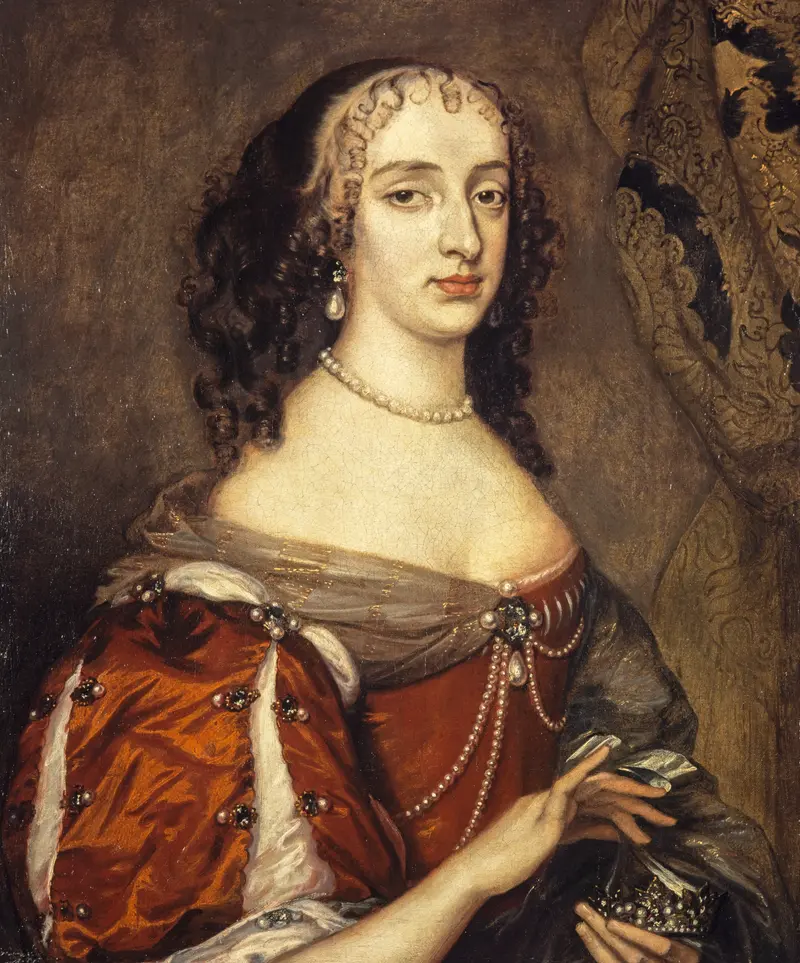
Princess Mary, 1631 - 1660. Eldest daughter of Charles I; Princess of Orange
Adriaen Hanneman
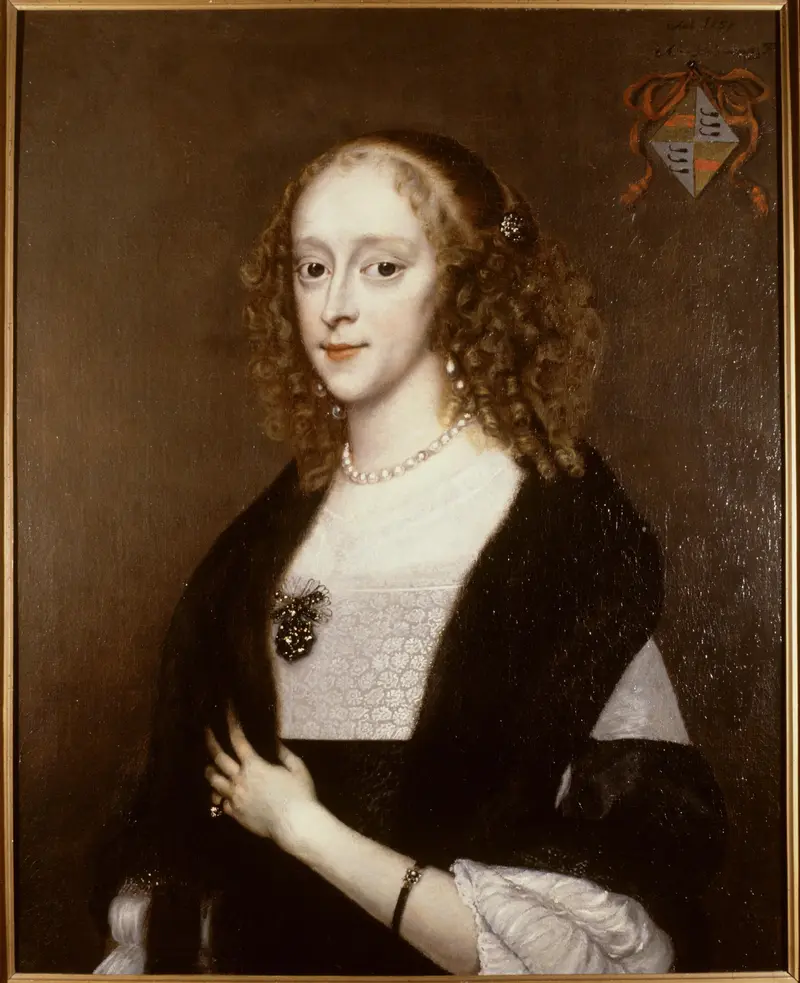
Portrait of Wendela Bicker (1636-1668)
Adriaen Hanneman
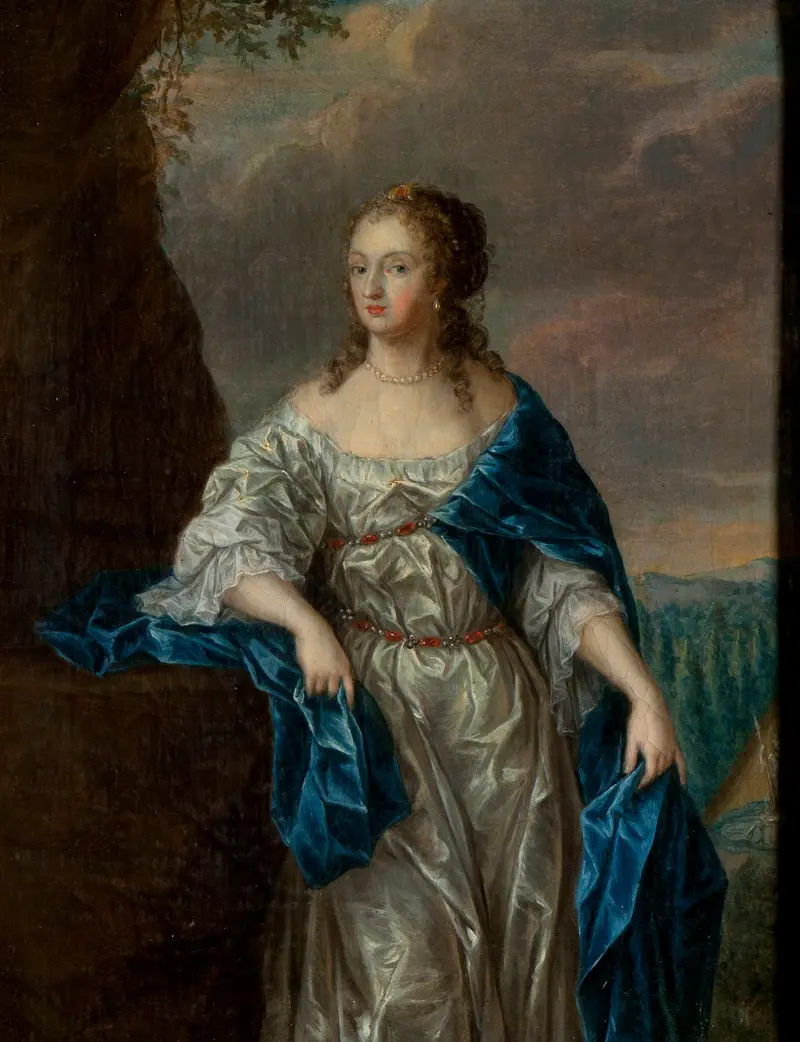
Mary Killegrew (born 1627), Countess of Nassau. Wife of Frederik van Nassau-Zuylenstein
Adriaen Hanneman
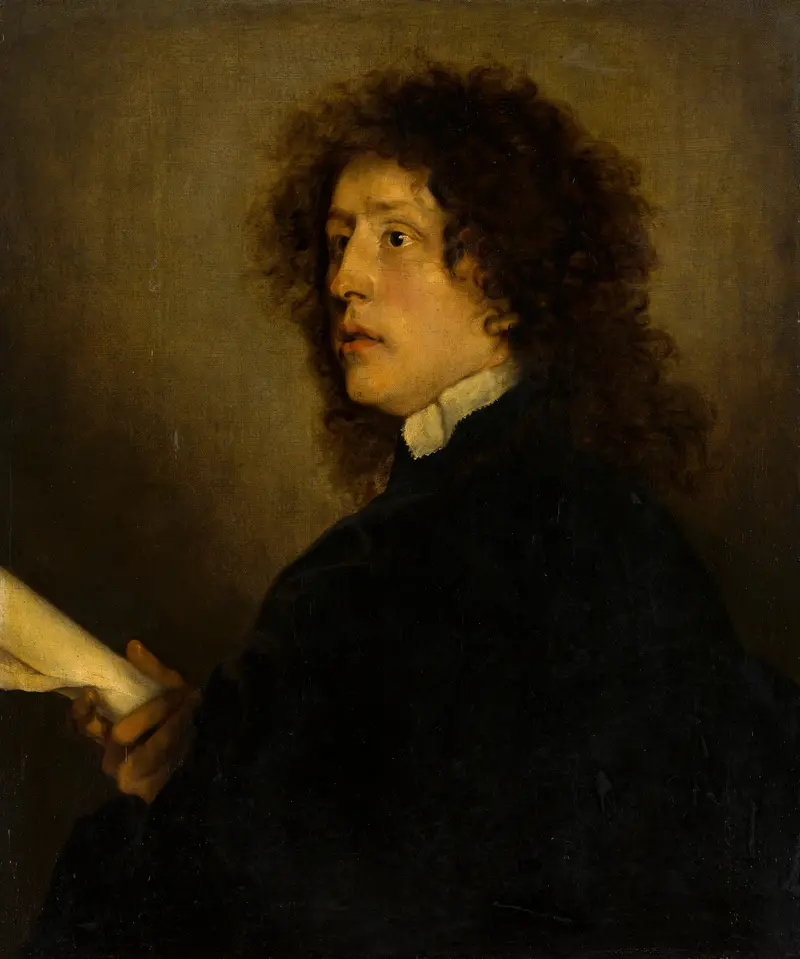
Portrait of a Man
Adriaen Hanneman
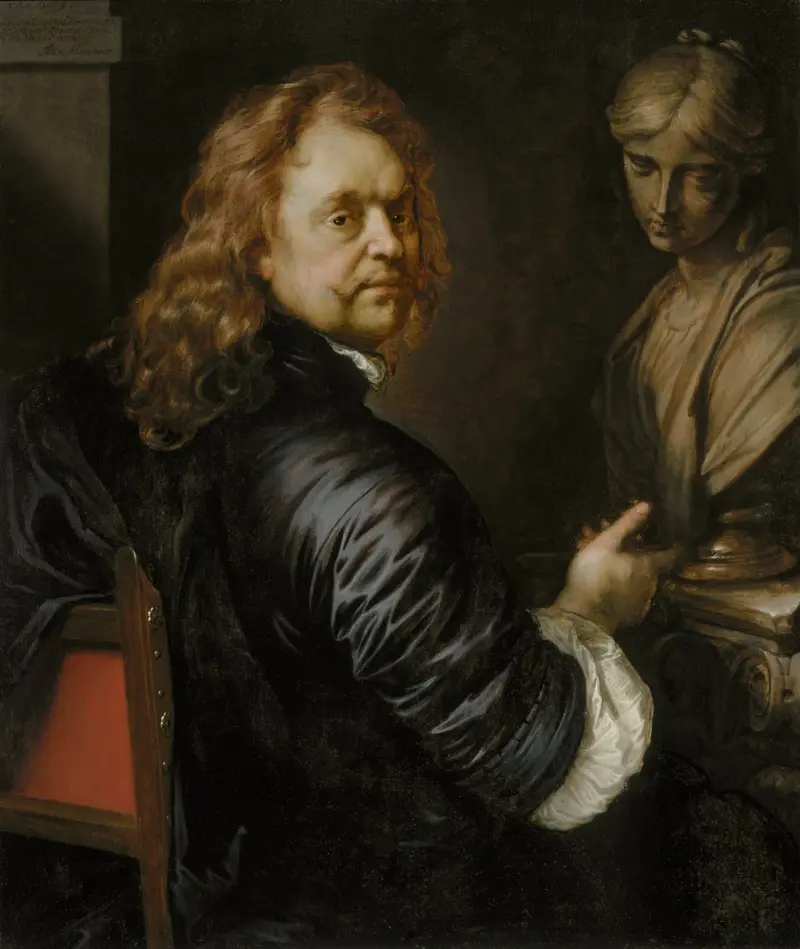
Self-portrait
Adriaen Hanneman





