
Portrait of Amelia Eliza van Leeuwen (1862-1923) — History & Facts
What draws the eye first is the unmistakable sense of presence—Amelia Eliza van Leeuwen meets the viewer’s gaze with a composure that is both inviting and assured. The artist, Thérèse Schwartze, has chosen a moment of poised stillness, capturing Amelia en face and at half-length, her head gently tilted, a faint smile playing at her lips. The light falls softly across her face and pearls, animating her expression and lending a creamy luster to her skin.
The delicate textures of chiffon, fur, and silk are rendered with a confident, almost effortless touch, while the subtle green backdrop pushes her forward, making her the undeniable center of attention. Every detail—the double strand of pearls, the black tulle rosette pinned at her chest, the warmth of her rose-colored gown—signals both her social standing and the careful construction of her public image. Painted in 1900, this portrait belongs to a world in which the pastel portrait was both a mark of status and a celebration of individuality. In the Netherlands, as across Europe, women of means commissioned such likenesses to secure their place in family memory and civic society.
Schwartze herself was a leading portraitist of her day, renowned for her ability to blend psychological insight with the fashionable elegance her sitters demanded. The portrait’s inclusion in the Rijksmuseum’s collection of pastels places it among a select group of works that bridge the 19th and 20th centuries, a time when tradition and modernity were in lively conversation. History has kept few traces of Amelia’s own story, but the careful artistry and confident gaze invite us to imagine her world, and to linger a little longer before her portrait.
More Artworks by Thérèse Schwartze

Self-portrait
Thérèse Schwartze
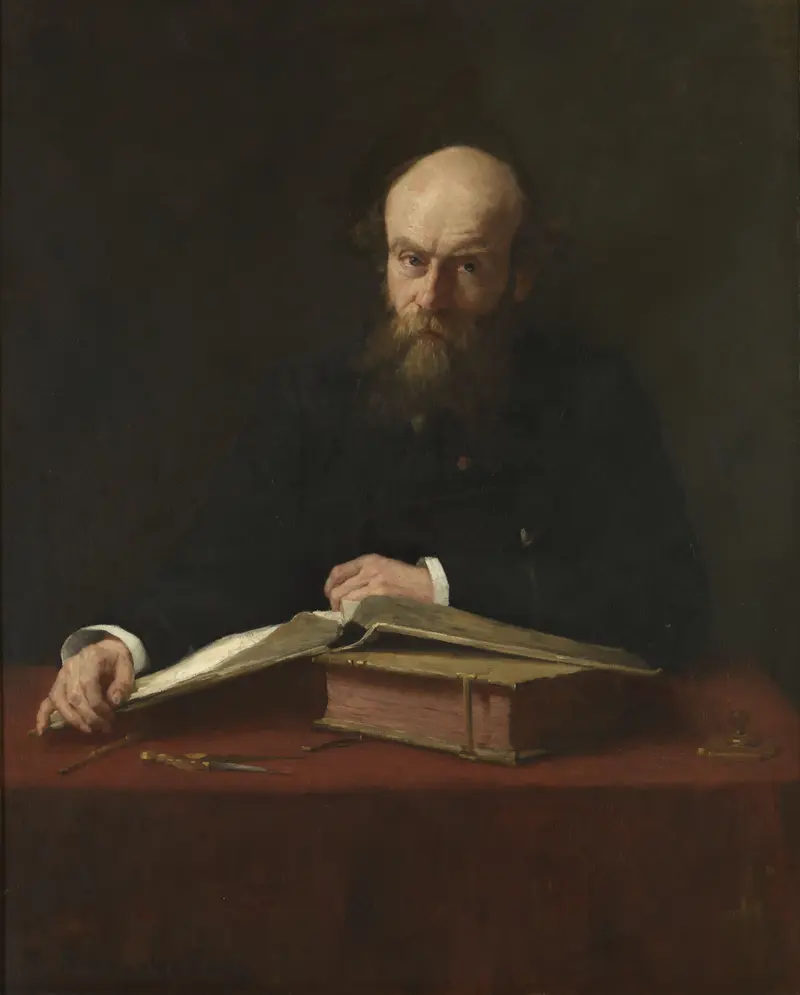
Portrait of Dr. P.J.H. Cuypers (1827-1921)
Thérèse Schwartze
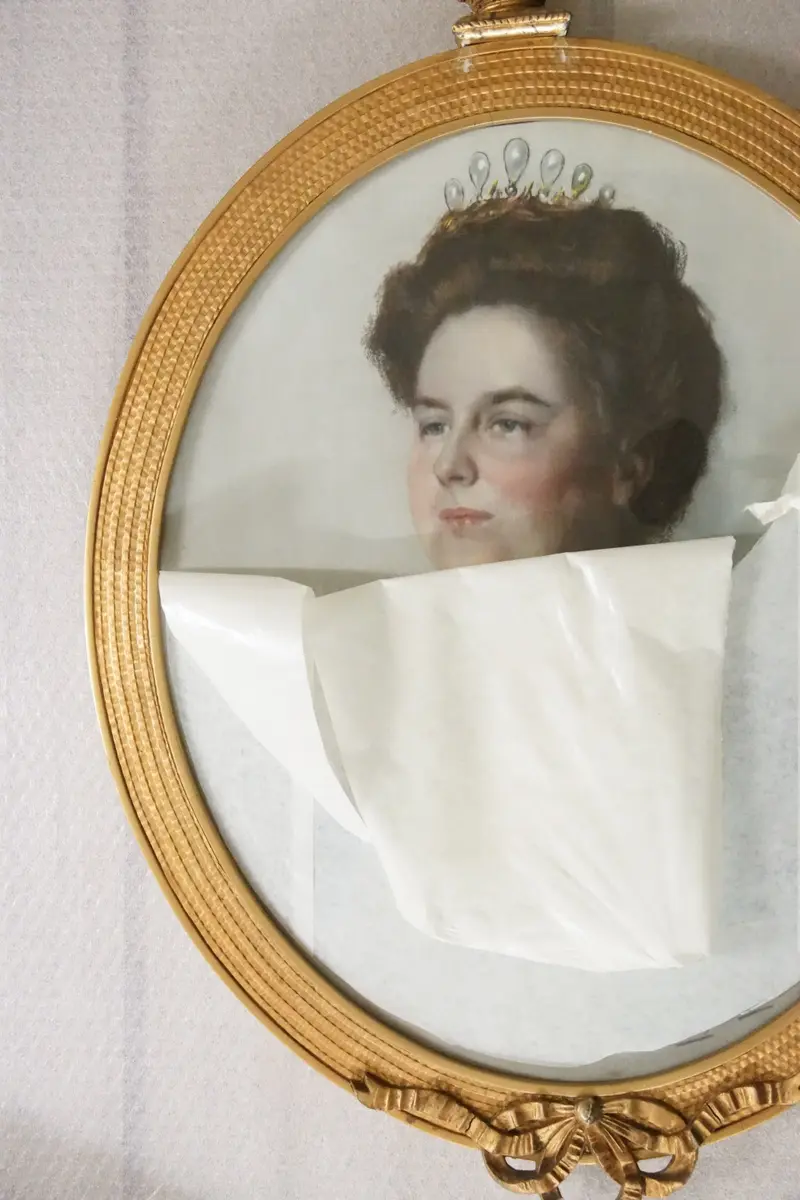
Portret Wilhelmina 020904 Stedelijk Museum Alkmaar
Thérèse Schwartze
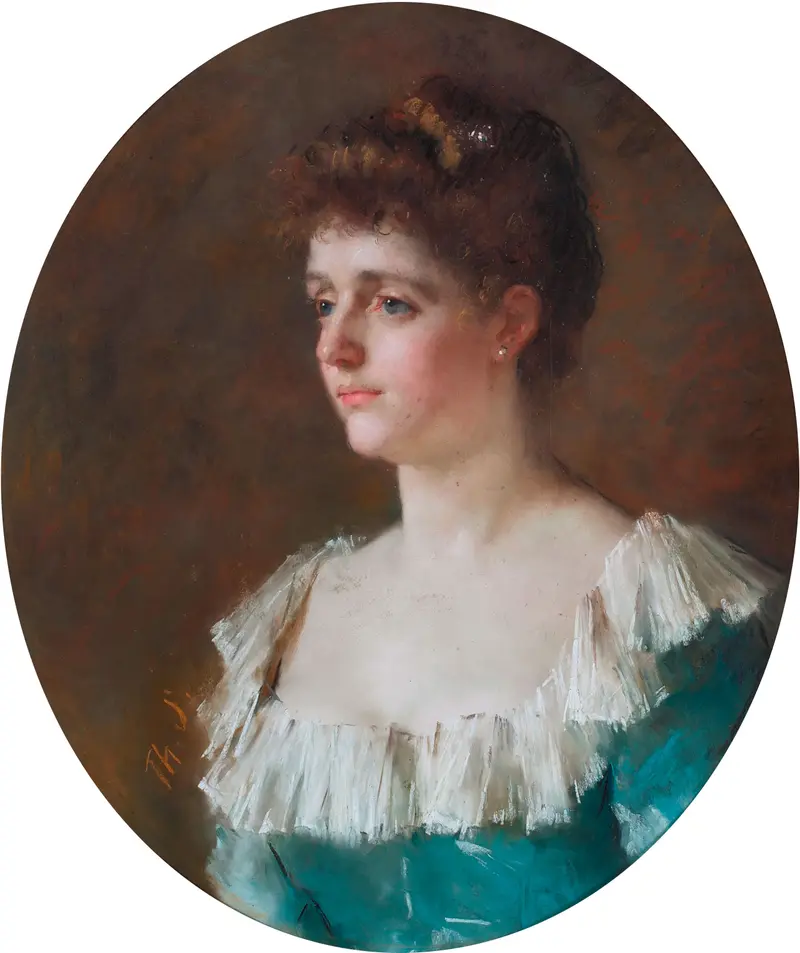
Portrait of Maria Cornelia Schimmelpenninck van der Oye (1857-1891)
Thérèse Schwartze
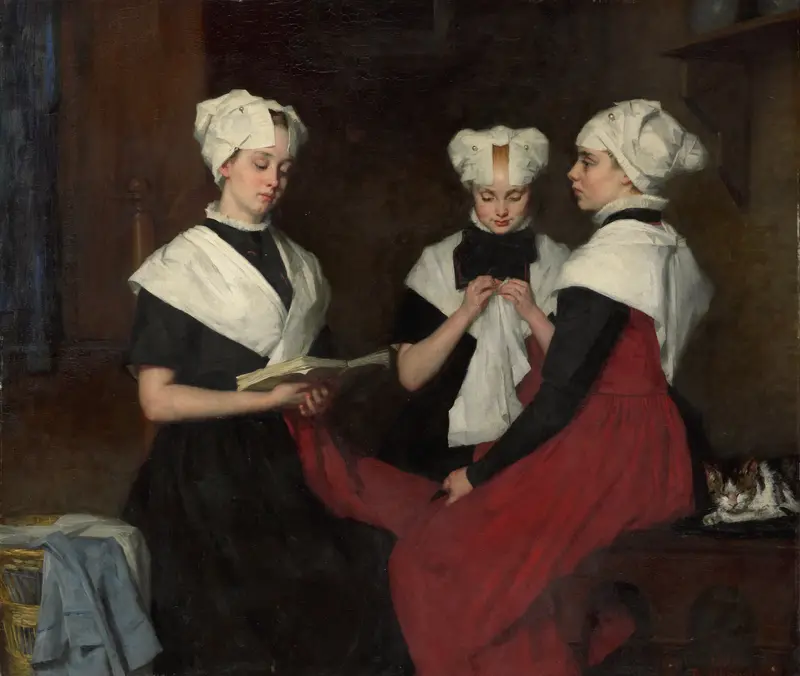
Three girls from the Amsterdam Orphanage
Thérèse Schwartze
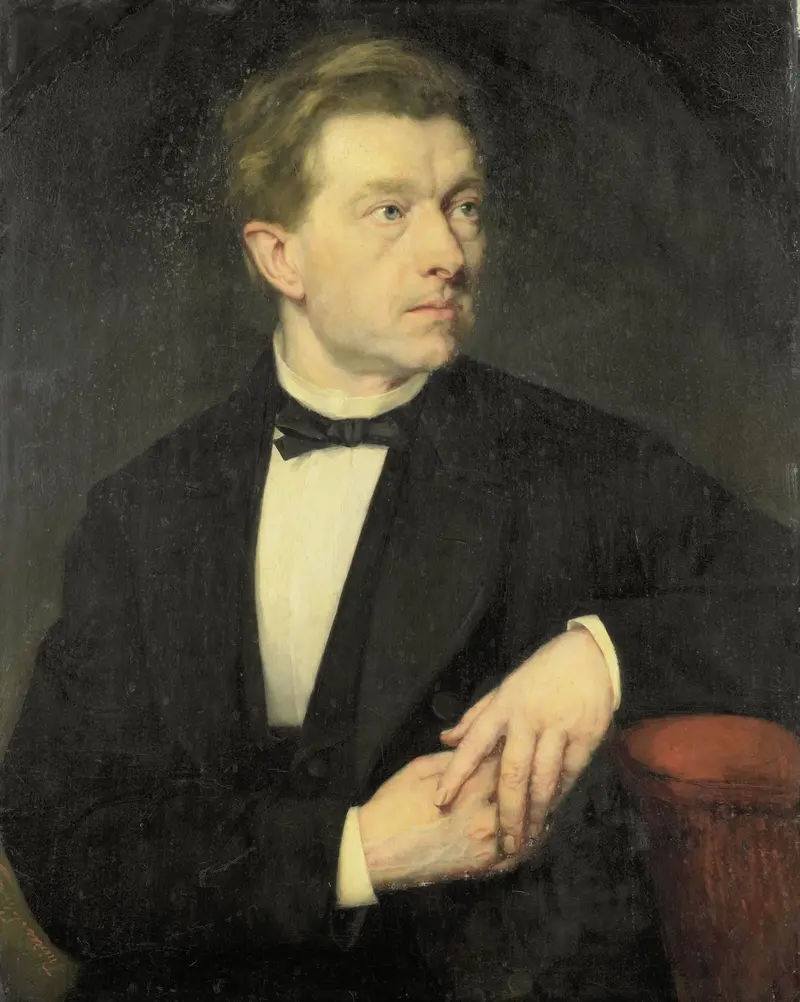
Portrait of Dr. J. L. Dusseau
Thérèse Schwartze
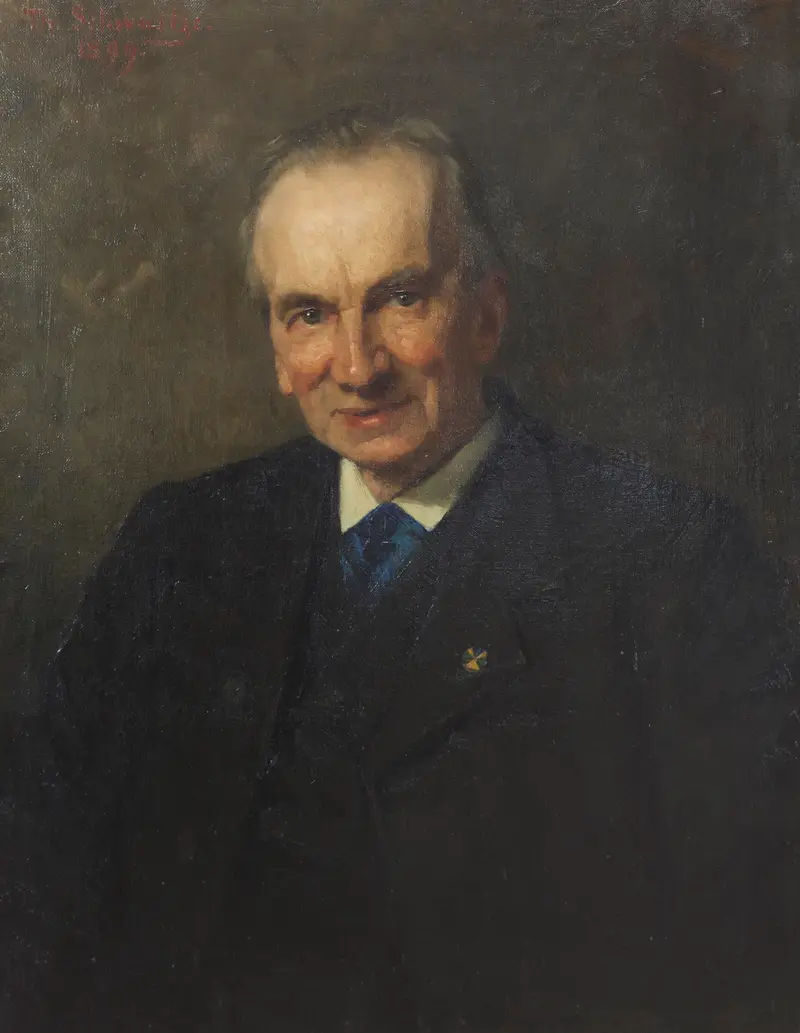
Portrait of Frederik Willem van Eeden
Thérèse Schwartze
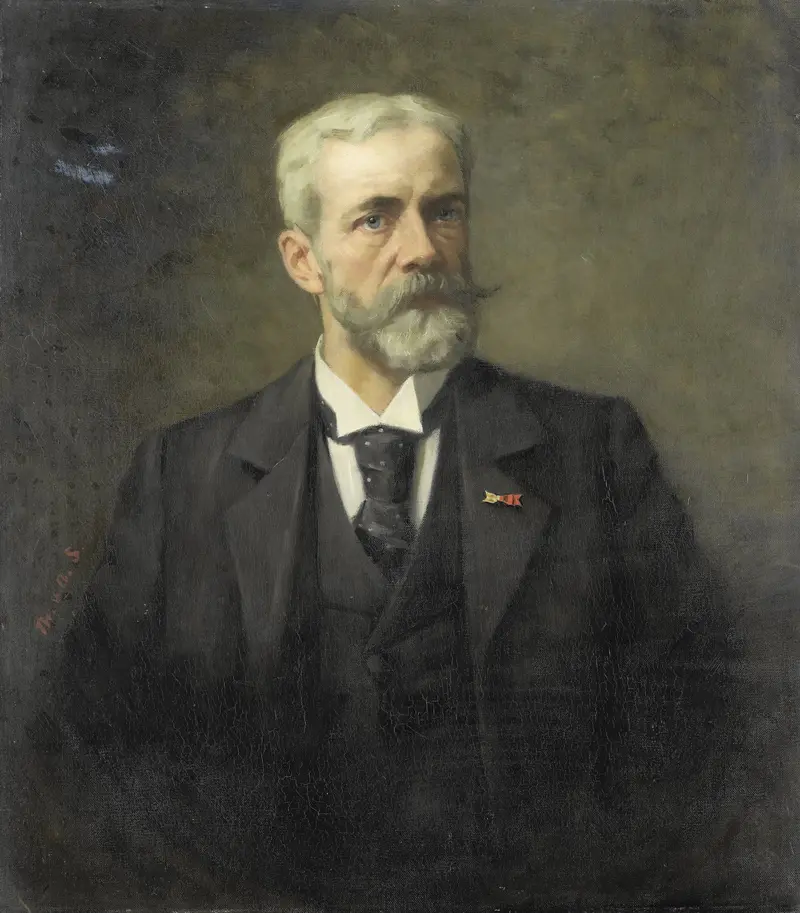
Portrait of Frederik Daniël Otto Obreen (1840-96), director Rijksmuseum
Thérèse Schwartze
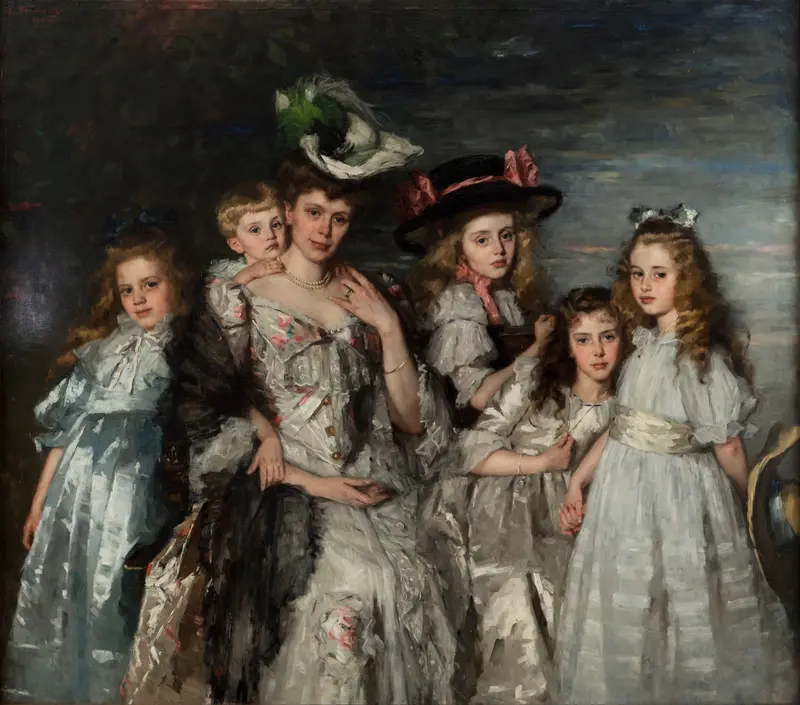
Portrait of Mrs. A.G.M. van Ogtrop-Hanlo (1871-1944) and her five children
Thérèse Schwartze
Portrait of Dr. Salomon Benjamin Druif
Thérèse Schwartze





