
Portrait of an elderly man — History & Facts
No one knows for certain who the sitter is in Portrait of an elderly man, but the painting’s electrifying immediacy has led some historians to speculate it may be a self-portrait of Frans Hals himself, painted around 1630 when the artist was in his late forties. The work’s lively brushwork and the sitter’s direct, almost challenging gaze have long fueled debates about its subject—was this a respected Haarlem burgher, a guild member, or the painter confronting his own mortality? The lack of inscriptions or records has kept the sitter’s identity a mystery, making the painting a touchstone for discussions about anonymity and recognition in Dutch Golden Age portraiture. The man sits turned slightly to one side, his body relaxed but his face illuminated by a shaft of clear northern light. His white ruff and dark coat are rendered with the quick, broken strokes that define Hals’s style, giving the impression of movement and life.
The sitter’s eyes meet ours with a flicker of humor or wisdom, his lips parted as if about to speak. Unlike the formal, static portraits of Rembrandt or Van Dyck, Hals captures a fleeting moment, a sense of presence that feels almost conversational. The simplicity of the background and the absence of symbolic objects focus all attention on the man’s expression—a portrait not of status, but of character. The painting’s early history is undocumented, a common fate for many of Hals’s works, which often remained in private Dutch collections for centuries.
It was only in the nineteenth century, with the rediscovery of Hals’s genius, that Portrait of an elderly man began to appear in exhibition catalogues and scholarly studies. Today, it is recognized as a quintessential example of Hals’s mature period, when his portraits became looser, more daring, and psychologically acute. The painting’s current home is not always certain, as similar works by Hals exist in several major museums, but its influence on later portraiture—especially in its lively brushwork and psychological depth—is widely acknowledged.
More Artworks by Frans Hals

Banquet of the Officers of the St George Civic Guard
Frans Hals

Portrait of Jacob Pietersz Olycan (1596-1638)
Frans Hals

Laughing Cavalier
Frans Hals

Militia Company of District XI under the Command of Captain Reynier Reael, Known as ‘The Meagre Company’
Frans Hals

Regentesses of the Old Men's Alms House
Frans Hals
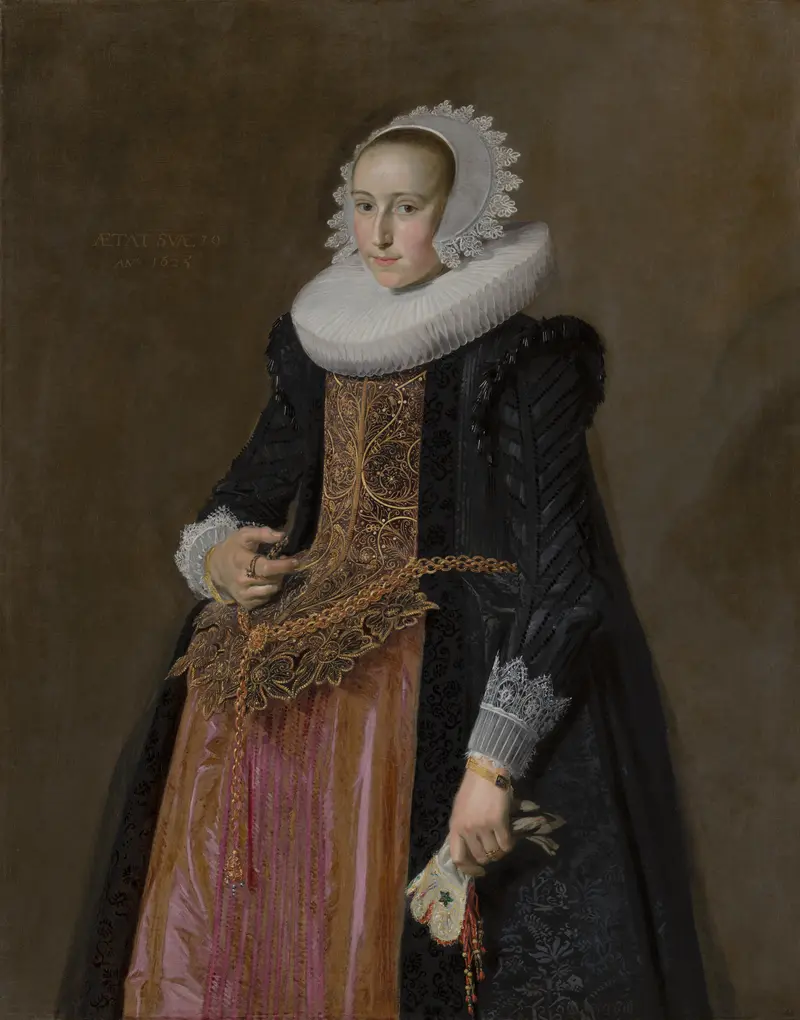
Portrait of Aletta Hanemans (1606–1653)
Frans Hals

Portrait of a Married Couple, Likely Isaac Abrahamsz Massa and Beatrix van der Laen
Frans Hals
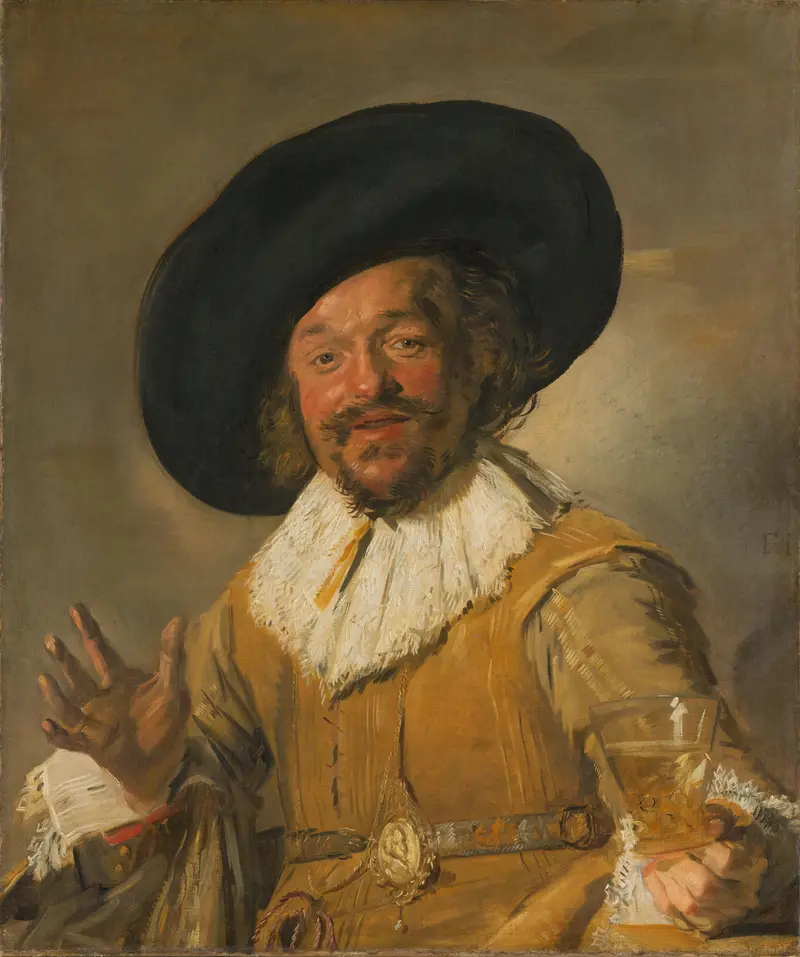
The Merry Drinker
Frans Hals

Portrait of Paulus Verschuur
Frans Hals

Portrait of Pieter van den Broecke
Frans Hals





