
Portrait of Anna of Egmond (1533–1558), Countess of Buren — History & Facts
What first catches the eye in Portrait of Anna of Egmond (1533–1558), Countess of Buren is the commanding stillness of Anna herself, set against a sumptuous red curtain that seems almost to pulse with the weight of her status. The painter, Antonis Mor, draws you in with the sharp contrast between the dark velvet of her gown and the luminous, almost sculptural sleeves, their billowing forms echoing the grandeur of her position. Jewels cluster at her throat and across her bodice, each pearl and gold bead a silent testament to her inheritance and the political alliances woven through her life.
Her right hand rests on a fan, her left on the ledge, fingers adorned with rings—each detail chosen to speak of wealth, lineage, and the careful choreography of courtly display. The inscription in the upper left, painted in a crisp, formal script, fixes her identity for posterity, anchoring her story in both image and word. This painting belongs to a world where portraiture was power—where the right likeness could secure a marriage, cement a dynasty, or project a family's claim to lands and titles. In the mid-16th century, artists like Antonis Mor were called upon by Europe's elite to create images that balanced realism with idealization, capturing not only a sitter's features but their role in the great game of inheritance and alliance.
Anna of Egmond, as the daughter and heir of Count Maximiliaan van Egmond, was one of the most sought-after women in the Netherlands, her marriage to William the Silent orchestrated by none other than Emperor Charles V. While the precise history of this particular canvas is not fully traced, its style and iconography root it firmly in the tradition of court portraiture that flourished in the Habsburg Netherlands—a tradition that invites us, centuries later, to read the language of power in every fold of silk and glint of gold.
More Artworks by Antonis Mor

Portrait of a Man
Antonis Mor
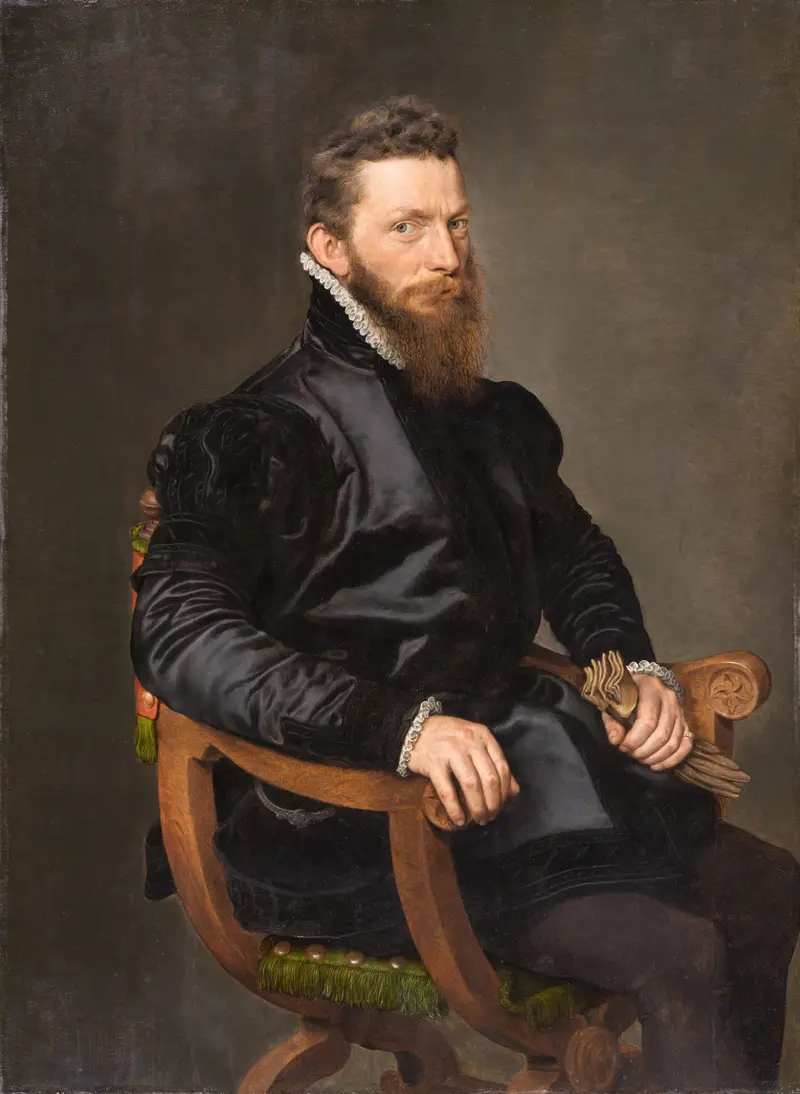
Portrait of a Gentleman
Antonis Mor
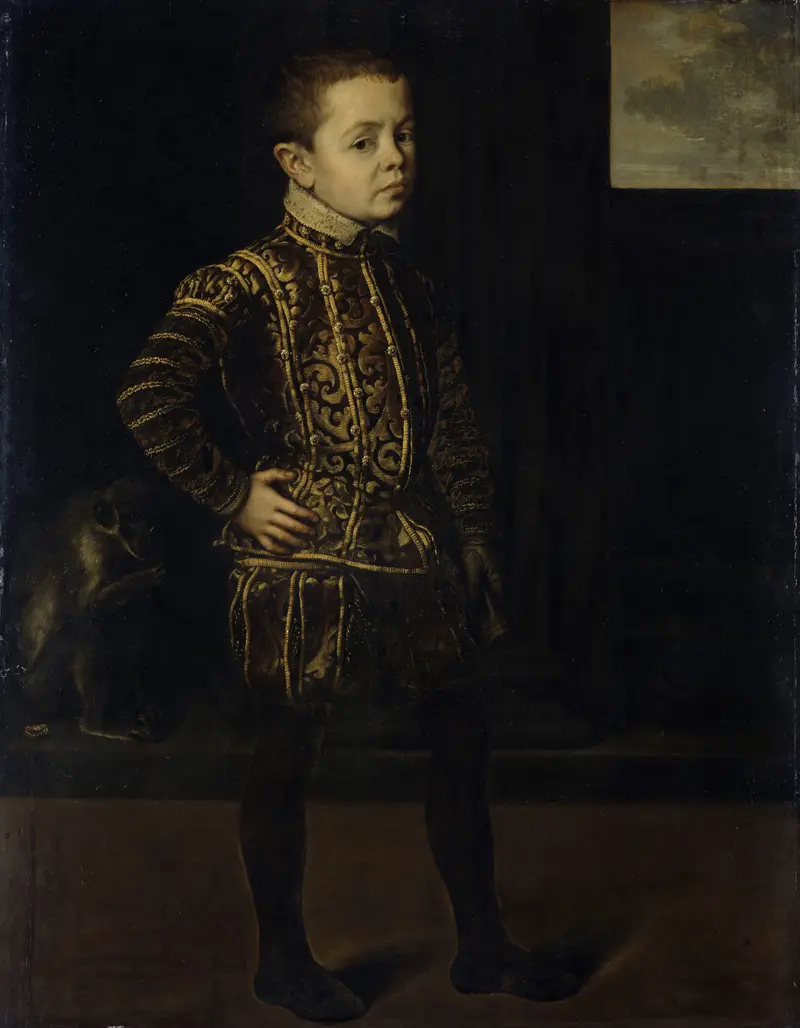
Portrait of a young prince
Antonis Mor
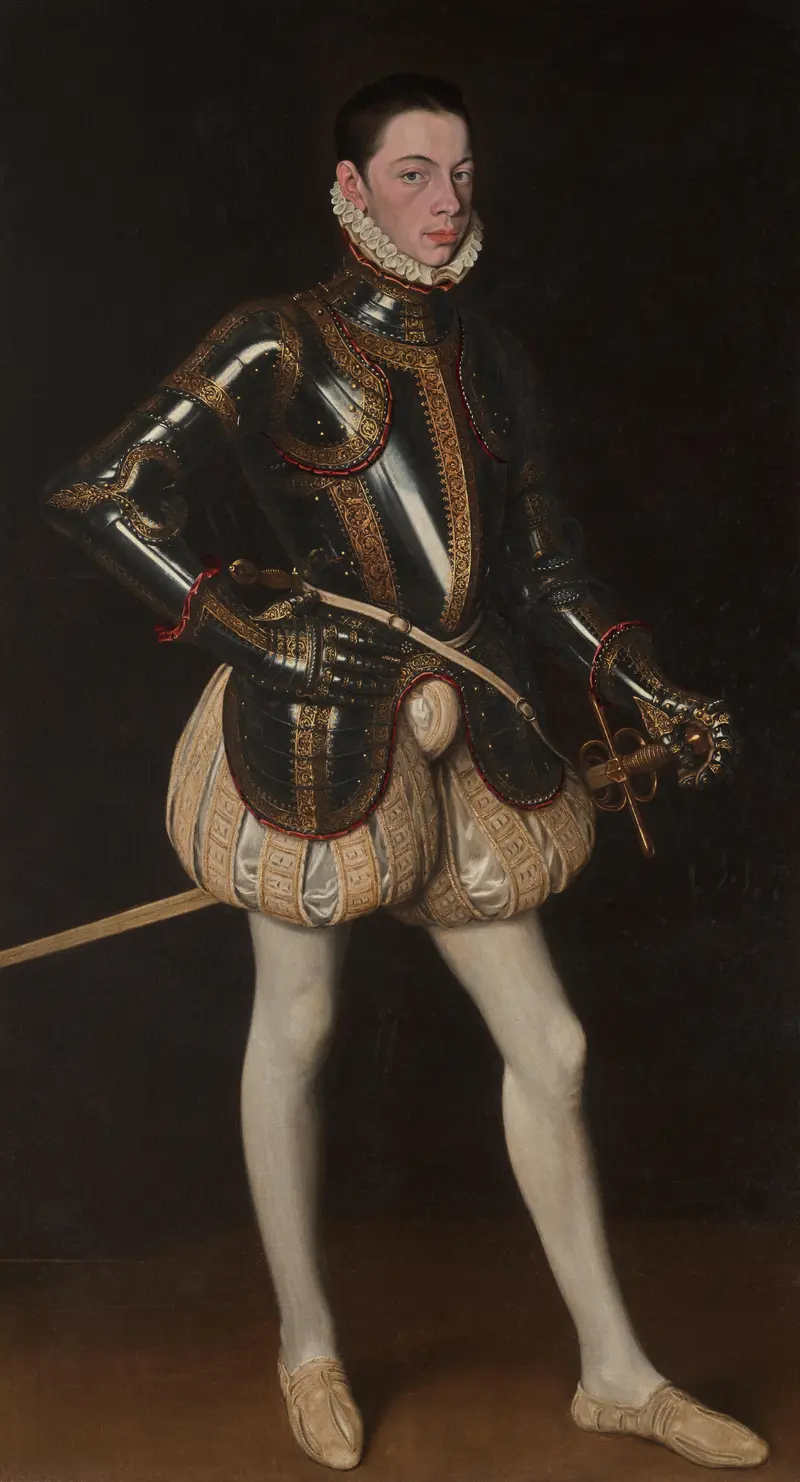
Alessandro Farnese in Armor
Antonis Mor
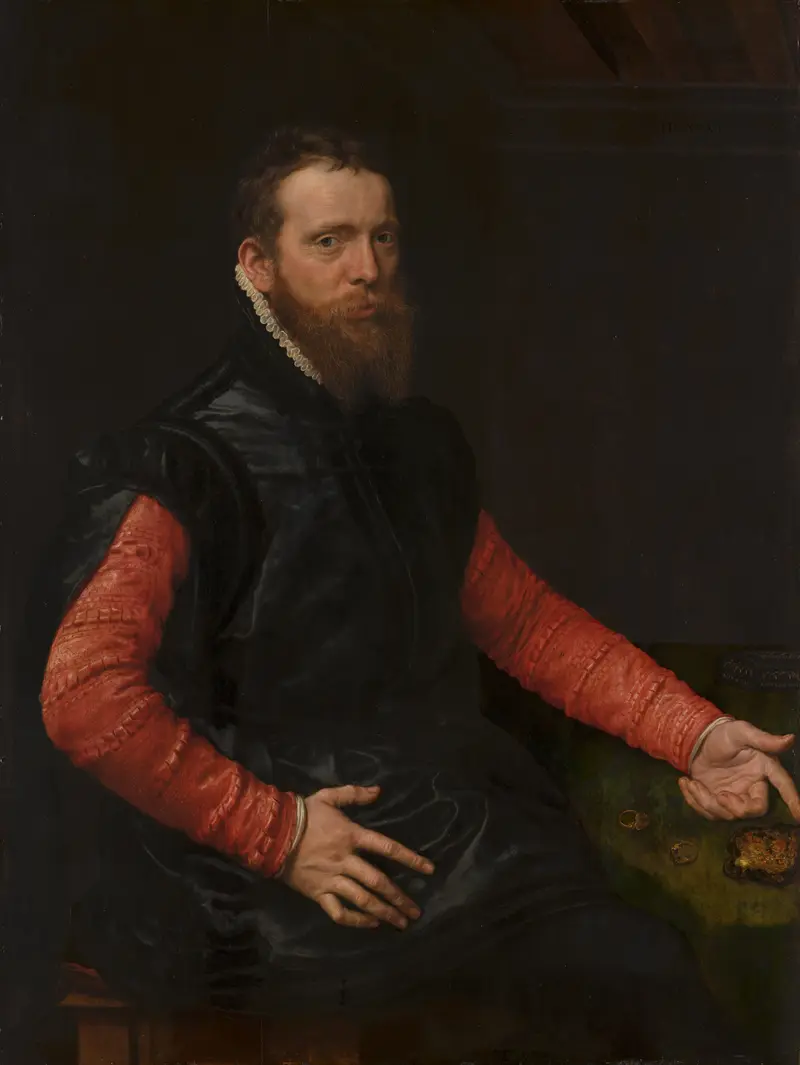
Steven van Herwijck
Antonis Mor
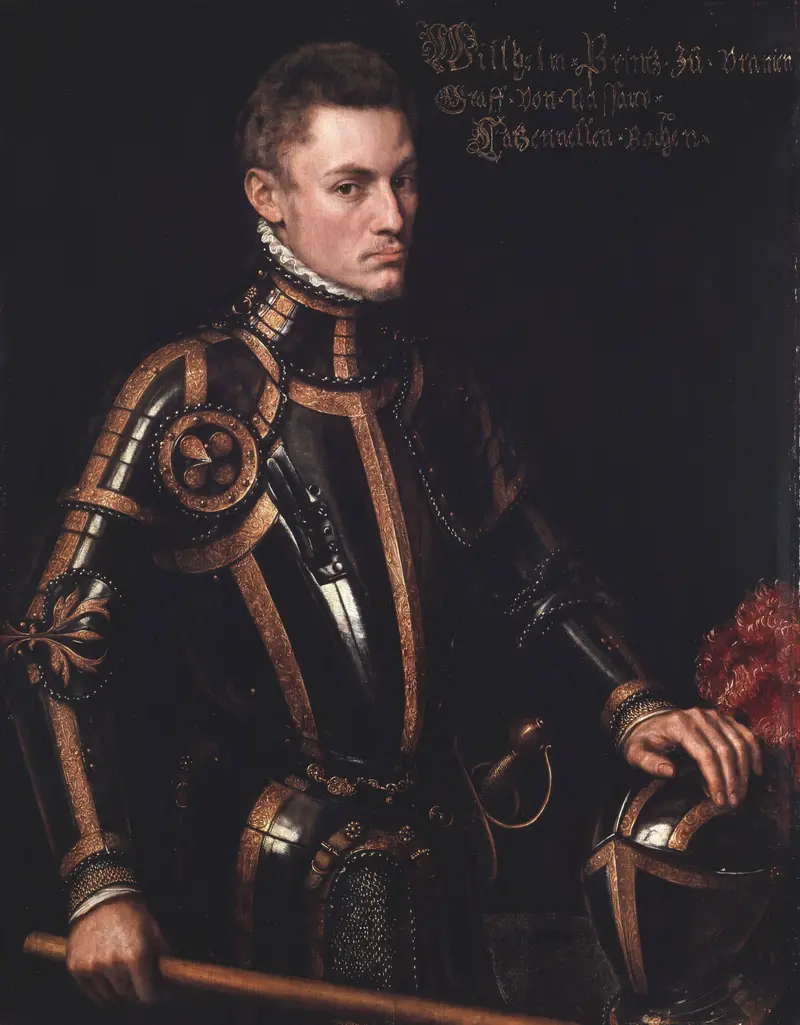
Portrait of William I of Nassau
Antonis Mor
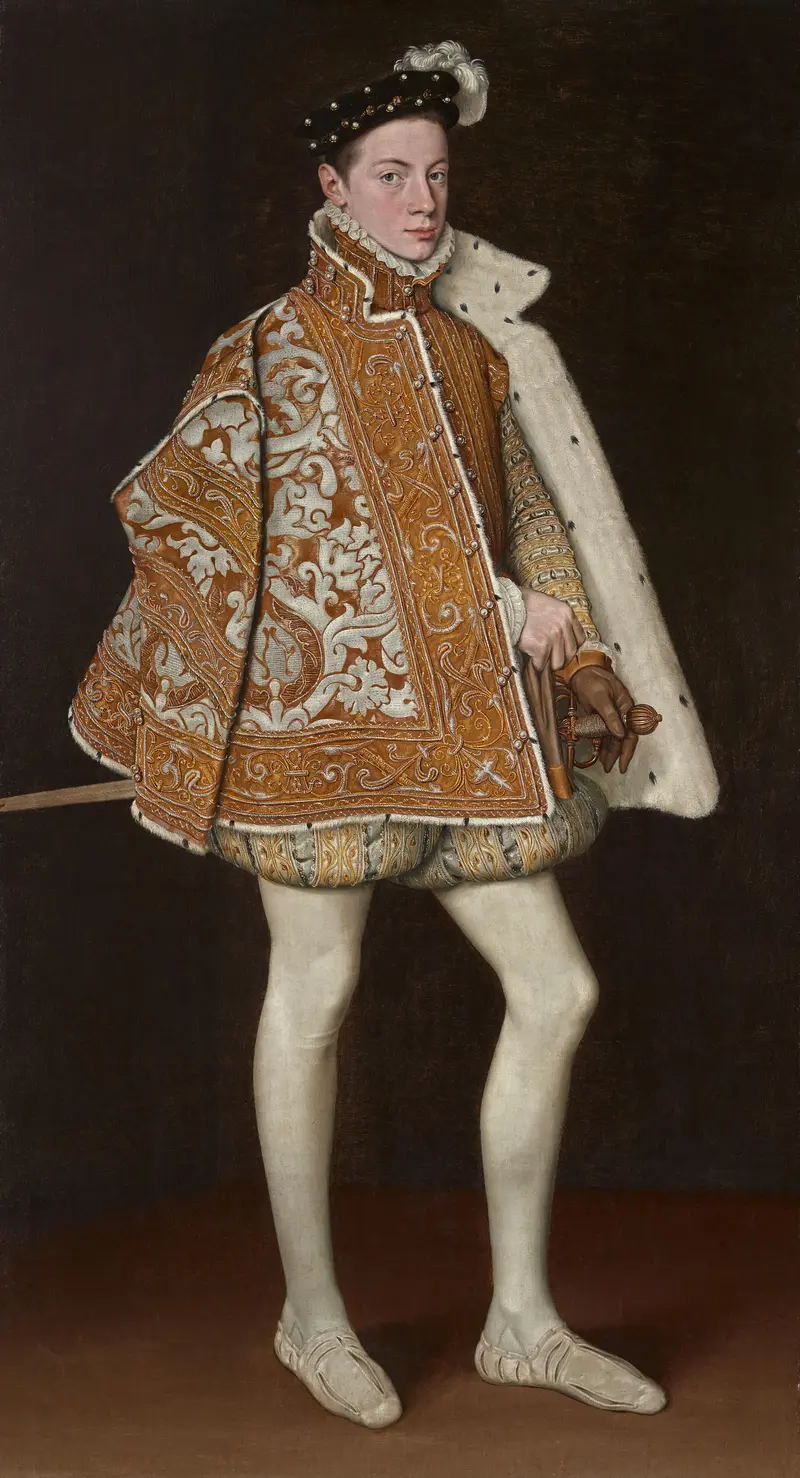
Portrait of Alessandro Farnese in Cape and Black Cap
Antonis Mor
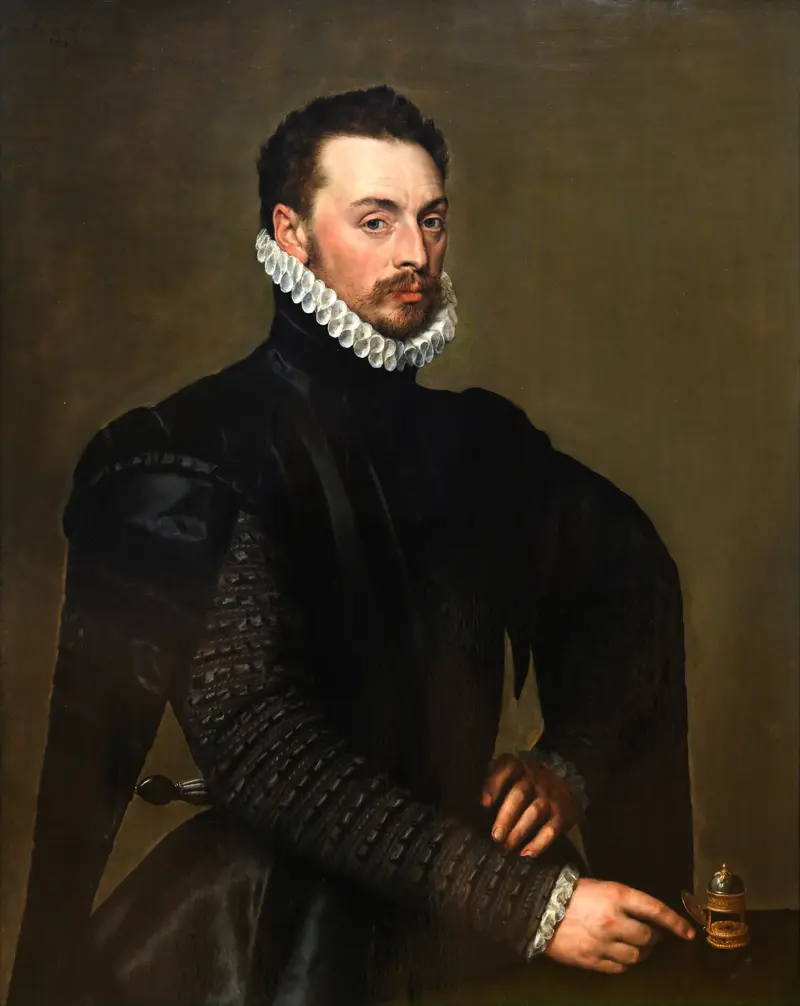
Portrait d'homme désignant une pendule Antonio Moro Musée du Louvre Peintures INV 1582 ; MR 880
Antonis Mor
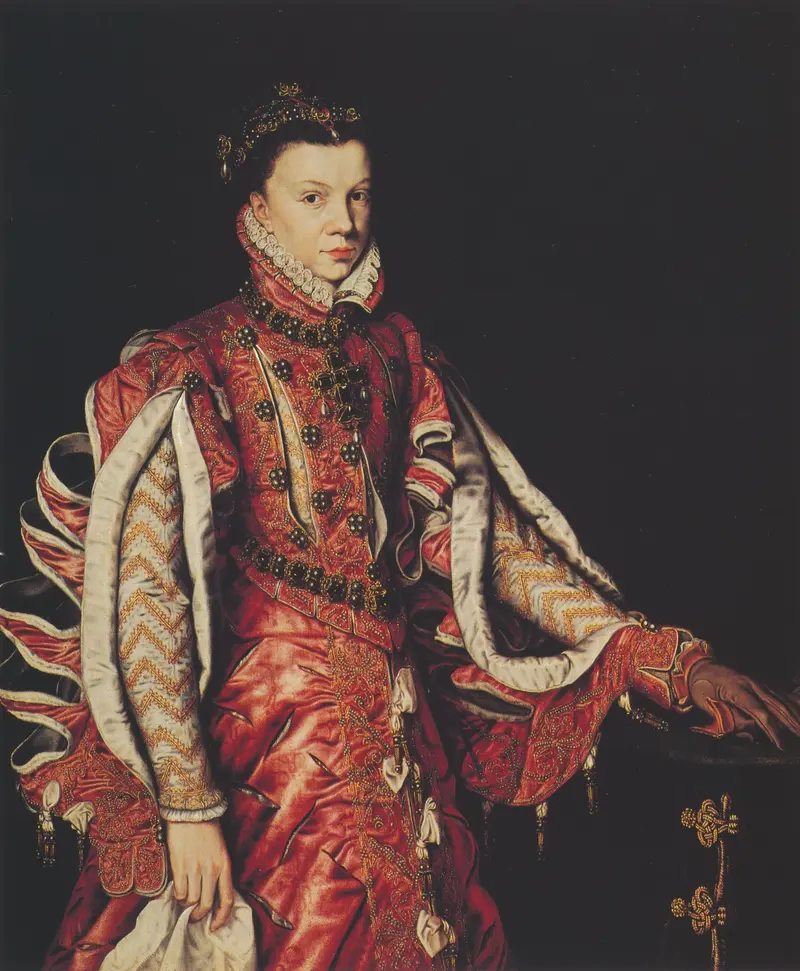
Portrait of Elisabeth of Valois, third wife of King Philip II of Spain
Antonis Mor
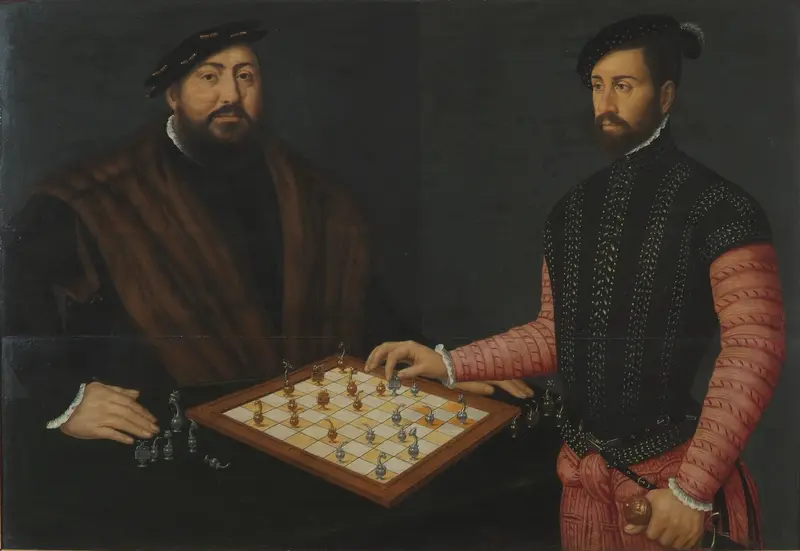
Von Sachsen vs. a Spaniard
Antonis Mor





