
Portrait of Béatrice Hastings — History & Facts
When Amedeo Modigliani painted Portrait of Béatrice Hastings in 1916, he was at the height of a stormy love affair with his muse, the English writer and critic Béatrice Hastings. Their relationship, notorious among the Montparnasse bohemians, was marked by public quarrels and artistic inspiration—Hastings would later recall, "I was his only intellectual companion." This painting is one of at least fourteen portraits Modigliani made of her during their two-year liaison, each capturing a different facet of her complex character. The sheer number of versions speaks to her importance in his life and work, and to the intensity with which he sought to understand her through paint. Here, Modigliani chooses not to flatter but to probe.
Béatrice sits upright, her elongated neck and almond-shaped eyes rendered in the artist’s unmistakable style, her gaze direct yet enigmatic. The background is pared down, focusing all attention on her face, which is both mask-like and expressive—a hallmark of Modigliani’s approach, influenced by African sculpture and Italian Renaissance portraiture. The subtle tilt of her head and the closed lips suggest both defiance and introspection, as if she is aware of being watched but refuses to yield her secrets.
In contrast to the lush, psychological realism of a John Singer Sargent portrait, Modigliani’s Béatrice is distilled, her essence captured in line and color rather than detail. The exact medium of this work is not always specified, but it is typical of Modigliani’s portraits from this period, most of which were executed in oil on canvas. After its creation, the painting likely remained in private hands, as did many of Modigliani’s works, which were not widely recognized until after his untimely death in 1920. Today, Portrait of Béatrice Hastings stands as a testament to both a personal relationship and a pivotal moment in the artist’s career, when he was forging his mature style amid the creative ferment of early twentieth-century Paris.
The painting’s journey from a private memento of love and conflict to a celebrated museum piece mirrors Modigliani’s own rise from obscurity to international acclaim.
More Artworks by Amedeo Modigliani
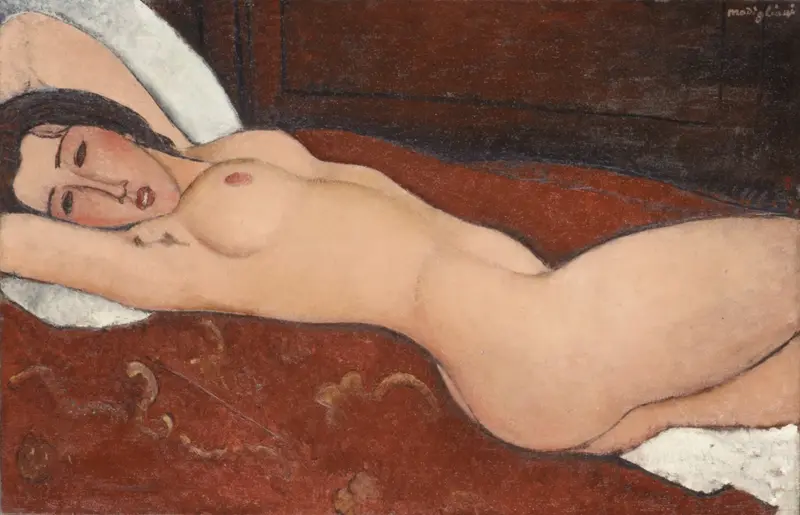
Reclining Nude
Amedeo Modigliani

Portrait Of Jeanne Hébuterne
Amedeo Modigliani

Jeanne Hébuterne
Amedeo Modigliani
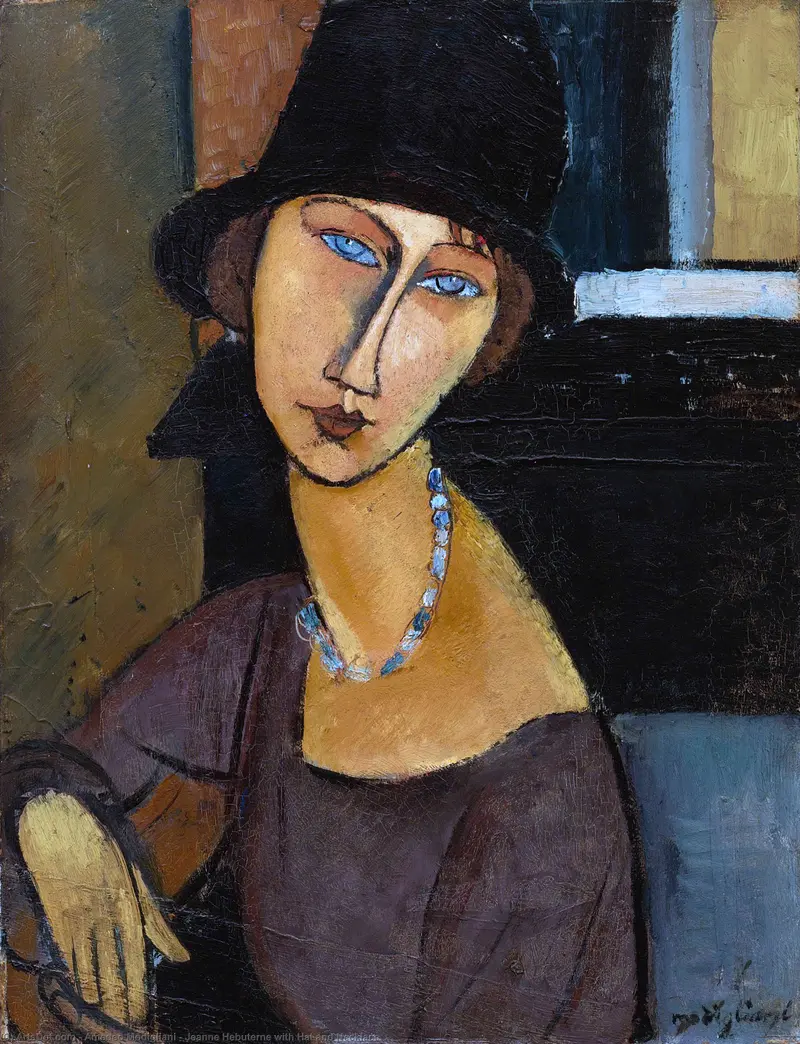
Jeanne Hébuterne with Hat and Necklace
Amedeo Modigliani
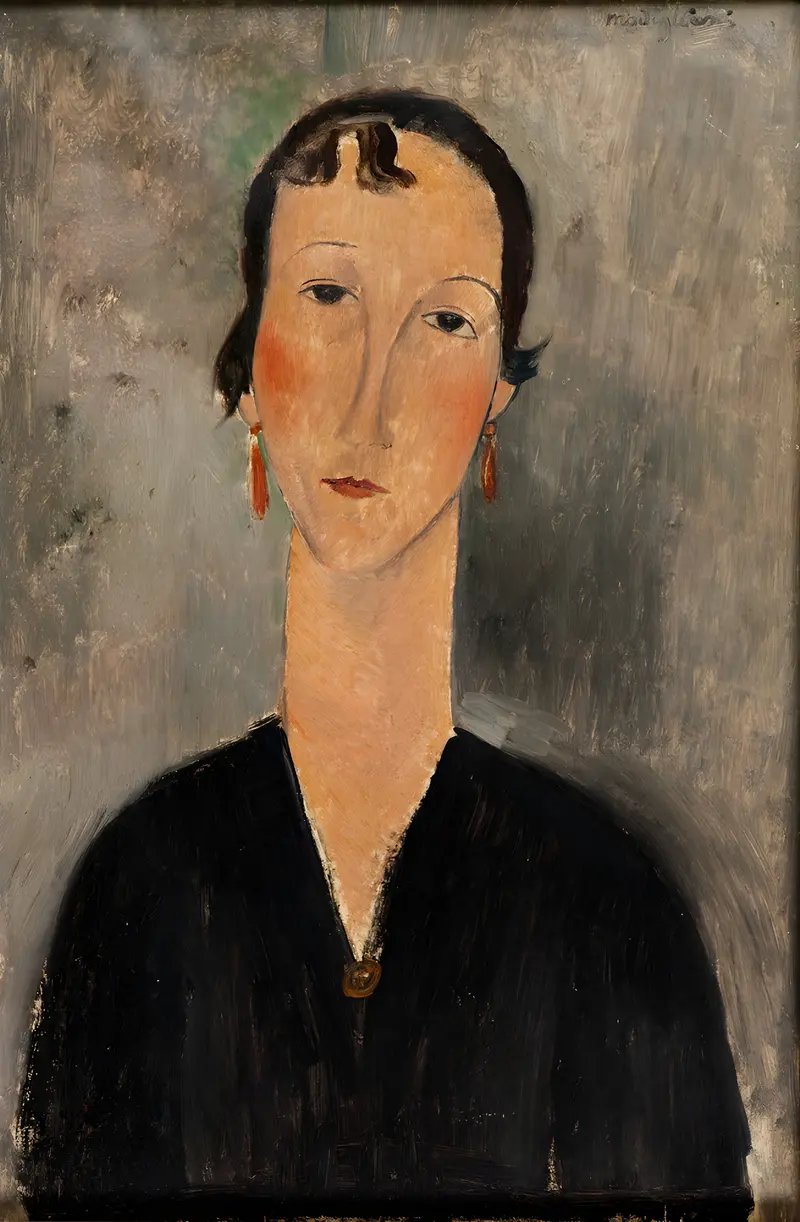
Femme aux boucles d'oreilles
Amedeo Modigliani
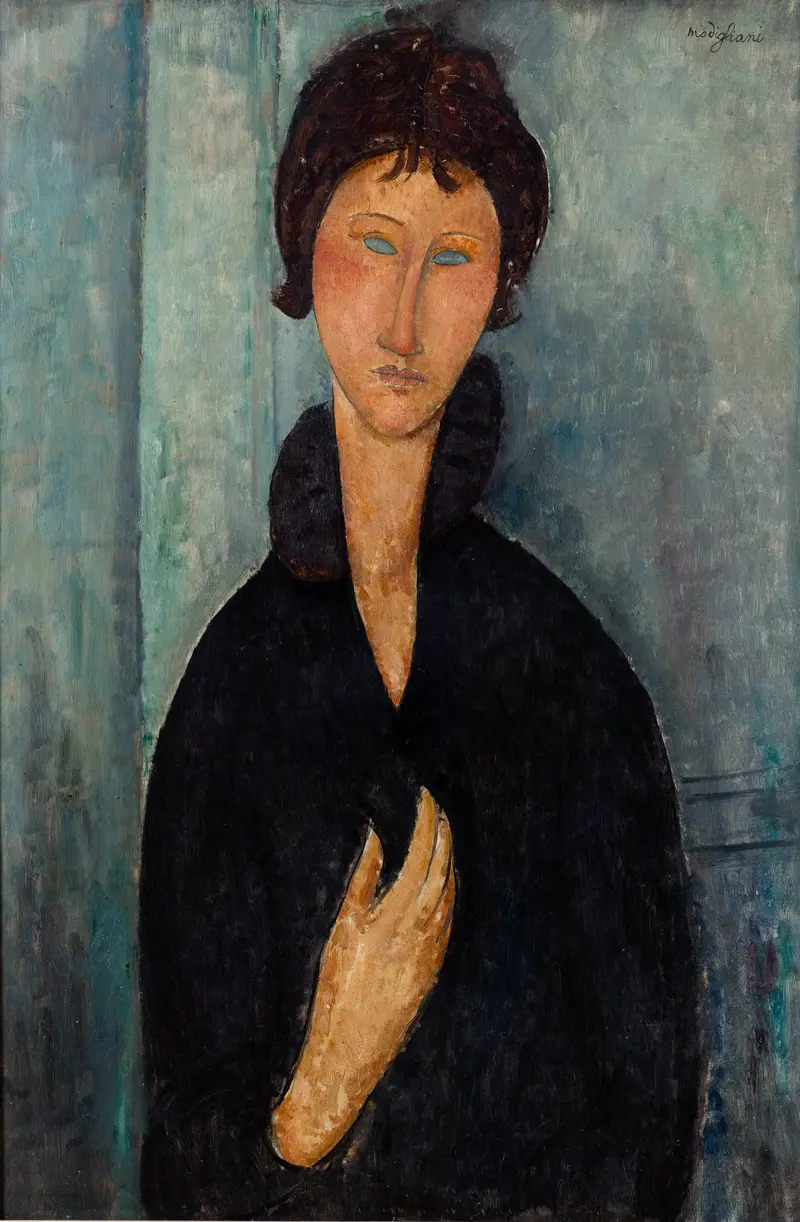
Femme aux yeux bleus
Amedeo Modigliani
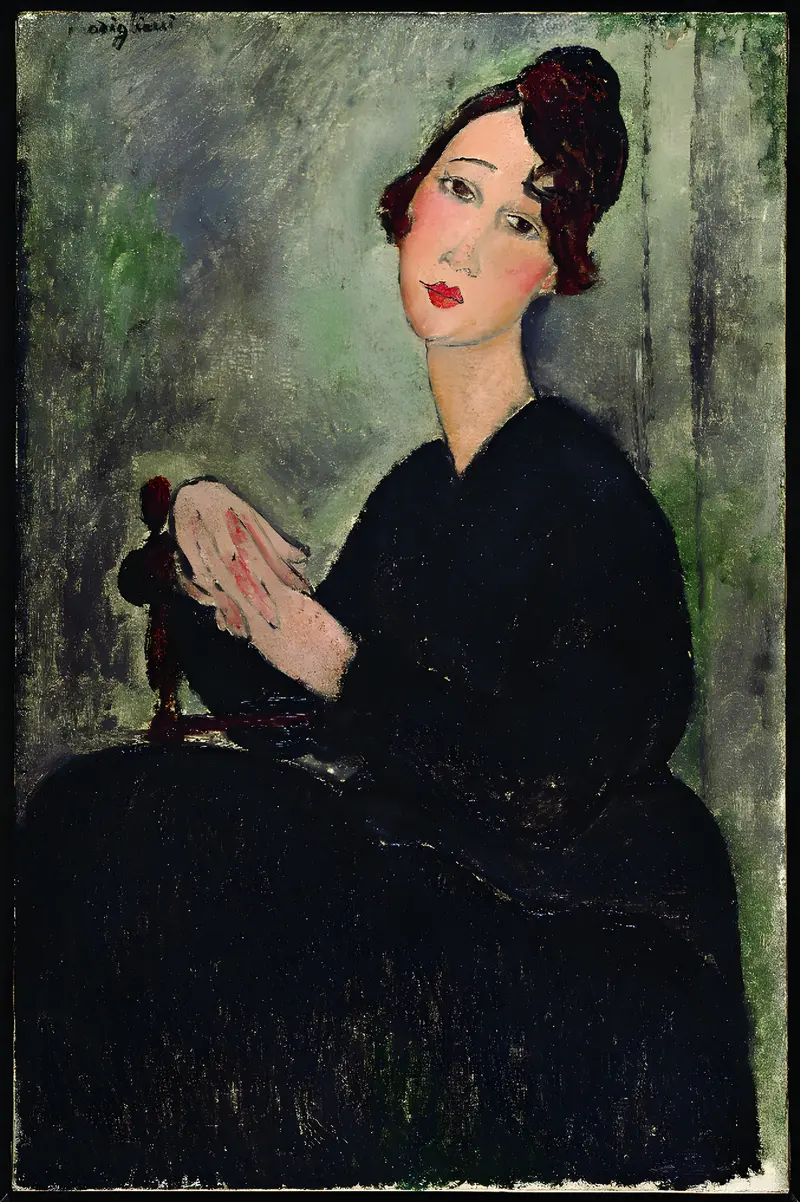
Portrait of Dedie
Amedeo Modigliani
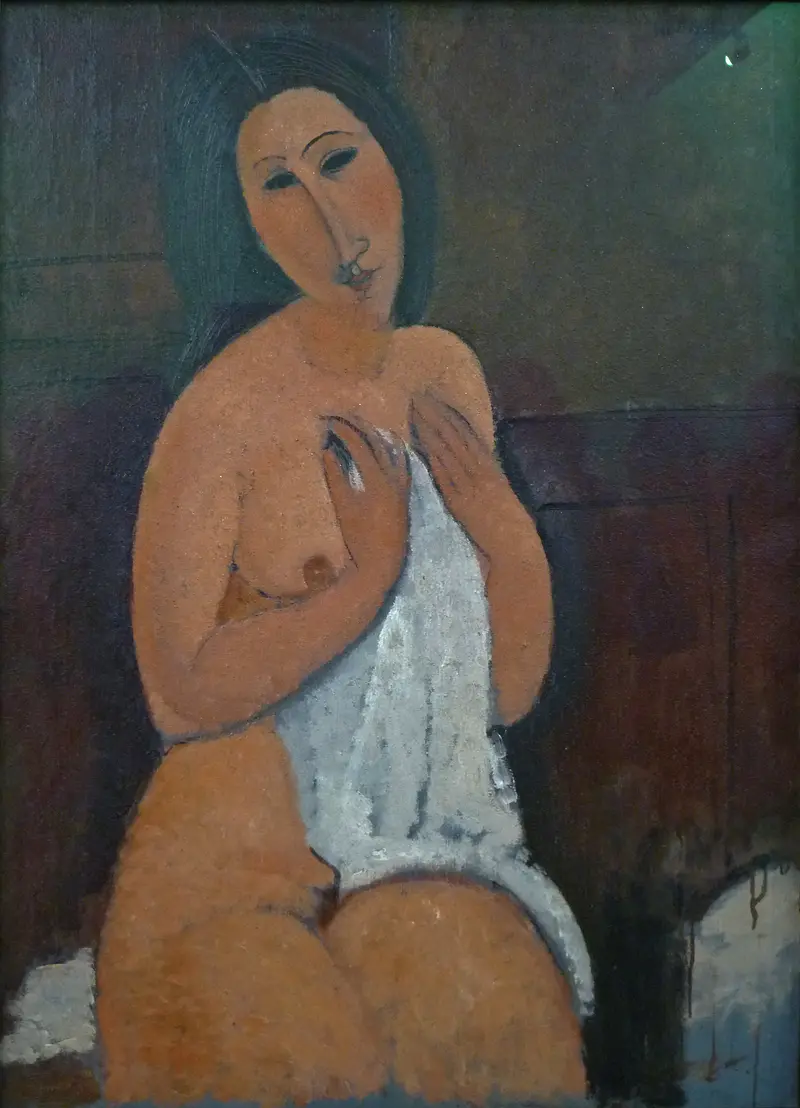
Seated nude with shirt
Amedeo Modigliani
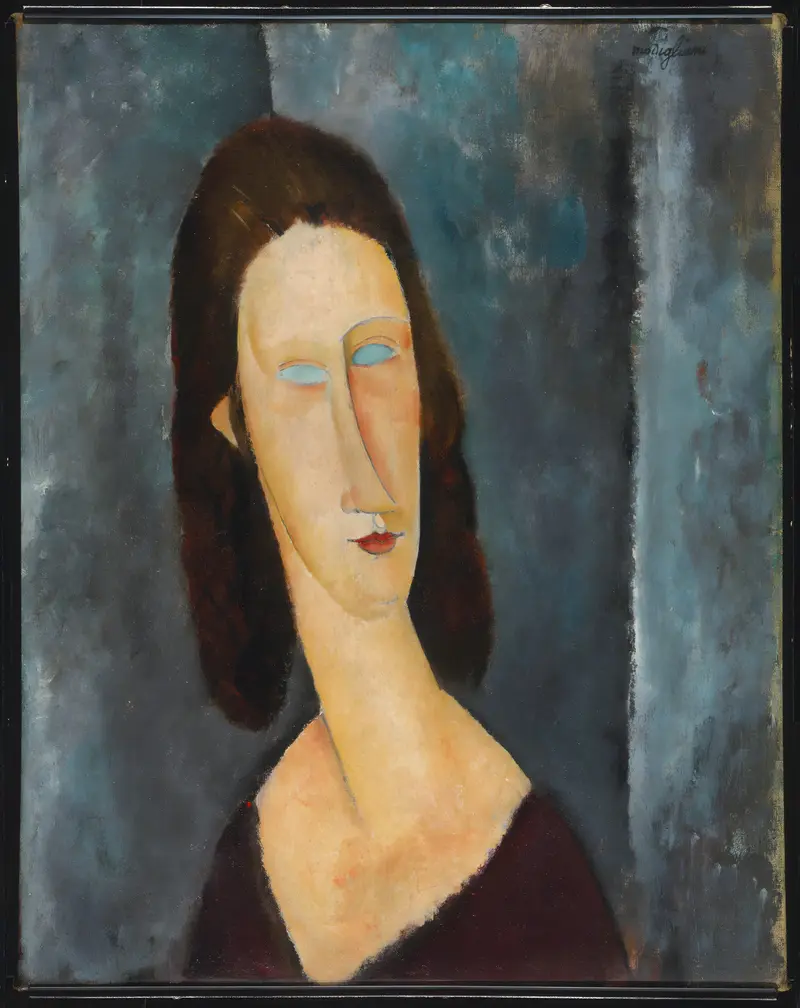
Blue Eyes (Portrait of Madame Jeanne Hébuterne)
Amedeo Modigliani
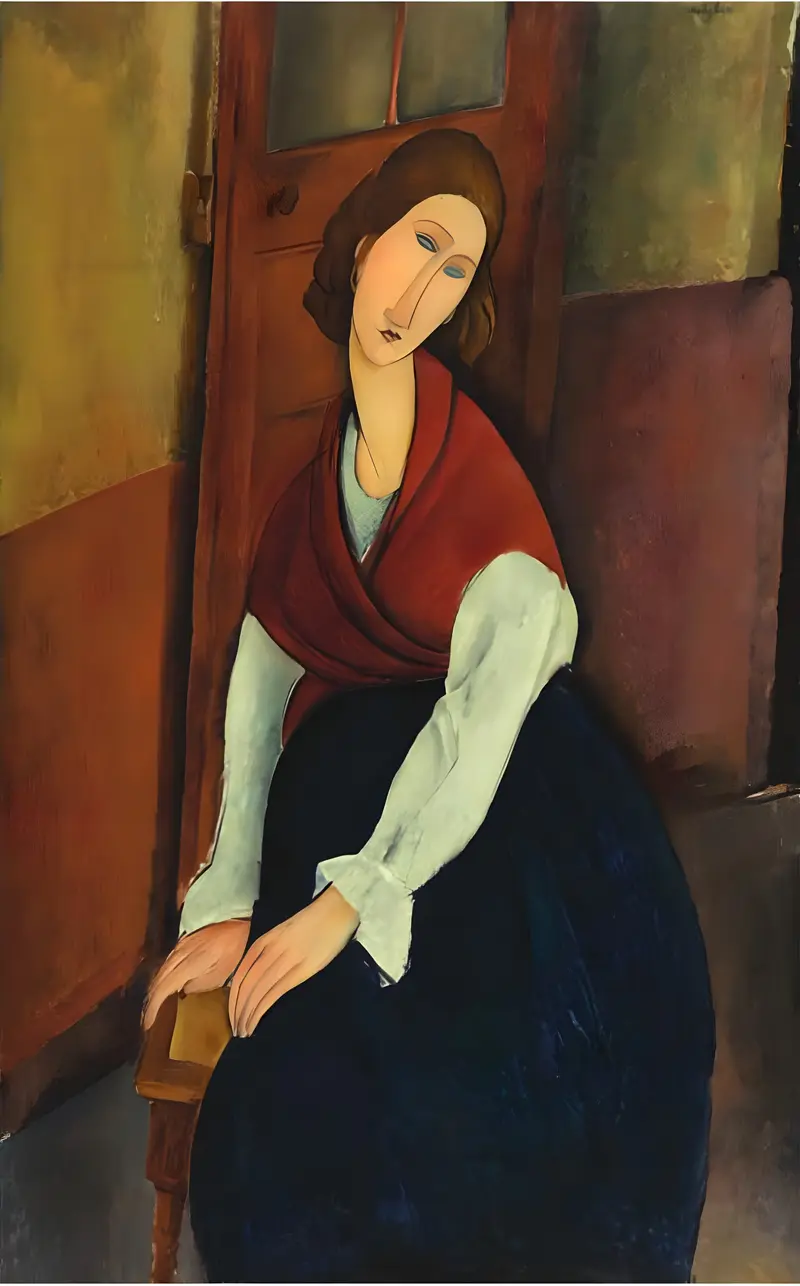
Jeanne Hebuterne in Red Shawl
Amedeo Modigliani





