
Portrait of Cardinal Alessandro Farnese — History & Facts
When Raphael painted Portrait of Cardinal Alessandro Farnese in 1509, he was capturing not just a likeness but the very image of a future pope. Alessandro Farnese, then a young cardinal, would later ascend to the papacy as Paul III, steering the Catholic Church through the turbulent years of the Reformation. This portrait stands as one of the earliest visual records of a man whose decisions would shape European history, and whose family would become synonymous with Renaissance patronage and power. The cardinal sits turned slightly toward the viewer, his gaze steady yet reserved, a glint of calculation in his eyes.
Dressed in the scarlet robes of his rank, Alessandro’s right hand rests on a letter, an emblem of his diplomatic role within the Vatican. The soft, almost atmospheric light falls across his face, lending a sense of immediacy and presence. Unlike the imposing grandeur of Titian’s later papal portraits, Raphael opts for intimacy, focusing on the youth and ambition of his sitter.
The background is subdued, drawing all attention to the cardinal’s expression, hinting at the intellect and resolve that would define his later rule. The exact journey of this painting is not fully documented, and scholars still debate whether it was commissioned by the Farnese family or by a Vatican patron. What is certain is that Portrait of Cardinal Alessandro Farnese marks a pivotal moment in Raphael’s Roman period, when he was forging connections with the most powerful families of Italy. The work’s attribution has never been seriously questioned, and it remains a touchstone for understanding Raphael’s approach to psychological portraiture.
Today, it is preserved as a testament to both the sitter’s destiny and the artist’s evolving genius, admired for the delicate balance of realism and idealism that would become Raphael’s hallmark.
More Artworks by Raphael

Madonna of the Goldfinch
Raphael

Madonna with the Fish
Raphael
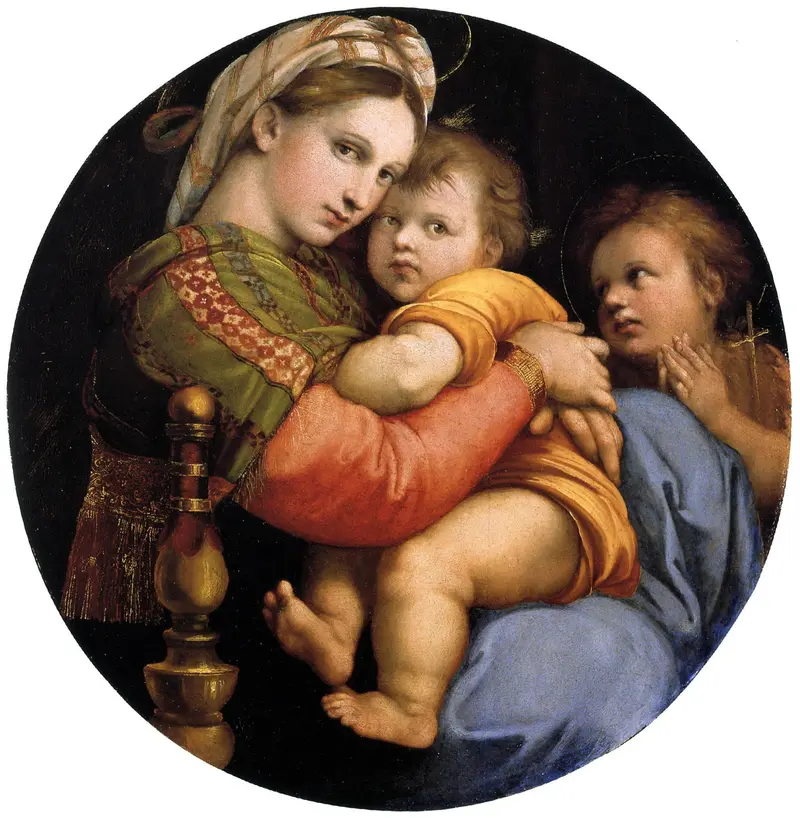
Madonna and Child (Madonna della Seggiola)
Raphael
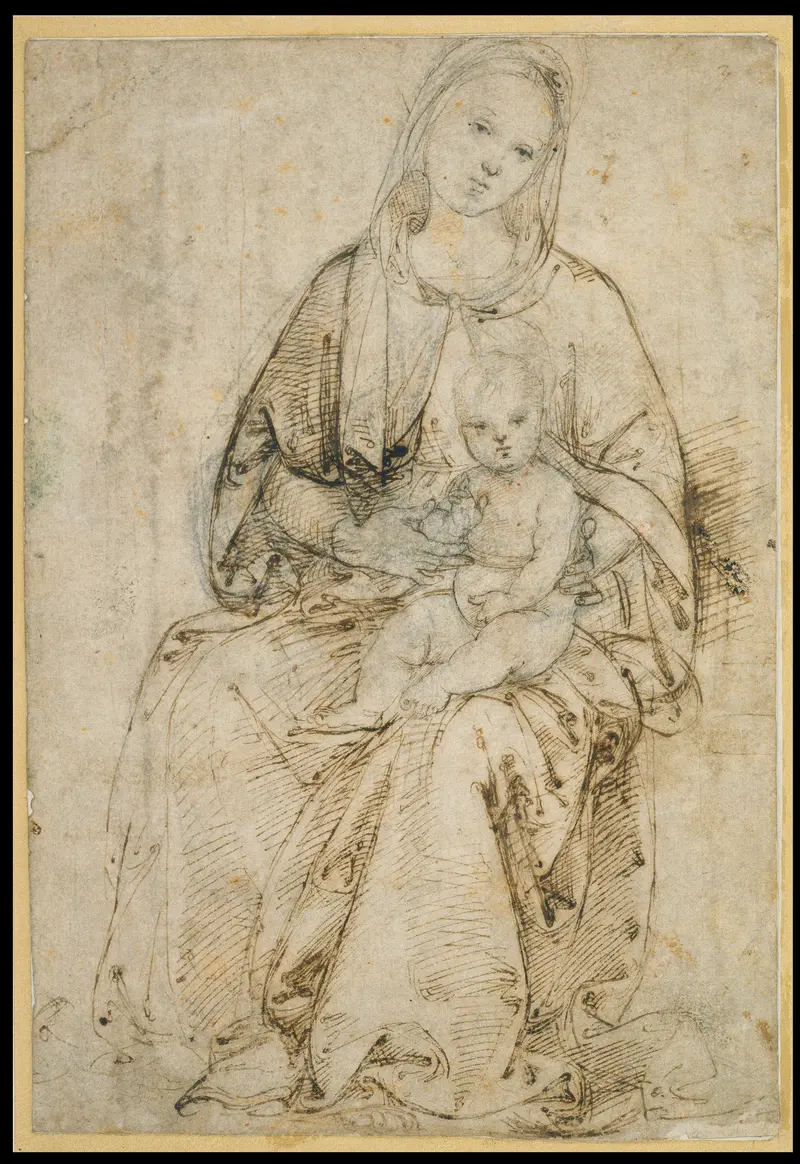
Seated Madonna and Child
Raphael
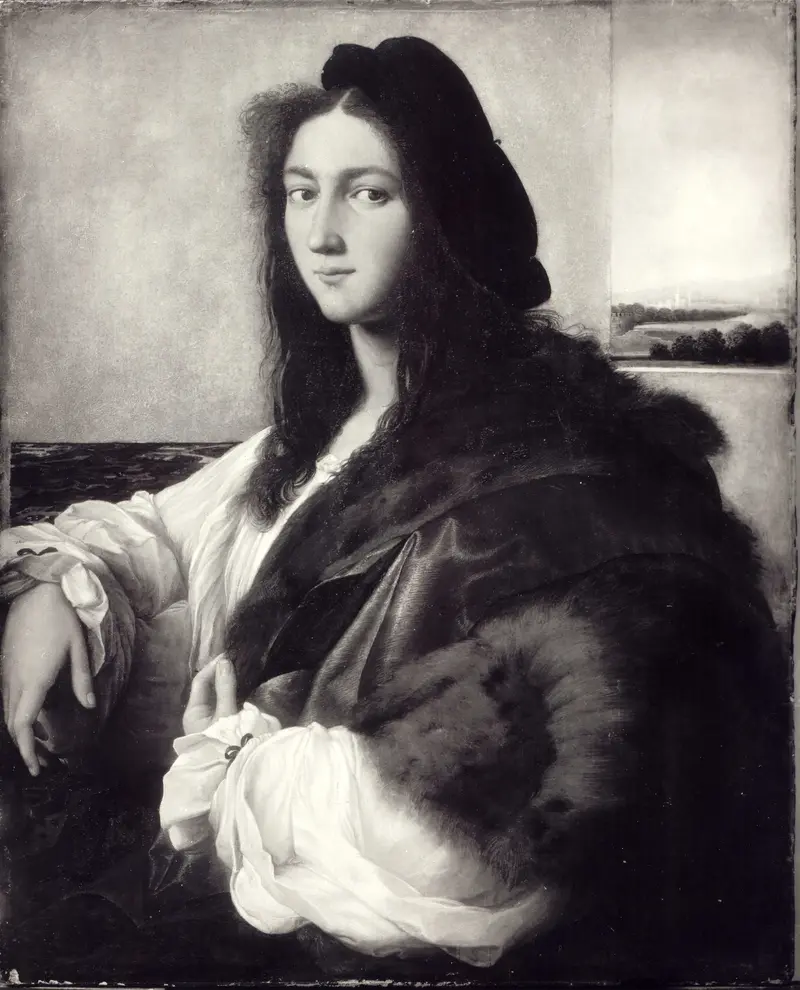
Portrait of a Young Man
Raphael
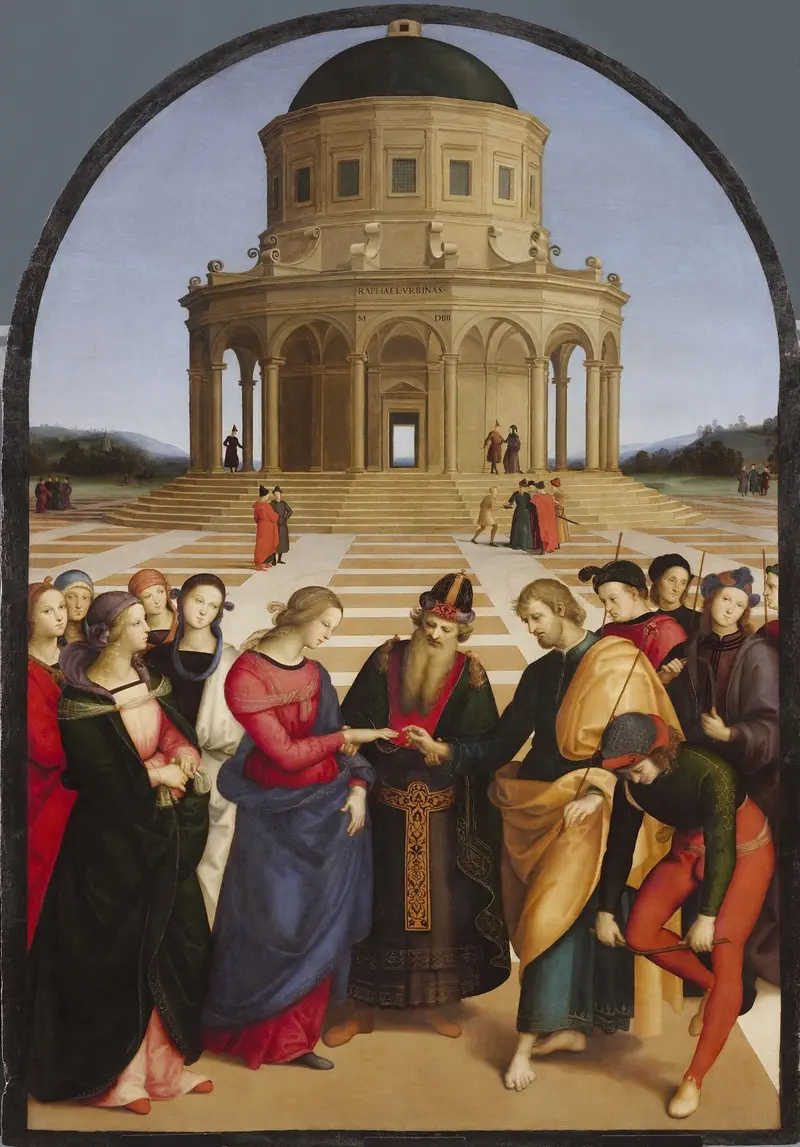
The Marriage of the Virgin
Raphael
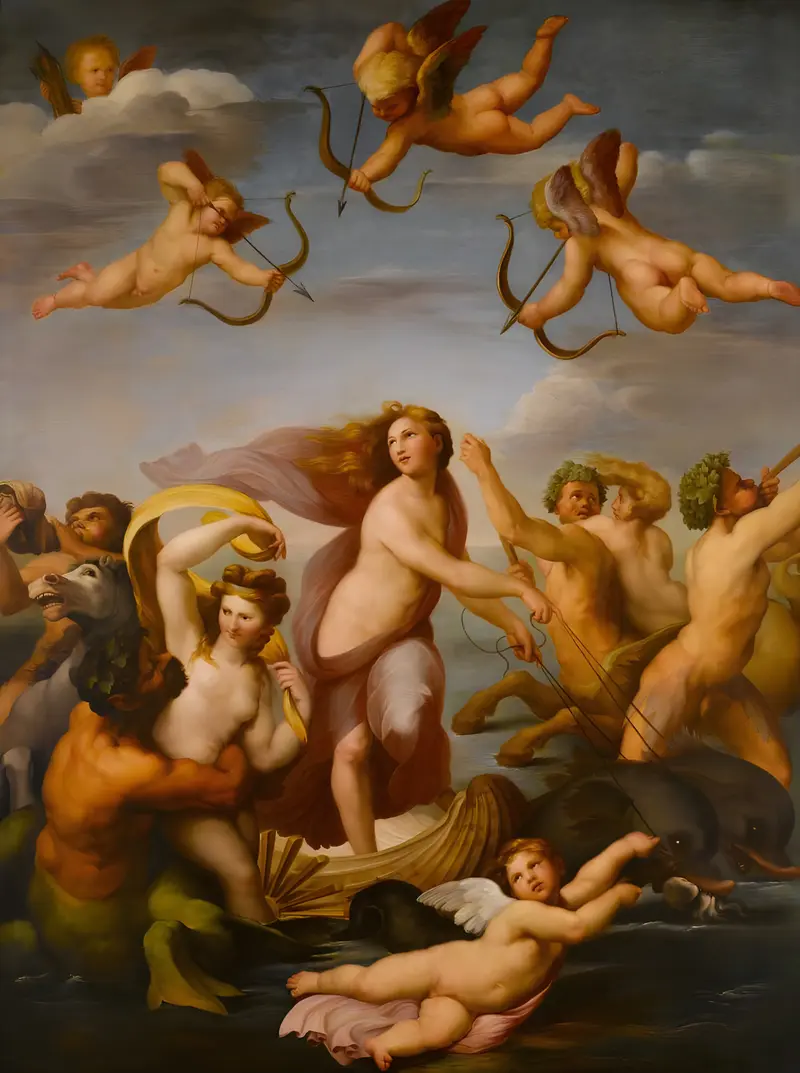
The Triumph of Galatea (copy after Raphael)
Raphael
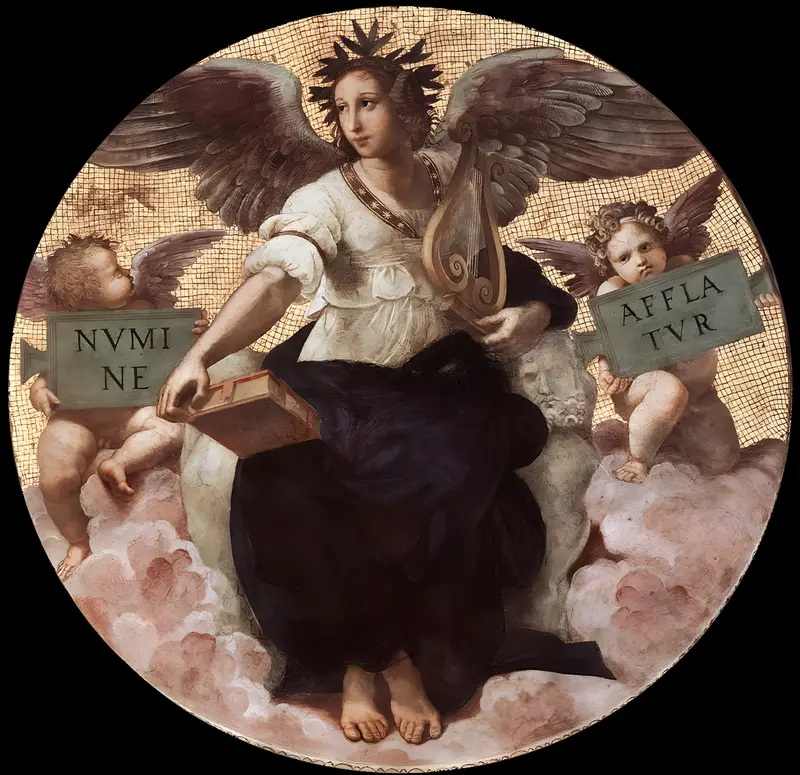
Poetry
Raphael
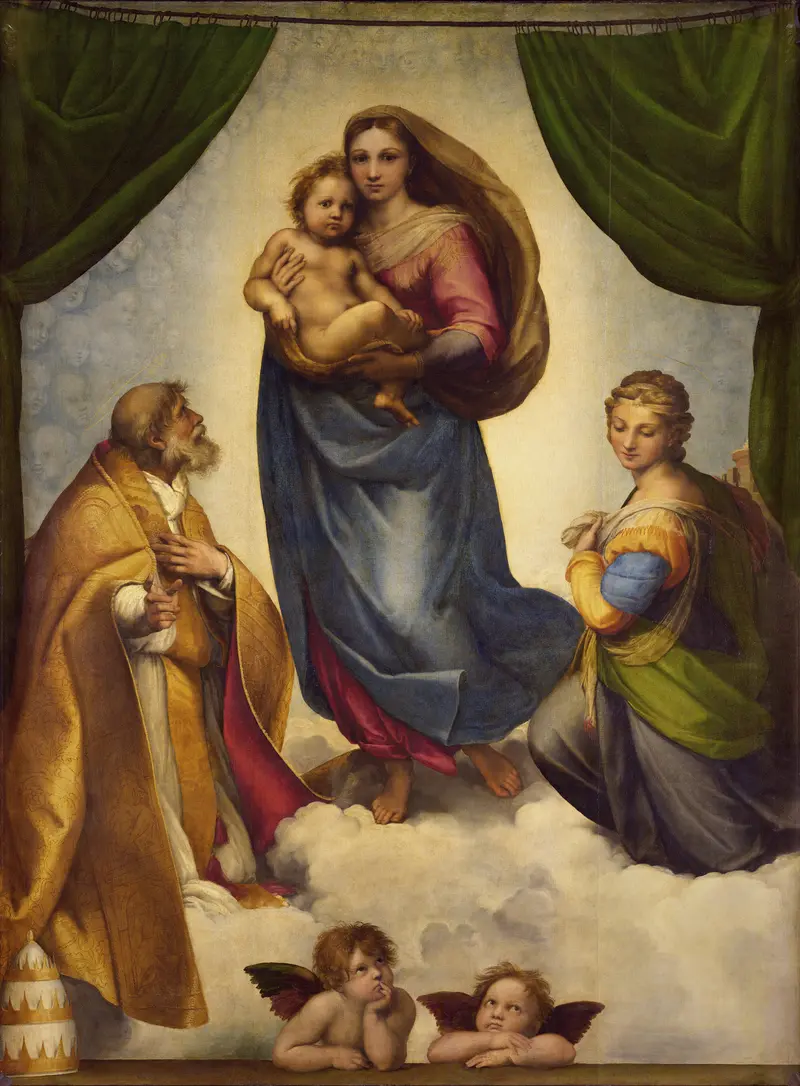
Sistine Madonna
Raphael
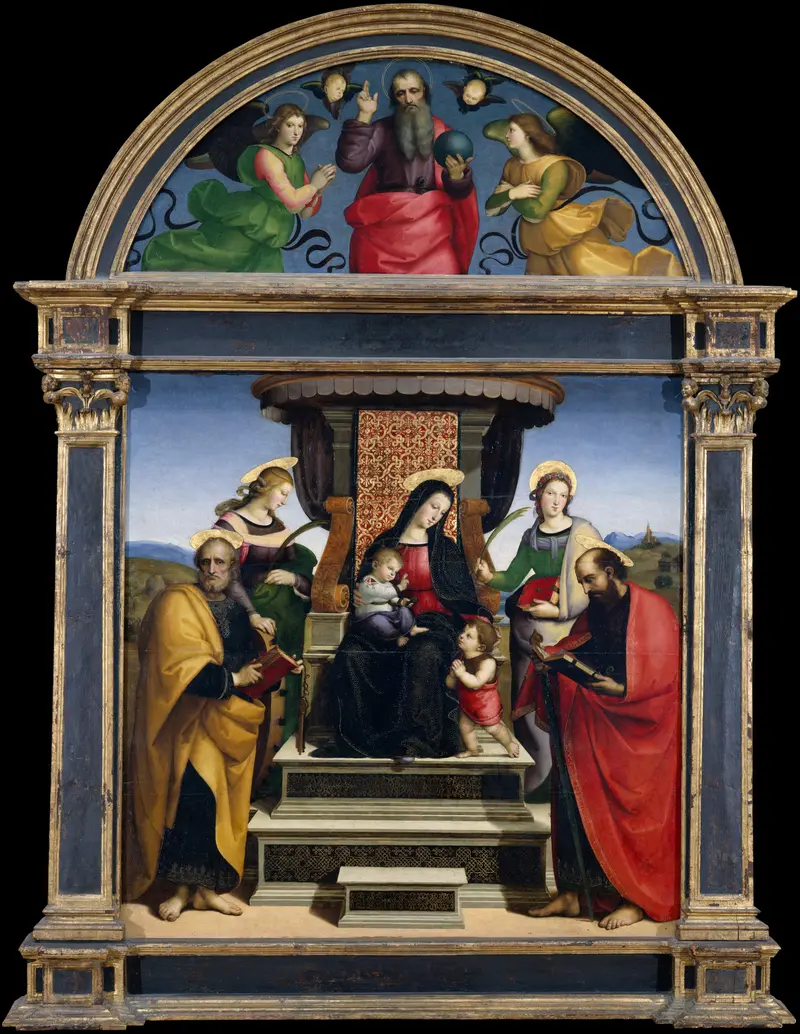
Madonna and Child Enthroned with Saints
Raphael





