
Portrait of Cardinal Bibbiena — History & Facts
When Raphael painted Portrait of Cardinal Bibbiena in 1516, he was capturing not just a churchman, but a key figure at the heart of the papal court. Bernardo Dovizi da Bibbiena was secretary to Pope Leo X and one of the most influential men in Rome, famed for his wit and diplomacy. The portrait was likely commissioned as a token of friendship and respect, and it stands out as one of the few surviving images of Bibbiena, whose role in the politics and culture of the High Renaissance was considerable.
Curiously, the painting’s authorship was debated for centuries, with some attributing it to Sebastiano del Piombo, until consensus returned to Raphael. The cardinal sits in three-quarter view, his gaze directed outwards, as if interrupted mid-conversation. His red robes and biretta signal his rank, but the true story is in the details: the delicate handling of flesh tones, the gentle pressure of his right hand on the armrest, and the subtle play of light across his face. Unlike the imposing grandeur of Titian’s later portraits of churchmen, Raphael offers an image of quiet intelligence and humanity.
The sparse background focuses attention on Bibbiena’s expression, inviting us to read the character of a man who navigated the intrigues of Renaissance Rome with skill and discretion. The painting’s early provenance is not fully documented, though it was likely kept within circles close to the Medici and papal courts. Over time, it passed through various collections, eventually entering the holdings of the Museo del Prado, where it hangs today. For Raphael, this portrait marks a mature phase in his career, when he was at the height of his powers and deeply engaged with the leading figures of his age.
Today, it offers viewers a rare, intimate glimpse into the world of papal politics and the personalities who shaped it.
More Artworks by Raphael

Madonna of the Goldfinch
Raphael

Madonna with the Fish
Raphael
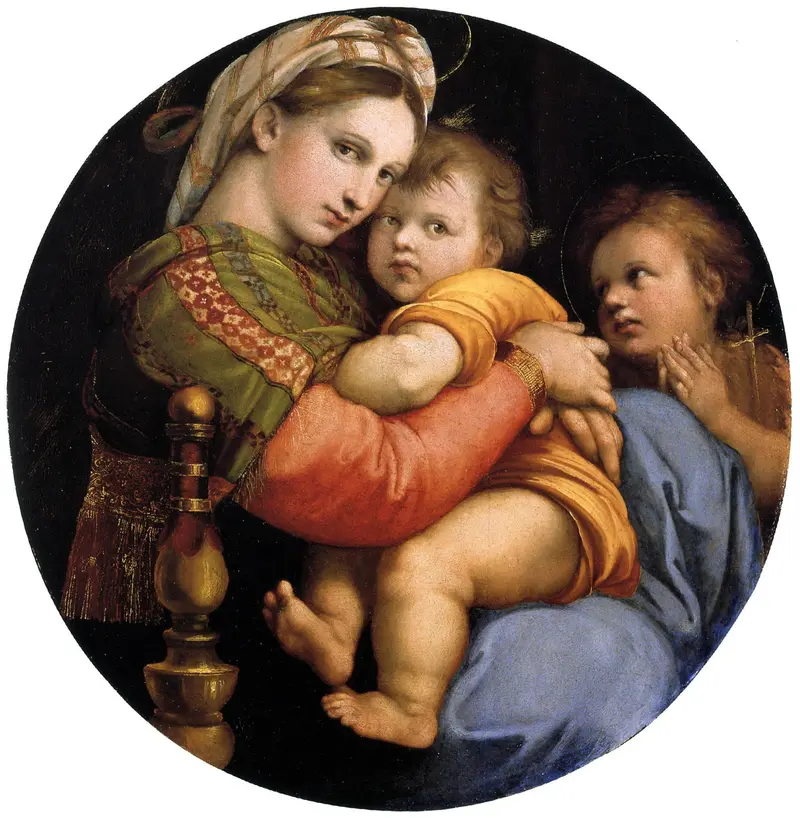
Madonna and Child (Madonna della Seggiola)
Raphael
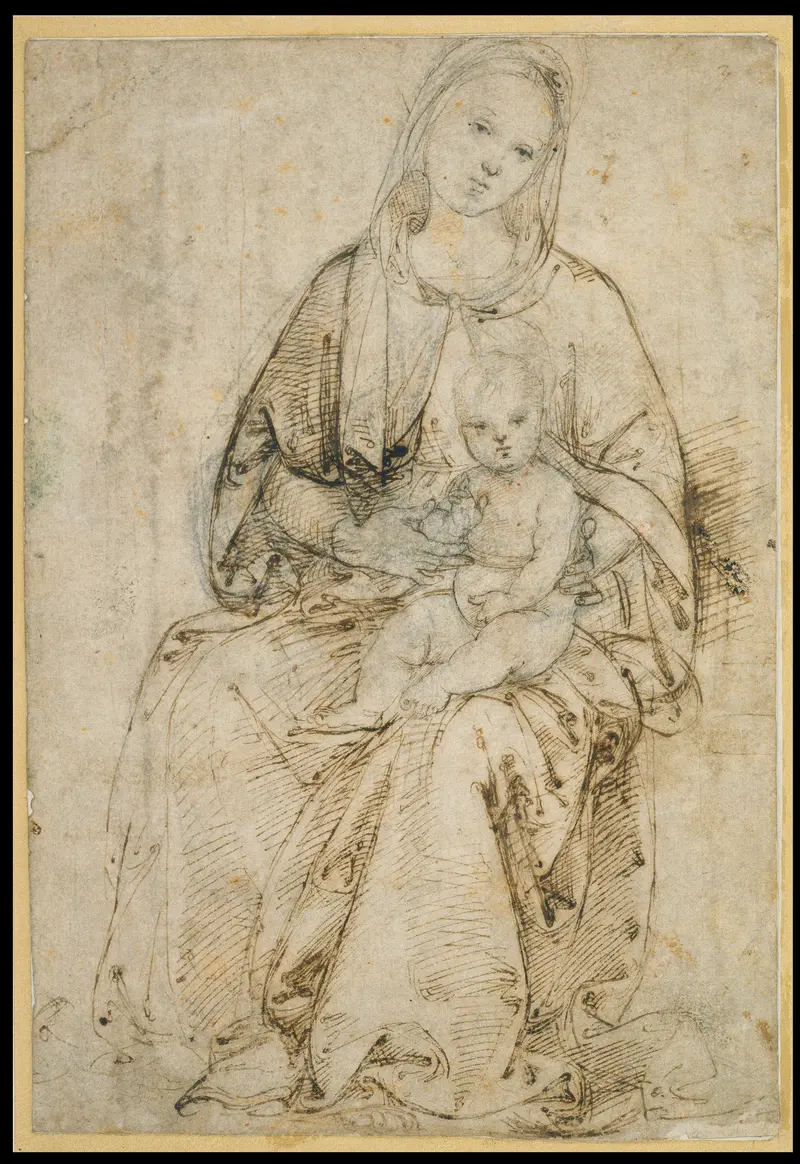
Seated Madonna and Child
Raphael
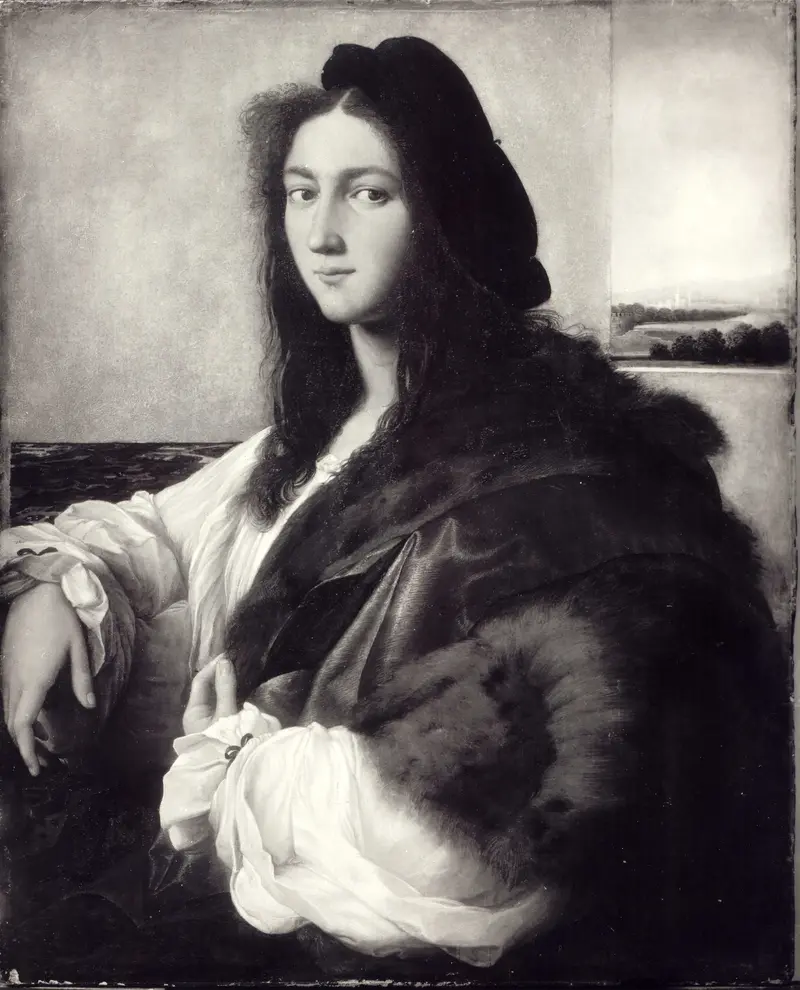
Portrait of a Young Man
Raphael
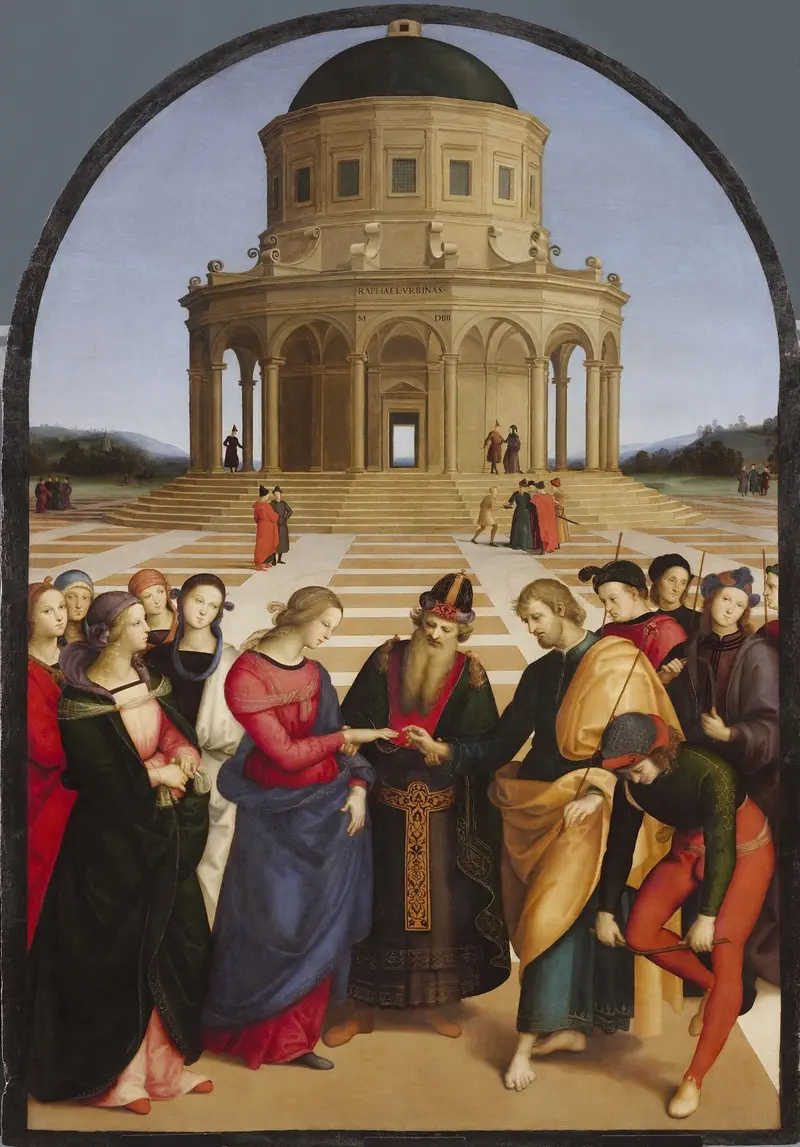
The Marriage of the Virgin
Raphael
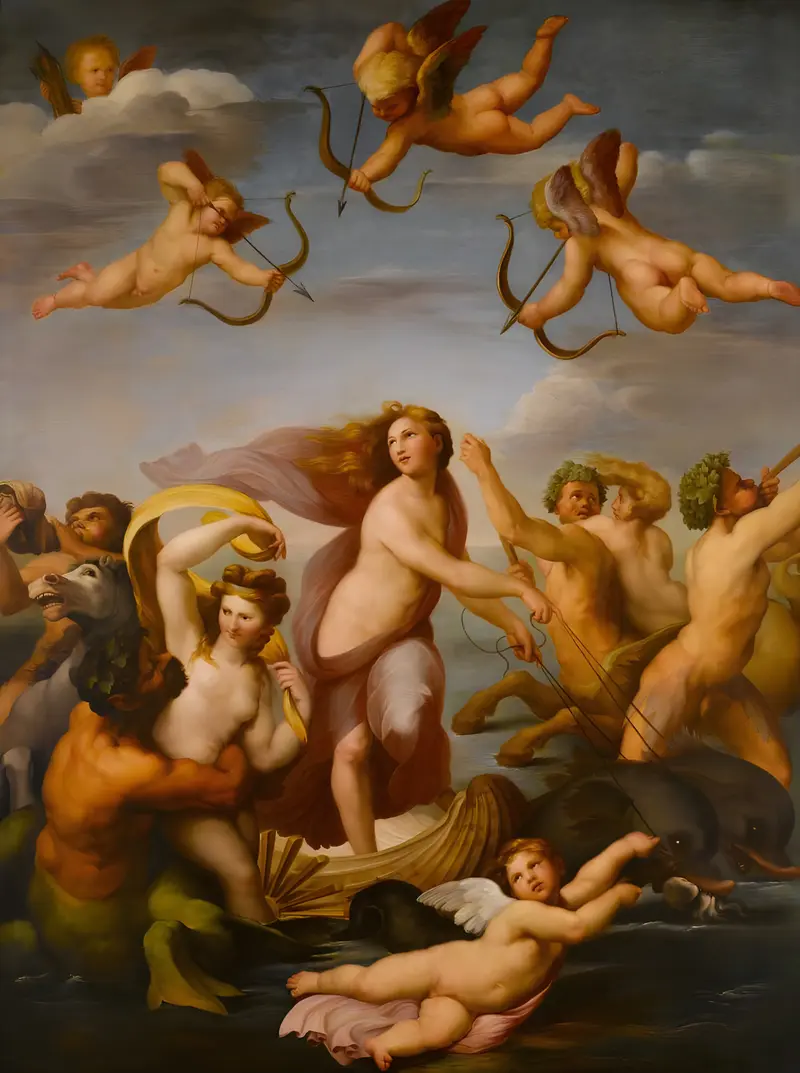
The Triumph of Galatea (copy after Raphael)
Raphael
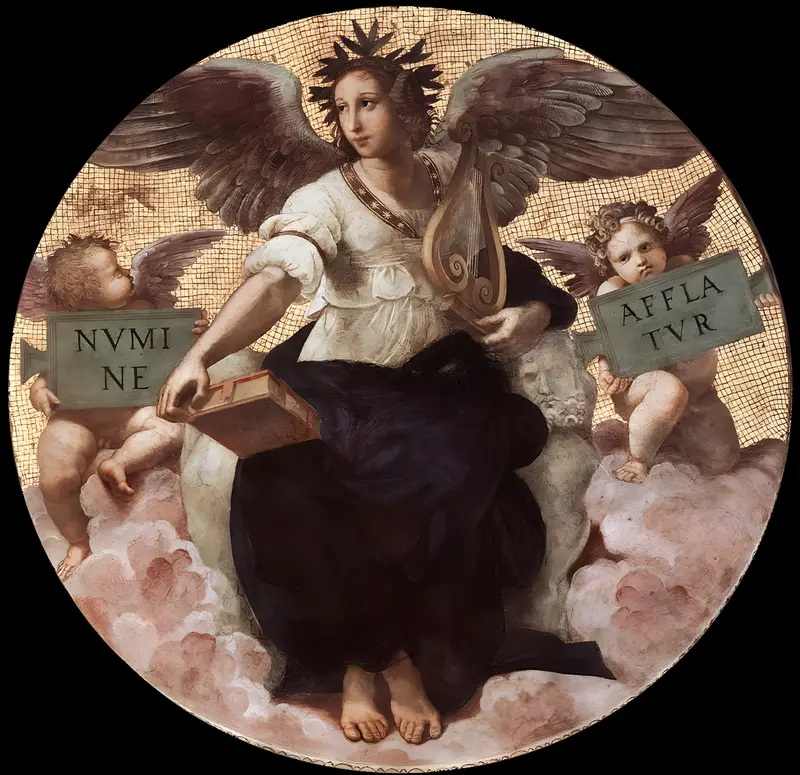
Poetry
Raphael
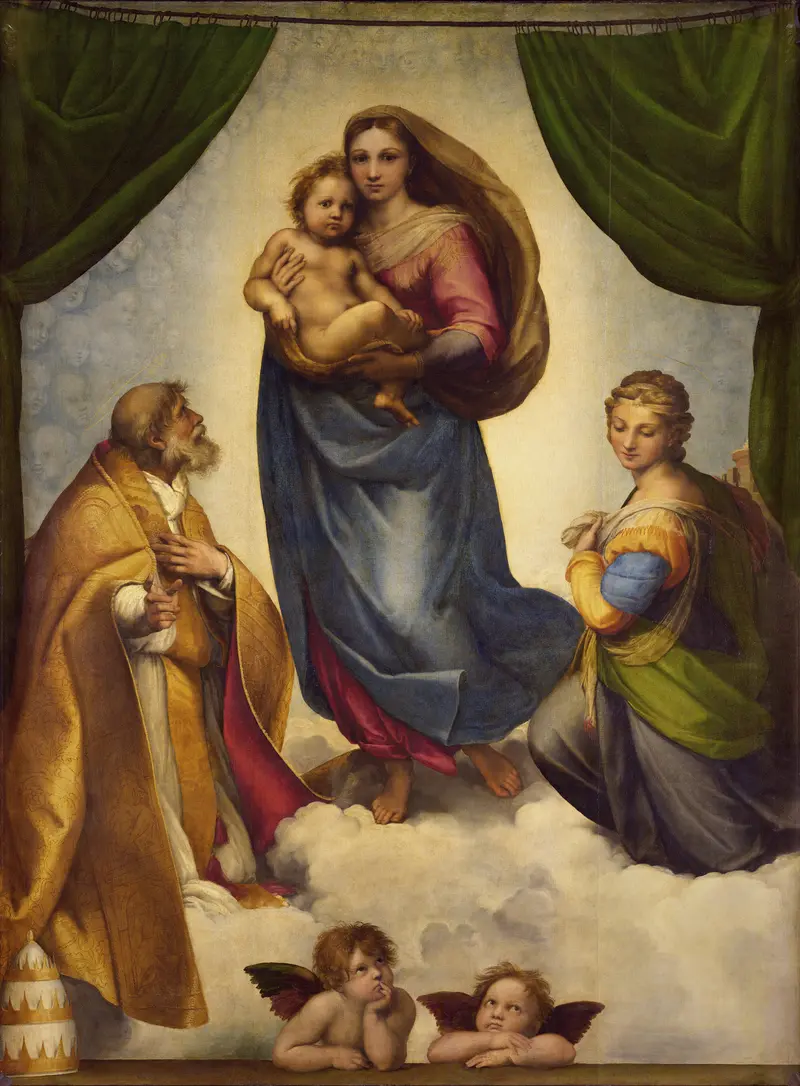
Sistine Madonna
Raphael
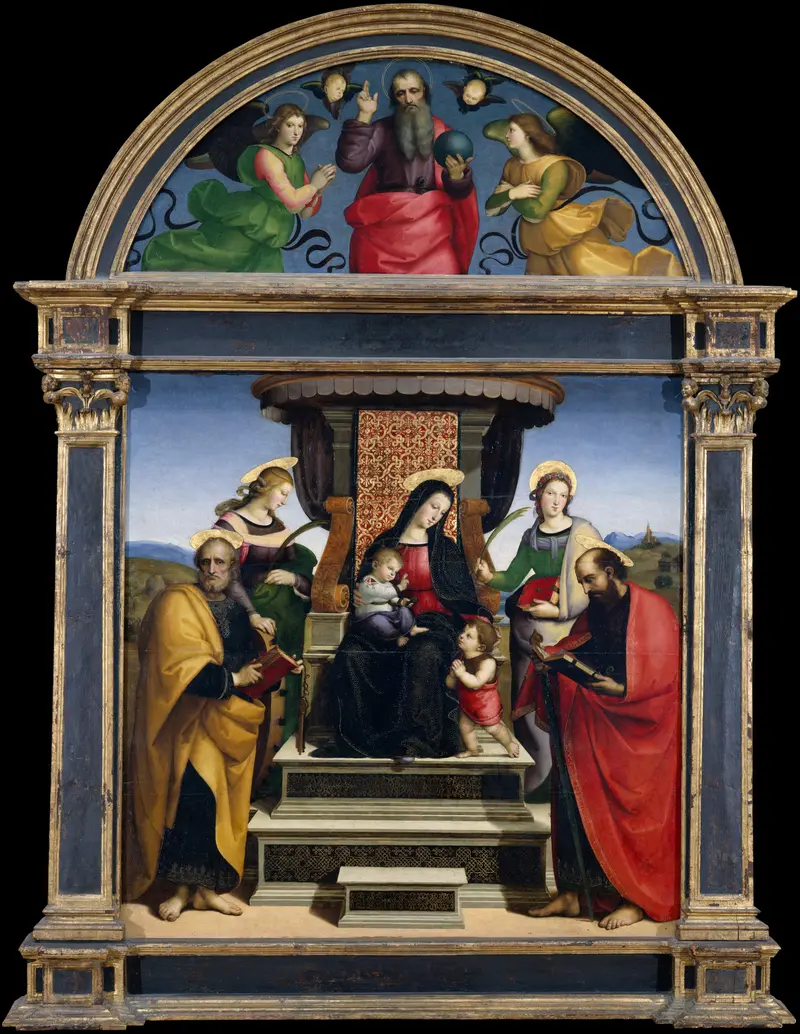
Madonna and Child Enthroned with Saints
Raphael





