
Portrait of Duke Francesco I d'Este — History & Facts
When Diego Velázquez arrived in Italy in 1638, he was not only the court painter to King Philip IV of Spain, but also an unofficial ambassador, sent to secure precious works of art for the Spanish crown. During this diplomatic journey, Velázquez was invited to Modena, where he painted the formidable Portrait of Duke Francesco I d'Este. The Duke, eager to assert his status among the Italian and Spanish courts, sat for Velázquez in the midst of political tensions and shifting alliances, hoping the Spanish brush would immortalize his authority. The painting captures Duke Francesco I at the height of his power, clad in black armor that glints with the painter’s signature silvery highlights.
His right hand rests confidently on the hilt of his sword, while his gaze meets the viewer with a mixture of calculation and pride—a ruler conscious of both his lineage and his responsibilities. The gold chain and the red sash across his chest are not mere decoration: they signal his membership in the prestigious Order of the Golden Fleece, a mark of Habsburg favor. Unlike Anthony van Dyck’s more theatrical portraits of Italian nobility, Velázquez’s rendering is direct and unvarnished, focusing on psychological presence rather than courtly display. After its creation, Portrait of Duke Francesco I d'Este remained in the Este family collections, a prized symbol of their connection to the Spanish crown.
Over centuries, it passed through the hands of heirs and survived the upheavals of Napoleonic invasions and the shifting borders of northern Italy. Today, the painting is housed in the Galleria Estense in Modena, still bearing witness to the ambitions of a 17th-century duke and the unique vision of Velázquez at the height of his Italian sojourn. The work stands as a testament to the artist’s rare ability to merge Spanish realism with the grandeur of Italian portraiture.
More Artworks by Diego Velázquez

Las Meninas
Diego Velázquez
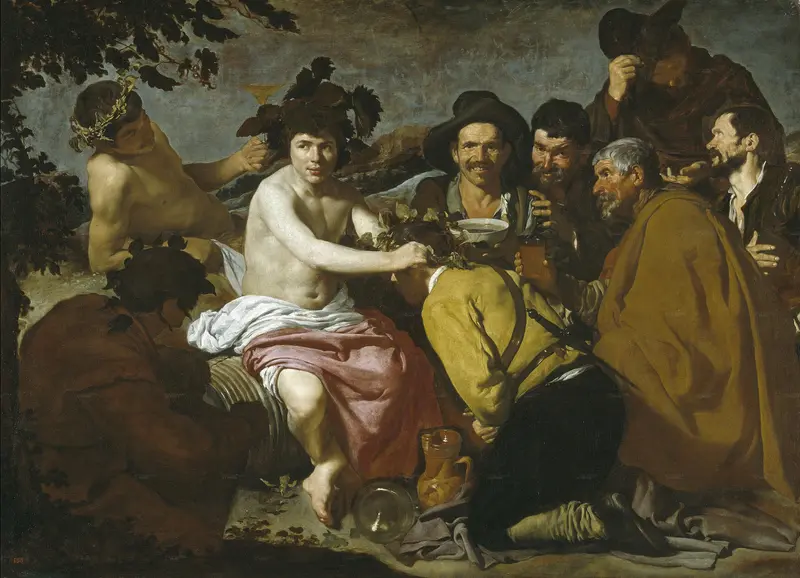
The Triumph of Bacchus
Diego Velázquez
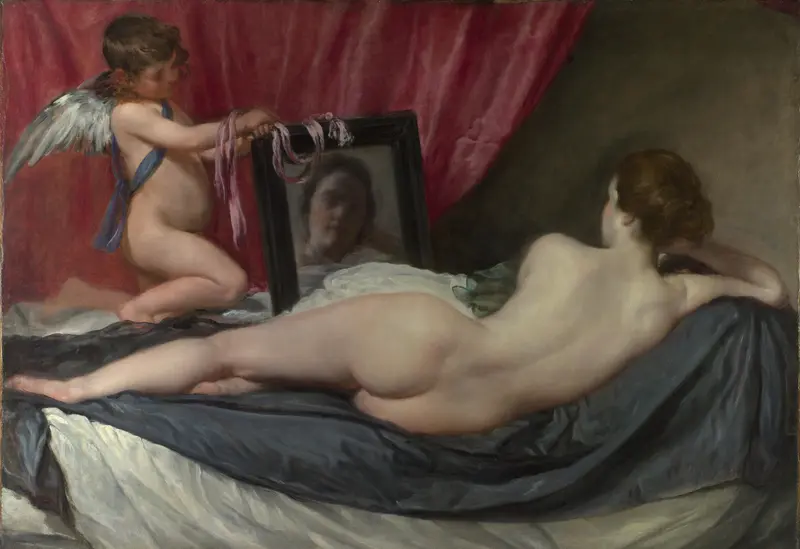
Rokeby Venus
Diego Velázquez
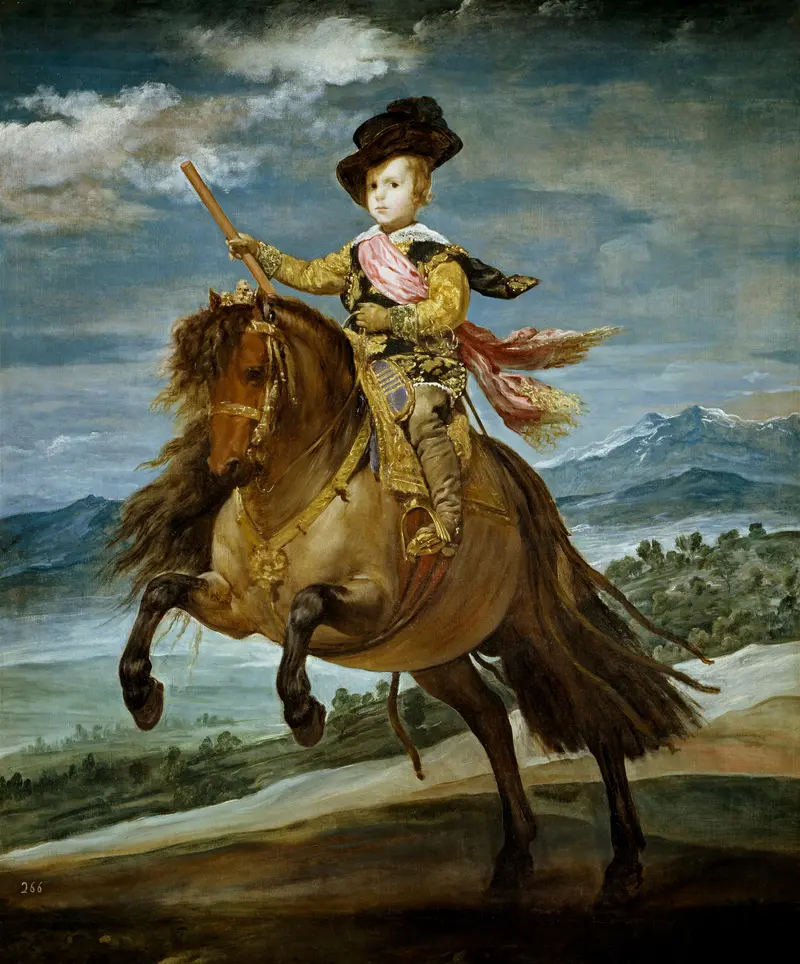
Equestrian Portrait of Prince Balthasar Charles
Diego Velázquez
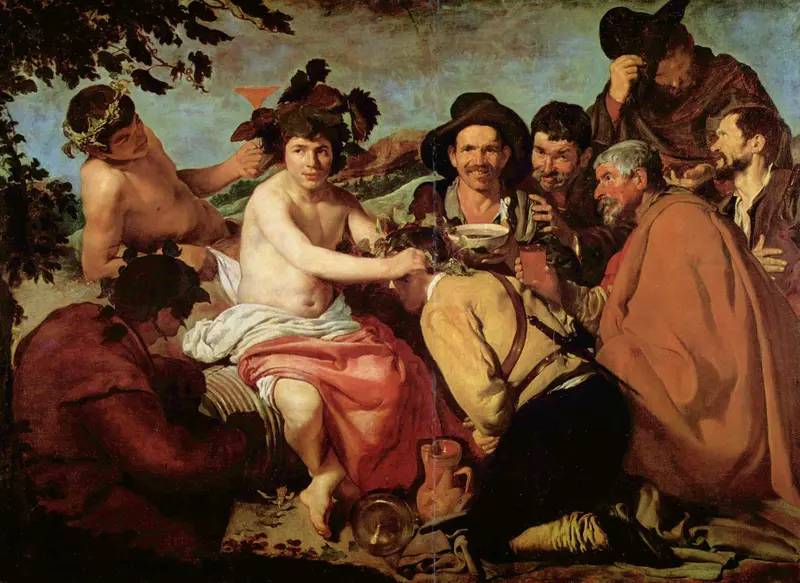
Bacchus
Diego Velázquez
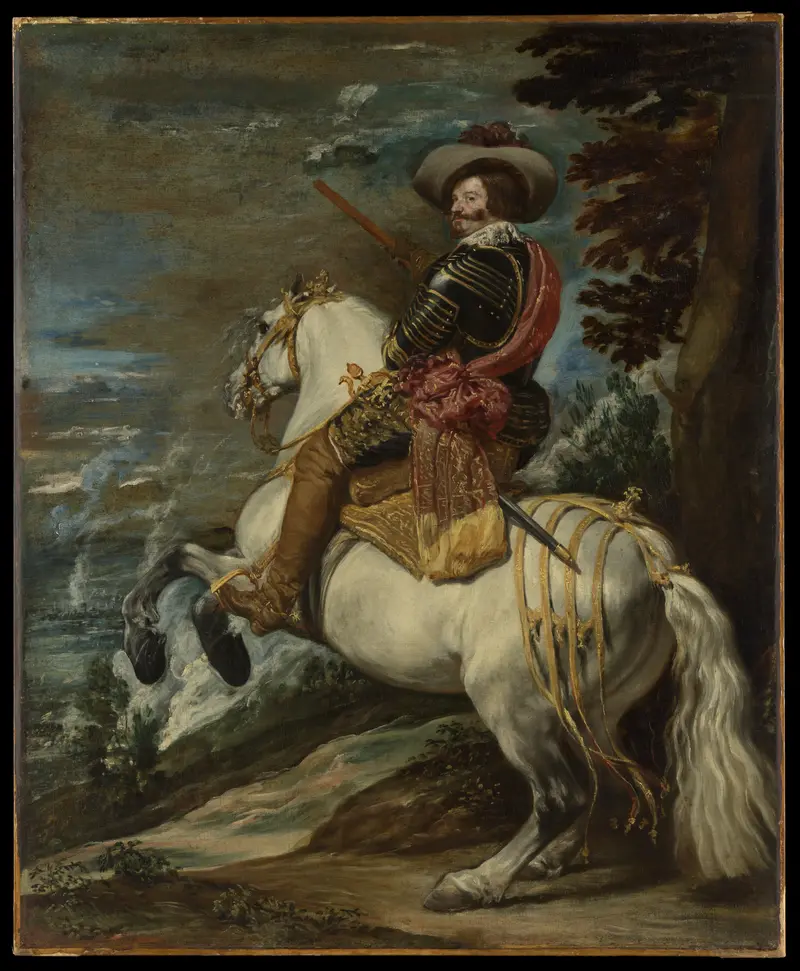
Don Gaspar de Guzmán (1587–1645), Count-Duke of Olivares
Diego Velázquez
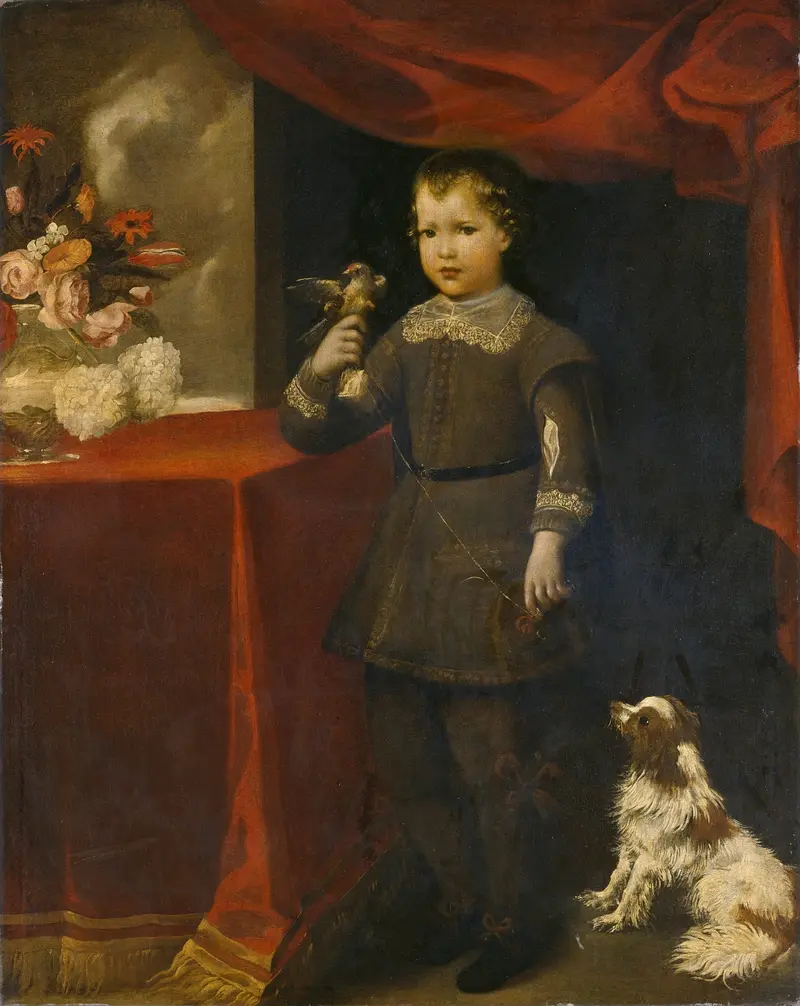
El príncipe Baltasar Carlos de Austria
Diego Velázquez
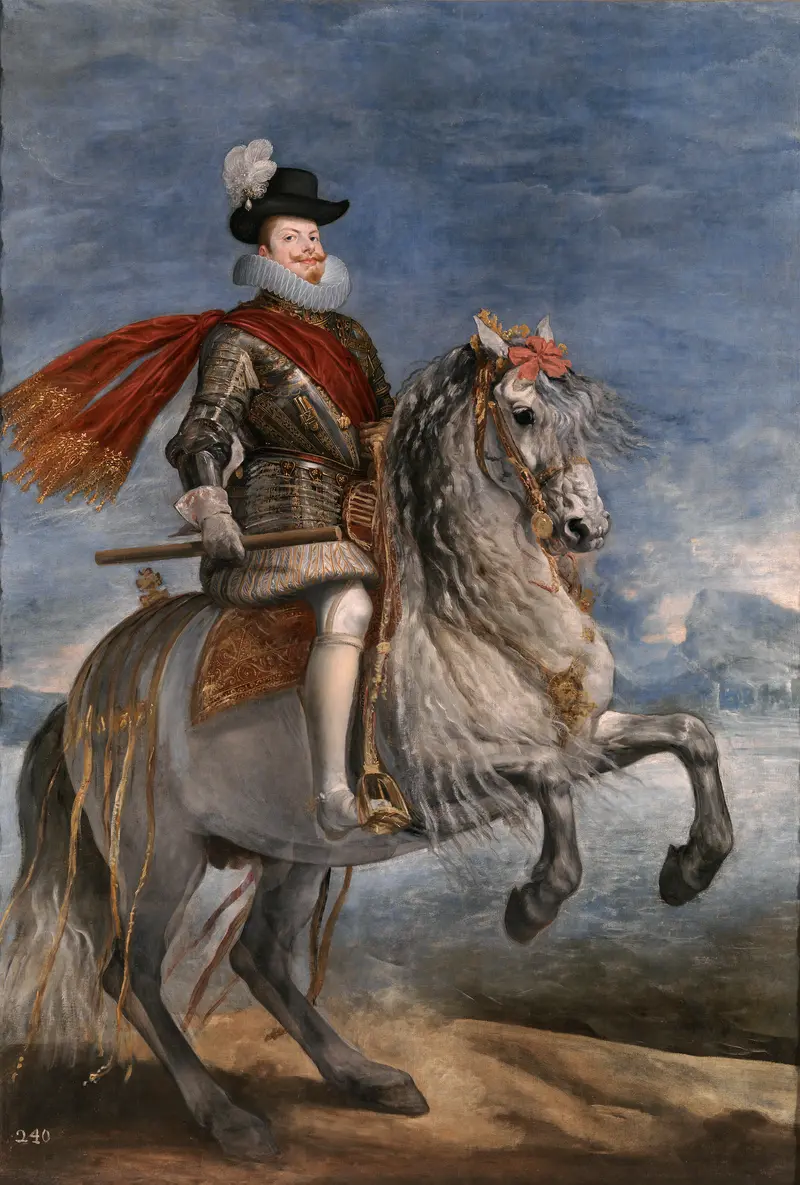
Equestrian Portrait of Philip III
Diego Velázquez
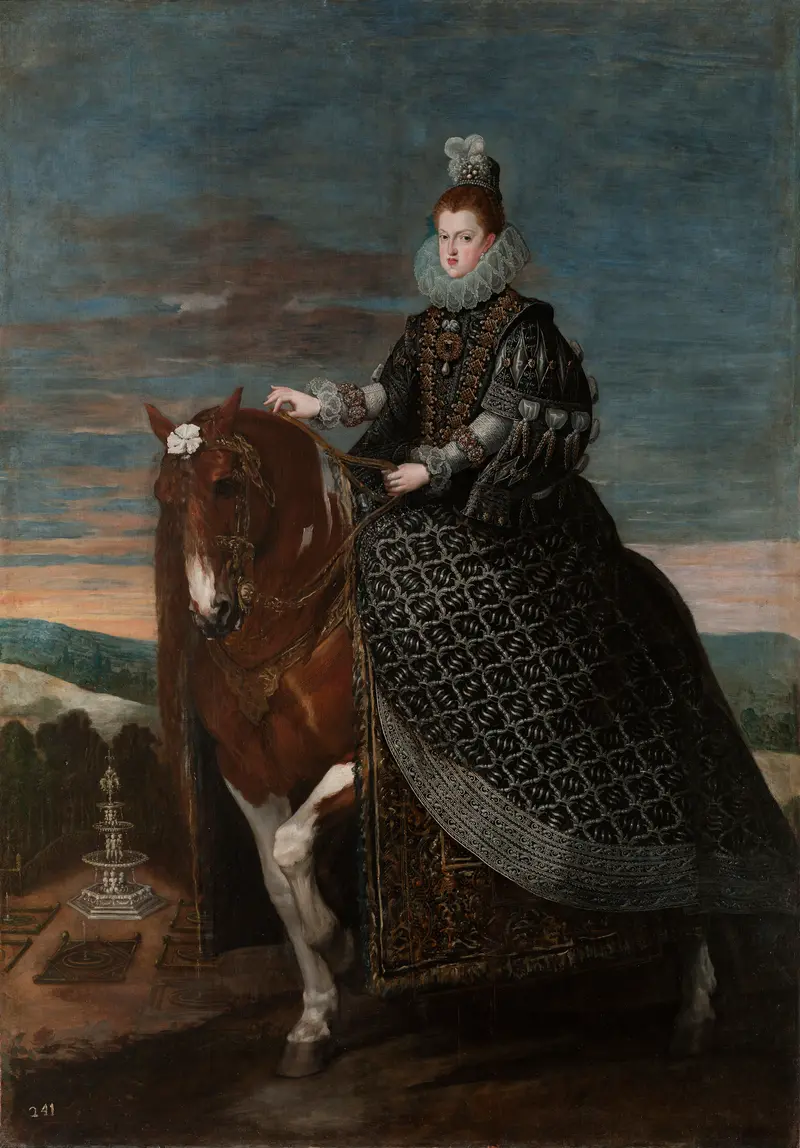
Equestrian Portrait of Margarita of Austria
Diego Velázquez
Las Hilanderas
Diego Velázquez




