
Portrait of Hermanus Boet (1756-1832) — History & Facts
What first draws the eye in Portrait of Hermanus Boet (1756-1832) is the subject’s direct, almost candid gaze—a rare openness for a young sitter in the late eighteenth century. The soft, even light falls across his face and pale blue coat, setting him apart from the deep, shadowed background and focusing all attention on his expression. One hand emerges confidently to rest on a piece of paper, pen poised, as if we have interrupted him mid-thought.
The other hand is tucked inside his coat, a gesture that hints at both composure and self-possession. The delicate lace at his collar and cuffs signals a certain refinement, while the tricorn hat and tailored jacket root him firmly in his era. Painted in 1772 by Abraham van Strij (I), this portrait belongs to a world where likenesses were often commissioned to mark educational milestones or family pride. In the Dutch Republic, portraits of young men like this were a way to announce both personal achievement and social standing, often destined for the walls of family homes or civic institutions.
The work now resides in the Dordrechts Museum, a reminder of a time when the rising middle class sought to record their place in society through art. History has kept few traces of Hermanus Boet’s life, but the artist’s careful attention to character and costume invites us to linger, searching the sitter’s eyes for the ambitions and uncertainties of youth.
More Artworks by Abraham van Strij (I)

Abraham van (I) Strij Portret van Petronella van der Koogh (1788 89 1878), echtgenote van Jr. DM 017 1190 Dordrechts Museum
Abraham van Strij (I)

Abraham van (I) Strij Binnenhuis met vrouw en kind DM 847 42 Dordrechts Museum
Abraham van Strij (I)

Hendrik Weymans and his Family
Abraham van Strij (I)
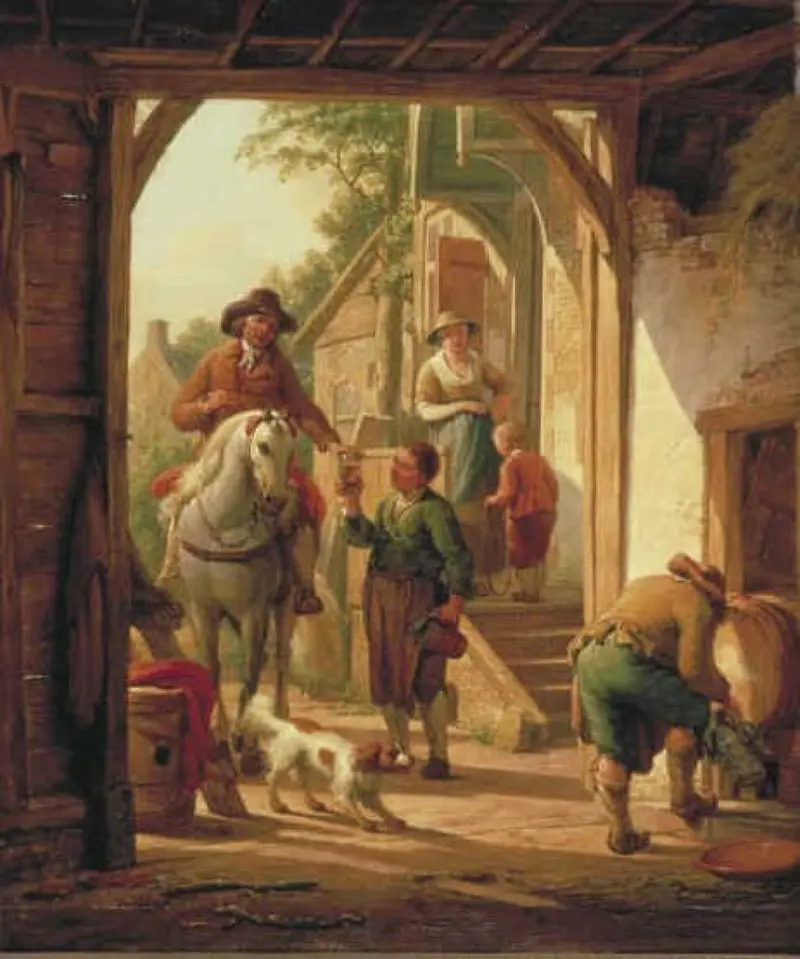
Horseman Resting near a Village Inn
Abraham van Strij (I)
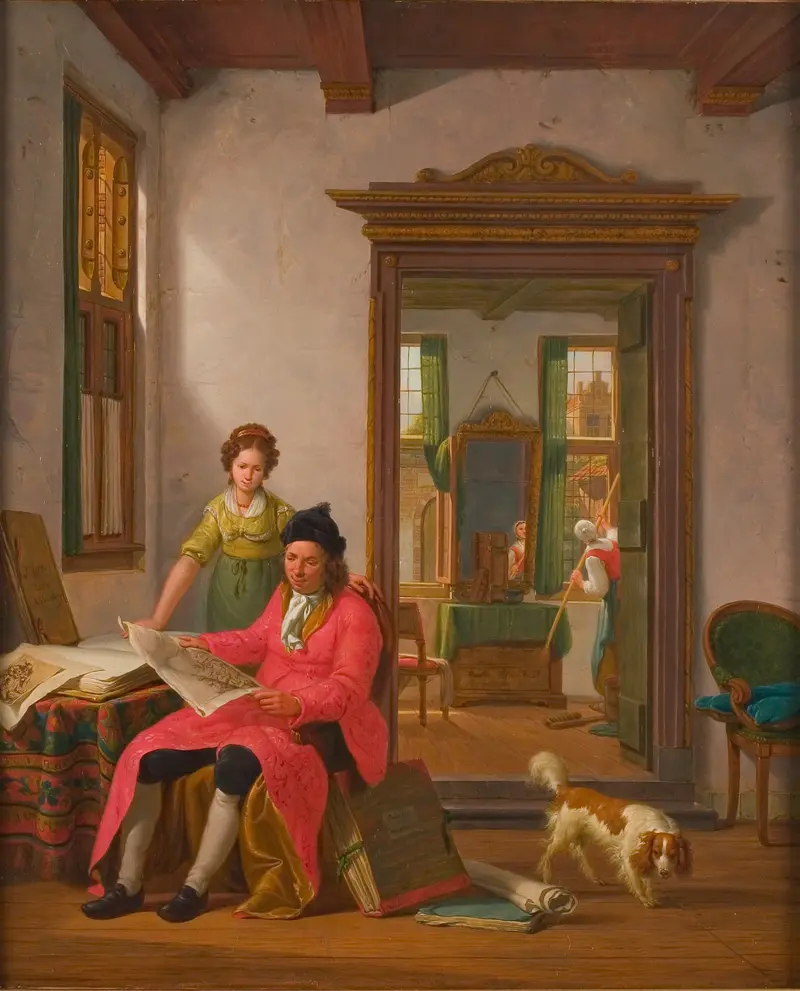
Portrait of an unknown man
Abraham van Strij (I)
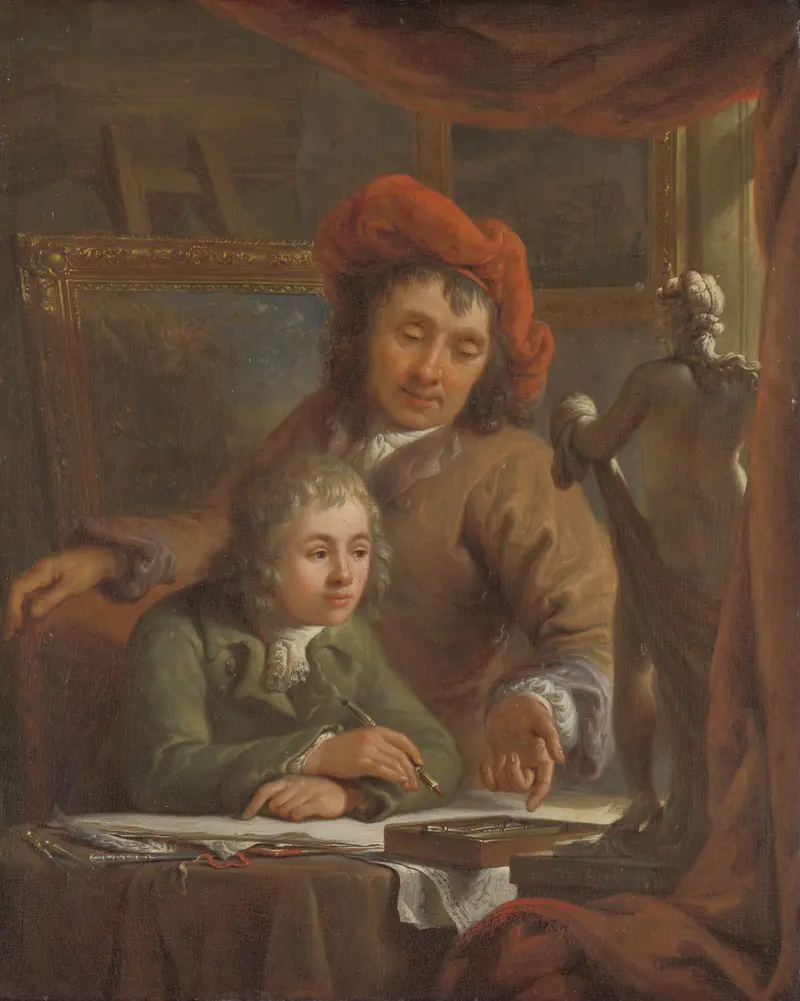
The Drawing Lesson
Abraham van Strij (I)
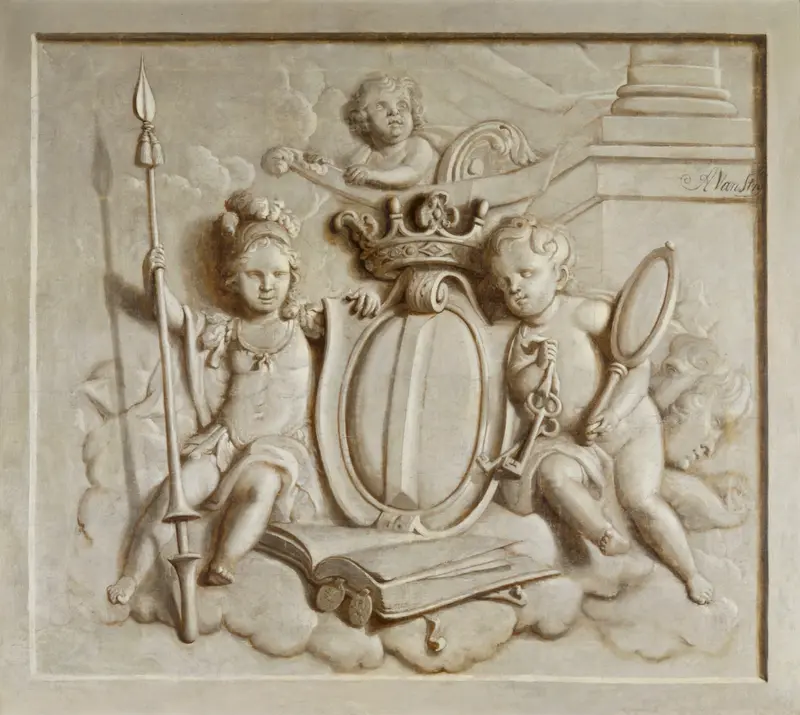
Abraham van (I) Strij Bovendeurstuk met allegorie op de stad Dordrecht DM 017 1188 Dordrechts Museum
Abraham van Strij (I)
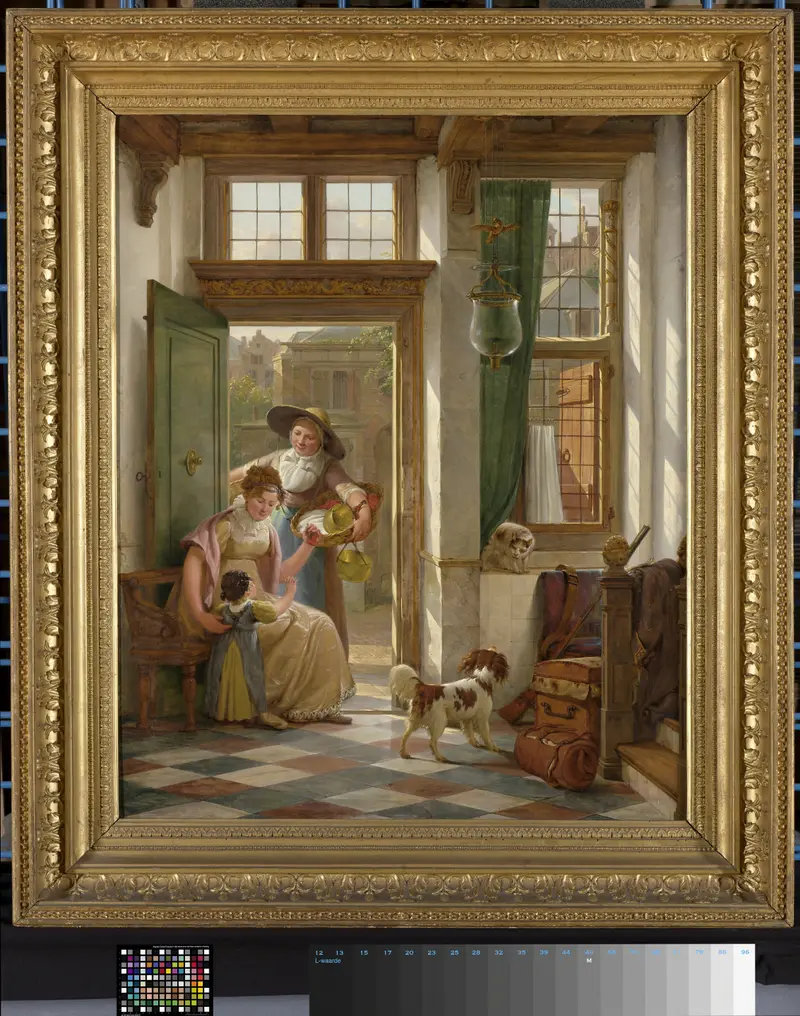
Een kersenverkoopster aan de deur
Abraham van Strij (I)
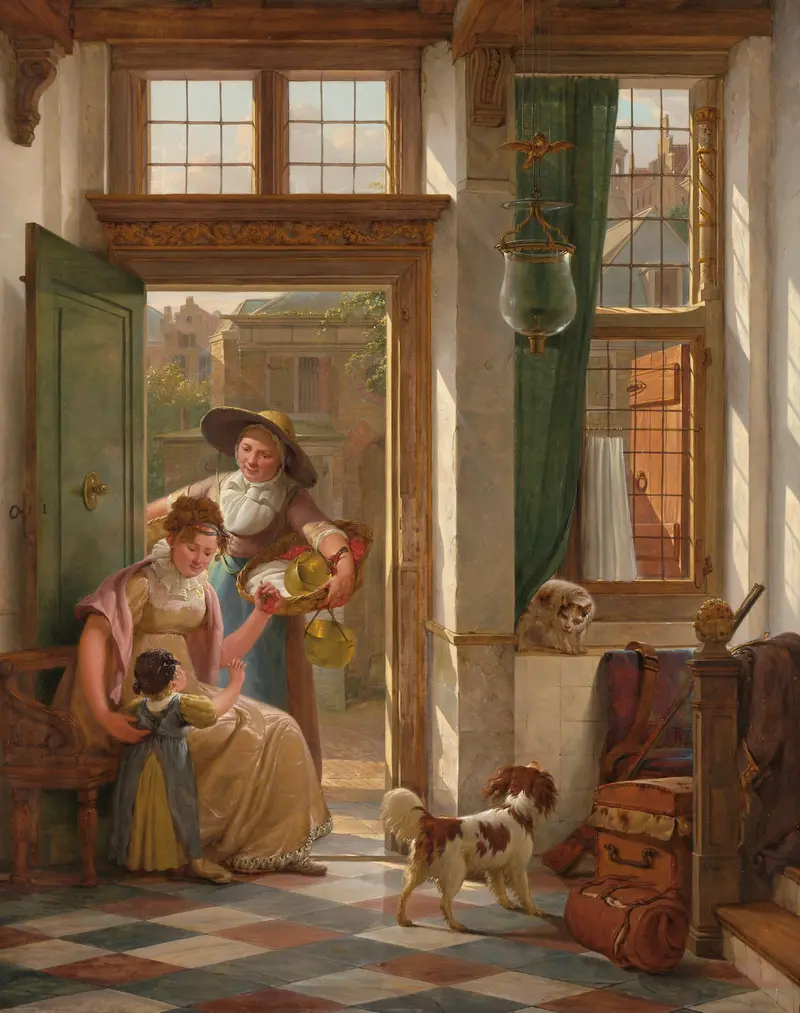
A Cherry Vendor at the Door
Abraham van Strij (I)
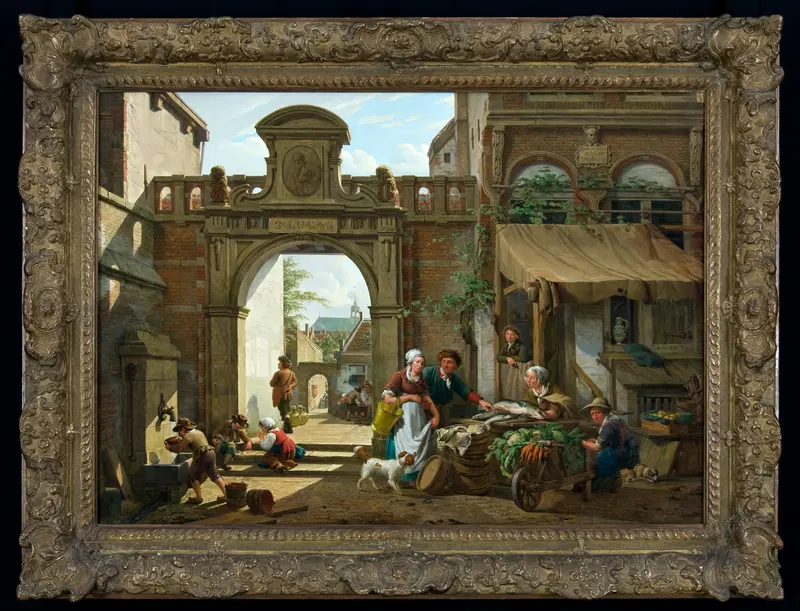
Abraham van (I) Strij Stadsgezicht met het gebouw van het St. Lucasgilde DM 010 950 Dordrechts Museum
Abraham van Strij (I)





