
Portrait of Jan Zawiejski — History & Facts
What first seizes the viewer in Portrait of Jan Zawiejski is the directness of the sitter’s gaze—a look that seems to hover between inquiry and reserve, as if the young man has just been interrupted in the midst of thought. The artist, Aleksander Kotsis, has chosen a nearly monochrome palette, letting the pale face emerge from the enveloping shadows of the background and dark clothing. The light is carefully controlled, falling across the sitter’s cheekbones and lips, drawing the eye to the subtle modeling of flesh and the moist glint of the eyes.
The crispness of the white shirt collar and the soft, almost blurred edge of the hair add to the sense of immediacy, as if the sitter might shift at any moment. The portrait’s restraint—no props, no background narrative—forces us to confront the individual, not his story. Painted in 1873, this work belongs to a period when portraiture in Central Europe was undergoing a transformation, balancing between the lingering conventions of academic realism and the emerging desire to capture psychological presence. Such portraits were often commissioned to mark transitions: academic achievement, entry into adulthood, or social advancement.
The National Museum in Kraków, where this painting now resides (digital ID 490991), holds many such records of a society negotiating its identity under shifting political and cultural pressures. While little is widely known about the specific circumstances of this portrait, its quiet intensity speaks to the ambitions and uncertainties of its era. The longer you look, the more the sitter’s silence seems to invite your own questions.
More Artworks by Aleksander Kotsis

Trip in the Tatra Mountains
Aleksander Kotsis

Fair in Nowy Targ
Aleksander Kotsis
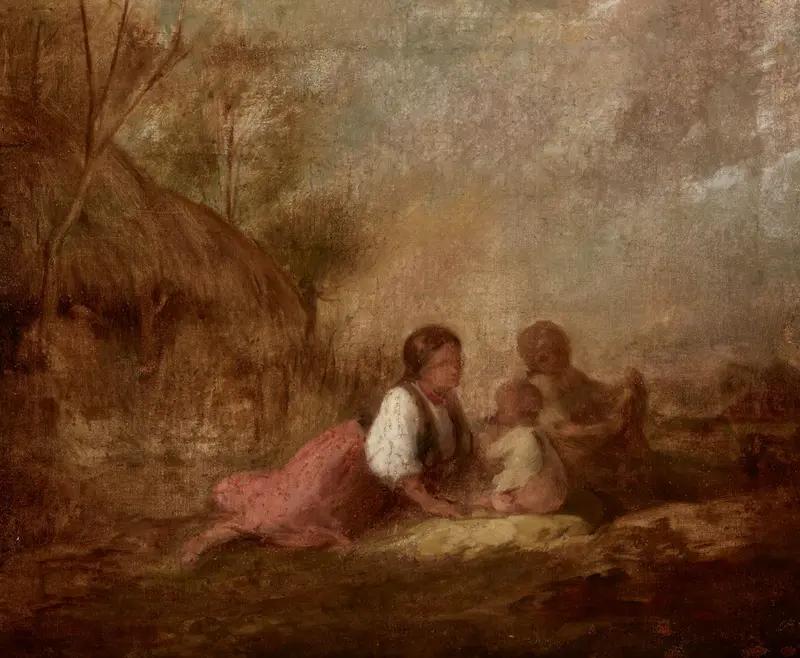
Pastoral Scene
Aleksander Kotsis
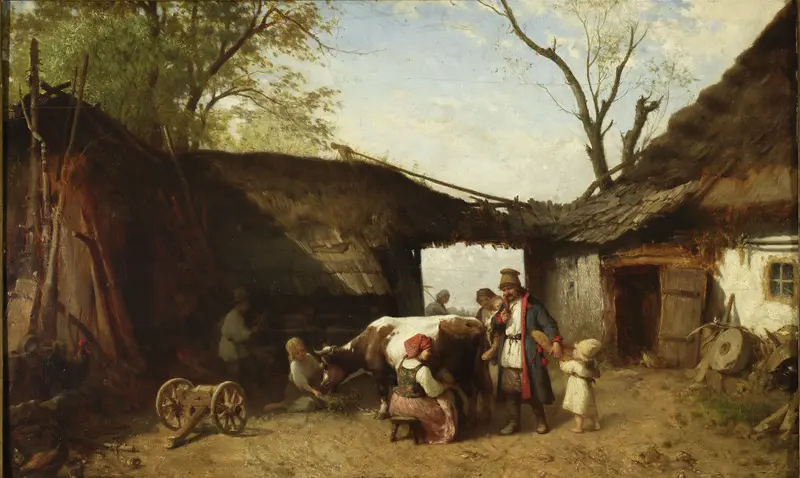
In the farmyard
Aleksander Kotsis
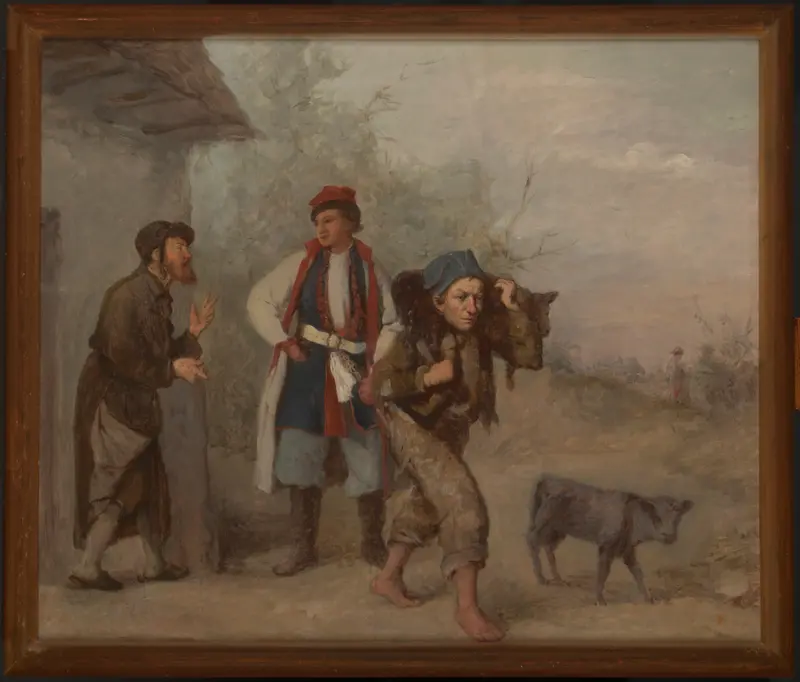
Haggling over a Calf
Aleksander Kotsis
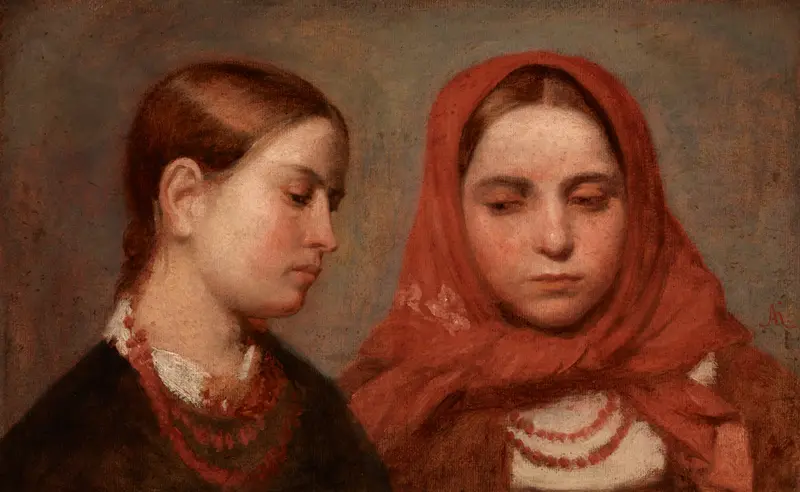
Heads of Two Young Girls
Aleksander Kotsis
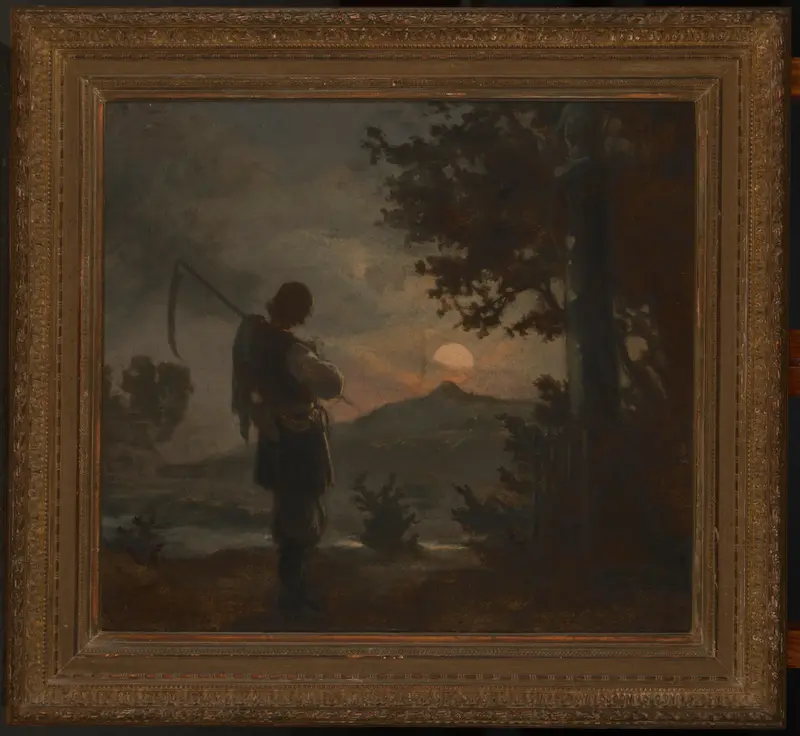
Haymaker
Aleksander Kotsis
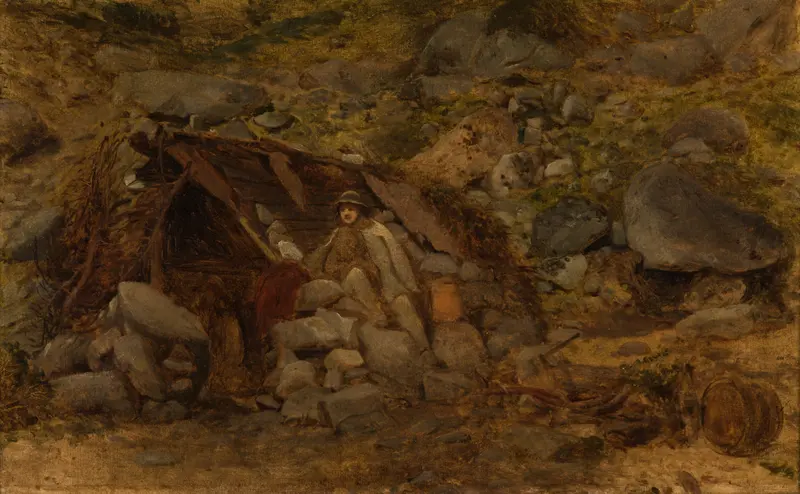
Highlander in Front of a Hut
Aleksander Kotsis
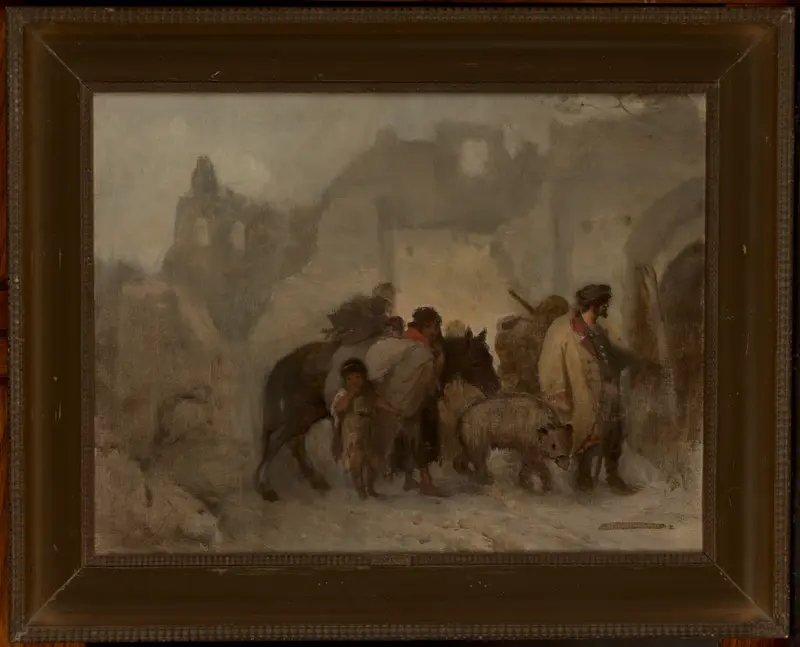
Gypsies
Aleksander Kotsis
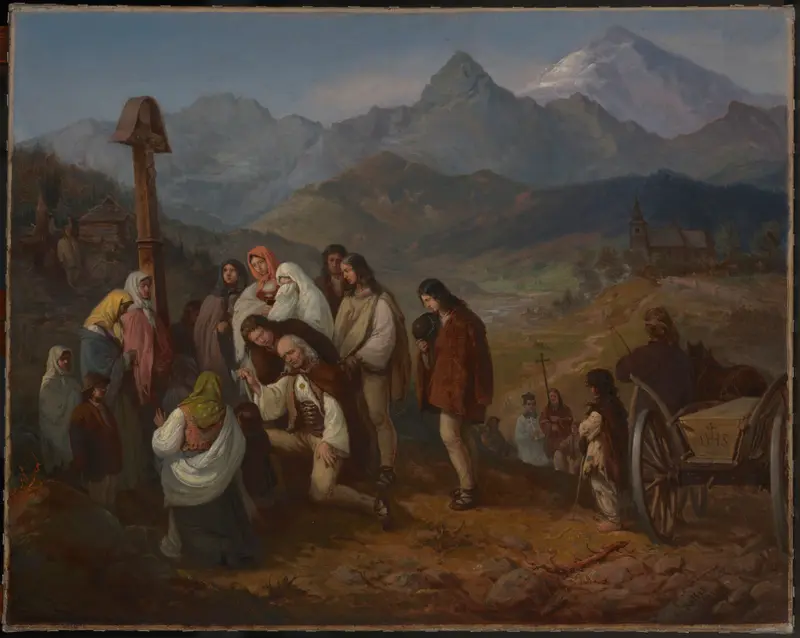
A Highlander's Funeral
Aleksander Kotsis





