
Portrait of Jean-Baptiste Desdéban — History & Facts
When Jean Auguste Dominique Ingres painted Portrait of Jean-Baptiste Desdéban in 1810, he was just twenty-nine and newly arrived in Rome as a pensionnaire at the Villa Medici. The sitter, Jean-Baptiste Desdéban, was himself a fellow Frenchman in Italy, and their connection was more than professional: Desdéban was a close friend and, like Ingres, a Prix de Rome laureate. This portrait was not a grand commission but a personal gesture, a testament to camaraderie among expatriate artists at the dawn of the Napoleonic era.
The painting stands out as one of Ingres’s earliest Roman portraits, capturing both his technical ambition and his search for a modern classicism. Ingres chooses a moment of quiet introspection. Desdéban sits turned slightly to the side, his gaze steady but distant, lips pressed in thought. The sitter’s dark coat and white cravat are rendered with precision, while the background remains neutral, focusing all attention on the face.
Ingres’s hallmark linear clarity is already present: the sharp contour of the jaw, the meticulous modeling of the brow, and the subtle play of light on the skin. Unlike the flamboyant brushwork of Goya or the psychological intensity of David, Ingres here opts for restraint, inviting the viewer to contemplate the sitter’s inner world rather than his public persona. The painting’s early history is less documented than some of Ingres’s later commissions, but it likely remained in private hands for much of the nineteenth century, cherished as a memento of youthful friendship and artistic promise. As Ingres’s reputation grew, works like this gained new significance, marking the evolution from his student years to the celebrated portraits of the 1820s and beyond.
Today, Portrait of Jean-Baptiste Desdéban is valued as a rare glimpse into Ingres’s formative period, revealing the seeds of the style that would later define French Neoclassicism. Its present location is not widely published, and scholars continue to seek further details about its provenance and medium.
More Artworks by Jean Auguste Dominique Ingres
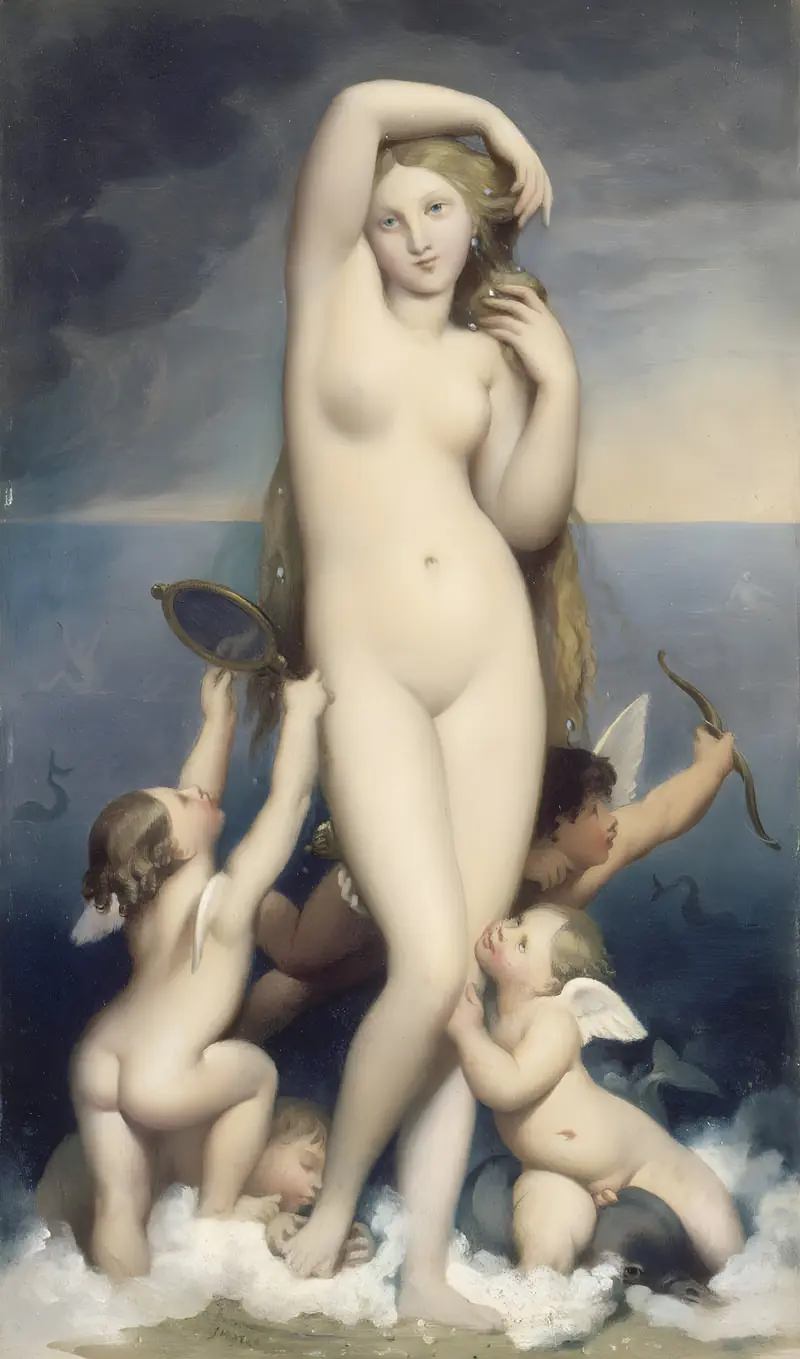
Vénus anadyomène
Jean Auguste Dominique Ingres
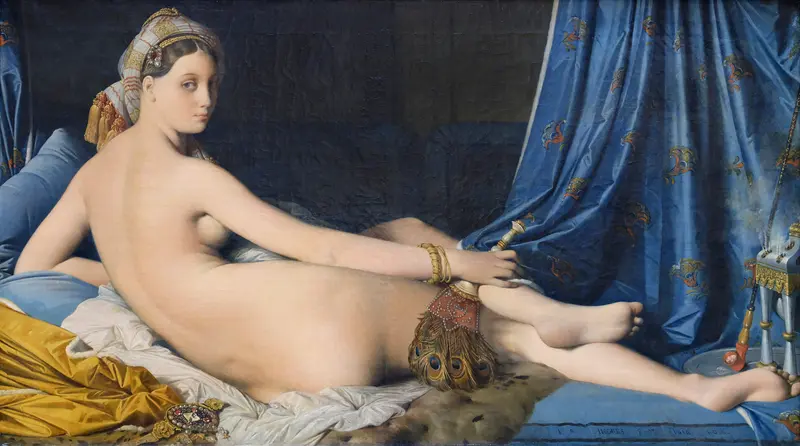
Grande Odalisque
Jean Auguste Dominique Ingres
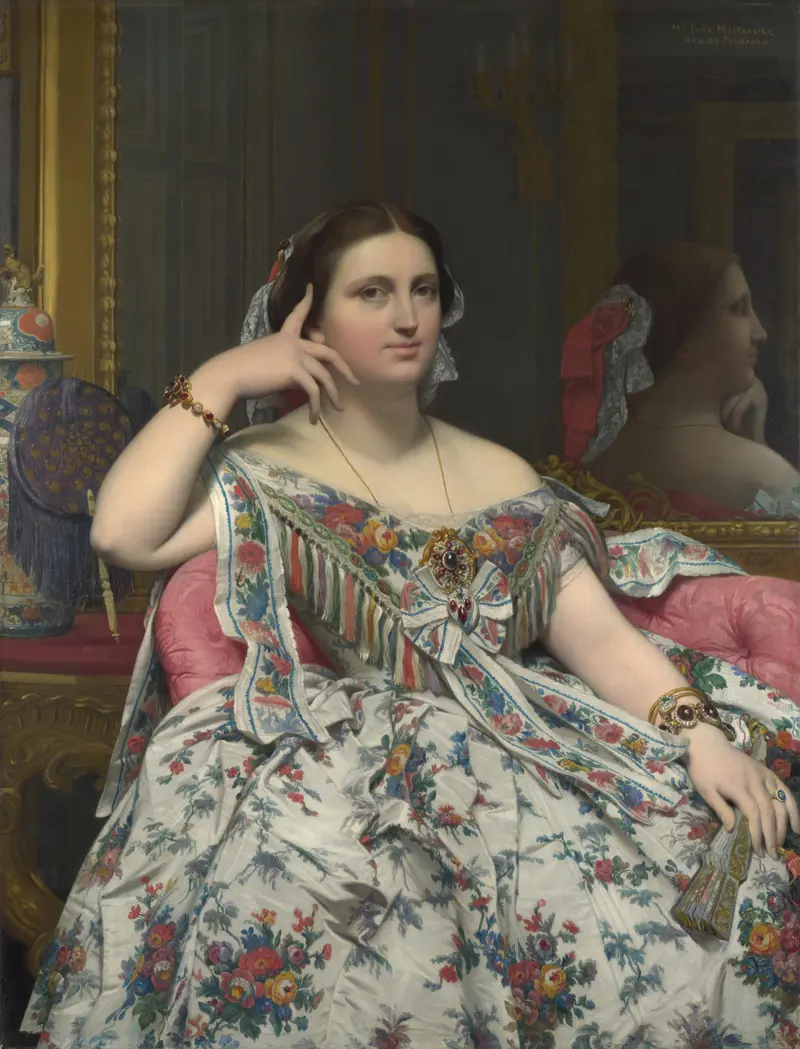
Madame Moitessier (seated)
Jean Auguste Dominique Ingres
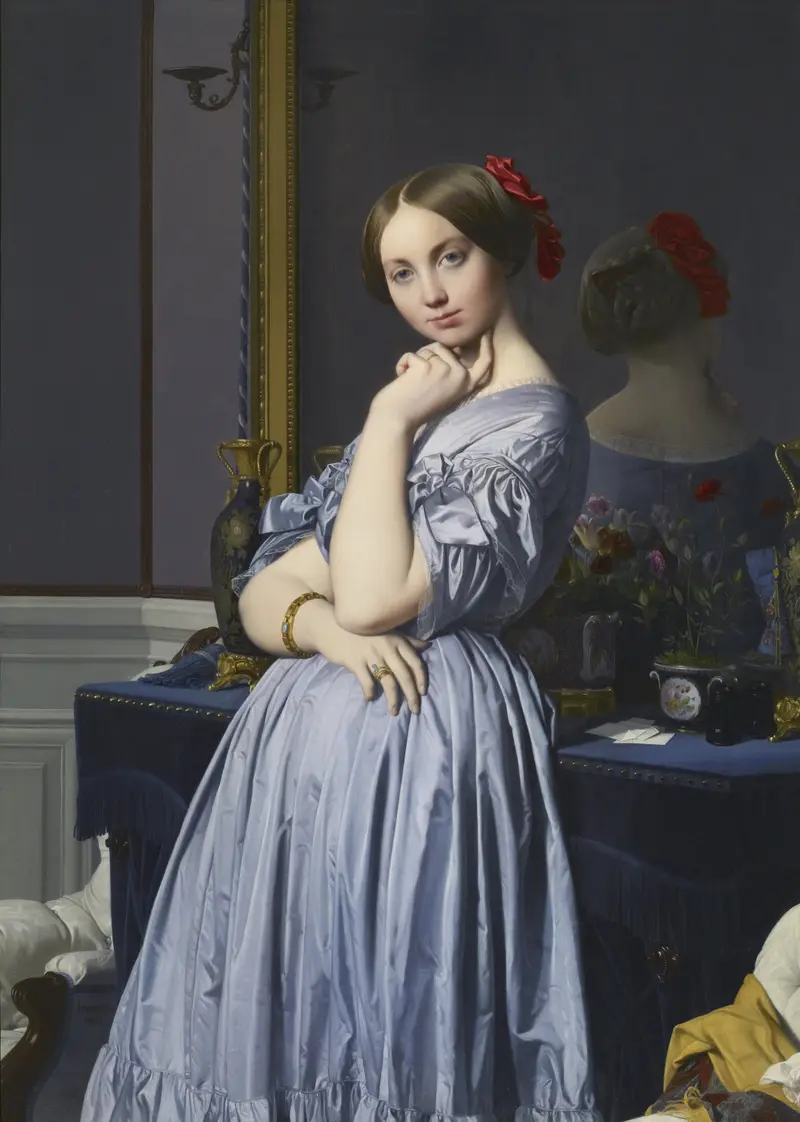
Portrait of Comtesse d’Haussonville
Jean Auguste Dominique Ingres
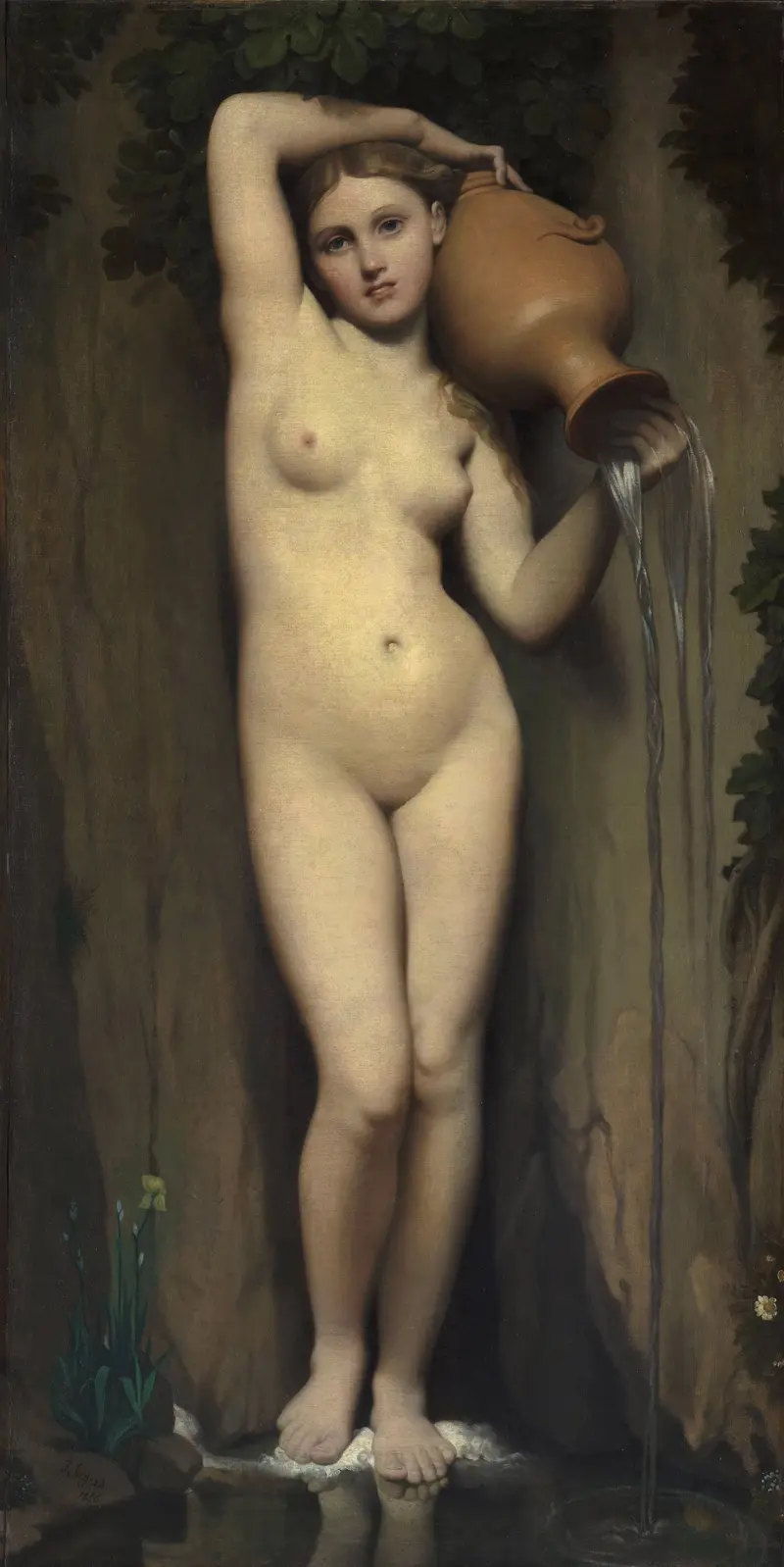
The Source
Jean Auguste Dominique Ingres
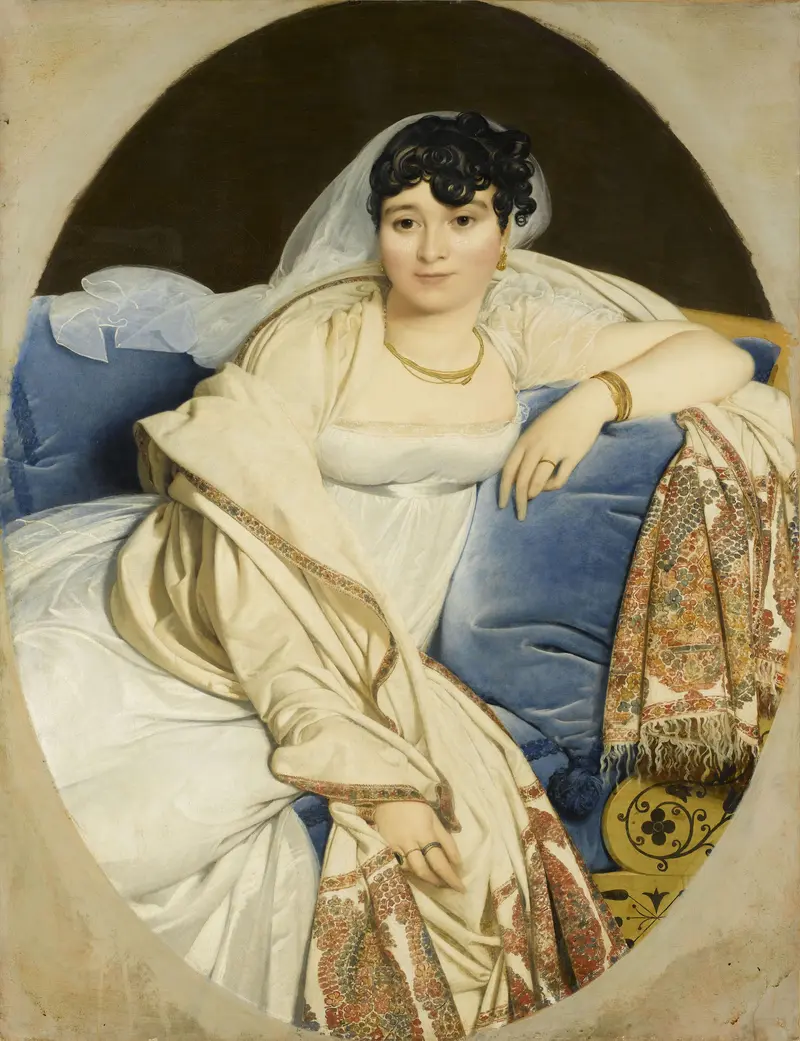
Madame Rivière
Jean Auguste Dominique Ingres

Madame Jean-Auguste-Dominique Ingres, née Madeleine Chapelle
Jean Auguste Dominique Ingres

Portrait of a Lady
Jean Auguste Dominique Ingres
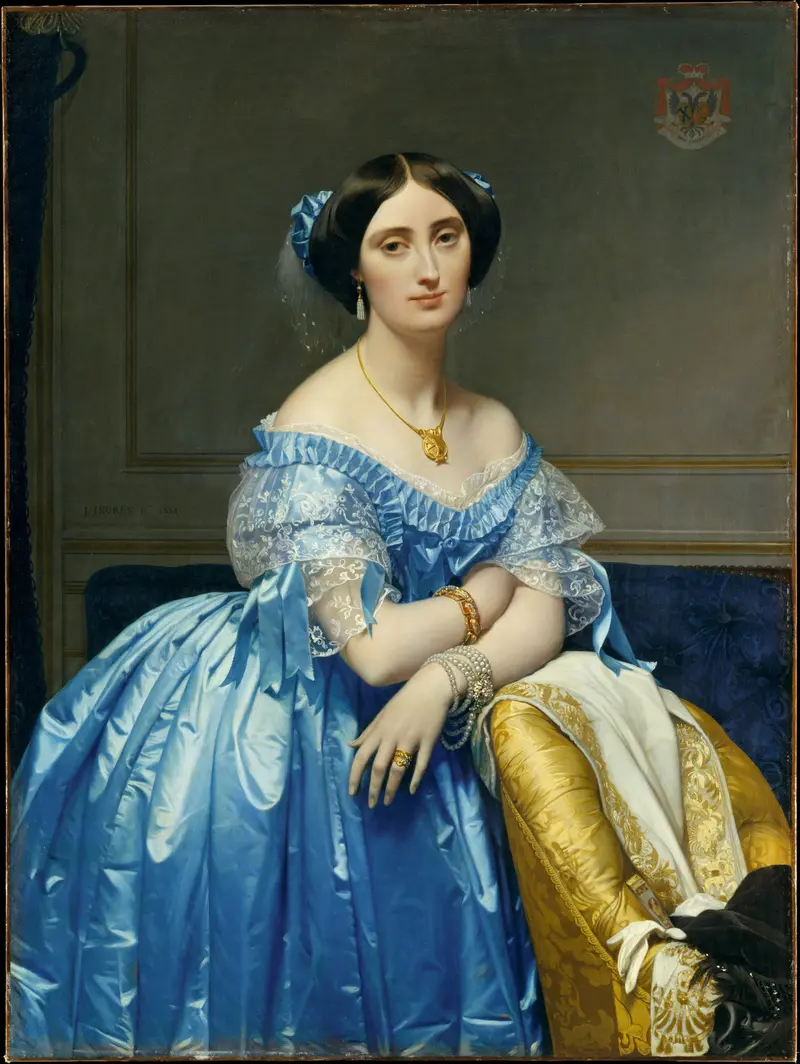
Joséphine-Éléonore-Marie-Pauline de Galard de Brassac de Béarn (1825–1860), Princesse de Broglie
Jean Auguste Dominique Ingres
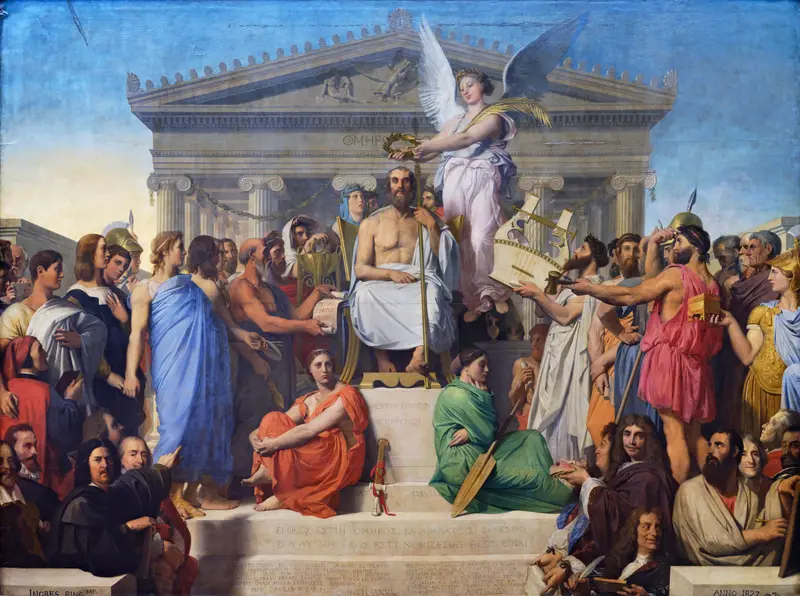
The Apotheosis of Homer
Jean Auguste Dominique Ingres





