
Portrait of Joanna Dziubandowska — History & Facts
What first arrests the viewer in Portrait of Joanna Dziubandowska is the unwavering directness of her gaze. The sitter’s eyes, set against the muted earth tones of the background, draw you in with a quiet insistence, as if she is holding back a story just behind her composed expression. Every detail in her face is rendered with a frankness that resists idealization: the slight downturn of her mouth, the subtle shadows under her eyes, the firmness of her jaw.
The light falls evenly, refusing drama, and instead offering clarity—there is nowhere to hide in this portrait, for sitter or viewer. Painted in 1860 by Aleksander Kotsis, this work belongs to a period when portraiture in Central Europe was shifting from the grand, aristocratic displays of earlier decades to something more intimate and psychologically searching. The sitter’s simple dress, marked only by a gold brooch and modest earrings, hints at respectability rather than opulence. The lace collar and the careful arrangement of her hair, held by a ribbon, signal attention to propriety, but the overall restraint of palette and setting keeps the focus on her presence, not her possessions.
In the Poland of the 1860s, such portraits were often commissioned to record family members for posterity, especially as the country’s political fate grew more uncertain. Today, preserved in the National Museum in Kraków’s digital collection, this painting stands as a testament to both the dignity of its subject and the honesty of its era—inviting us to look, and to keep looking, for the life behind those steady eyes.
More Artworks by Aleksander Kotsis

Trip in the Tatra Mountains
Aleksander Kotsis

Fair in Nowy Targ
Aleksander Kotsis
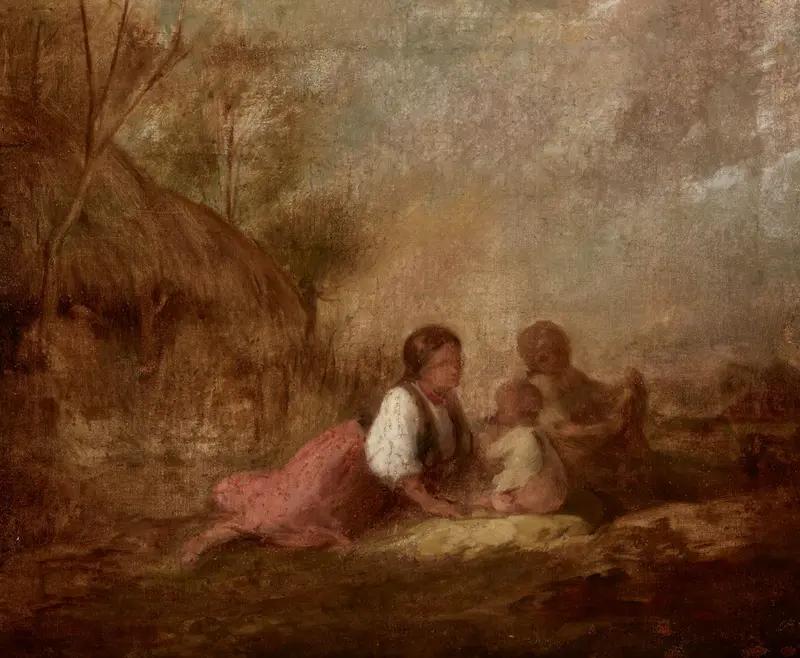
Pastoral Scene
Aleksander Kotsis
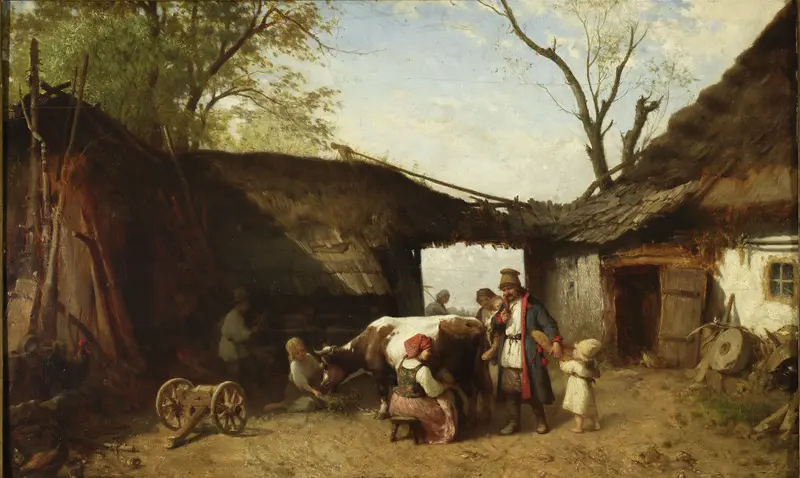
In the farmyard
Aleksander Kotsis
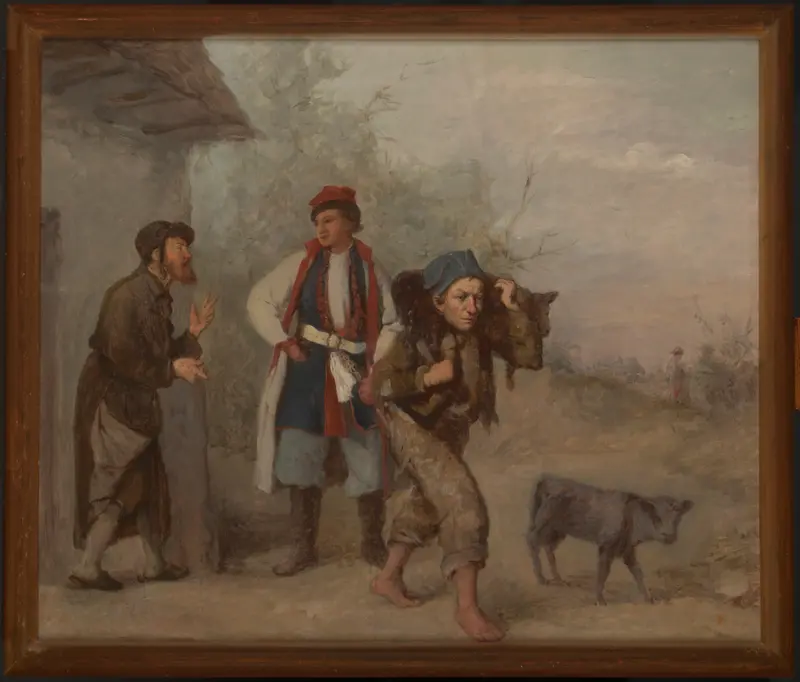
Haggling over a Calf
Aleksander Kotsis
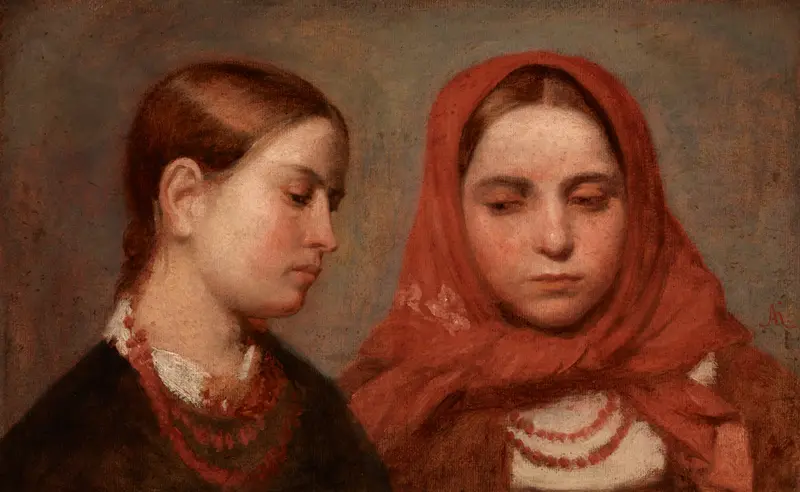
Heads of Two Young Girls
Aleksander Kotsis
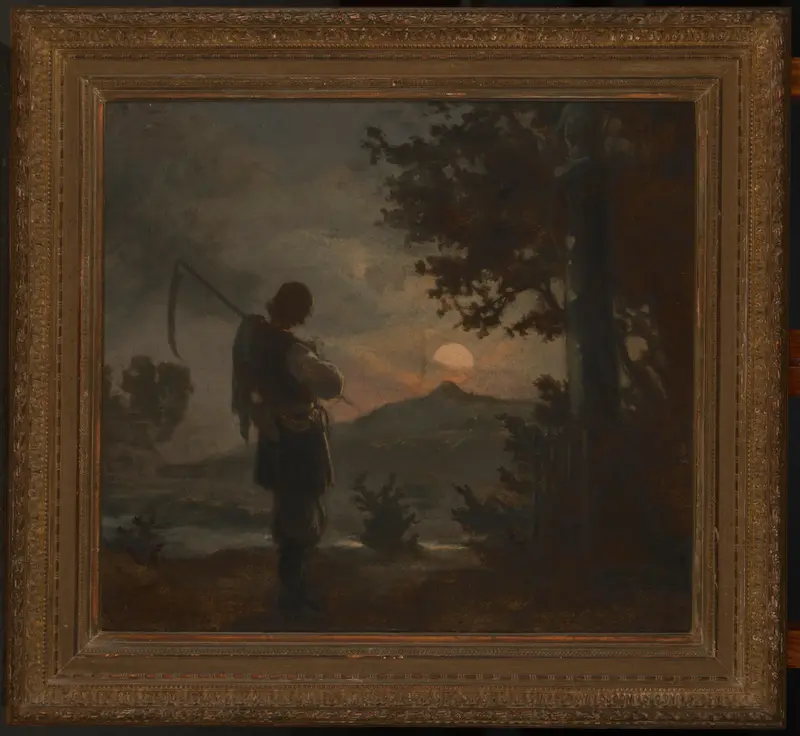
Haymaker
Aleksander Kotsis
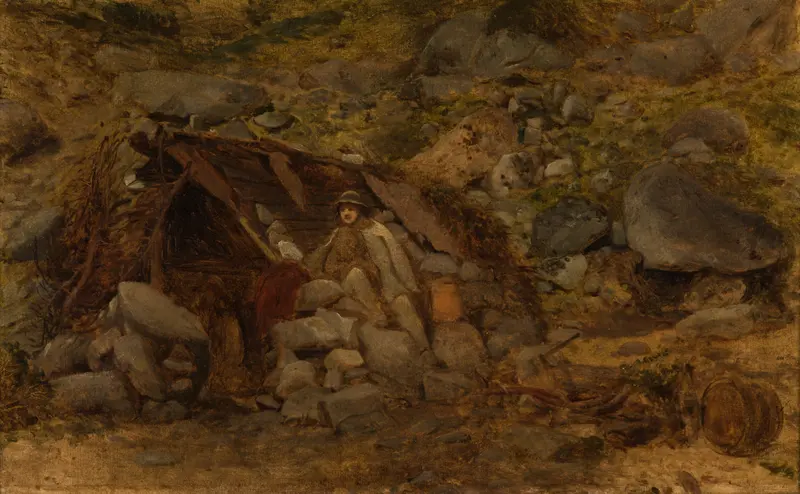
Highlander in Front of a Hut
Aleksander Kotsis
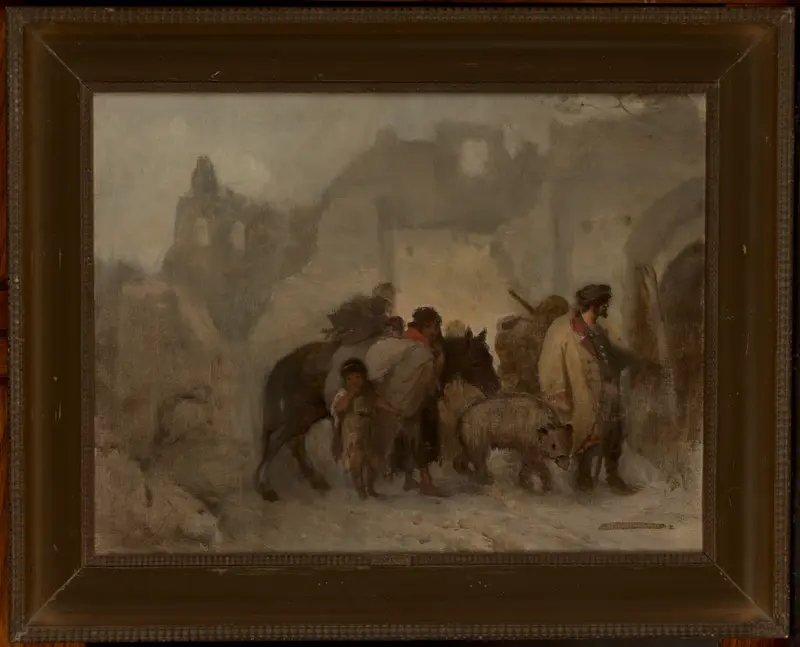
Gypsies
Aleksander Kotsis
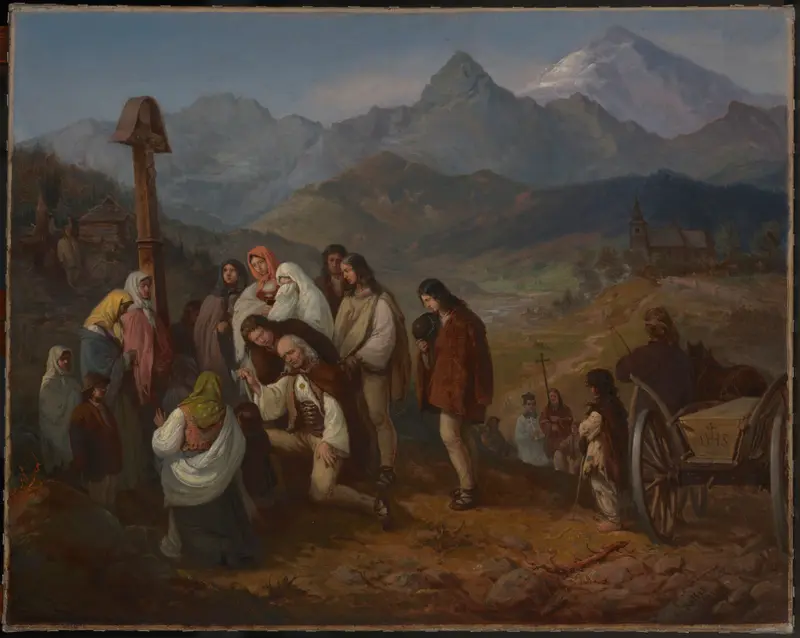
A Highlander's Funeral
Aleksander Kotsis





