
Portrait of King Albert I — History & Facts
Few royal portraits are as enigmatic as Portrait of King Albert I by Gustave Van de Woestijne, for the simple reason that neither the exact date of its creation nor the circumstances of its commission are known. What is certain is that it captures Belgium’s “Knight King,” a monarch whose leadership during World War I earned him a rare place in both national and international esteem. The painting’s very existence testifies to King Albert I’s enduring image as a symbol of dignity and resilience—a subject who inspired not only his people but also artists seeking to capture the spirit of a nation in crisis. The king is depicted at a moment of poised introspection, his gaze steady but distant, as if weighing the burdens of command.
Van de Woestijne’s approach is intimate: rather than the grand ceremonial trappings of official portraiture, the artist favors a restrained palette and a close framing of the sitter. The king’s uniform is rendered with careful attention to detail, but it is the expression—a blend of resolve and melancholy—that dominates the composition. Light falls softly across Albert’s features, emphasizing the lines of care and responsibility, much as Fernand Khnopff did in his psychological studies of Belgian society.
The absence of overt symbols—no crown, no scepter—invites viewers to consider the humanity behind the royal image. Little is recorded about the early life of this particular painting. It is not clear whether it was commissioned by the Belgian royal family or painted independently by Van de Woestijne, who was active in the first decades of the twentieth century and known for his nuanced, often introspective portraits. The painting’s whereabouts for much of the twentieth century remain uncertain; it has surfaced in several exhibitions dedicated to Belgian modernism, where it has been praised for its quiet intensity.
Today, Portrait of King Albert I stands as a testament to both the sitter’s historical significance and the artist’s ability to capture the complexities of character in a turbulent era.
More Artworks by Gustave Van de Woestijne
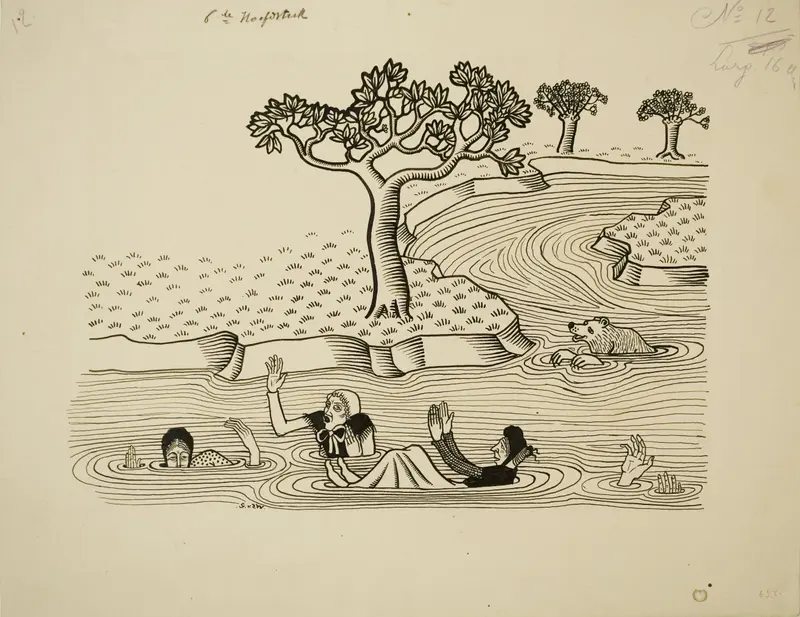
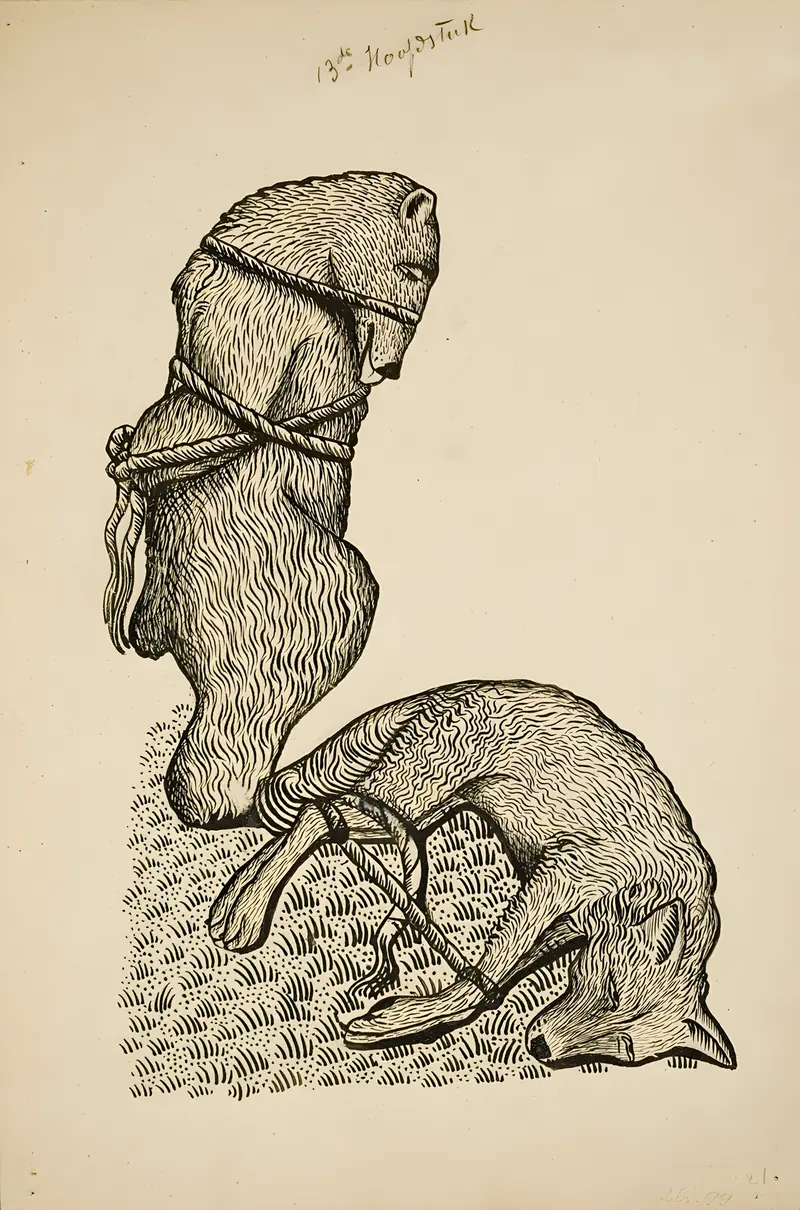
How Brown went out with Reynard where he thought he was eating honey and how he was caught by head and feet and suffered further misfortune
Gustave Van de Woestijne
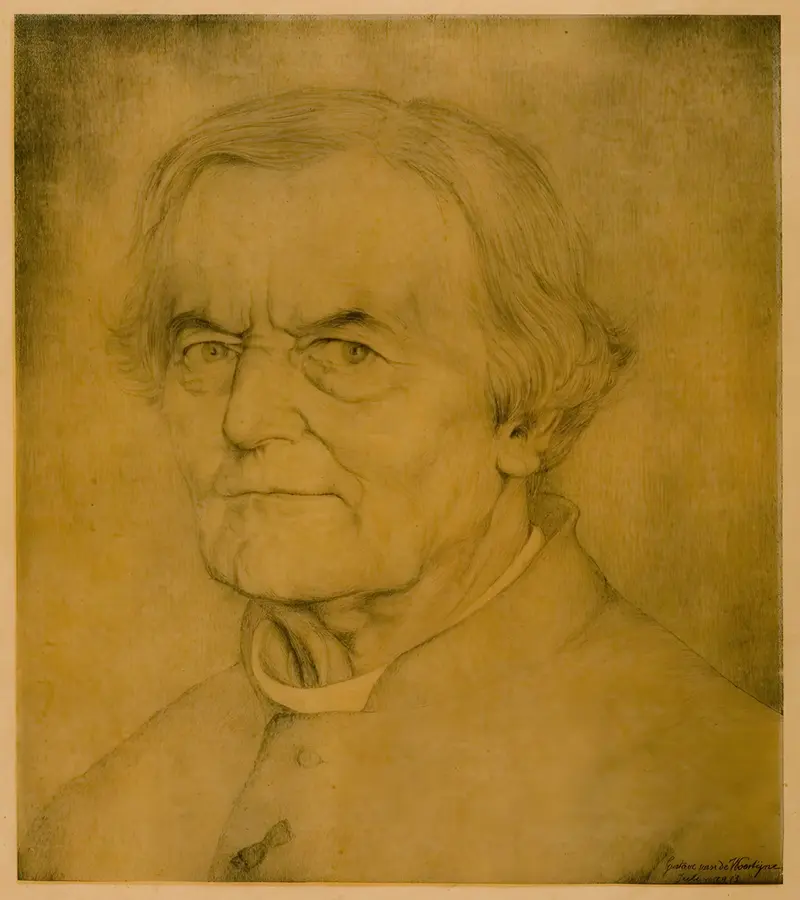
Portrait of Hugo Verriest
Gustave Van de Woestijne
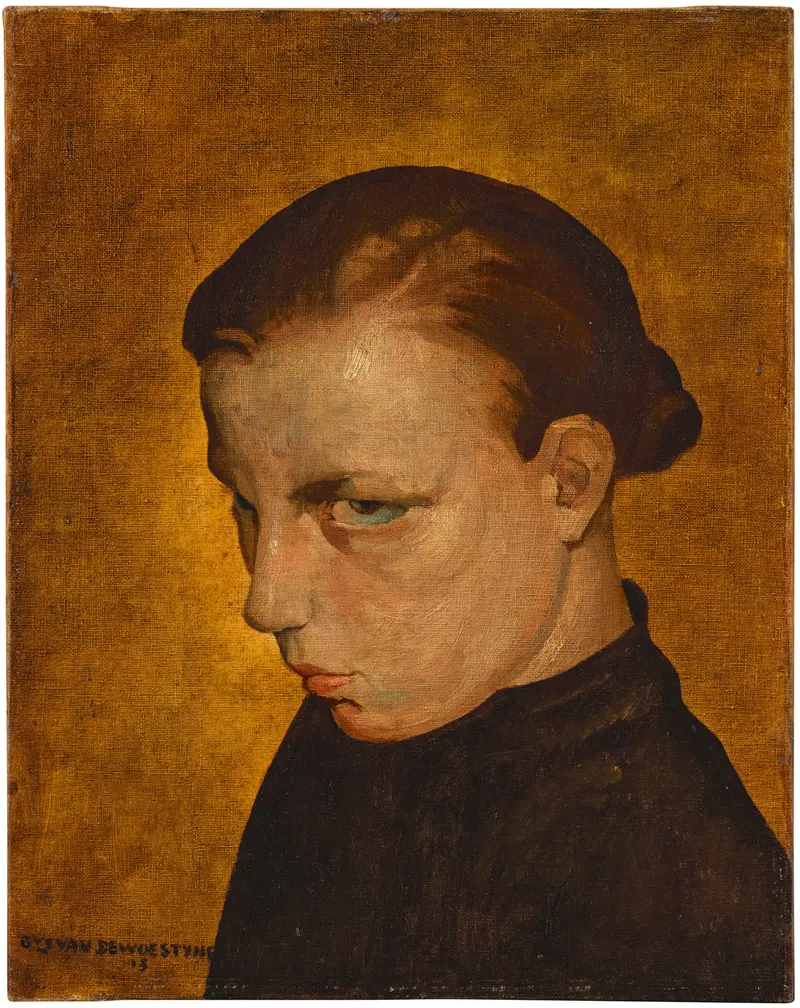
Angèle
Gustave Van de Woestijne
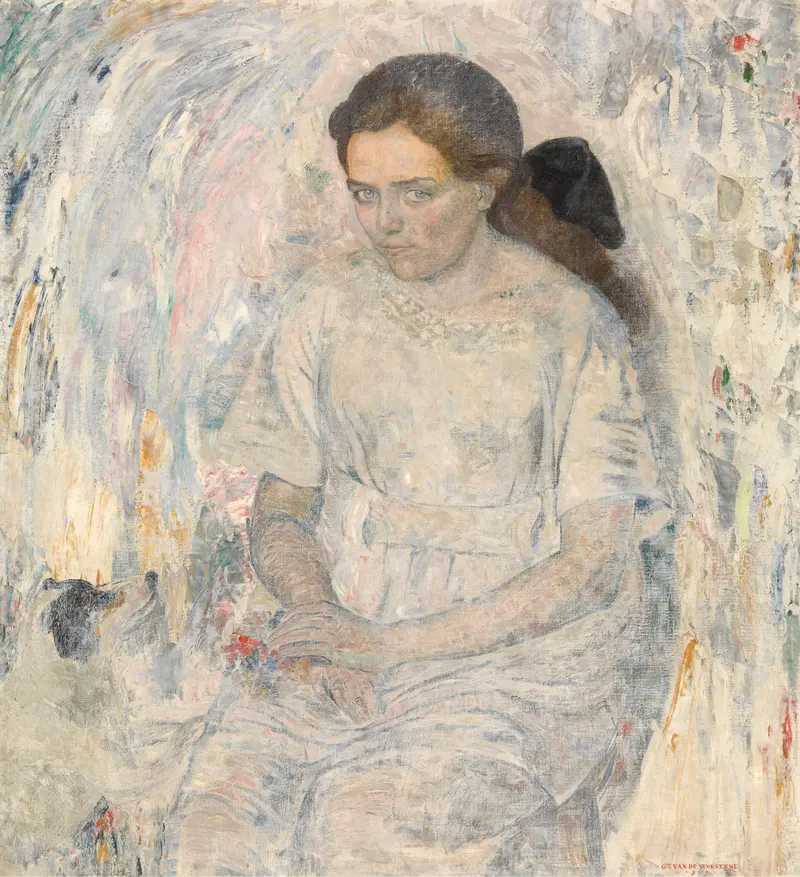
Adrienne
Gustave Van de Woestijne
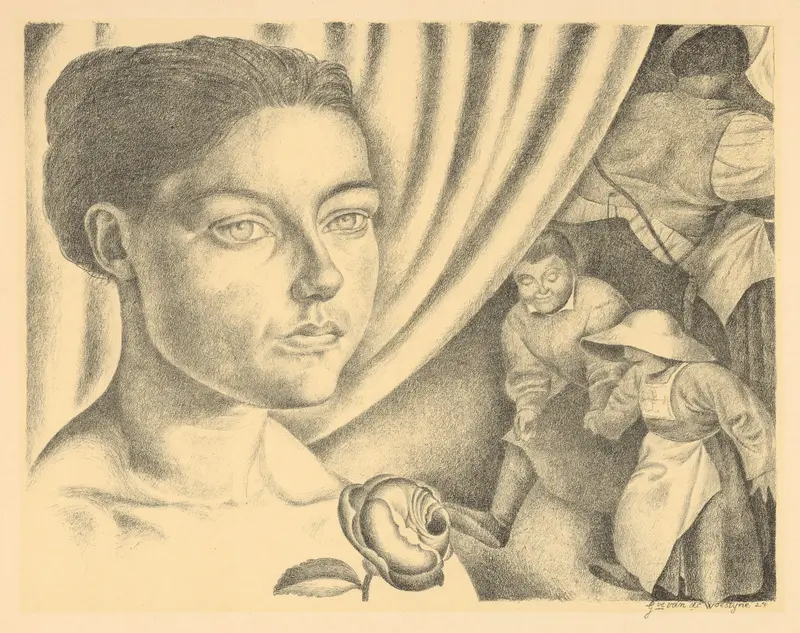
Jeune Femme
Gustave Van de Woestijne
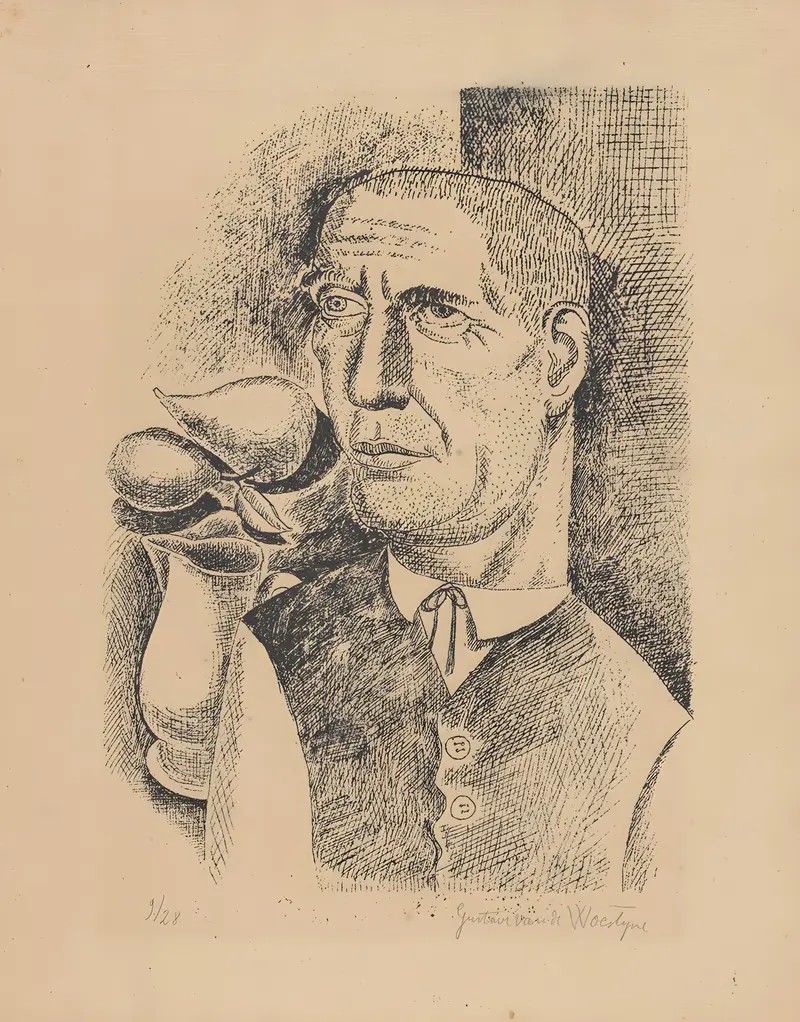
Boer op zijn zondags (Paysan endimanché)
Gustave Van de Woestijne
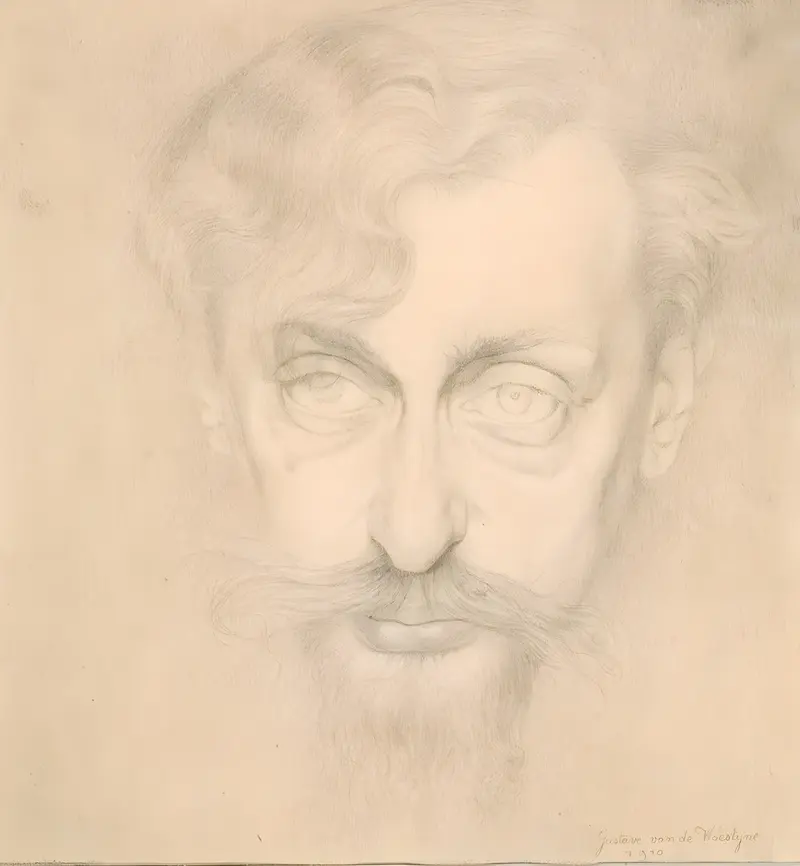
Portrait of the Writer Karel van de Woestijne
Gustave Van de Woestijne
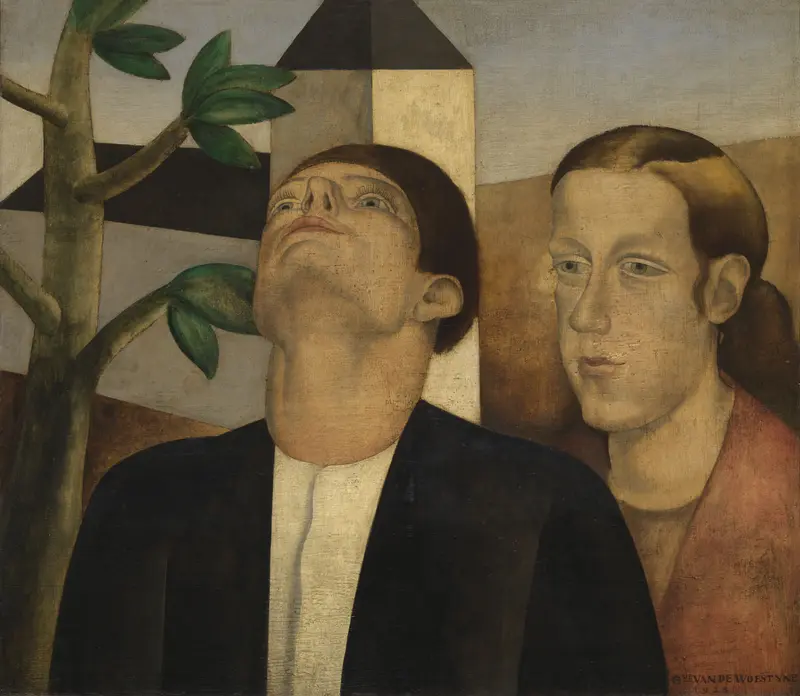
Azure
Gustave Van de Woestijne
How Reinaert devises a new trick to get free and exterminate his enemies
Gustave Van de Woestijne
Country Girl
Gustave Van de Woestijne





