
Portrait of Leonard Serafiński — History & Facts
When Jan Matejko painted Portrait of Leonard Serafiński in 1870, he was at the height of his fame as Poland’s chronicler in paint, yet he chose here not a king or a battlefield, but a fellow patriot and participant in the January Uprising of 1863. Serafiński, a landowner and insurgent, had risked everything in the failed bid for Polish independence from Russian rule—a cause close to Matejko’s heart. This portrait stands out for its rare intimacy among Matejko’s works, offering a personal tribute to a living comrade rather than the grand historical scenes for which the artist is best known.
The choice to memorialize Serafiński in this way speaks volumes about the painter’s own sympathies and the circles in which he moved. The painting captures Serafiński in a moment of quiet dignity, his gaze steady and direct, seated against a dark, subdued background that throws his features into sharp relief. His attire is simple but carefully rendered, perhaps alluding to the austerity and seriousness of the insurgent cause. A medal or badge pinned to his breast hints at his service and sacrifice, while the play of light across his face seems to highlight both resolve and weariness.
Unlike the tumultuous scenes of rebellion in Matejko’s Battle of Grunwald, here the drama is internal—a meditation on the cost of resistance. The psychological intensity recalls the portraits of Rembrandt, who likewise found heroism in the depths of the sitter’s expression rather than in external action. The precise circumstances of the portrait’s commission are not documented, but it is likely that Matejko painted it either as a gesture of personal respect or at the request of Serafiński’s family. Over time, the work has remained in Poland, passing through private collections and sometimes exhibited as an example of Matejko’s rare forays into portraiture.
Today, it is valued not only as a likeness of a historical figure but as a testament to the bonds among those who shaped Poland’s national identity during a period of upheaval. For Matejko, whose grand canvases often depicted the sweep of history, this portrait stands as a reminder that history is also written in the faces of those who lived it.
More Artworks by Jan Matejko
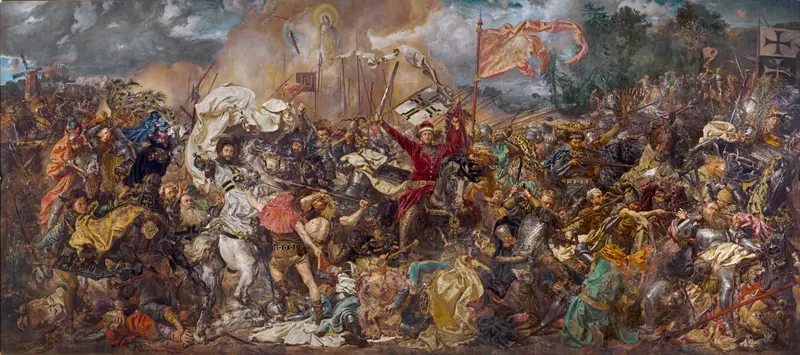
Battle of Grunwald
Jan Matejko

Stańczyk
Jan Matejko

Battle of Raclawice
Jan Matejko
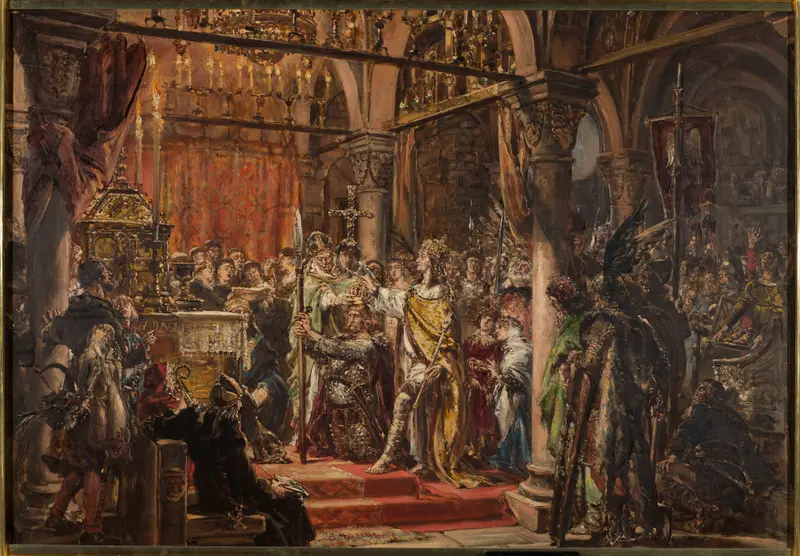
Coronation of the First King, 1001 AD, from the series “History of Civilization in Poland”
Jan Matejko
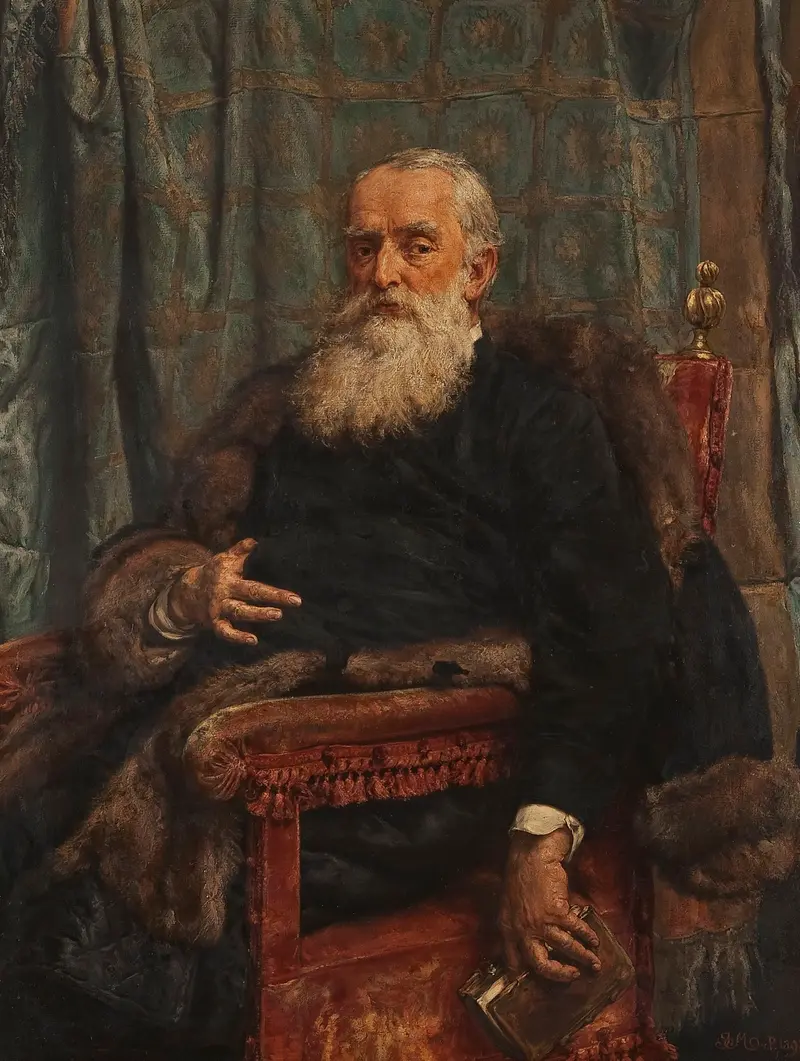
Portrait of Henryk Krajewski
Jan Matejko
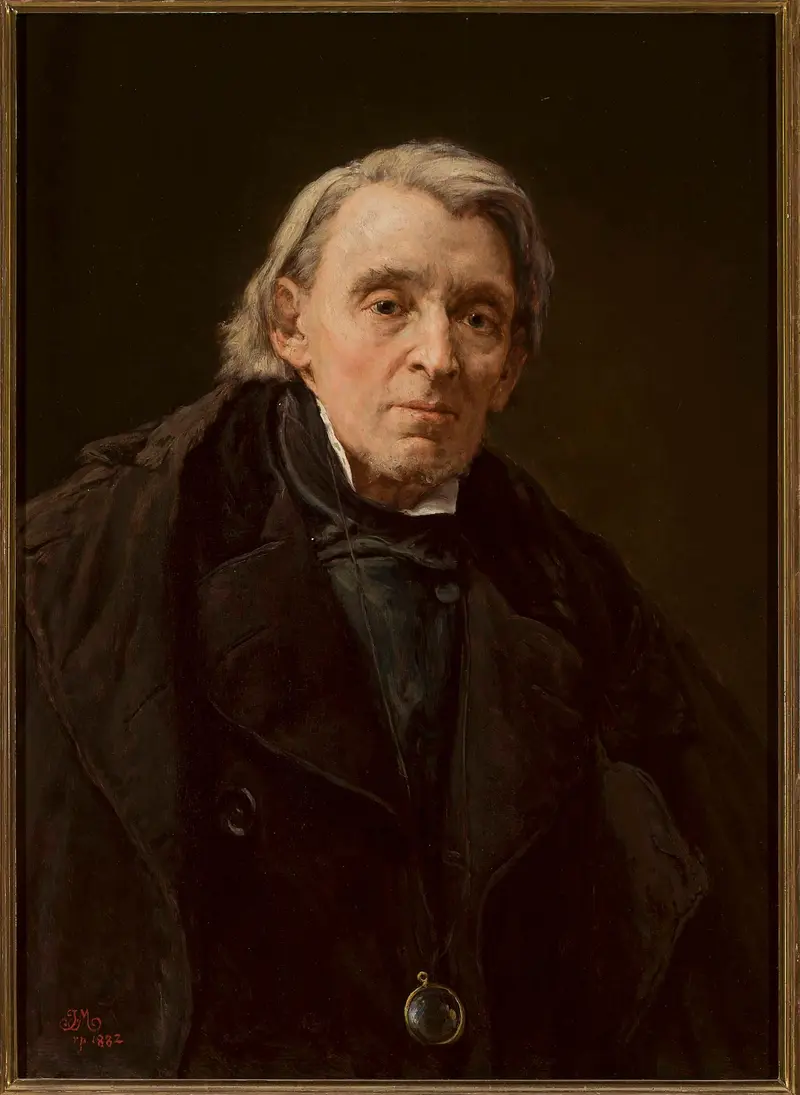
Portrait of Karol Podlewski
Jan Matejko
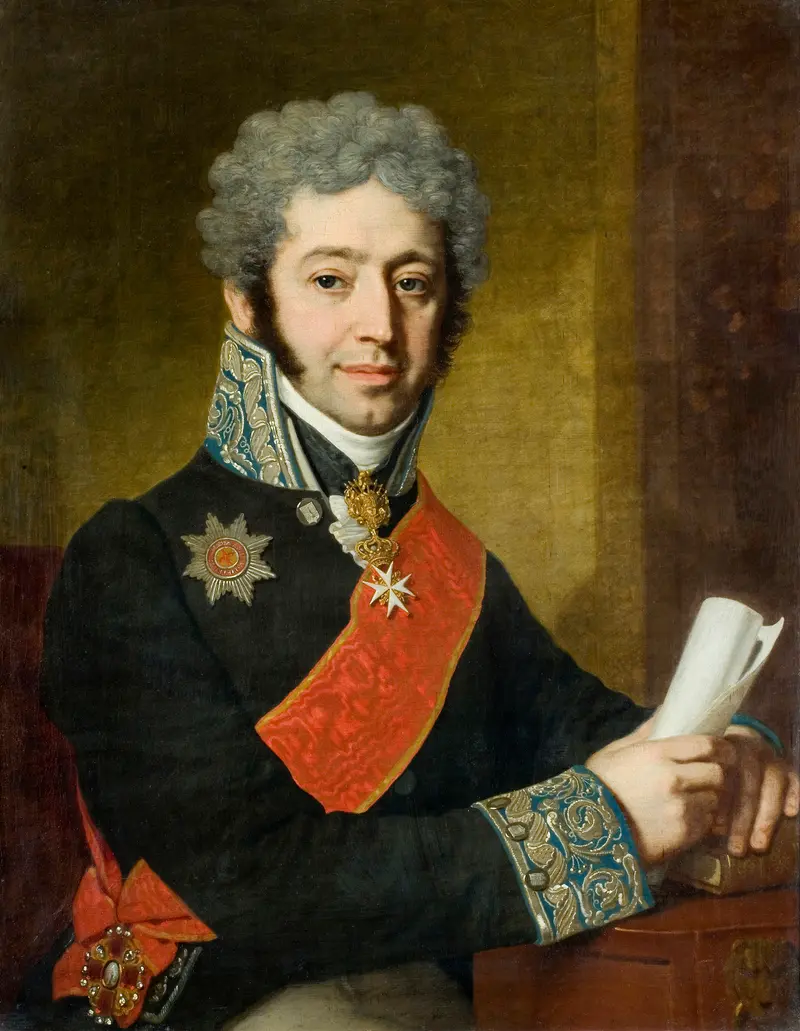
Portrait of Potocki and Poninski
Jan Matejko
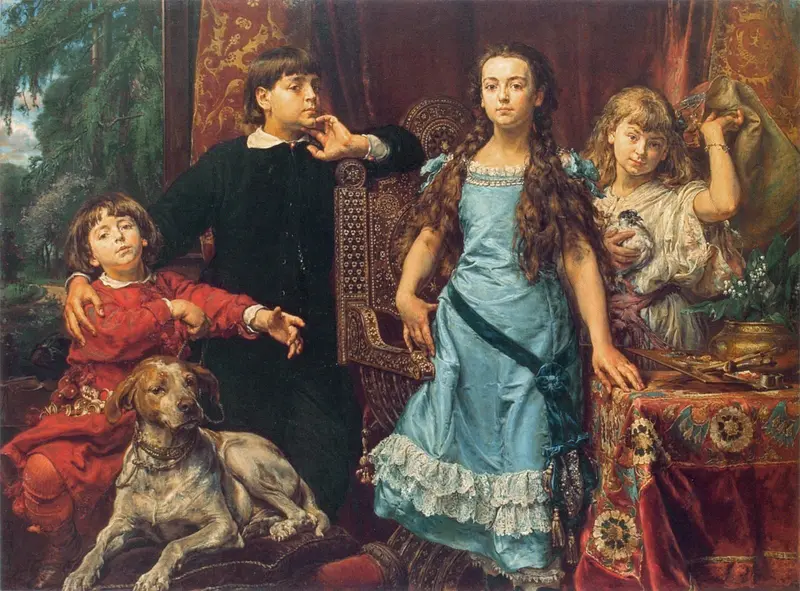
Portrait of the artist's four children
Jan Matejko
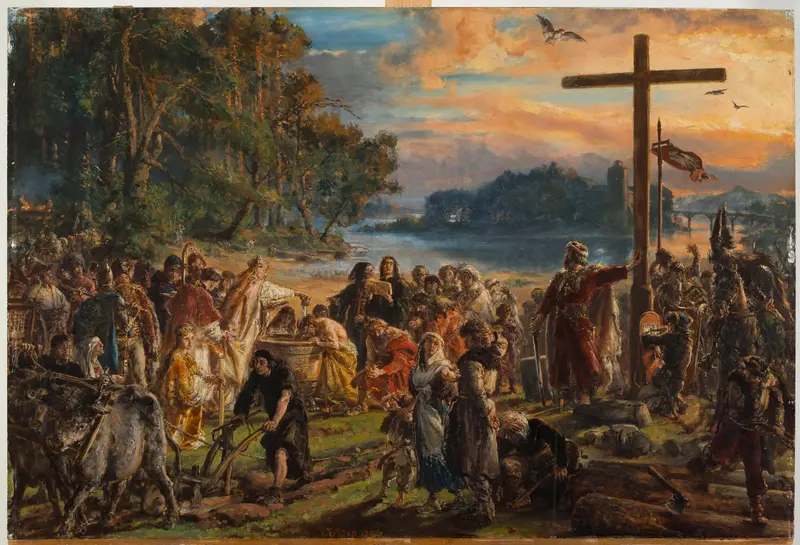
Introduction of Christianity in Poland
Jan Matejko
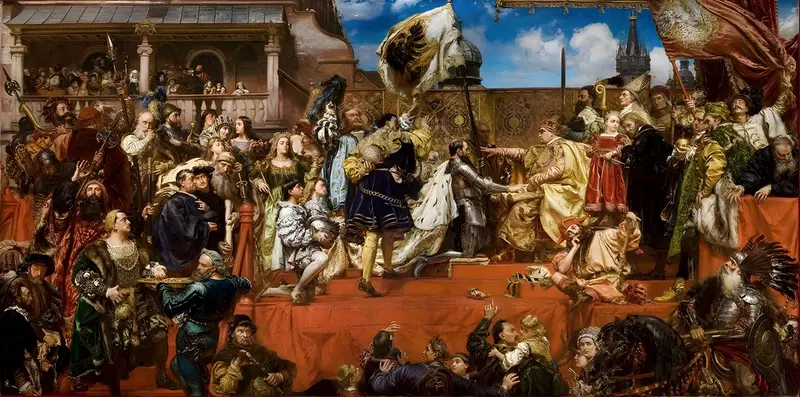
Prussian Homage
Jan Matejko





