
Portrait of Lizzy Ansingh — History & Facts
A single hand lifts the brim of a wide black hat, and the gaze beneath it meets yours with a directness that is almost startling. In Portrait of Lizzy Ansingh, Thérèse Schwartze chooses a moment of poised self-possession, where the sitter’s eyes seem to weigh the viewer as much as she is being observed. The light falls sharply across her face and hand, drawing you into the drama of her expression and the textures of her dress—olive green, accented with a flash of red at the collar and the translucent white of her sleeves.
The background recedes into shadow, leaving the figure to command the space with a quiet, unyielding presence. Painted in 1902, this portrait belongs to a world where artists and sitters alike were negotiating new roles for women in society and art. Portraits such as this, often commissioned to mark status or achievement, became a way for women to assert identity and ambition. Thérèse Schwartze was renowned for her ability to capture both likeness and character, and here she renders Lizzy Ansingh—herself a painter—with a painter’s hand and a peer’s understanding.
The work now resides in the Rijksmuseum, a testament to a period when Dutch portraiture was alive with the energy of modern life and changing expectations. The sitter’s steady gaze invites you to linger, to wonder what she is thinking, and to look again.
More Artworks by Thérèse Schwartze

Self-portrait
Thérèse Schwartze
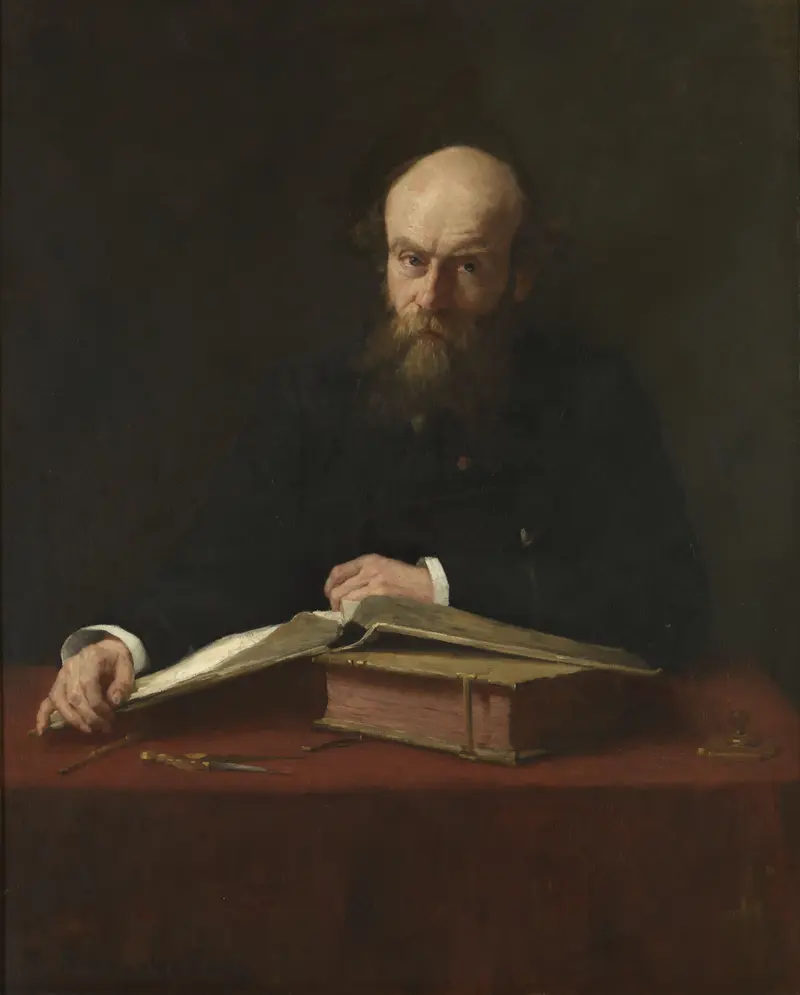
Portrait of Dr. P.J.H. Cuypers (1827-1921)
Thérèse Schwartze
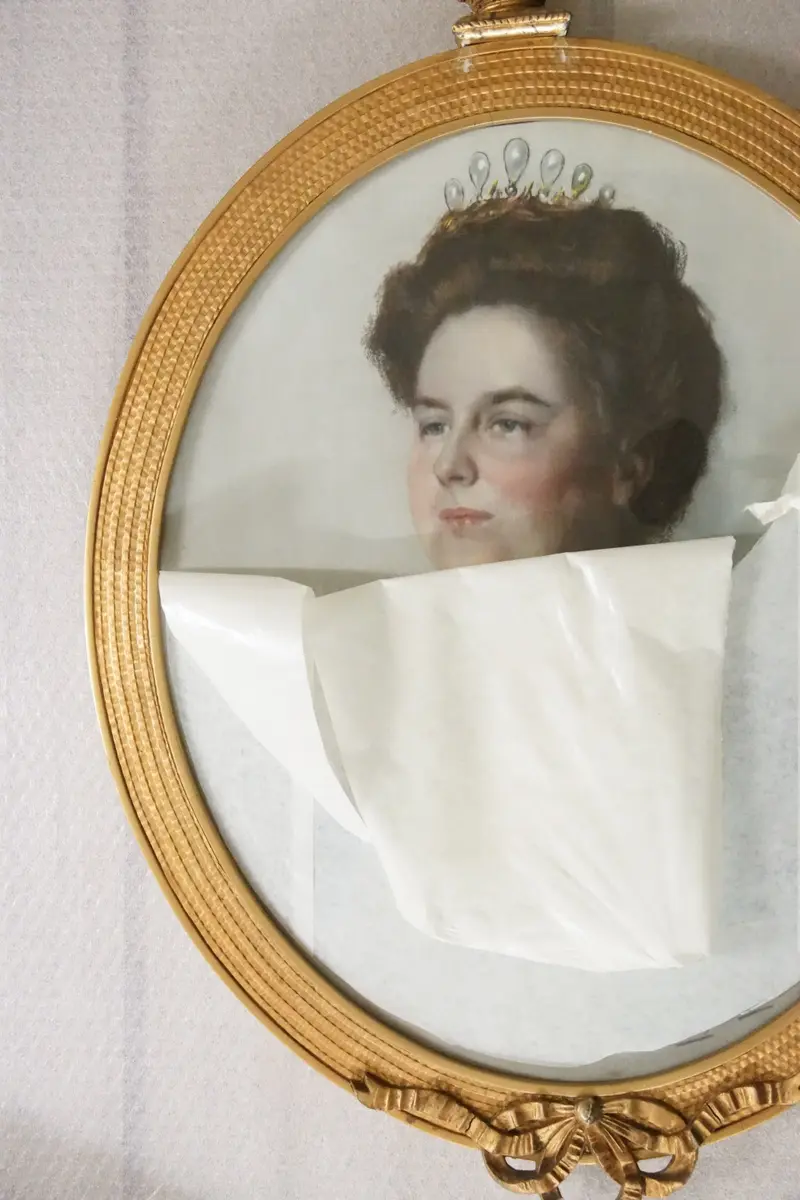
Portret Wilhelmina 020904 Stedelijk Museum Alkmaar
Thérèse Schwartze
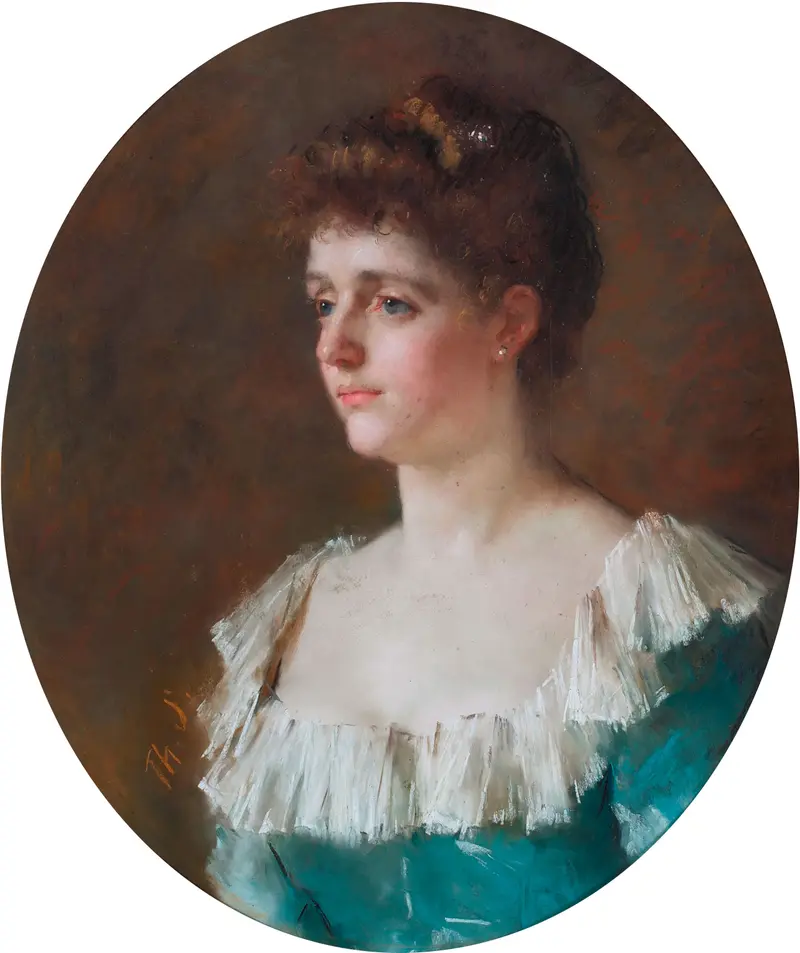
Portrait of Maria Cornelia Schimmelpenninck van der Oye (1857-1891)
Thérèse Schwartze
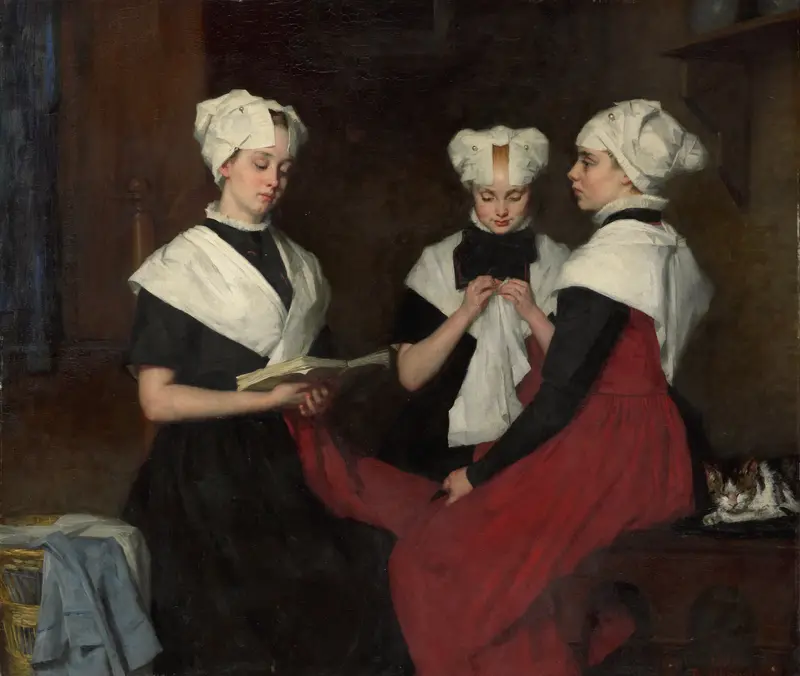
Three girls from the Amsterdam Orphanage
Thérèse Schwartze
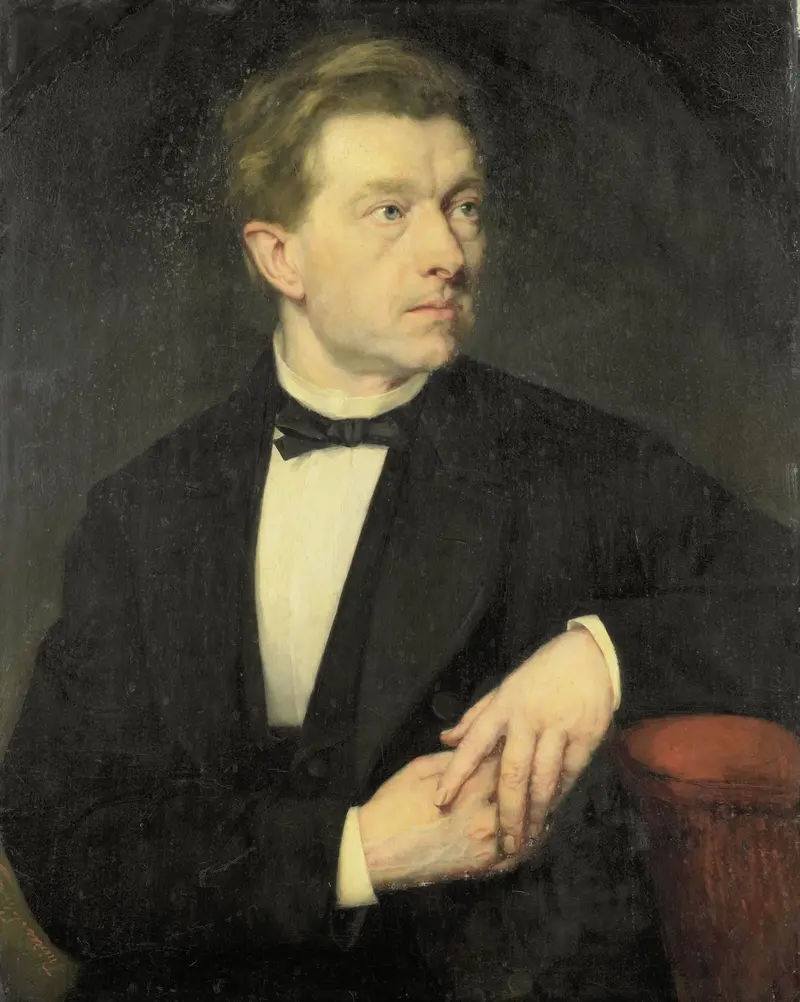
Portrait of Dr. J. L. Dusseau
Thérèse Schwartze
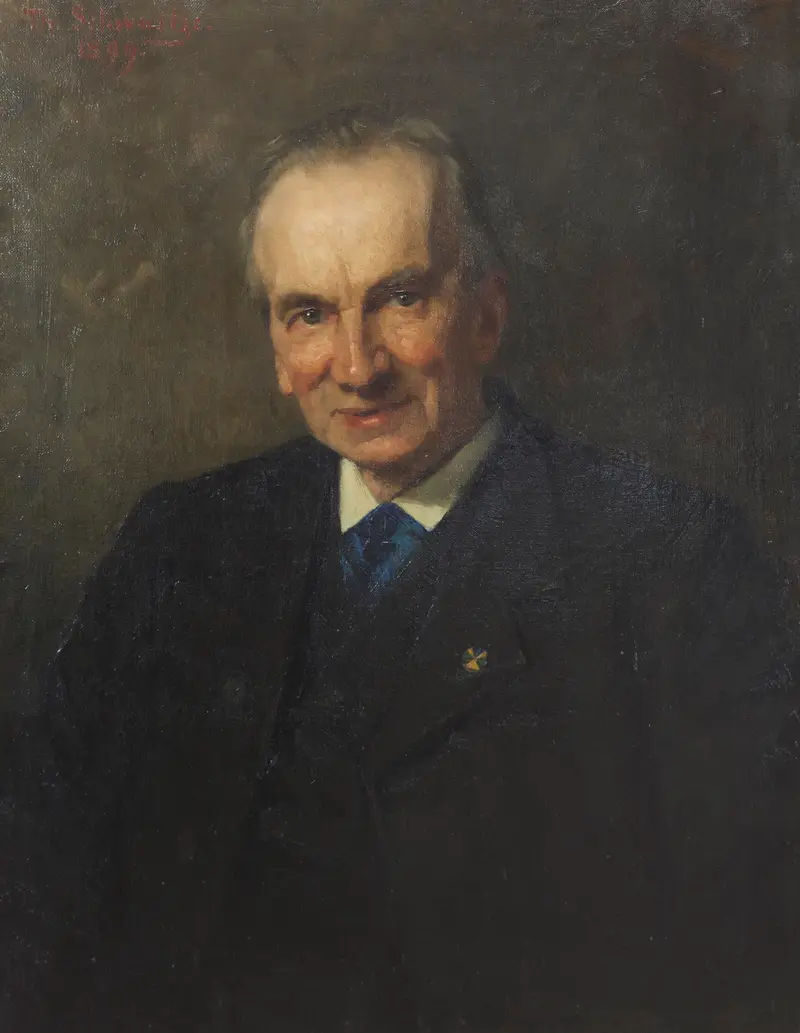
Portrait of Frederik Willem van Eeden
Thérèse Schwartze
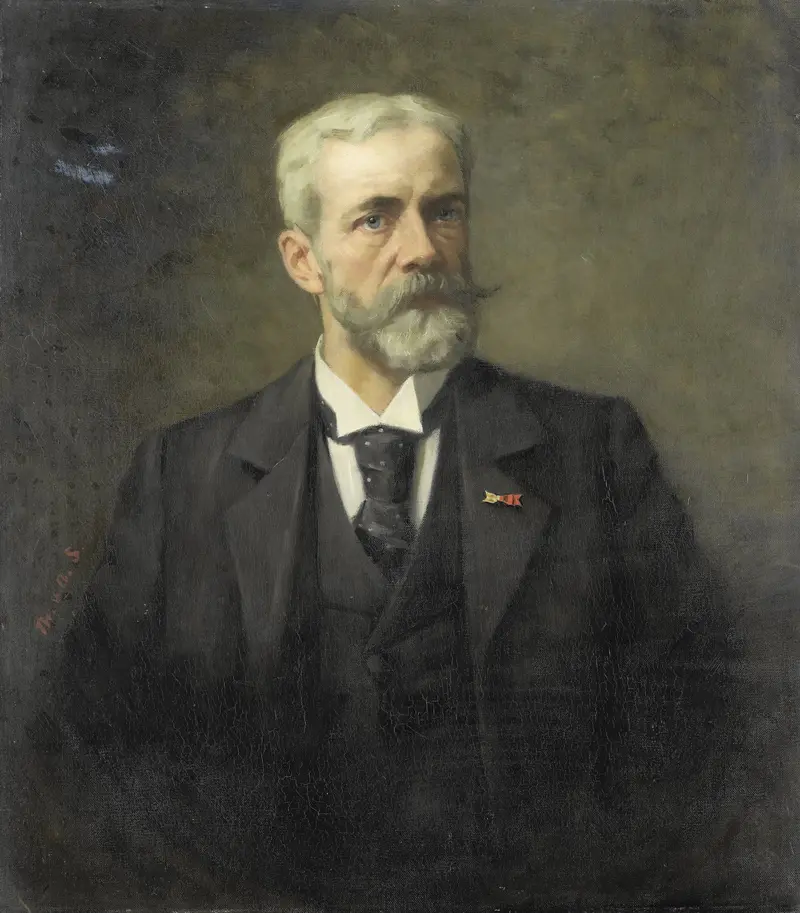
Portrait of Frederik Daniël Otto Obreen (1840-96), director Rijksmuseum
Thérèse Schwartze
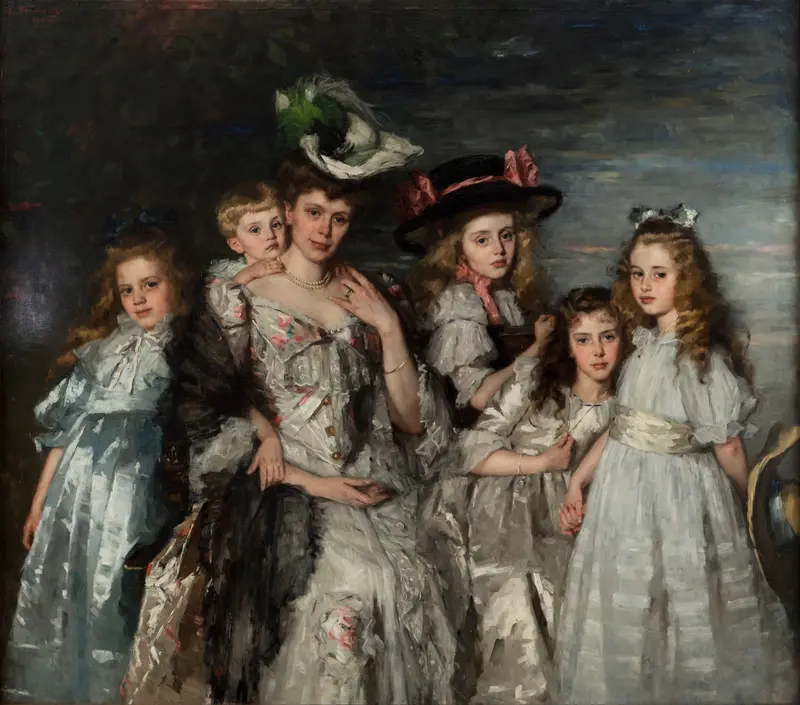
Portrait of Mrs. A.G.M. van Ogtrop-Hanlo (1871-1944) and her five children
Thérèse Schwartze
Portrait of Dr. Salomon Benjamin Druif
Thérèse Schwartze





