
Portrait of Mariana of Austria, Queen of Spain — History & Facts
When Diego Velázquez painted Portrait of Mariana of Austria, Queen of Spain in 1655, he was capturing not only a queen, but the fragile future of the Spanish Habsburg dynasty. Mariana, just twenty years old, had recently married her uncle, King Philip IV, in a union designed to secure the royal line after years of political uncertainty. The marriage was both a dynastic necessity and a personal ordeal, as Mariana had been raised in Vienna and was thrust into the rigid etiquette of the Spanish court.
The painting was likely commissioned to affirm her status as queen consort at a moment when the monarchy's stability was in question. Velázquez chooses to present Mariana at the height of her ceremonial role, seated in a formal pose that speaks to the gravity of her position. Her elaborate dress, with its wide farthingale and stiff bodice, is not simply a fashion statement but a coded symbol of Spanish royal authority and decorum. The queen’s pale, almost mask-like face is framed by a dark coif and a cascade of pearls, her gaze direct yet distant, as if weighed down by the expectations of her new realm.
The muted palette and restrained background focus all attention on Mariana herself, much as Francisco de Zurbarán would isolate his saints in a sea of shadow, but here the effect is to emphasize the isolation of royalty. The small hand resting on the armrest, adorned with rings, subtly hints at her youth and vulnerability beneath the layers of protocol. The painting remains one of the last great portraits Velázquez completed before his death in 1660, and it stands as a testament to his extraordinary ability to balance realism with the demands of court representation. Although the exact provenance of this portrait is not fully documented, it has long been part of the Spanish royal collections and today hangs in the Museo del Prado.
Over the centuries, it has been admired both as a likeness of a queen and as a psychological study of power and isolation. The work marks a late period in Velázquez’s career, when his brushwork became looser and his interest in the inner life of his sitters more pronounced—a legacy that would influence portraitists for generations to come.
More Artworks by Diego Velázquez

Las Meninas
Diego Velázquez
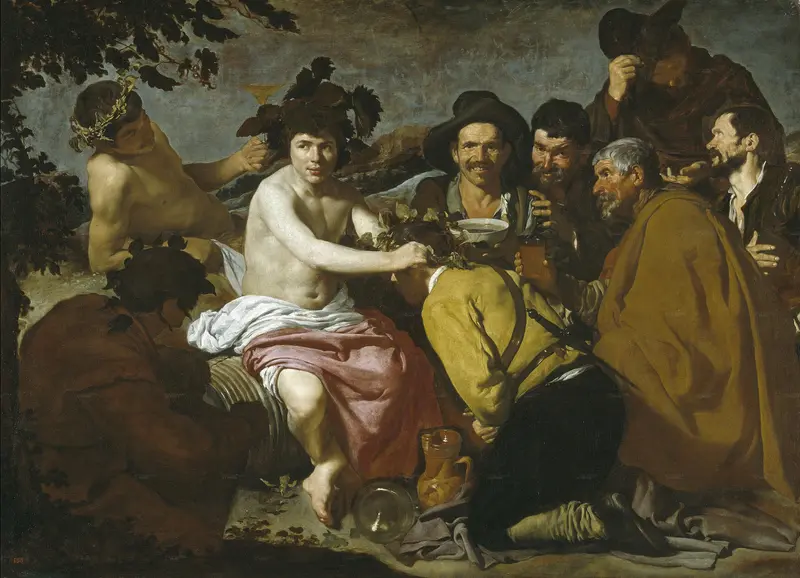
The Triumph of Bacchus
Diego Velázquez
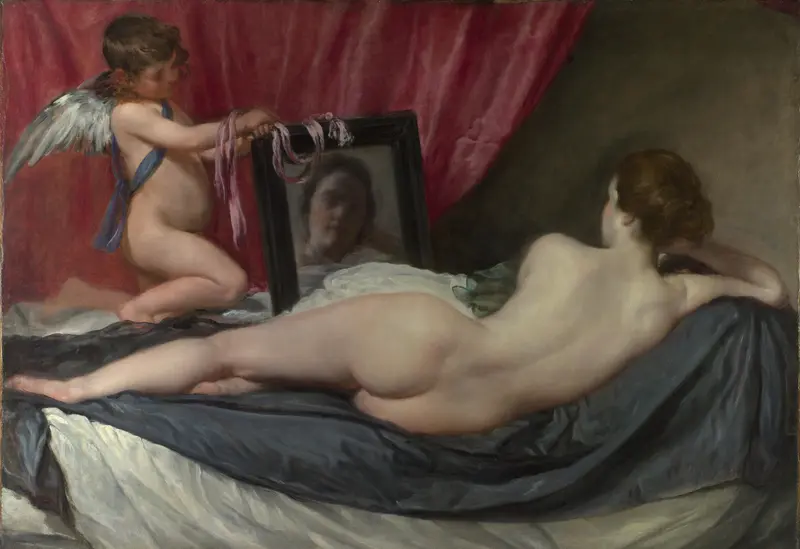
Rokeby Venus
Diego Velázquez
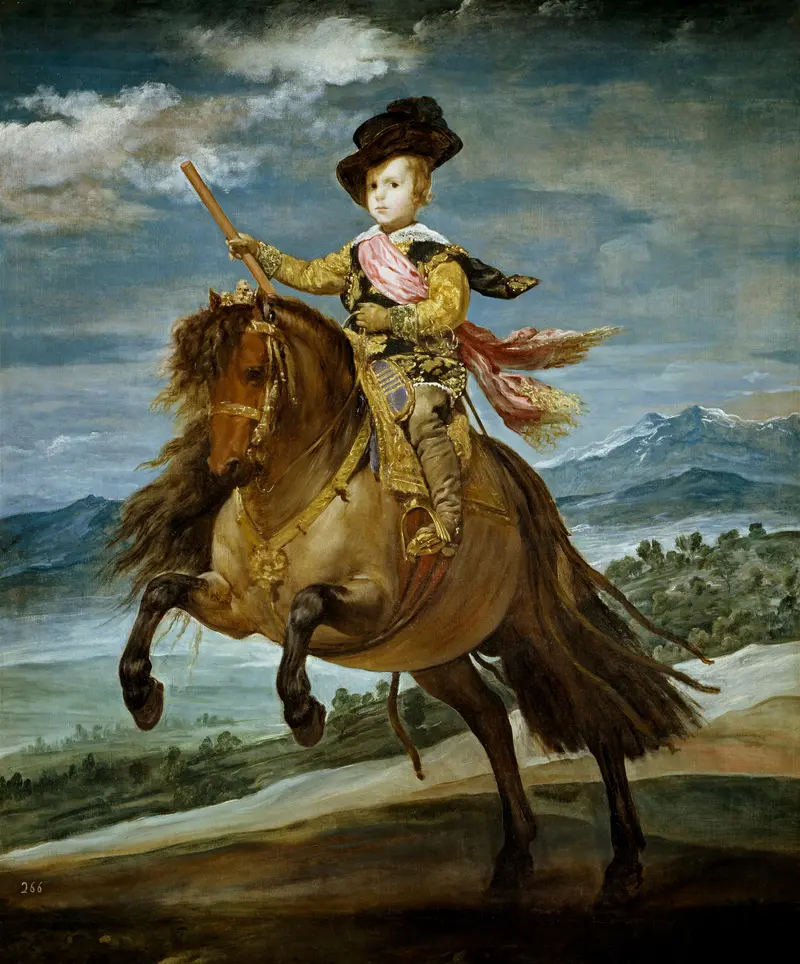
Equestrian Portrait of Prince Balthasar Charles
Diego Velázquez
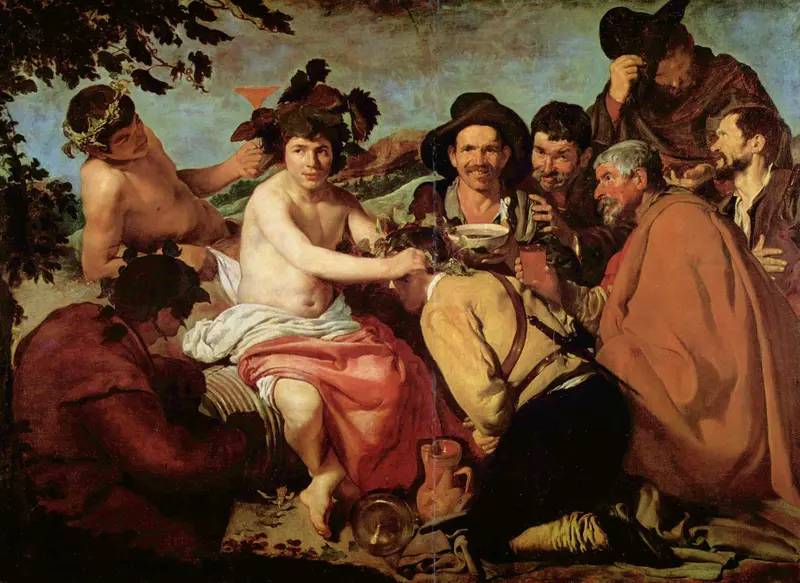
Bacchus
Diego Velázquez
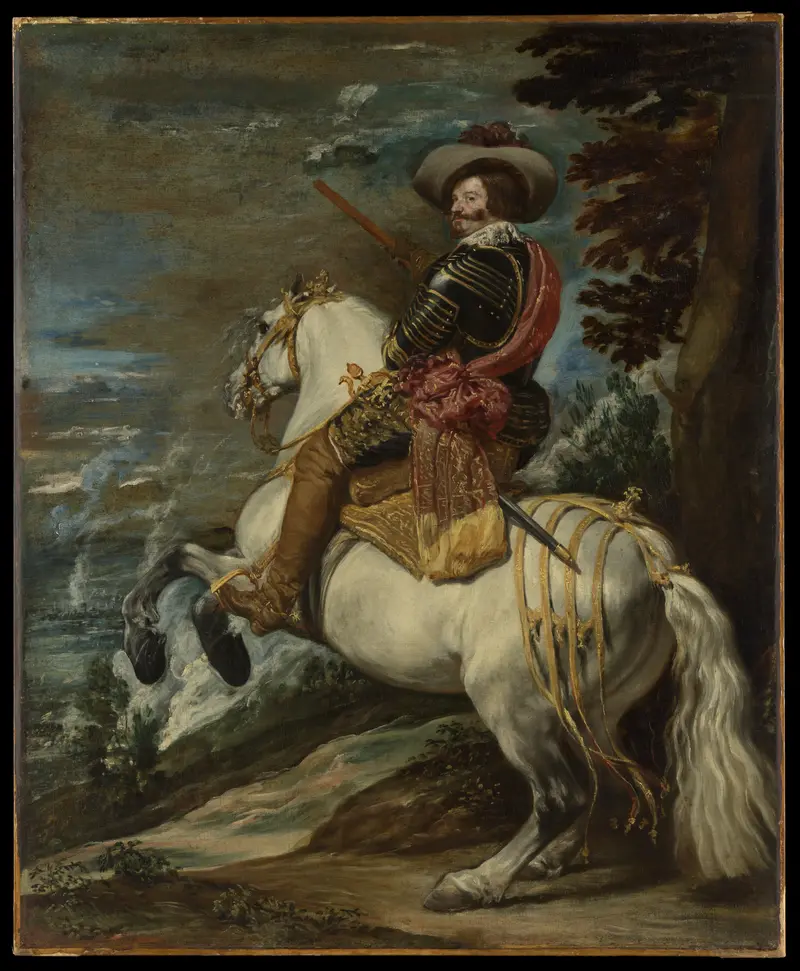
Don Gaspar de Guzmán (1587–1645), Count-Duke of Olivares
Diego Velázquez
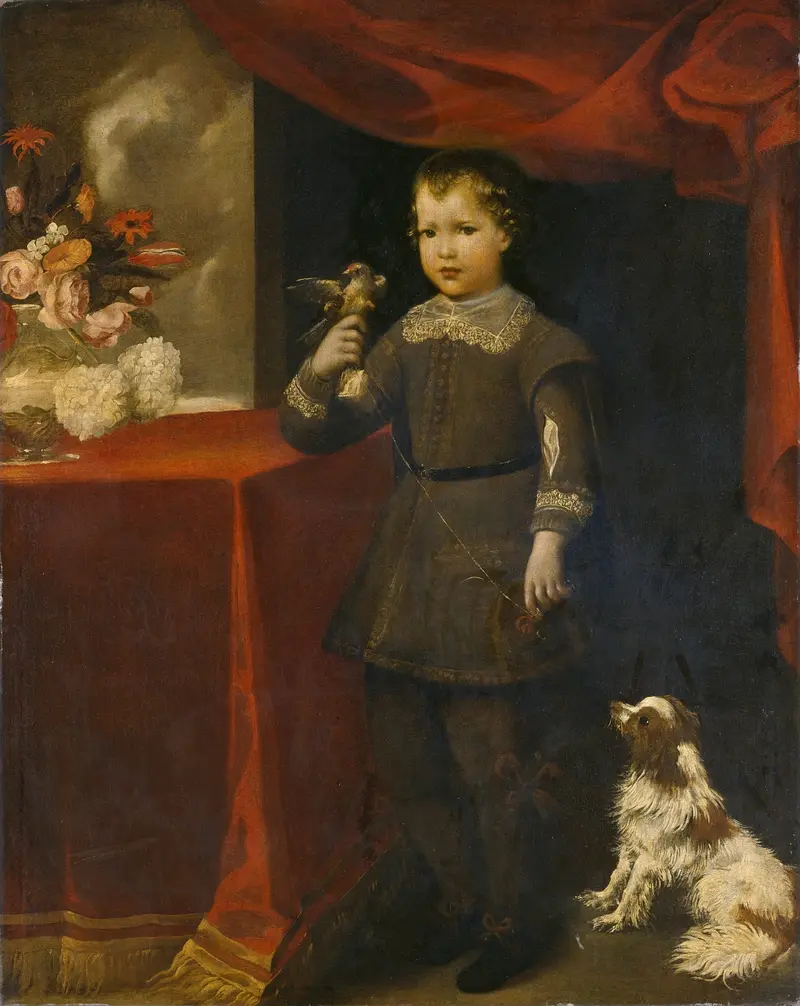
El príncipe Baltasar Carlos de Austria
Diego Velázquez
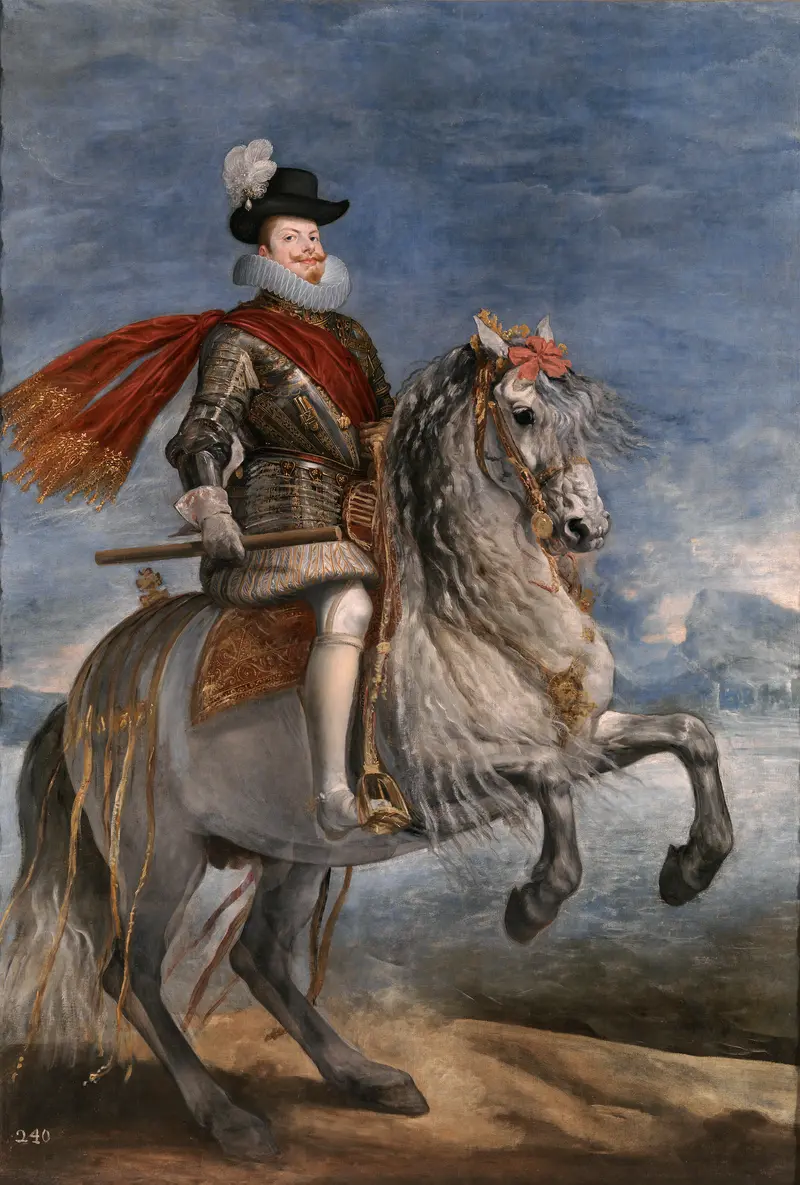
Equestrian Portrait of Philip III
Diego Velázquez
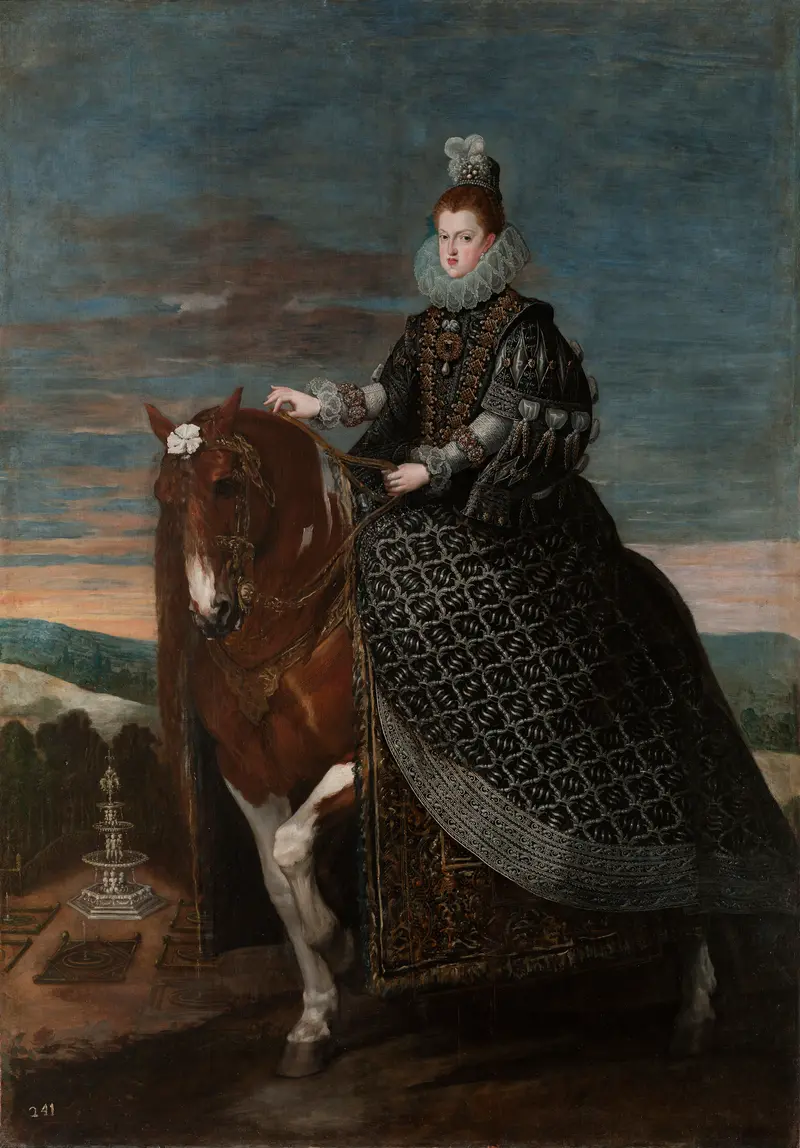
Equestrian Portrait of Margarita of Austria
Diego Velázquez
Las Hilanderas
Diego Velázquez




