
Portrait of Nicolaes Hasselaer (1593-1635) — History & Facts
When Frans Hals painted Portrait of Nicolaes Hasselaer (1593-1635) in 1637, he was capturing not just a likeness but the enduring image of one of Amsterdam’s most influential citizens. Hasselaer was a brewer, civic leader, and member of the city’s elite, whose family played a significant role in the economic and political life of the Dutch Republic. The portrait forms part of a celebrated pair, with Hasselaer’s wife, Sara Wolphaerts van Diemen, also painted by Hals—a double commission that signaled both status and affection.
Intriguingly, the date of the portrait is two years after Hasselaer's death, raising questions about whether Hals worked from earlier sketches or memories, or if the commission was posthumous, intended as a tribute. In this work, Hals chooses to show Hasselaer at the height of his dignity and self-assurance, seated and turned slightly towards the viewer, his gaze direct and alert. The sitter’s hand rests confidently on the armrest, while his black attire, softened by a delicate lace collar and cuffs, signals both sobriety and wealth. The subtle play of light animates his face and hands, drawing the eye to the lively expression that is a hallmark of Hals’s portraiture.
Unlike the more formal, static images by Rembrandt or Van Dyck, Hals imbues this portrait with a sense of immediacy and presence, as if Hasselaer might speak at any moment. The painter’s loose, fluid brushwork, especially in the rendering of fabric and flesh, gives the portrait a vibrancy that was innovative for its time. The precise journey of Portrait of Nicolaes Hasselaer (1593-1635) through the centuries is not fully documented, but it is known to have remained in Dutch collections for much of its history, often paired with the portrait of Sara Wolphaerts van Diemen. As with many works by Hals, attribution was never in doubt, thanks to the unmistakable energy and technique.
Today, the painting stands as a testament to the flourishing portrait culture of the Dutch Golden Age, and to Hals’s reputation as the era’s most acute observer of character. It continues to be studied for its lively realism and as a record of Amsterdam’s patrician class at a moment of unprecedented prosperity.
More Artworks by Frans Hals

Banquet of the Officers of the St George Civic Guard
Frans Hals

Portrait of Jacob Pietersz Olycan (1596-1638)
Frans Hals
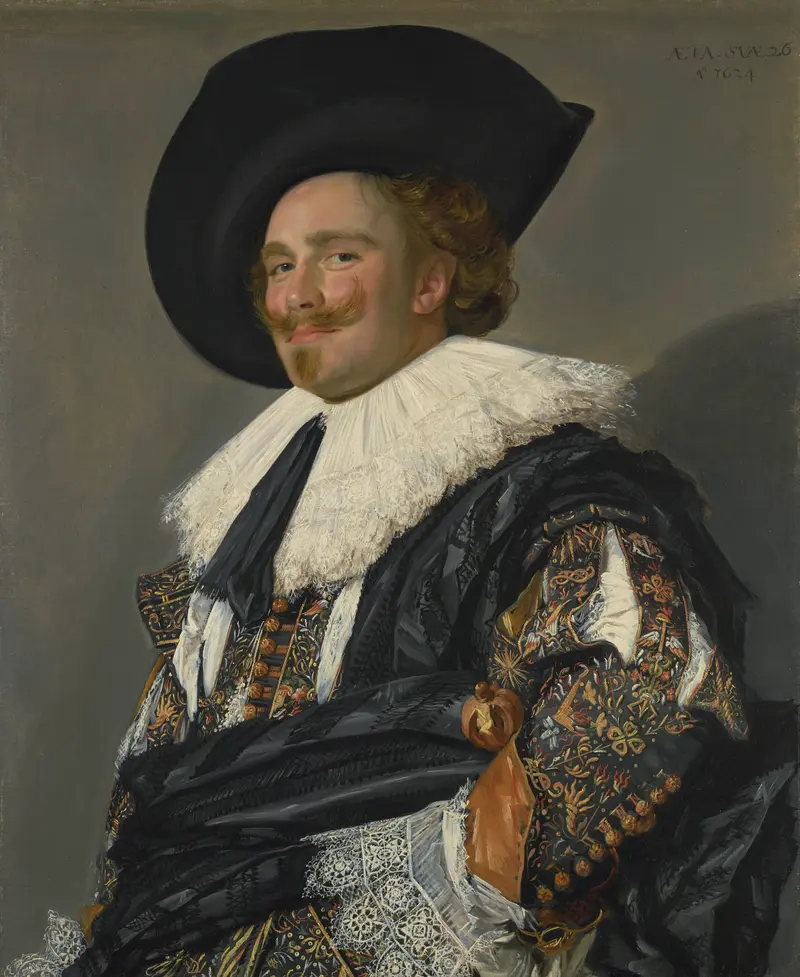
Laughing Cavalier
Frans Hals

Militia Company of District XI under the Command of Captain Reynier Reael, Known as ‘The Meagre Company’
Frans Hals
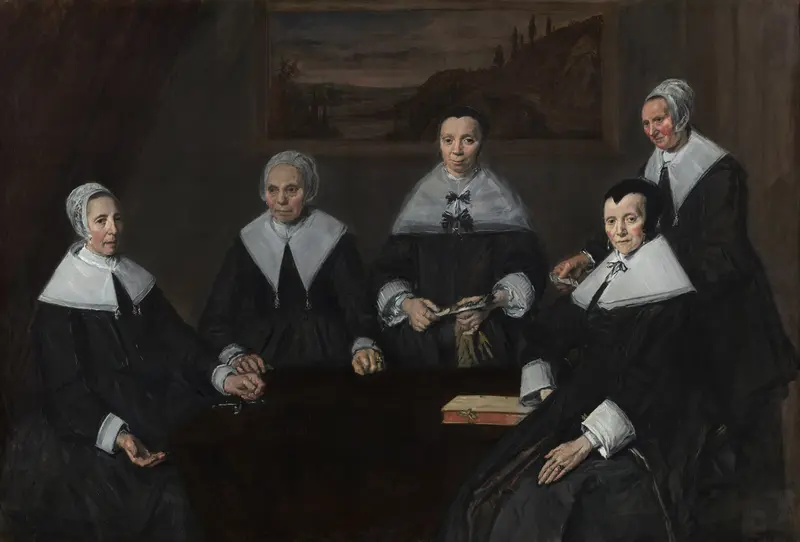
Regentesses of the Old Men's Alms House
Frans Hals
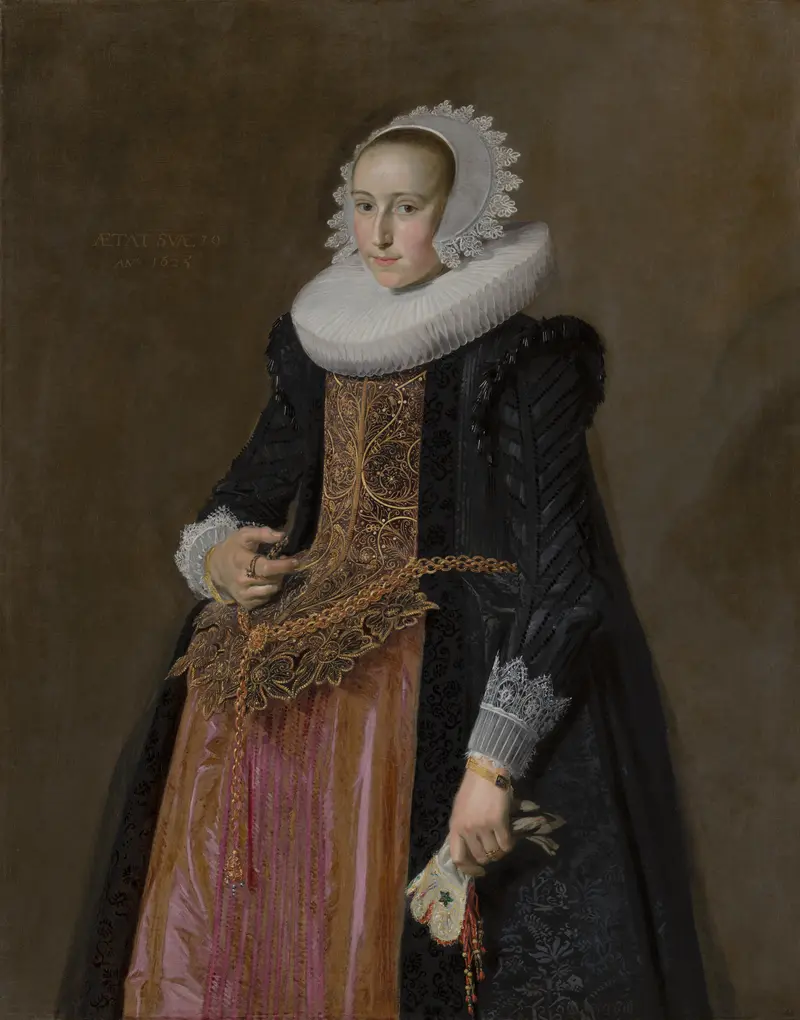
Portrait of Aletta Hanemans (1606–1653)
Frans Hals
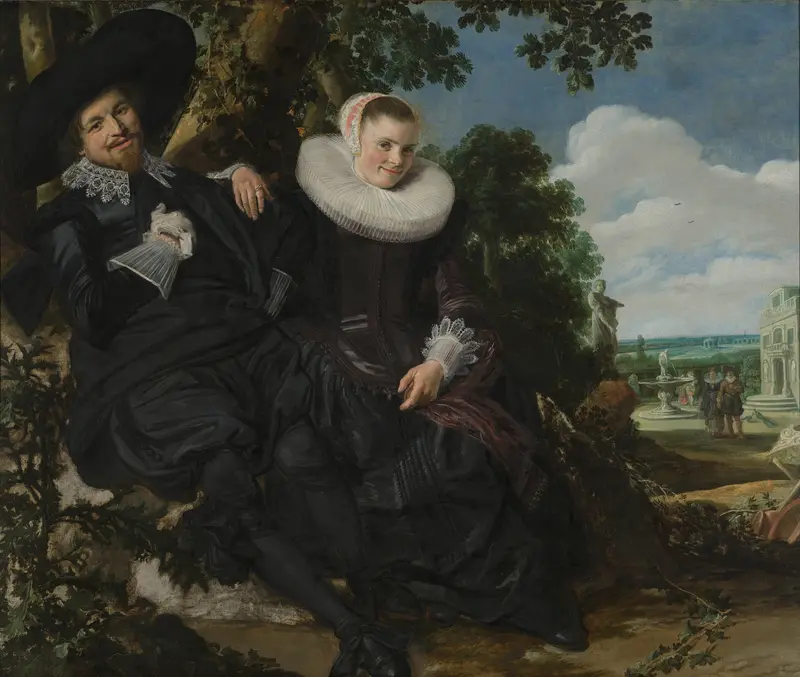
Portrait of a Married Couple, Likely Isaac Abrahamsz Massa and Beatrix van der Laen
Frans Hals
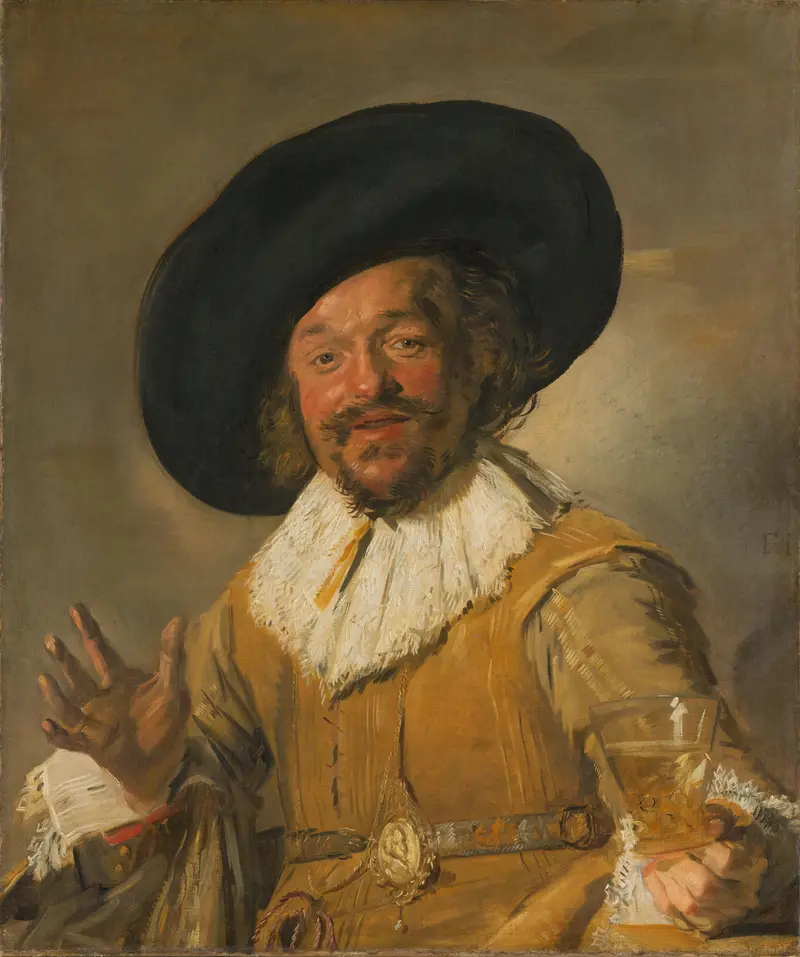
The Merry Drinker
Frans Hals
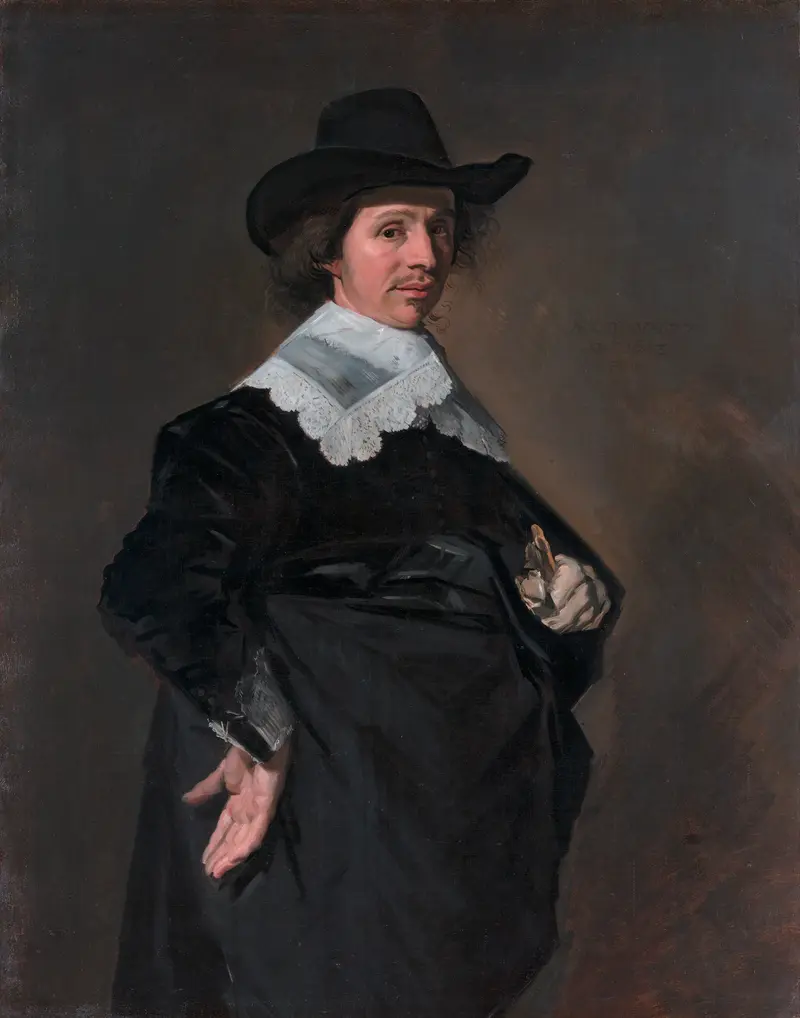
Portrait of Paulus Verschuur
Frans Hals
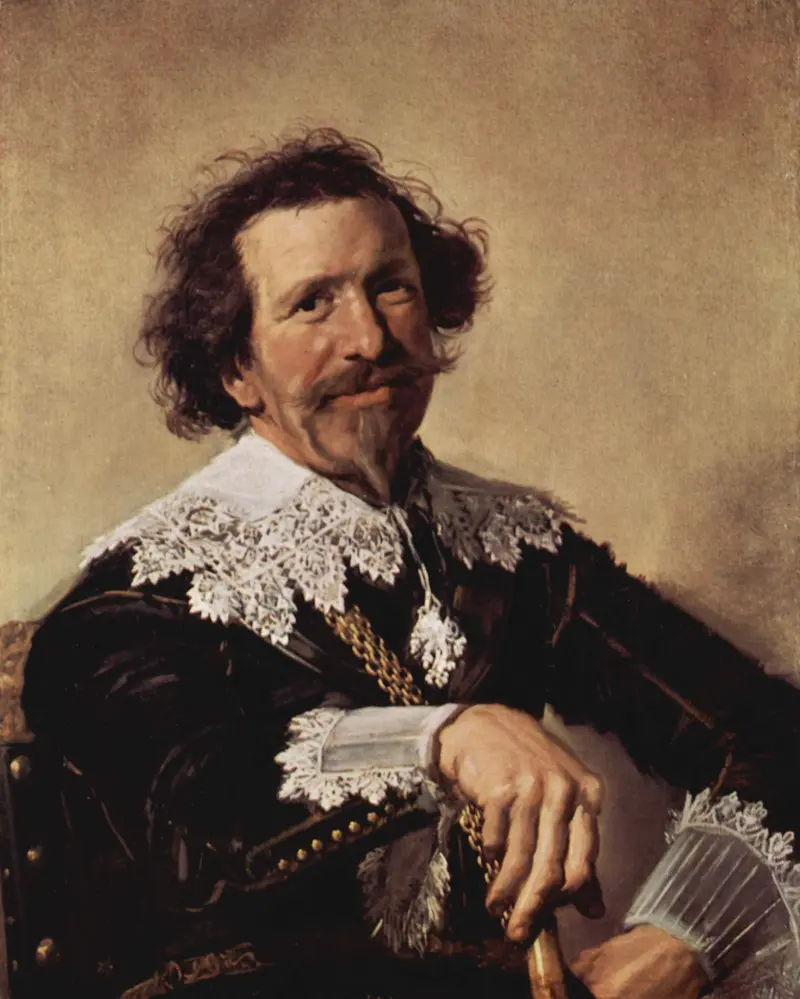
Portrait of Pieter van den Broecke
Frans Hals





