
Portrait of Pope Paul V — History & Facts
A seated man in papal robes dominates the composition, his figure placed centrally against a dark, almost featureless background. He wears a deep red mozzetta and camauro, both rendered with rich, velvety brushwork, their folds and highlights capturing the play of light across the fabric. His white rochet is crisply pleated, spreading across his lap and cascading down to the edge of the canvas, the lace trim delicately painted at the hem.
His right hand rests on the arm of a wooden chair, while his left hand, adorned with a ring, is placed atop his knee, fingers relaxed but composed. The subject’s face is illuminated from the left, casting subtle shadows that emphasize his solemn expression, narrowed eyes, and neatly trimmed beard. The background is painted in deep, shadowy tones, which serve to isolate the sitter and focus attention on his presence and attire.
The brushstrokes are smooth and controlled, especially in the rendering of flesh and fabric, with the textures of skin, velvet, and linen carefully distinguished. The composition is stable and frontal, with the sitter’s gaze directed outward, meeting the viewer with a reserved and dignified demeanor. Small details, such as the gold finial of the chair and the subtle creases in the white garment, reveal the artist’s attention to realism and materiality. Portrait of Pope Paul V was painted by Caravaggio between circa 1605 and circa 1606, during the early years of Paul V’s papacy.
The sitter, Camillo Borghese, became Pope Paul V in 1605, and the painting is attributed to Caravaggio by several sources, including the Galleria Borghese and scholarly catalogues. According to Giovanni Bellori, Caravaggio painted a seated portrait of the pope, which places the creation of this work between Paul V’s election in May 1605 and Caravaggio’s departure from Rome in May 1606. The portrait has been part of the Borghese Collection since at least 1650.
John Gash, in his 2003 catalogue, affirms the painting’s authenticity and notes that the pope’s reserved pose reflects his own dignified and cautious character, rather than any lack of invention on the artist’s part. The narrowed eyes of Paul V, visible in the portrait, have been attributed by Gash to chronic myopia, rather than to any negative emotion. The work is recognized as part of the Italian Baroque painting movement, characterized by its dramatic use of light and psychological intensity.
Sources: Wikidata Q1460271 · Wikipedia: Portrait of Pope Paul V · Image source (Wikimedia Commons)
More Artworks by Caravaggio
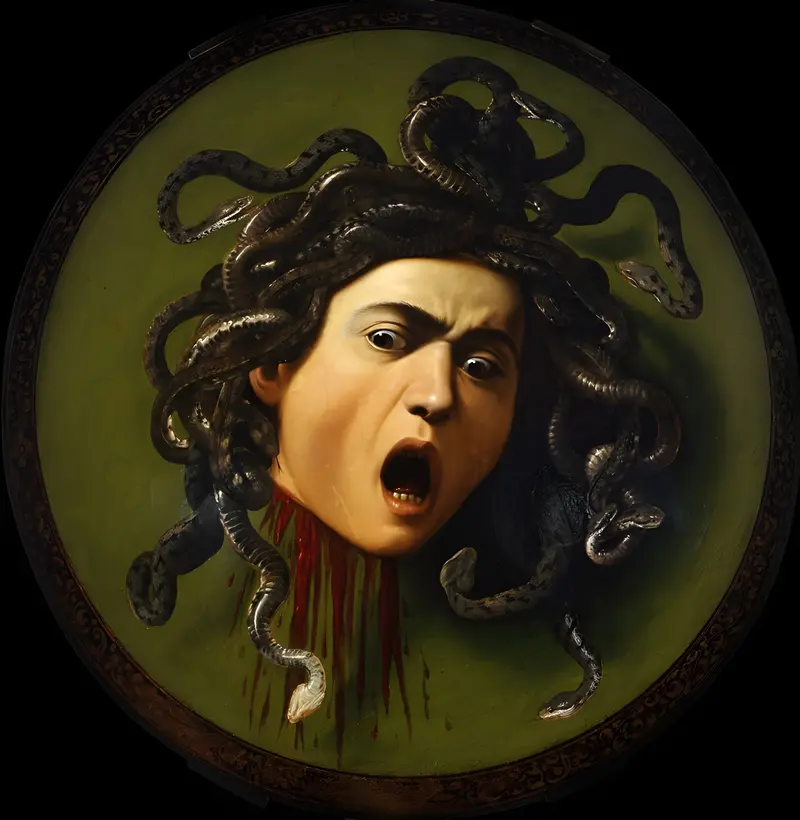
Medusa
Caravaggio
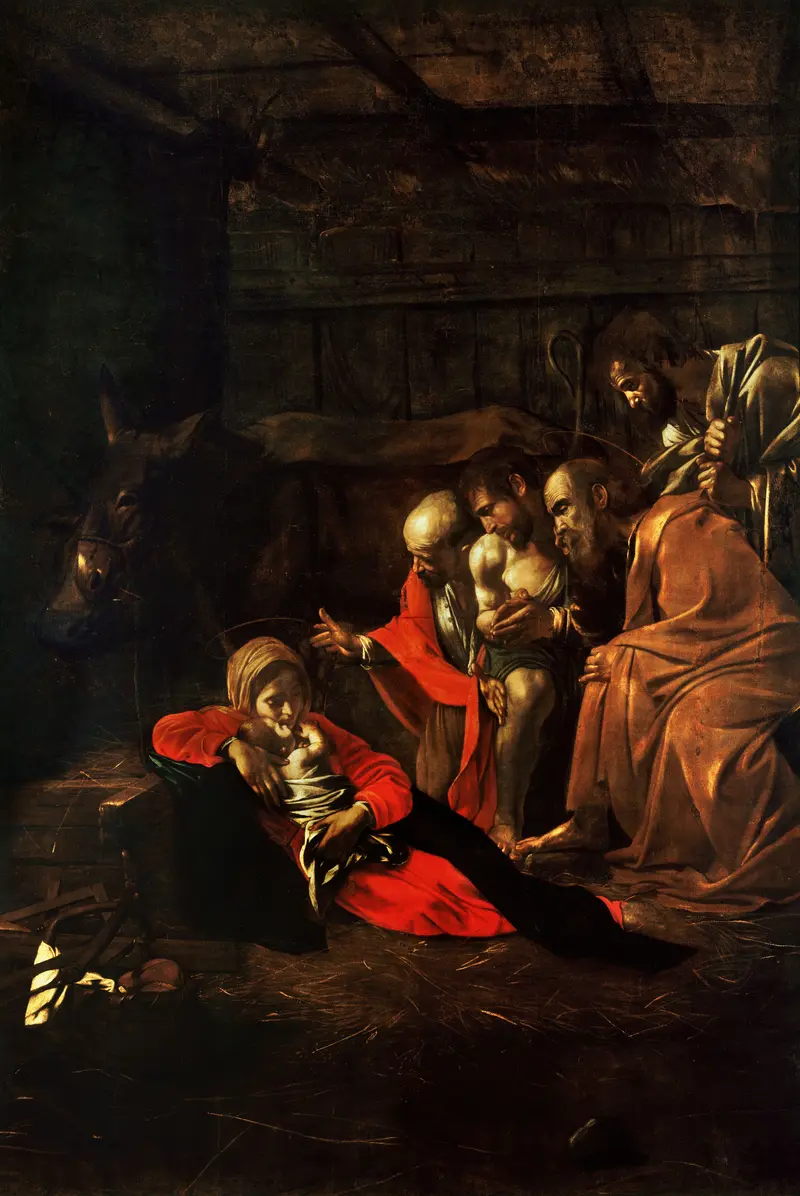
Adoration of the Shepherds
Caravaggio
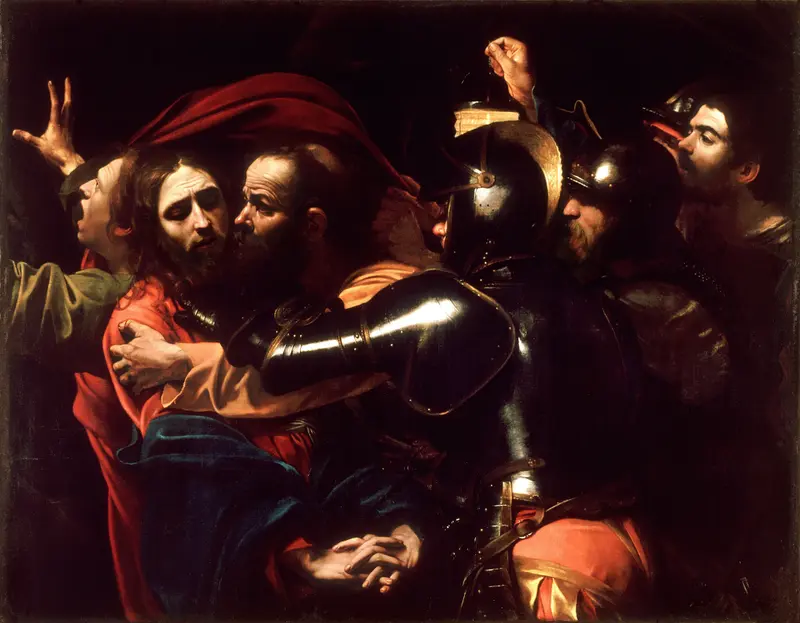
The Taking of Christ
Caravaggio
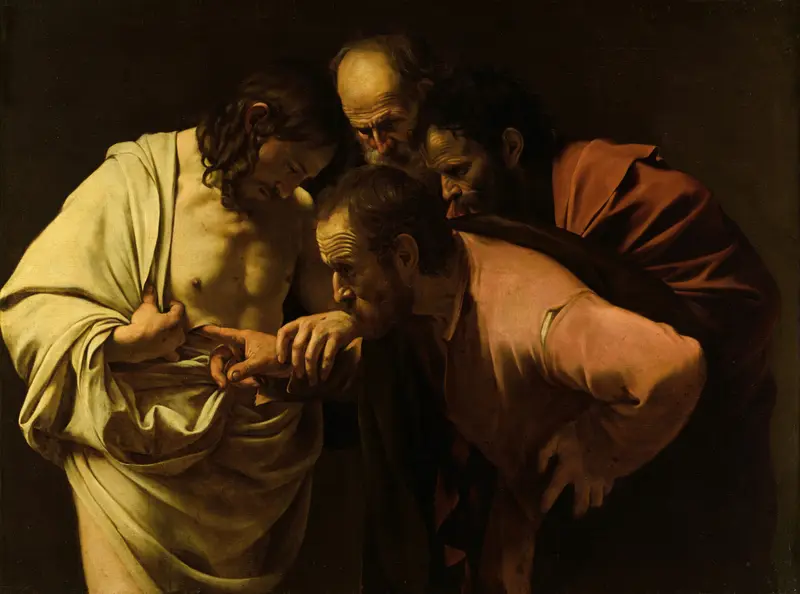
The Incredulity of Saint Thomas
Caravaggio
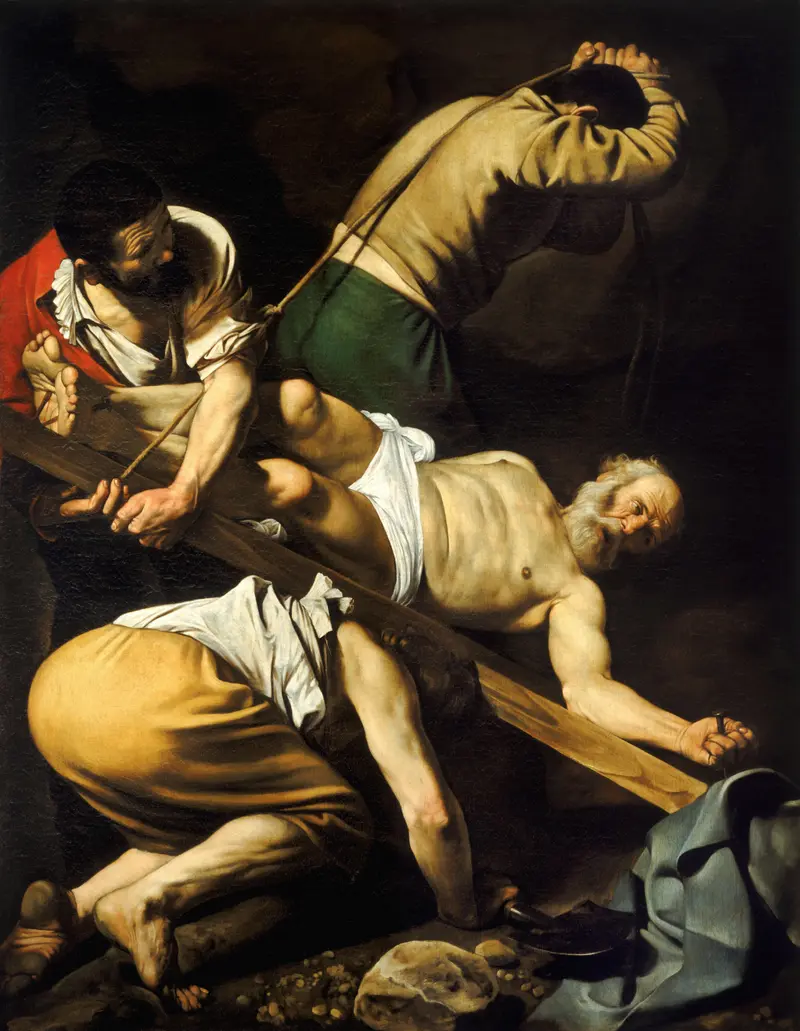
Crucifixion of Saint Peter
Caravaggio
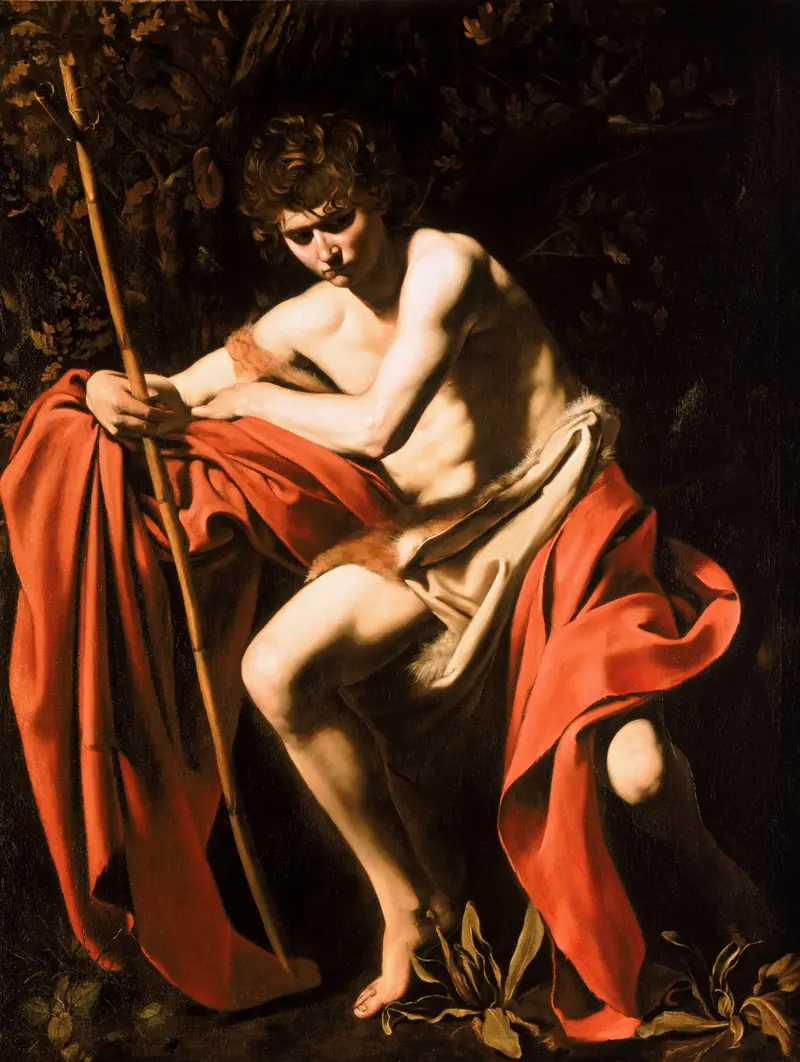
Saint John The Baptist In The Wilderness
Caravaggio

Saint Matthew and the angel
Caravaggio
The Inspiration of Saint Matthew
Caravaggio

Conversion on the Way to Damascus
Caravaggio
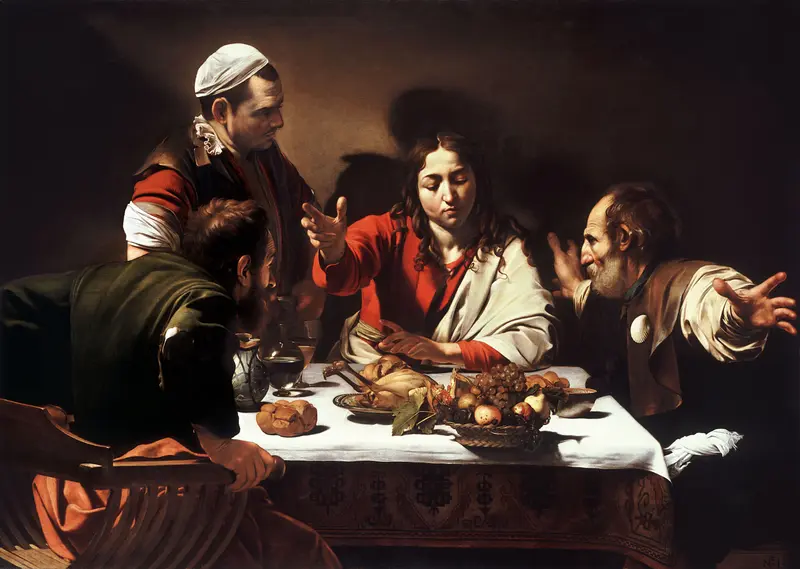
Supper at Emmaus
Caravaggio





