
Portrait of Princes Maurits (1567-1625) and Frederik Hendrik (1584-1647) — History & Facts
What first catches the eye in Portrait of Princes Maurits (1567-1625) and Frederik Hendrik (1584-1647) is its very incompleteness: the two princes, half-emerging from the ochre ground, seem to hover between presence and memory. Their faces and upper bodies are rendered with brisk assurance, the crisp ruffs and tall hats signaling their rank, but the rest dissolves into the raw surface, as if the world around them has yet to be painted into being. The unfinished state draws attention to the act of painting itself—brushstrokes visible, outlines ghosting in the background—inviting us to imagine what might have been, or what story was interrupted. This kind of double portrait, created between 1615 and 1625 by Adriaen Pietersz van de Venne, belongs to a period when the Dutch Republic was asserting its identity, and images of its leaders carried political weight.
Portraits of princes, especially half-length and in pairs, were often commissioned to celebrate alliances, dynastic continuity, or military victories, and would have been displayed in public or private spaces as statements of power and legitimacy. Yet history has kept few traces of this particular work’s journey; it now resides in the Rijksmuseum, a rare surviving fragment of its era. The unfinished faces of Maurits and Frederik Hendrik, caught between intention and execution, prompt us to look again—at what is present, and at what remains just out of reach.
More Artworks by Adriaen Pietersz van de Venne
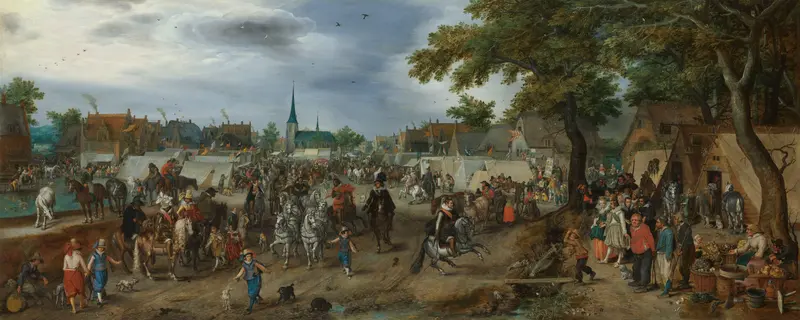
Princes Maurice and Frederick Henry at the Valkenburg Horse Fair
Adriaen Pietersz van de Venne
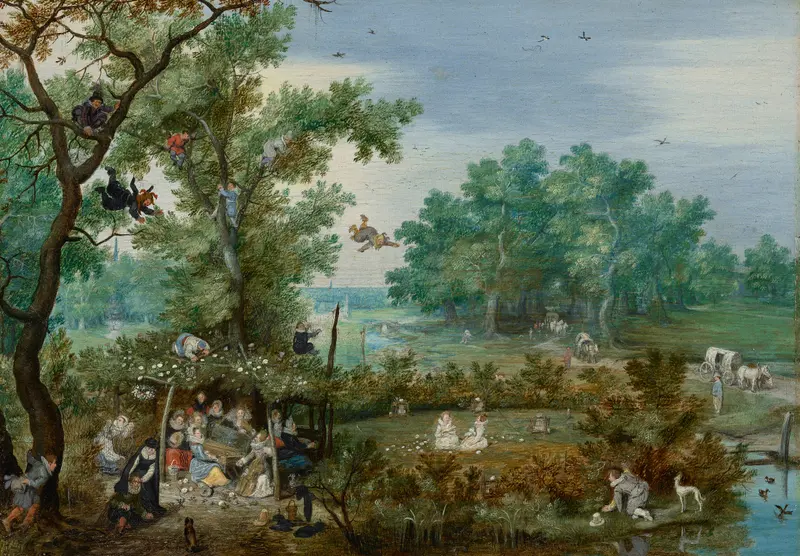
Merry Company in an Arbor
Adriaen Pietersz van de Venne
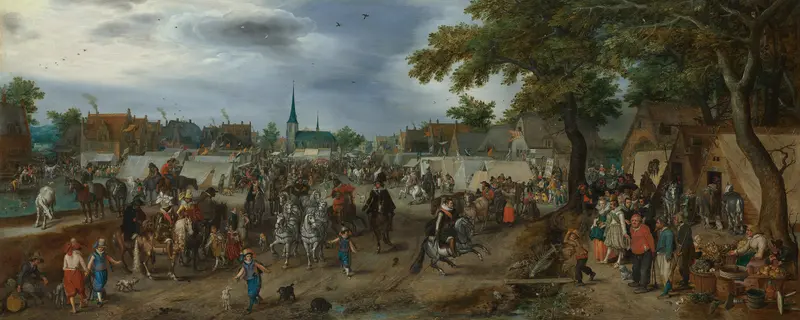
Princes Maurice and Frederick Henry at the Valkenburg Horse Fair
Adriaen Pietersz van de Venne
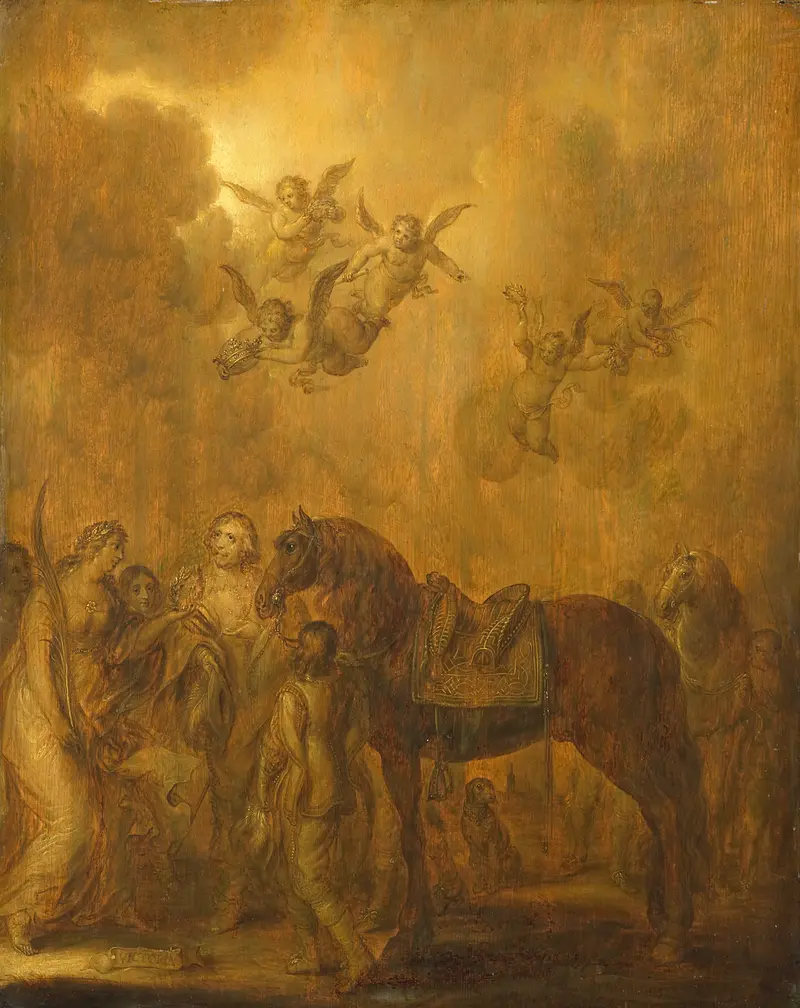
Allegory of the Stadtholdership of Prince Frederick Henry
Adriaen Pietersz van de Venne
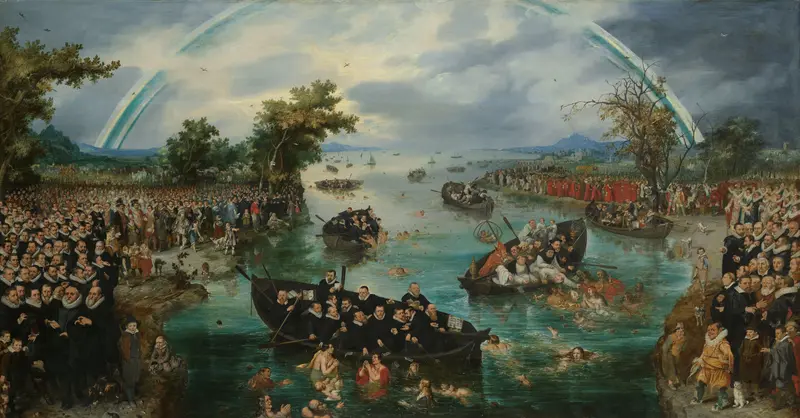
Fishing for Souls
Adriaen Pietersz van de Venne
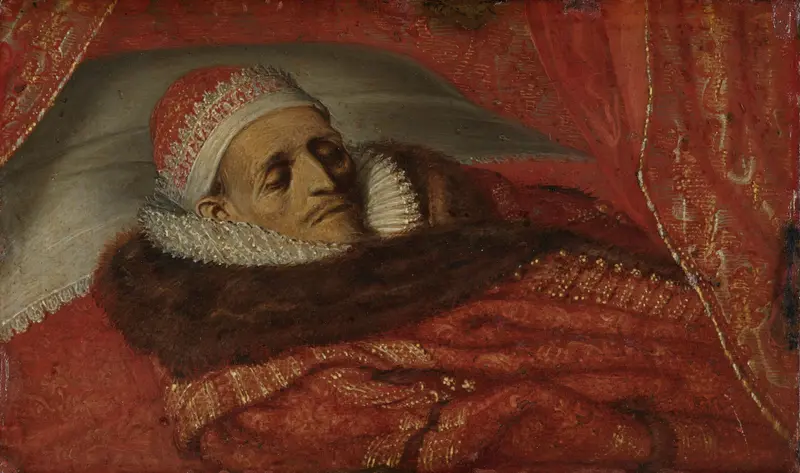
Stadtholder Prince Maurice Lying in State
Adriaen Pietersz van de Venne
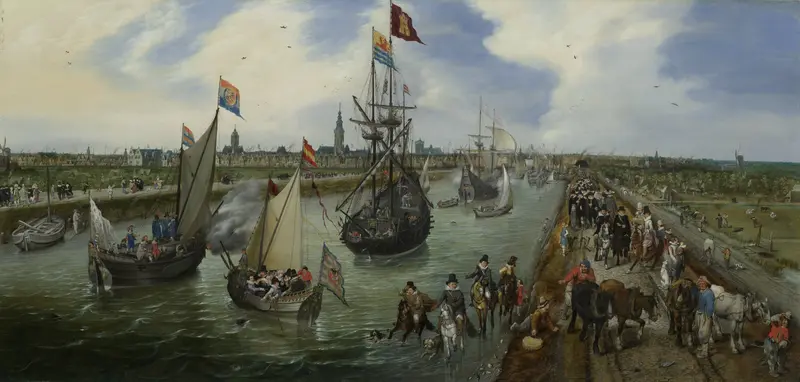
The Departure of a Dignitary from Middelburg
Adriaen Pietersz van de Venne
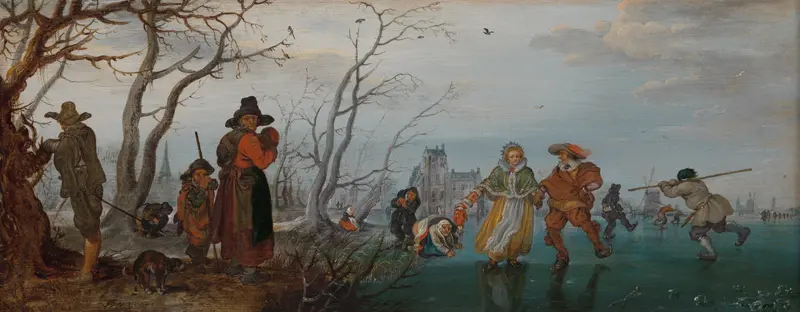
Winter
Adriaen Pietersz van de Venne

A Jeu de Paume Before a Country Palace
Adriaen Pietersz van de Venne
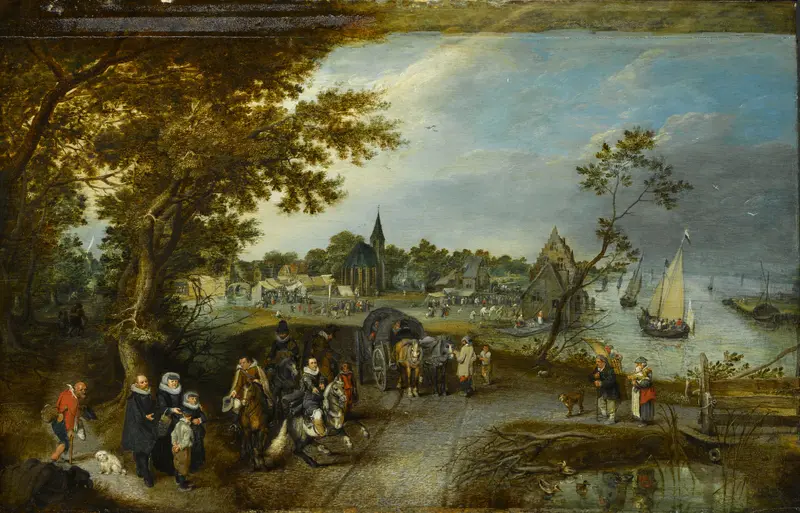
Landscape with Figures and a Village Fair (Village Kermesse)
Adriaen Pietersz van de Venne





