
Portrait of the Artist's Sister, Karolina — History & Facts
What holds the viewer here is the unyielding directness of the sitter’s gaze. The face emerges from a subdued, almost velvety darkness, the oval frame focusing all attention on the young woman’s features—her steady eyes, the flush of her cheeks, and the faint tension in her lips. The crisp white lace collar, fastened by a single button, is rendered with a care that both grounds her in her time and draws the eye upward to her expression.
There is no ornament, no distraction: the painter has chosen to let the light fall gently on the face, revealing a moment of quiet resolve, perhaps even defiance, in the sitter’s look. Works like Portrait of the Artist's Sister, Karolina—painted between 1861 and 1865—belong to a tradition of intimate portraiture that flourished in 19th-century Central Europe, when artists often turned their attention to family and private life. Such portraits were rarely grand commissions; instead, they captured loved ones with an honesty and immediacy that formal society portraits seldom allowed. The artist, Aleksander Kotsis, was active during a period when Polish painters were seeking new ways to express personal identity and national sentiment, even in the smallest of canvases.
Today, this painting is preserved in The National Museum in Kraków, its digital record a quiet testament to the enduring power of a single, searching glance—one that asks the viewer to look back, and wonder.
More Artworks by Aleksander Kotsis

Trip in the Tatra Mountains
Aleksander Kotsis

Fair in Nowy Targ
Aleksander Kotsis
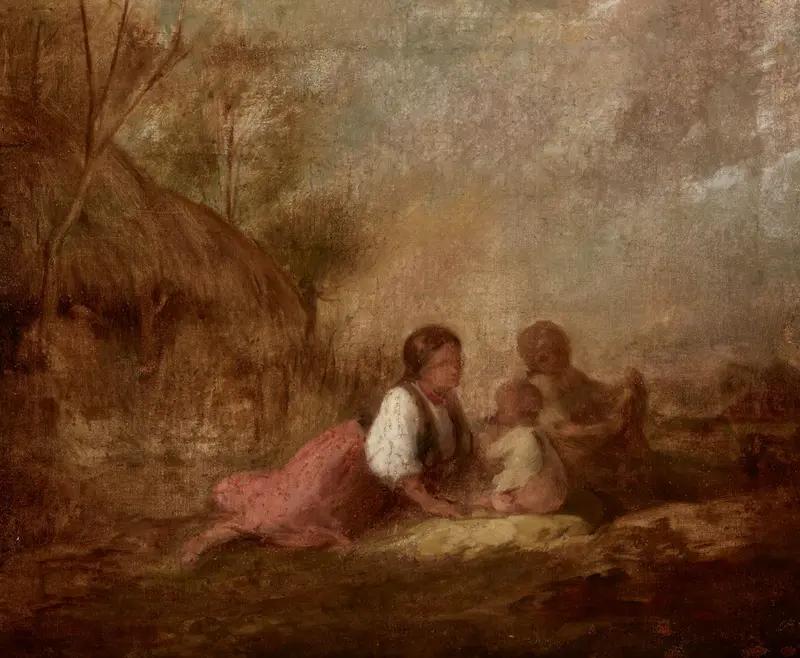
Pastoral Scene
Aleksander Kotsis
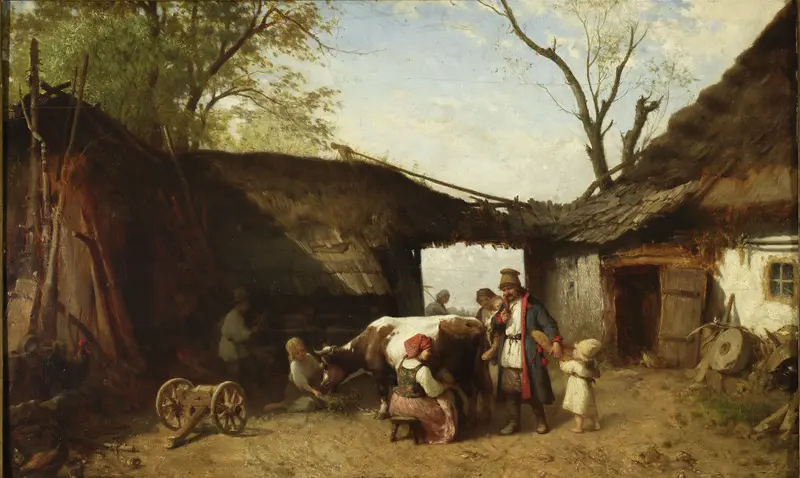
In the farmyard
Aleksander Kotsis
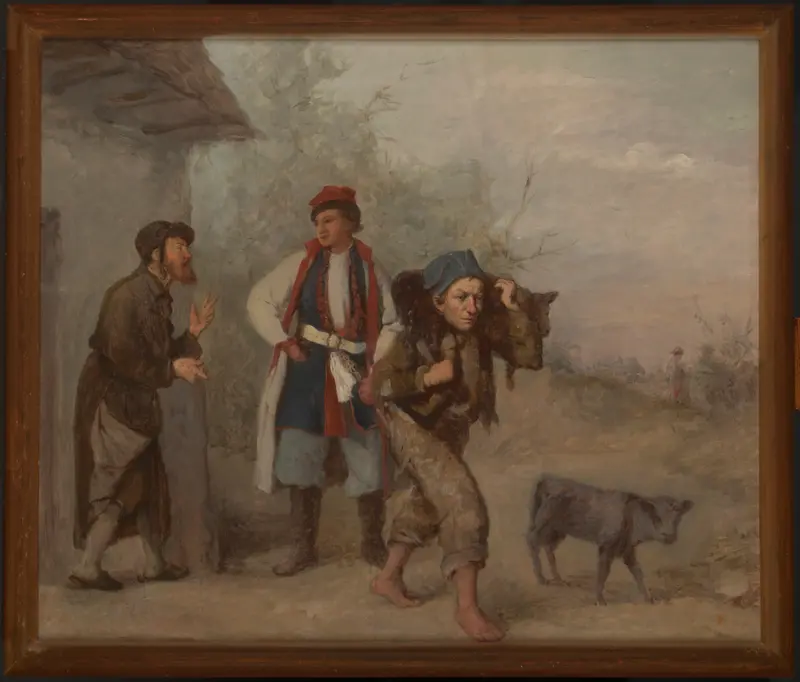
Haggling over a Calf
Aleksander Kotsis
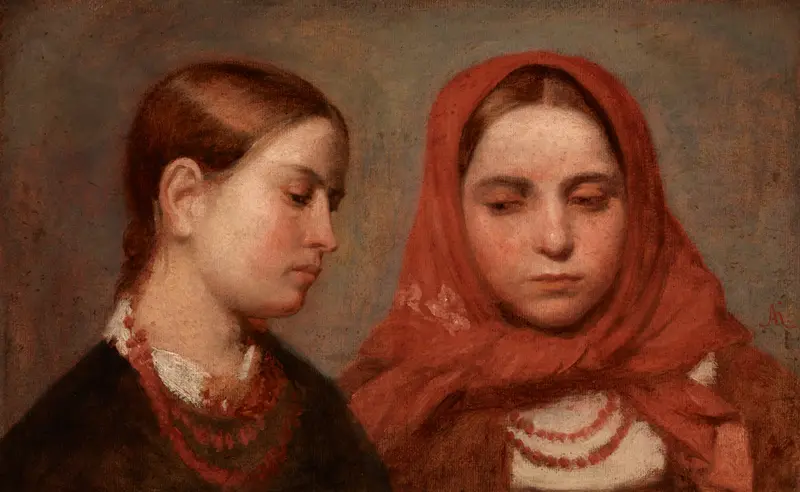
Heads of Two Young Girls
Aleksander Kotsis
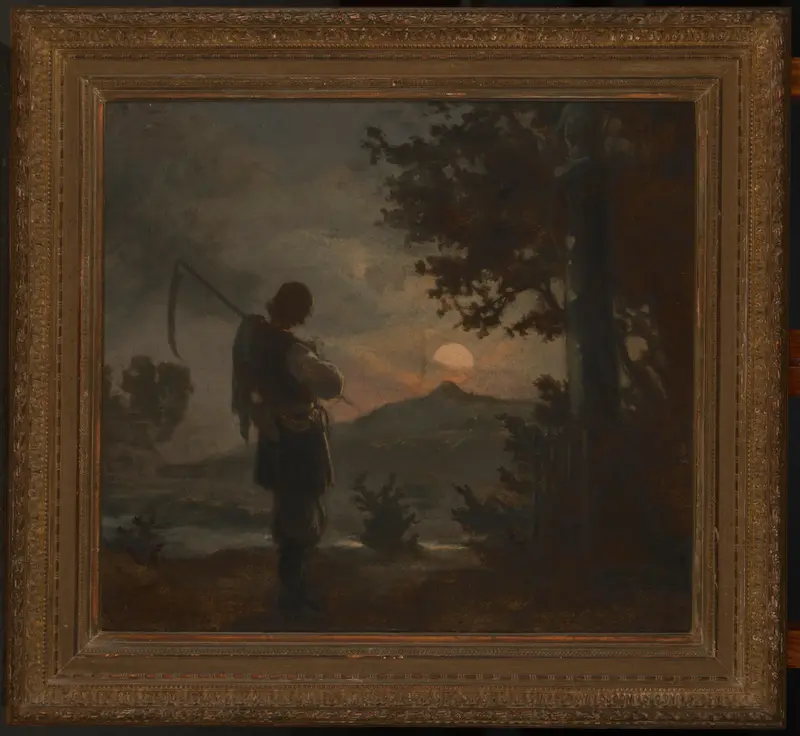
Haymaker
Aleksander Kotsis
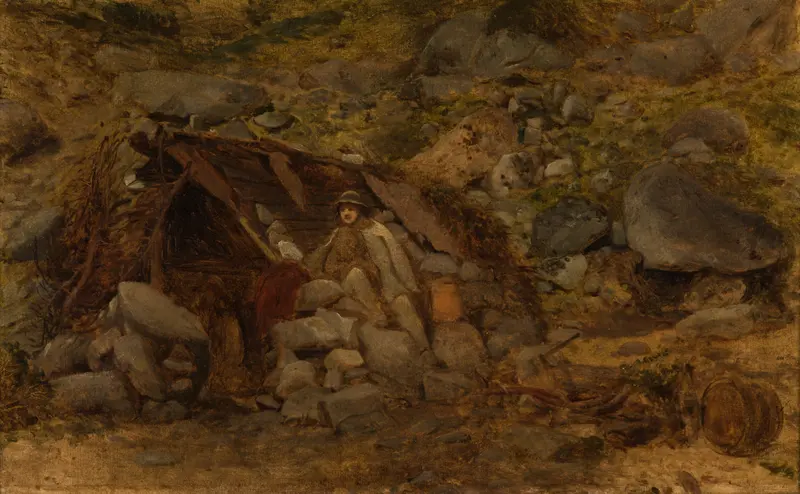
Highlander in Front of a Hut
Aleksander Kotsis
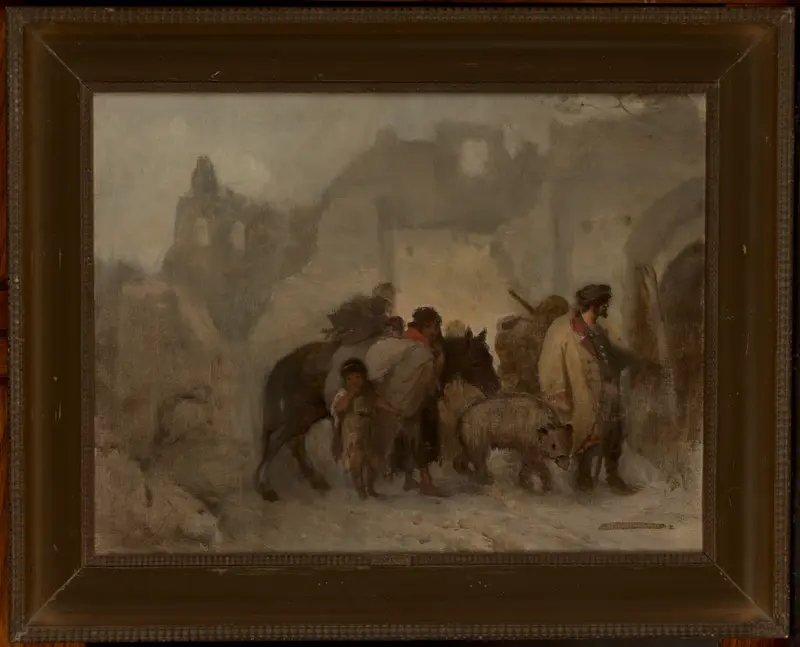
Gypsies
Aleksander Kotsis
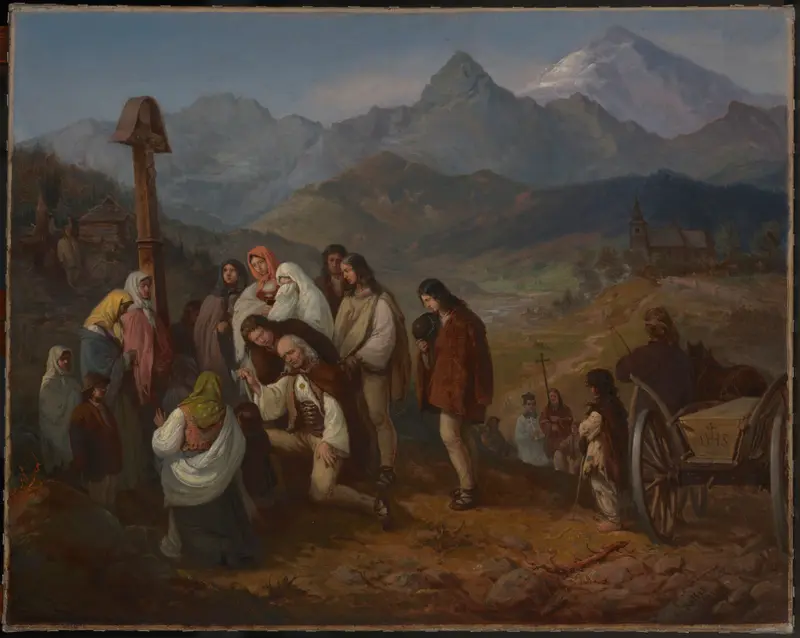
A Highlander's Funeral
Aleksander Kotsis





