
Portrait of the Sitting Duck 'Sijctghen' — History & Facts
What first catches the eye in Portrait of the Sitting Duck 'Sijctghen' is the quiet dignity of its subject, a duck rendered with the same gravity and attention a Dutch master might reserve for a merchant or a matron. The bird sits, not in flight or in water, but solidly on earth, her form anchored by the careful modeling of light and shadow. Her gaze, steady and unhurried, meets the viewer with an air of watchfulness, while the three eggs at her side speak of patient guardianship and the promise of new life.
The background, dark and plain, pushes all attention onto the duck’s speckled plumage, each feather painted with a precision that rewards close looking. Even the script in the upper left, with its golden letters, acts as a kind of halo—an inscription that asks the viewer to linger, to read, to wonder. This painting, dated 1647 and now in the Dordrechts Museum, belongs to a world where the boundaries between portraiture, still life, and animal painting were being playfully redrawn. In the Dutch Republic of the seventeenth century, such works were often commissioned by prosperous burghers eager to display their refinement and affection for the natural world.
Artists like Aelbert Cuyp—better known for his luminous landscapes—occasionally turned their attention to more humble subjects, elevating them through compositional clarity and a quietly monumental style. History has kept few traces of this particular duck or her owner, but the painting’s survival invites us to look again, to see how a single animal, lovingly observed, could be made to carry the weight of a portrait.
More Artworks by Aelbert Cuyp

The Maas at Dordrecht
Aelbert Cuyp
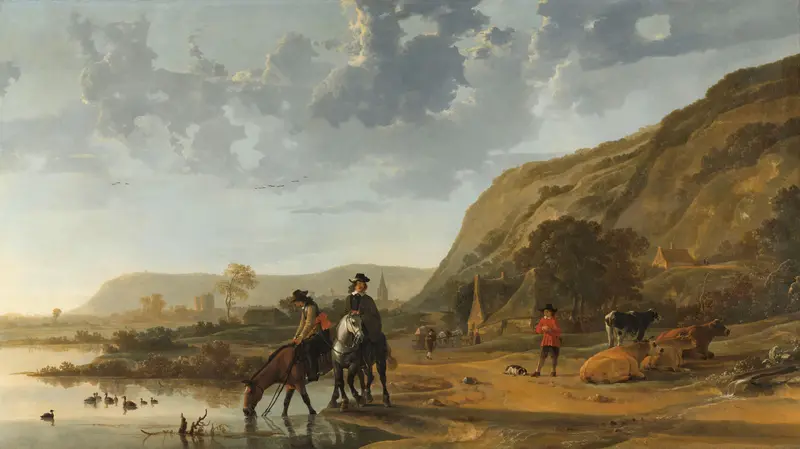
River Landscape with Riders
Aelbert Cuyp

The Maas at Dordrecht
Aelbert Cuyp
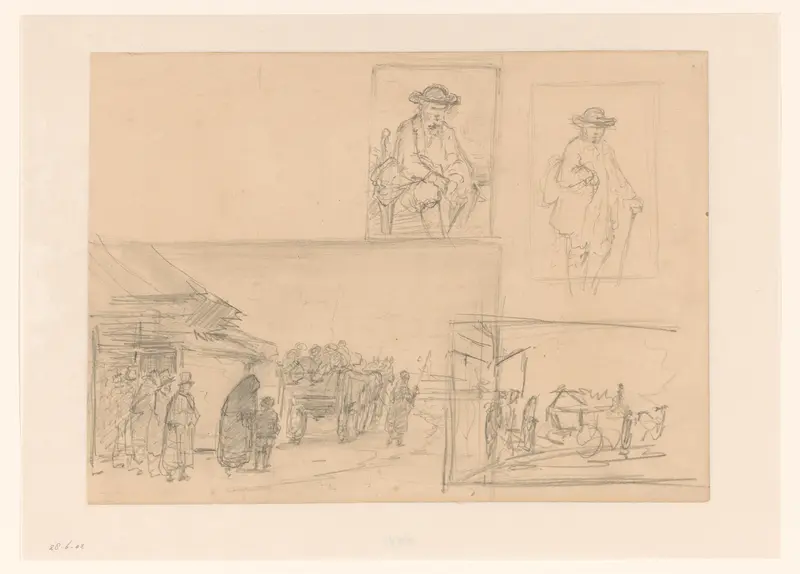
Gezicht op Dordrecht
Aelbert Cuyp
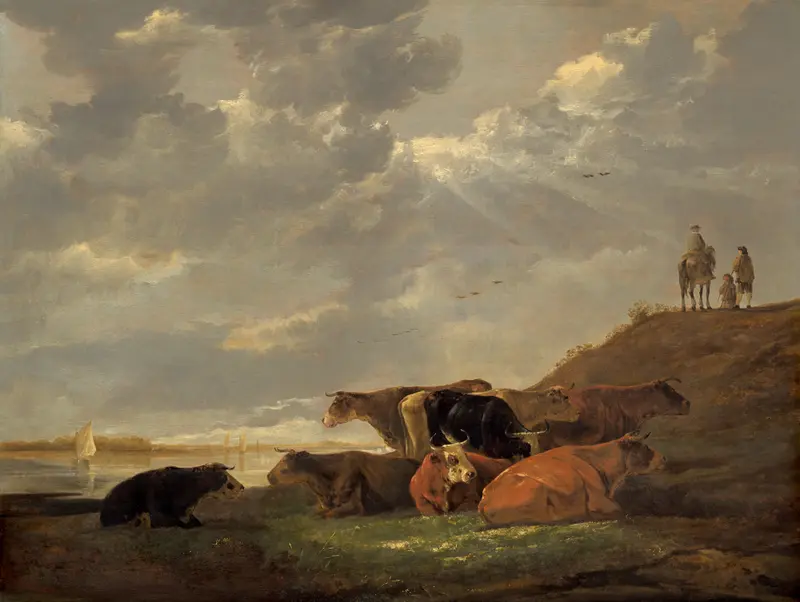
River Landscape with Cows
Aelbert Cuyp
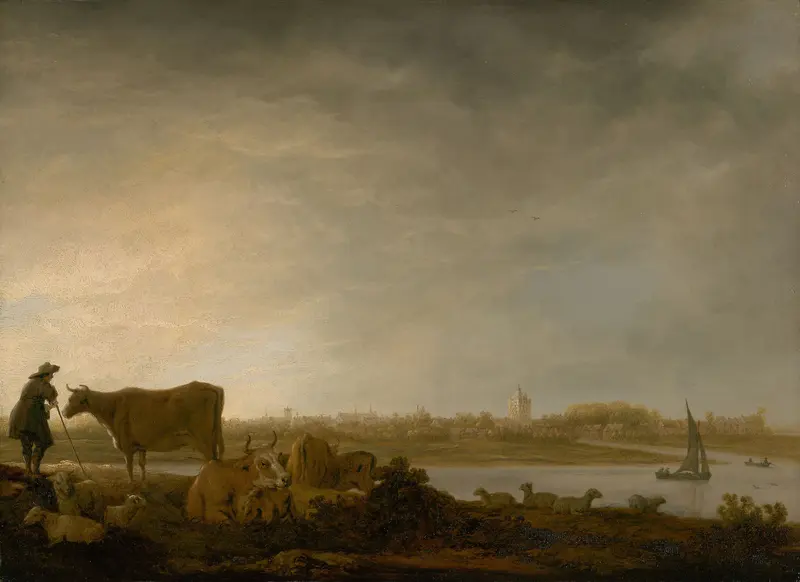
A View of Vianen with a Herdsman and Cattle by a River
Aelbert Cuyp
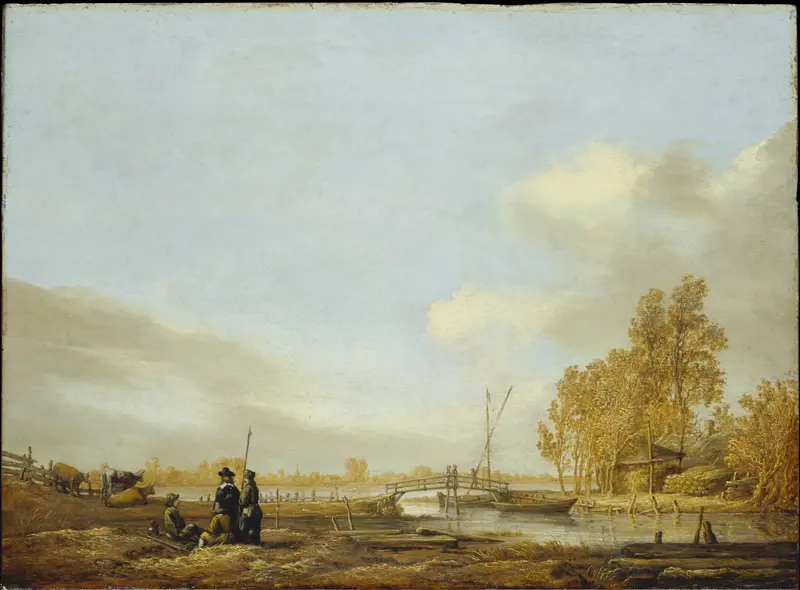
River Landscape with Footbridge
Aelbert Cuyp
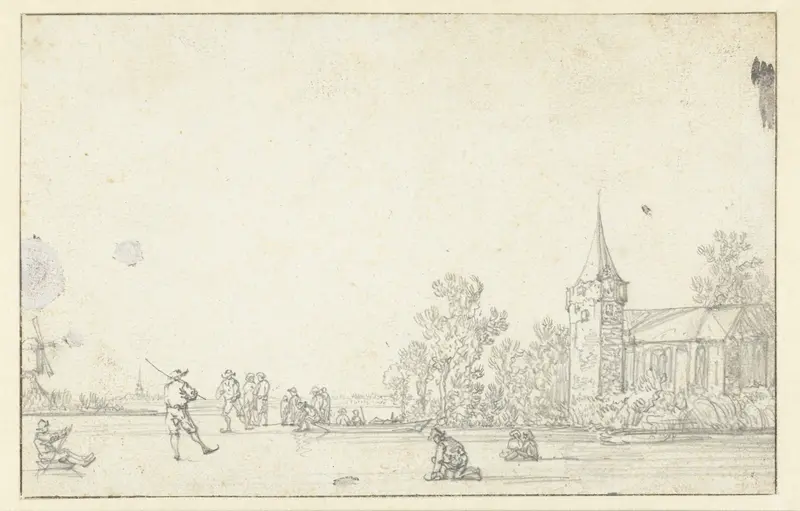
Bevroren rivier met schaatsers bij een kerk
Aelbert Cuyp

Cattle near a River
Aelbert Cuyp
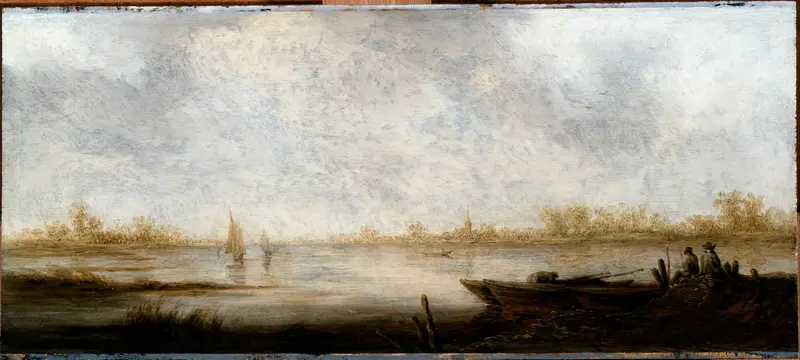
River Landscape
Aelbert Cuyp





