
Preparations for a Meal — History & Facts
What first catches the eye in Preparations for a Meal is the rawness of anticipation—a kitchen scene stilled at the threshold between butchery and feast. The table is crowded with the promise of a meal not yet made: a gutted bird, its limp neck and splayed wings a study in gravity, lies beside a cluster of oysters and a sliced orange, their flesh glistening under a cool, raking light. Above, a mass of animal offal dangles, its textures rendered with almost clinical precision, while a heavy brass mortar and pestle anchor the composition, hinting at the labor soon to come.
The light, so carefully managed, draws the viewer’s gaze across the slick surfaces and rough skins, inviting a slow reckoning with the material facts of sustenance. There is nothing casual in these preparations; every object seems to wait for the cook’s hand. Painted in 1664, this work belongs to the world of Dutch Golden Age still life, a genre that reveled in the textures and abundance of daily life while often hinting at its transience. Such paintings were prized by wealthy merchants and burghers eager to display both their prosperity and their appreciation for the painter’s skill.
Abraham van Beyeren, known for his sumptuous table settings, here turns from finished banquets to the gritty reality of what comes before, reminding viewers that luxury is born of labor and death. The painting now resides in the collection of the Detroit Institute of Arts, a testament to the enduring fascination with the rituals of the table. Look again at the gleam of the oyster shells, the bruised fruit, the lifeless bird—each detail a silent witness to the cycles of preparation and consumption that shaped the artist’s world.
More Artworks by Abraham van Beyeren

Still Life
Abraham van Beyeren
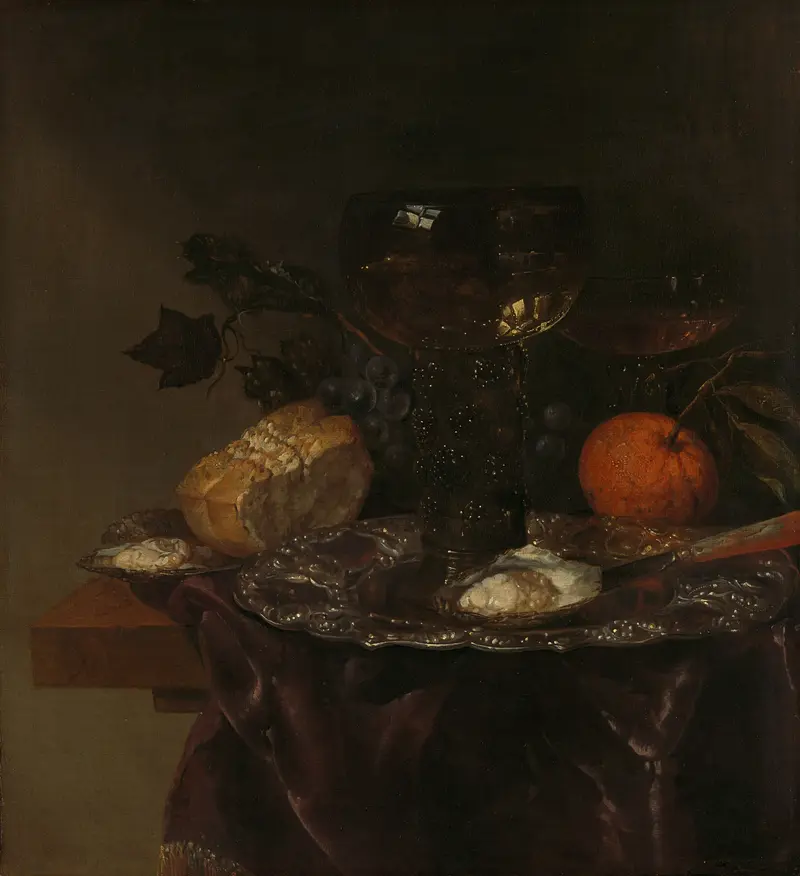
Still Life
Abraham van Beyeren
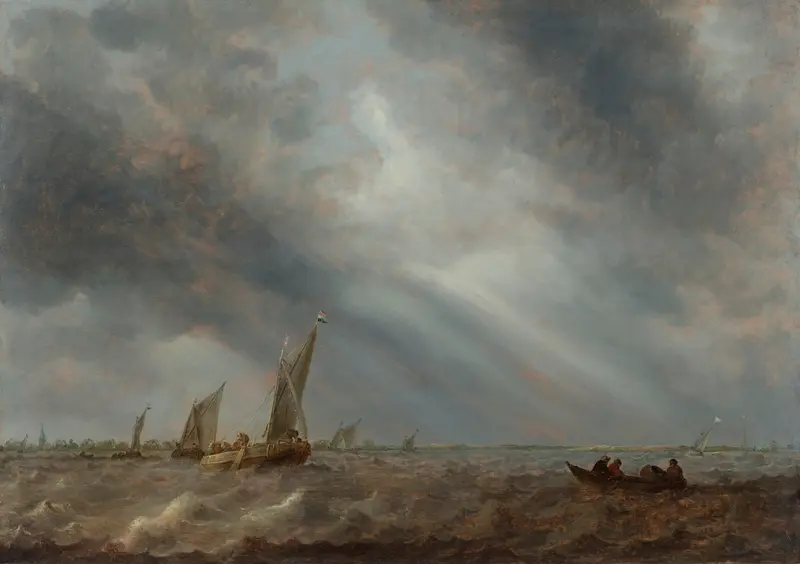
Various sailing vessels and a rowing boat with fishermen on choppy waters under a stormy sky
Abraham van Beyeren
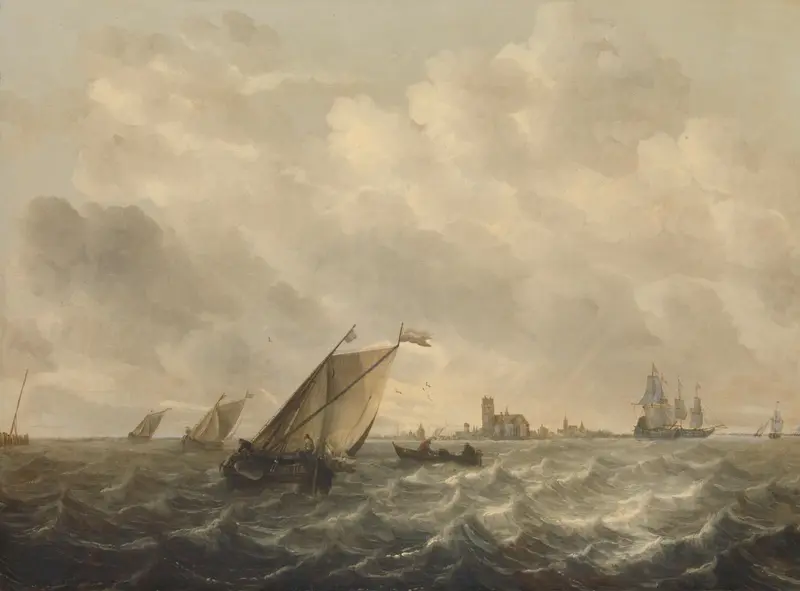
River View
Abraham van Beyeren
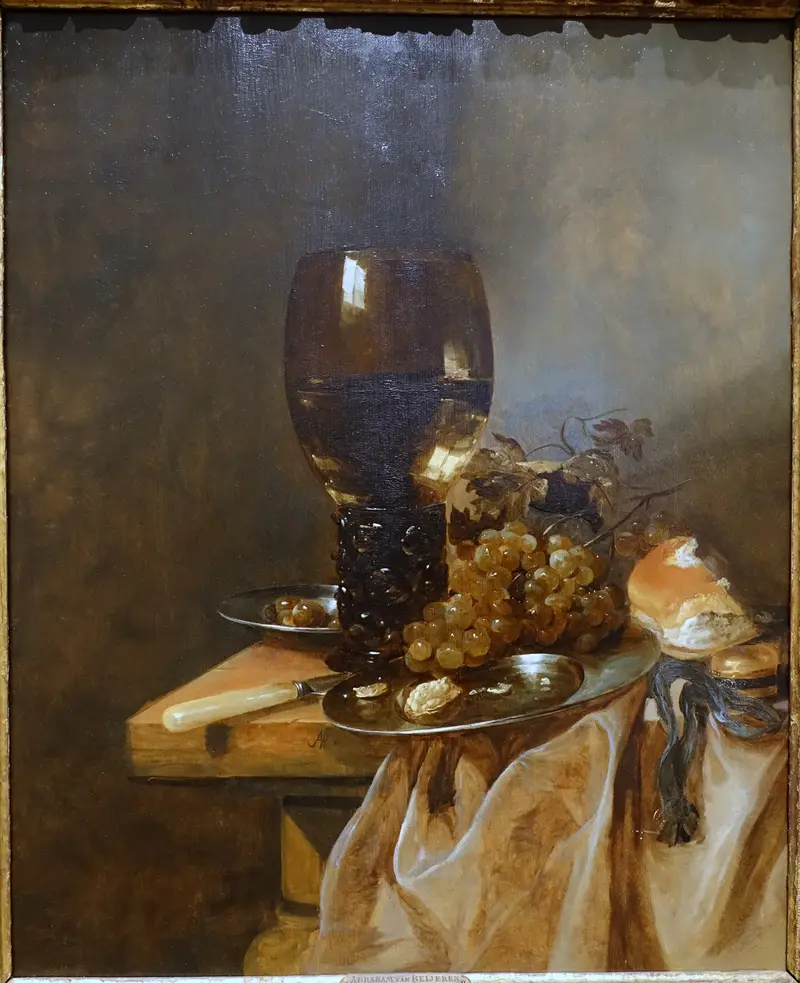
A Roemer with Grapes, a Pewter Plate and a Roll
Abraham van Beyeren
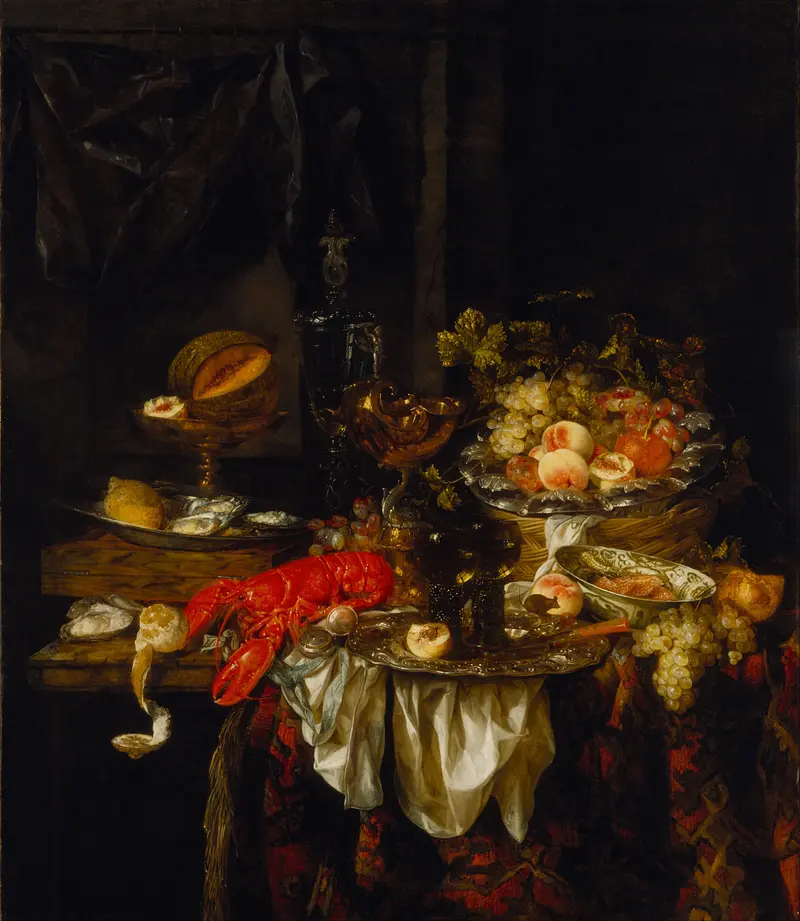
Banquet Still Life
Abraham van Beyeren
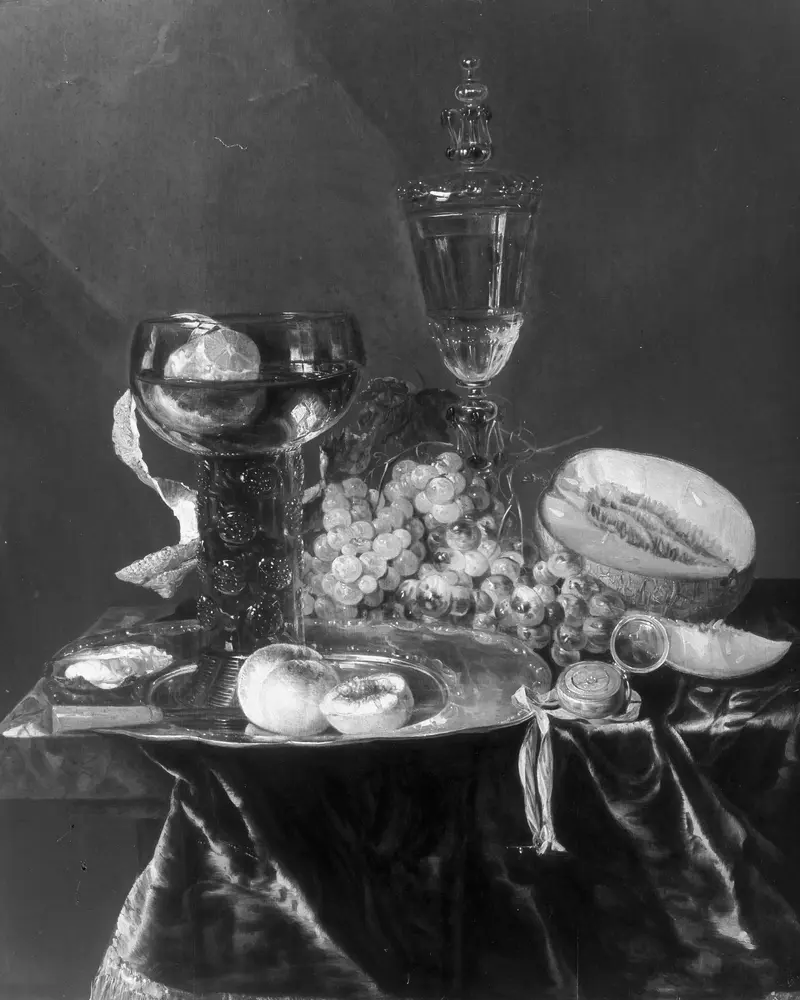
Still life with a glass lid goblet
Abraham van Beyeren
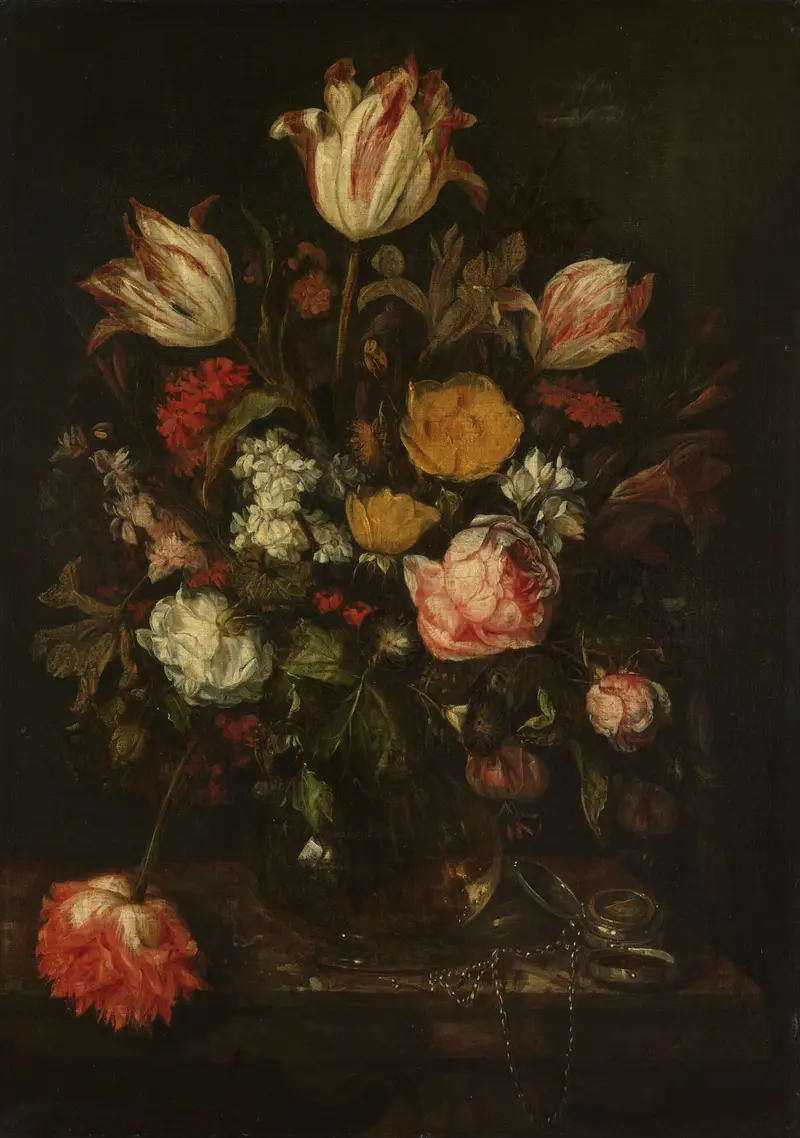
Still life with flowers
Abraham van Beyeren
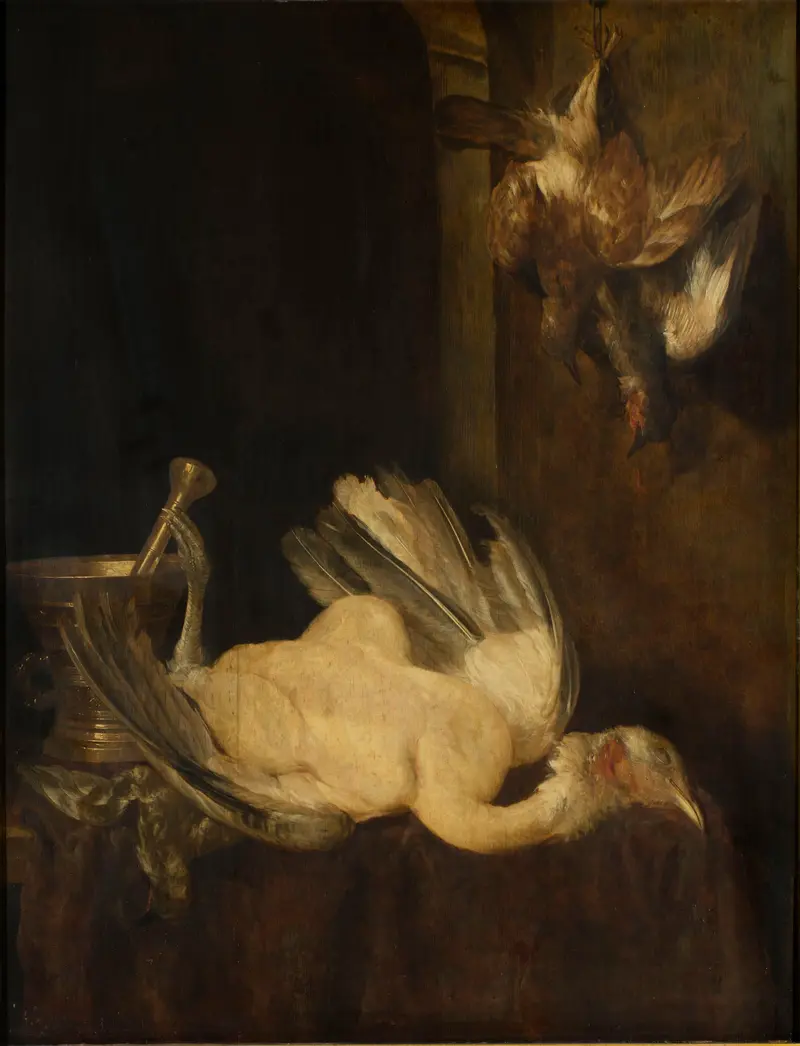
Still life with dead birds
Abraham van Beyeren
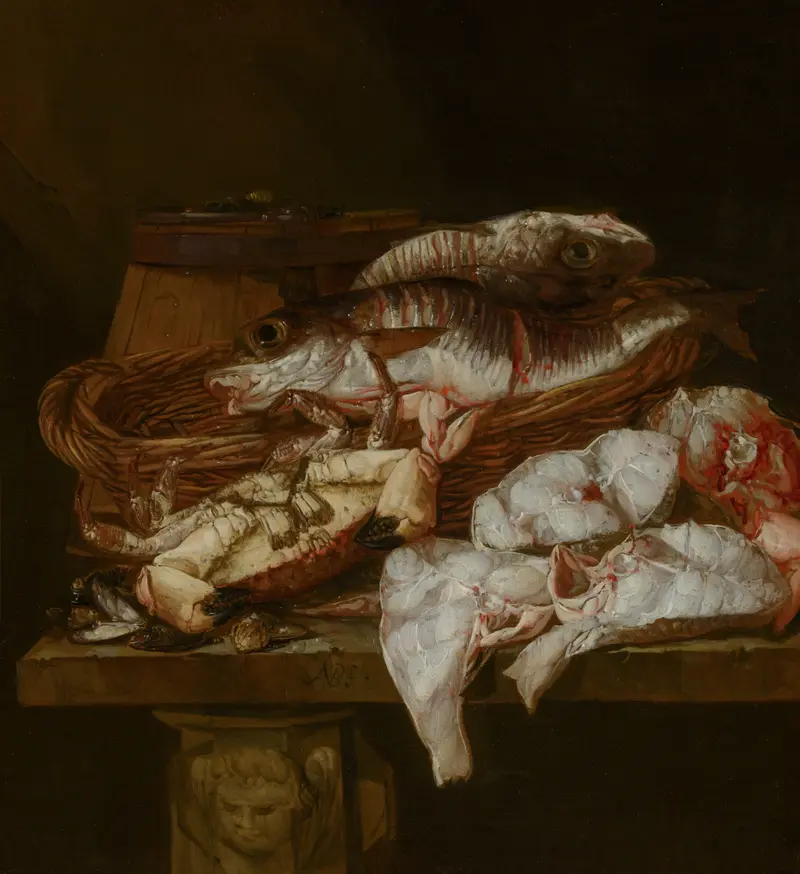
Still Life with Seafood
Abraham van Beyeren





