Promenade au bord de l’eau — History & Analysis
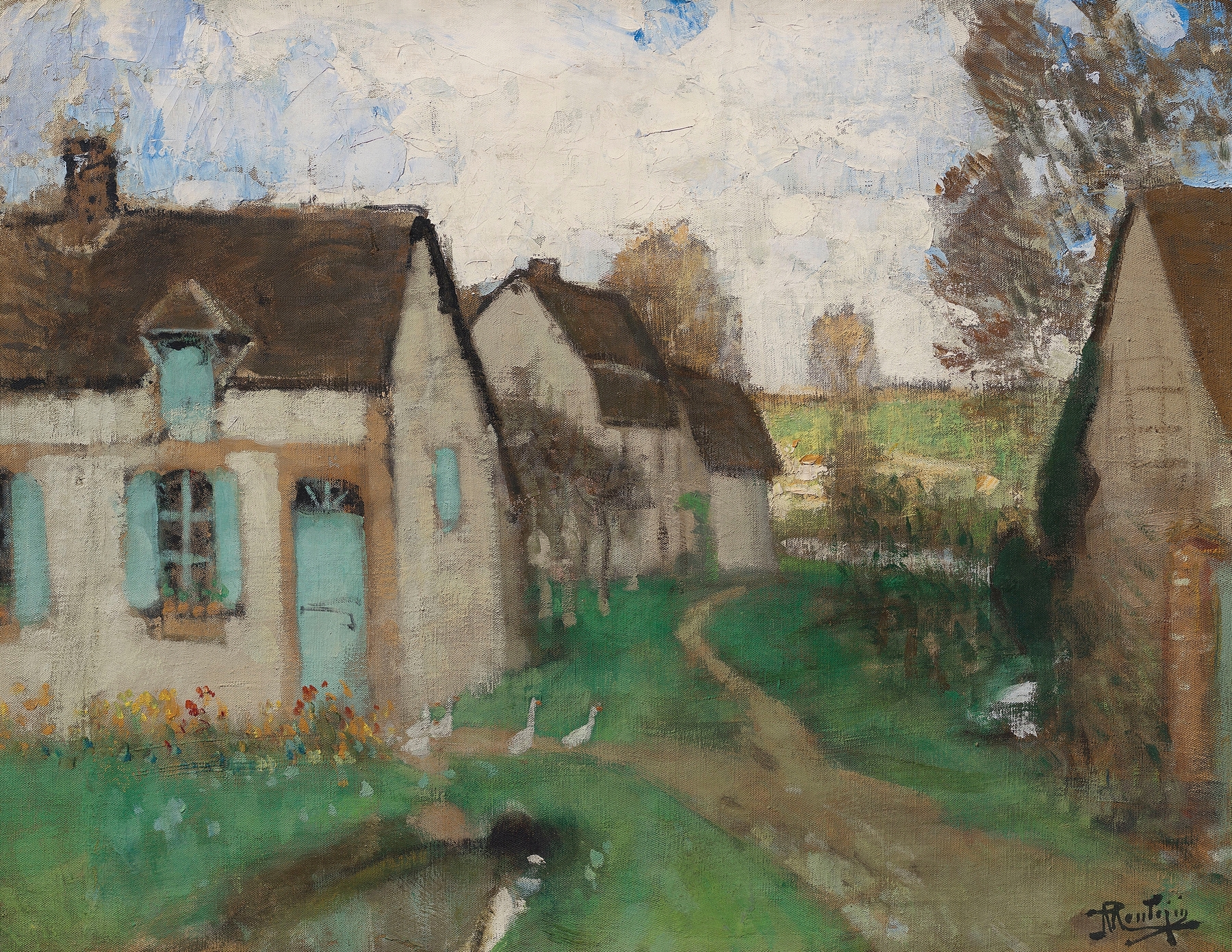
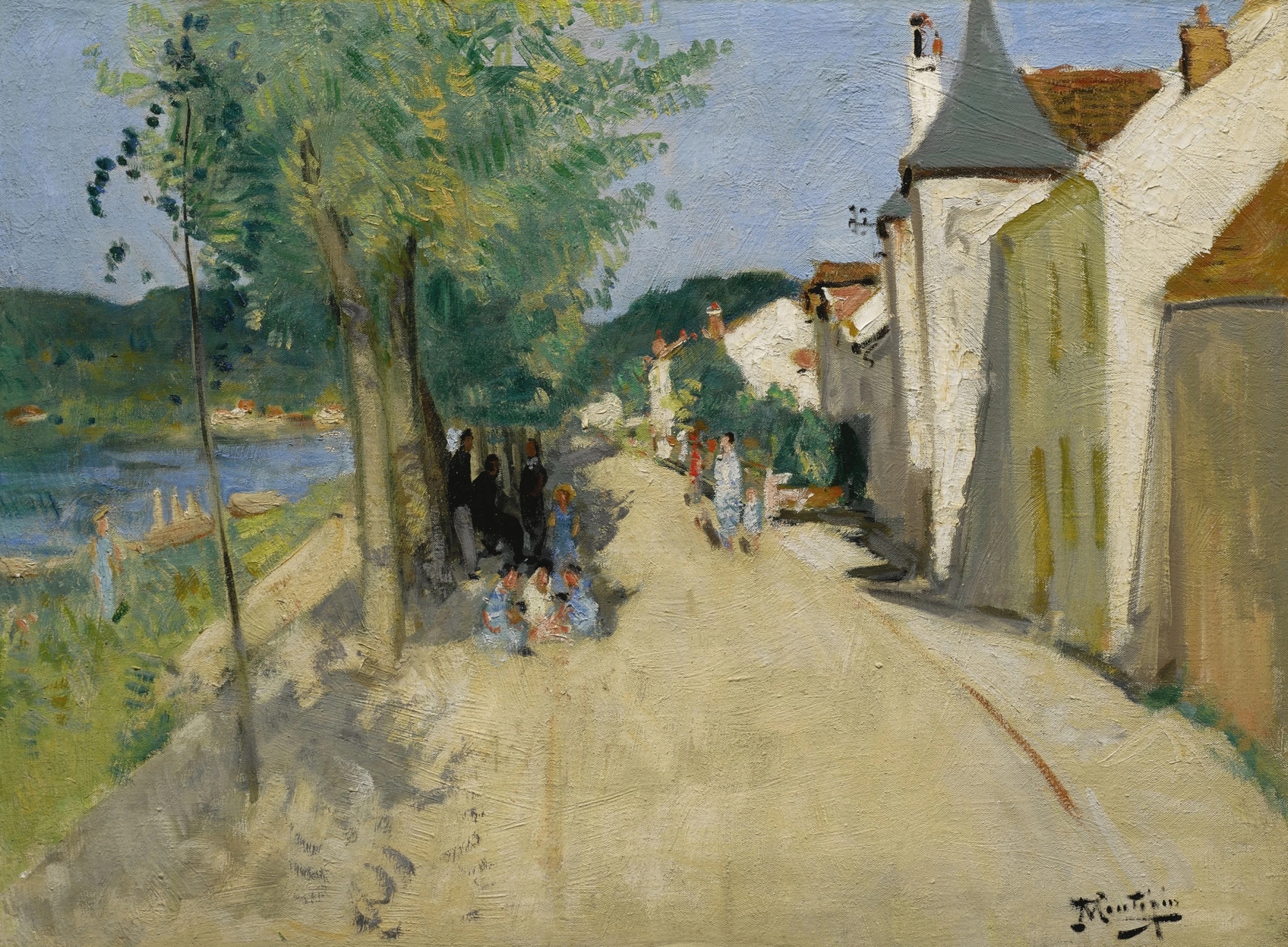
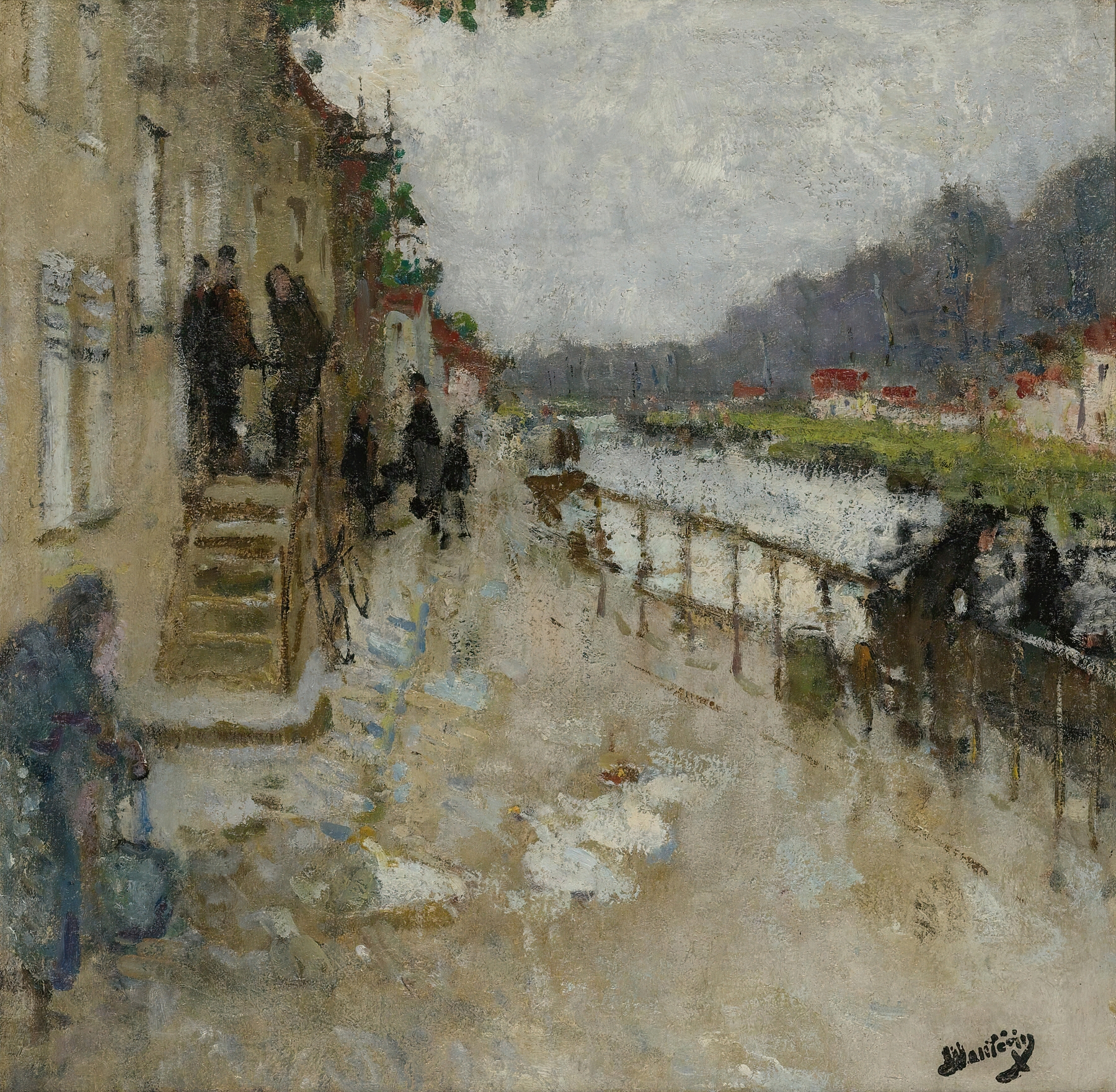
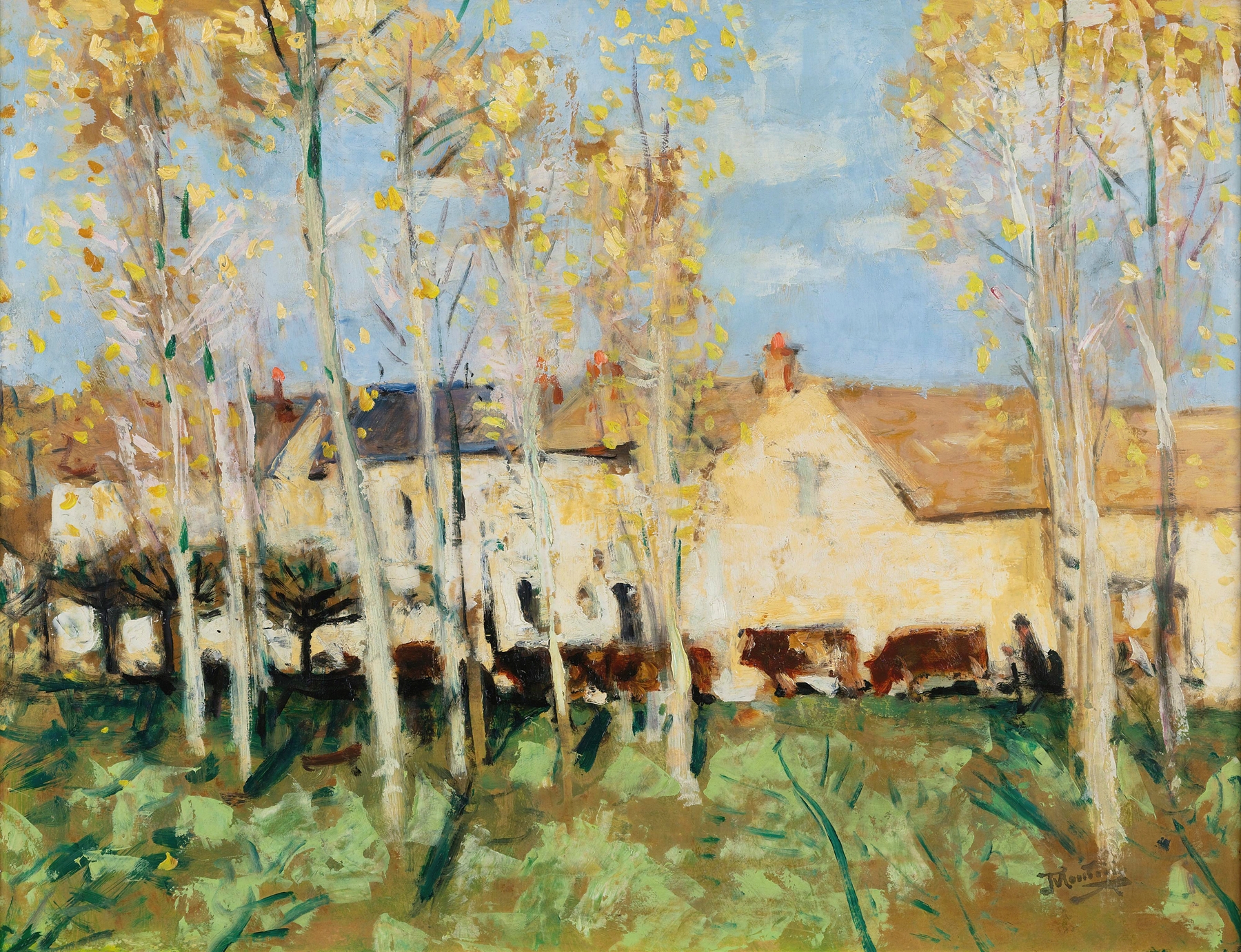
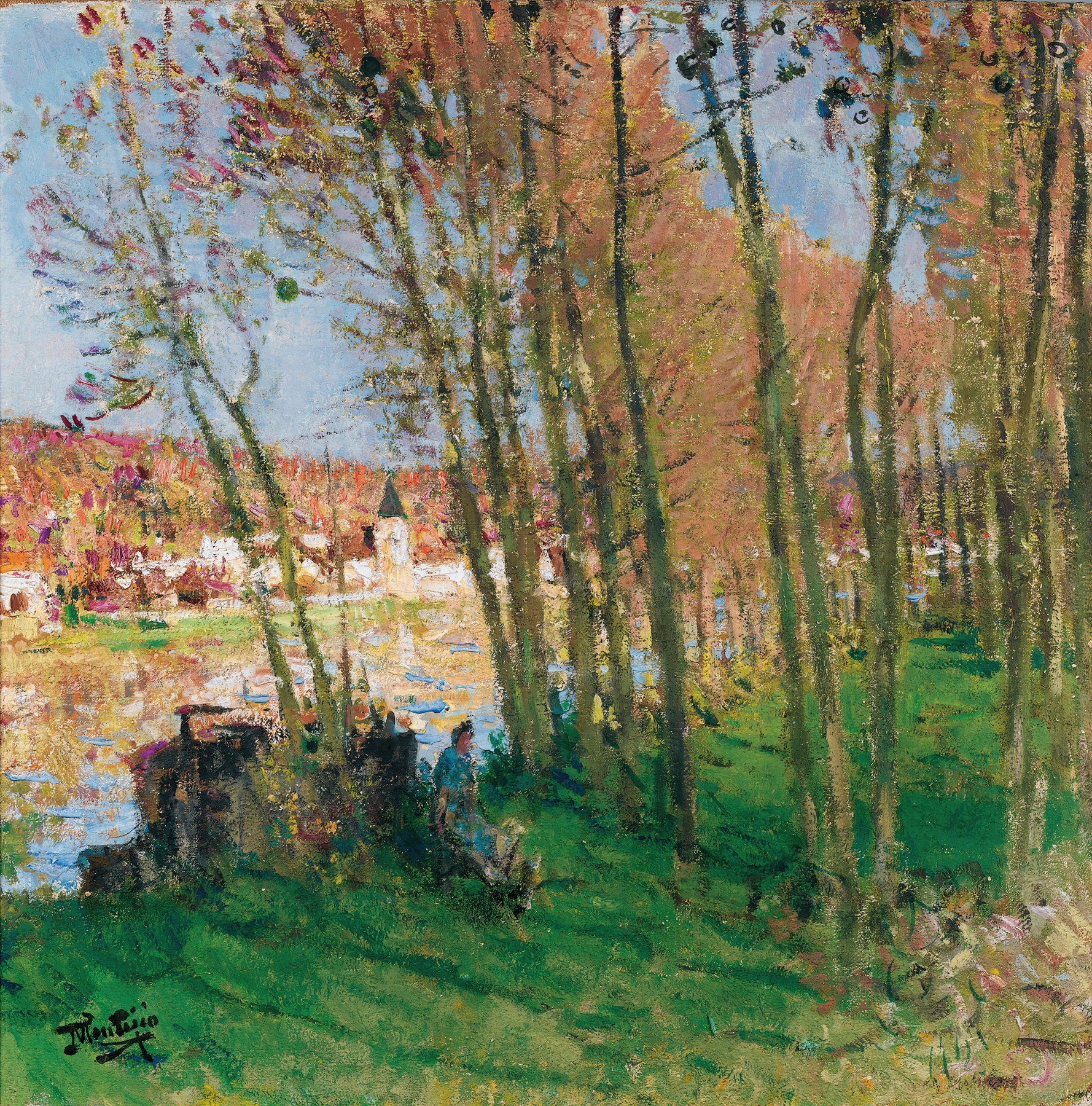
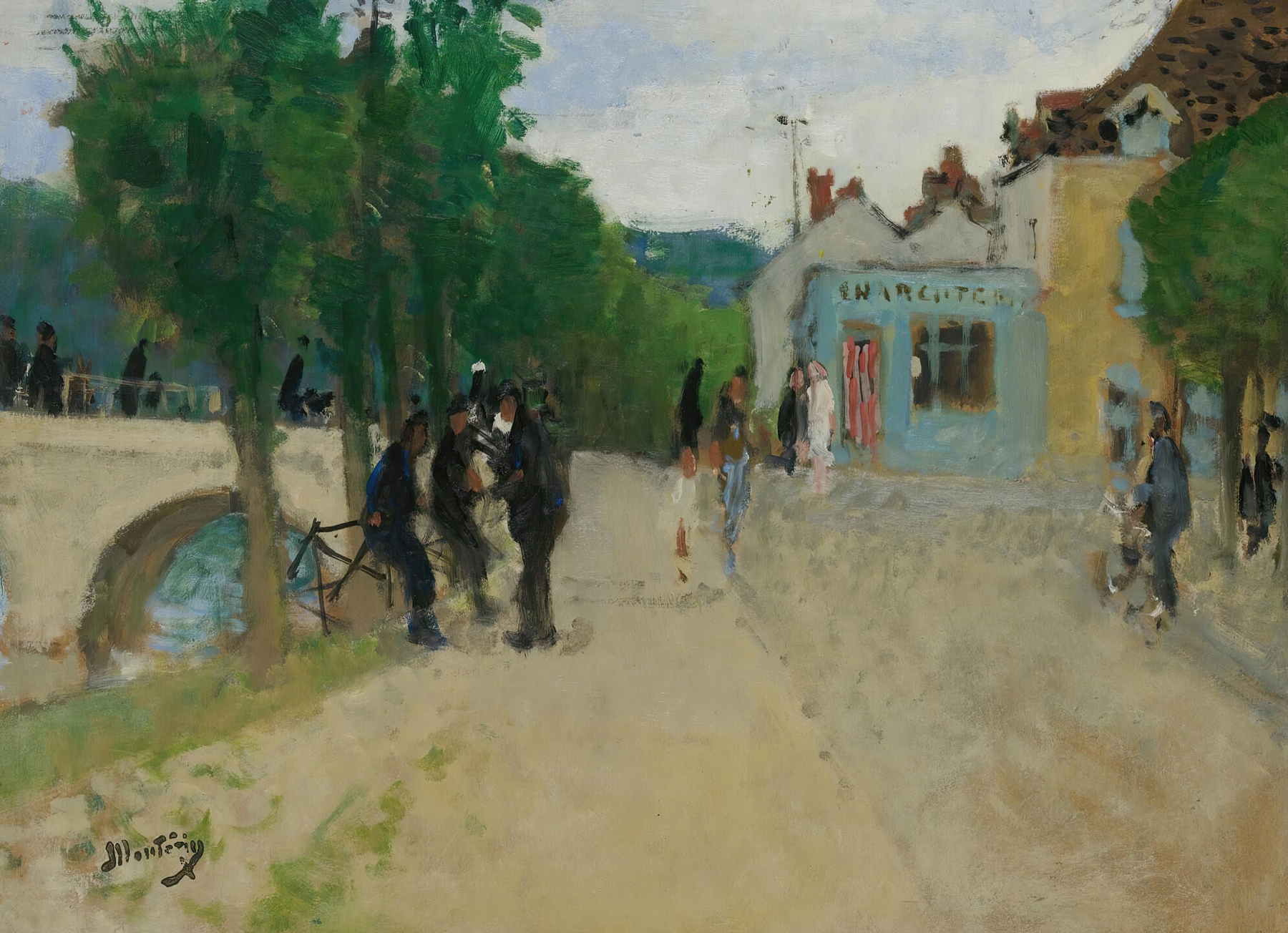
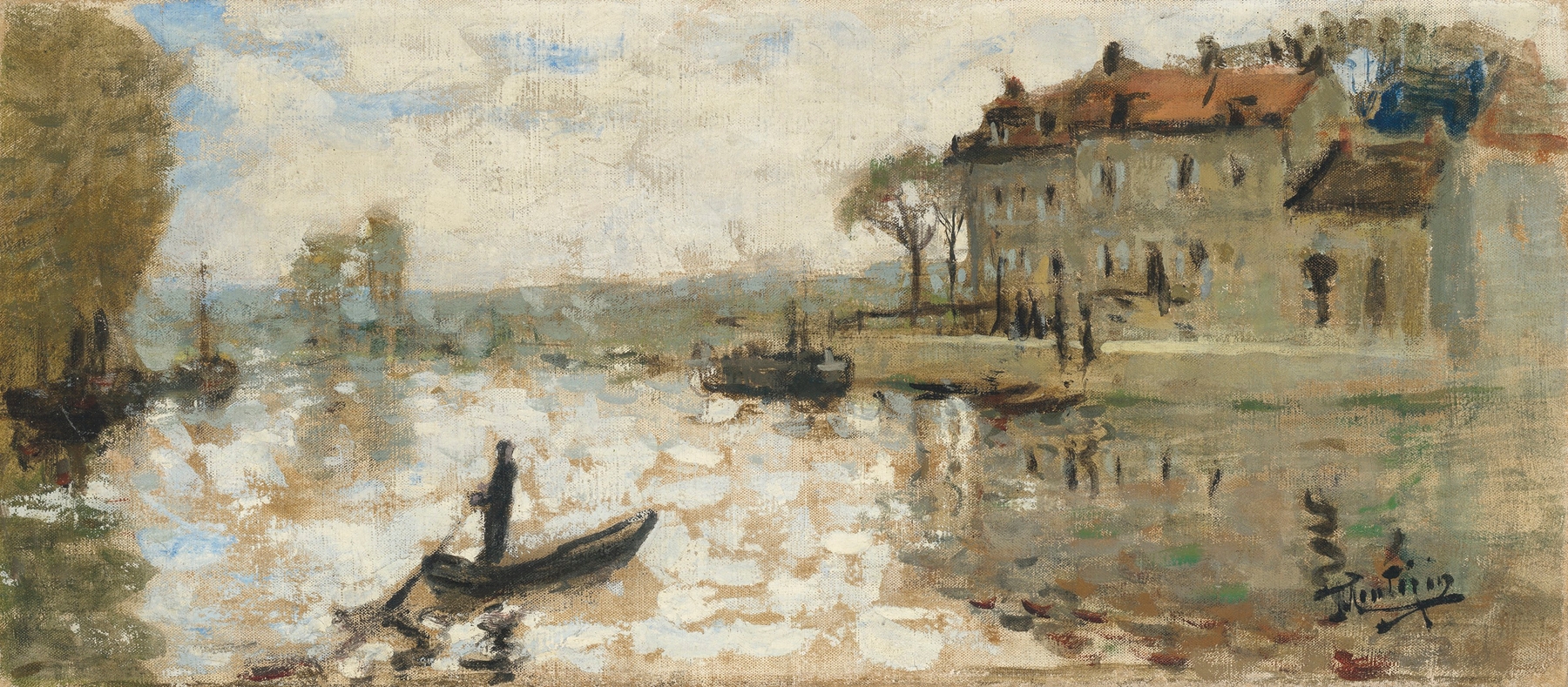
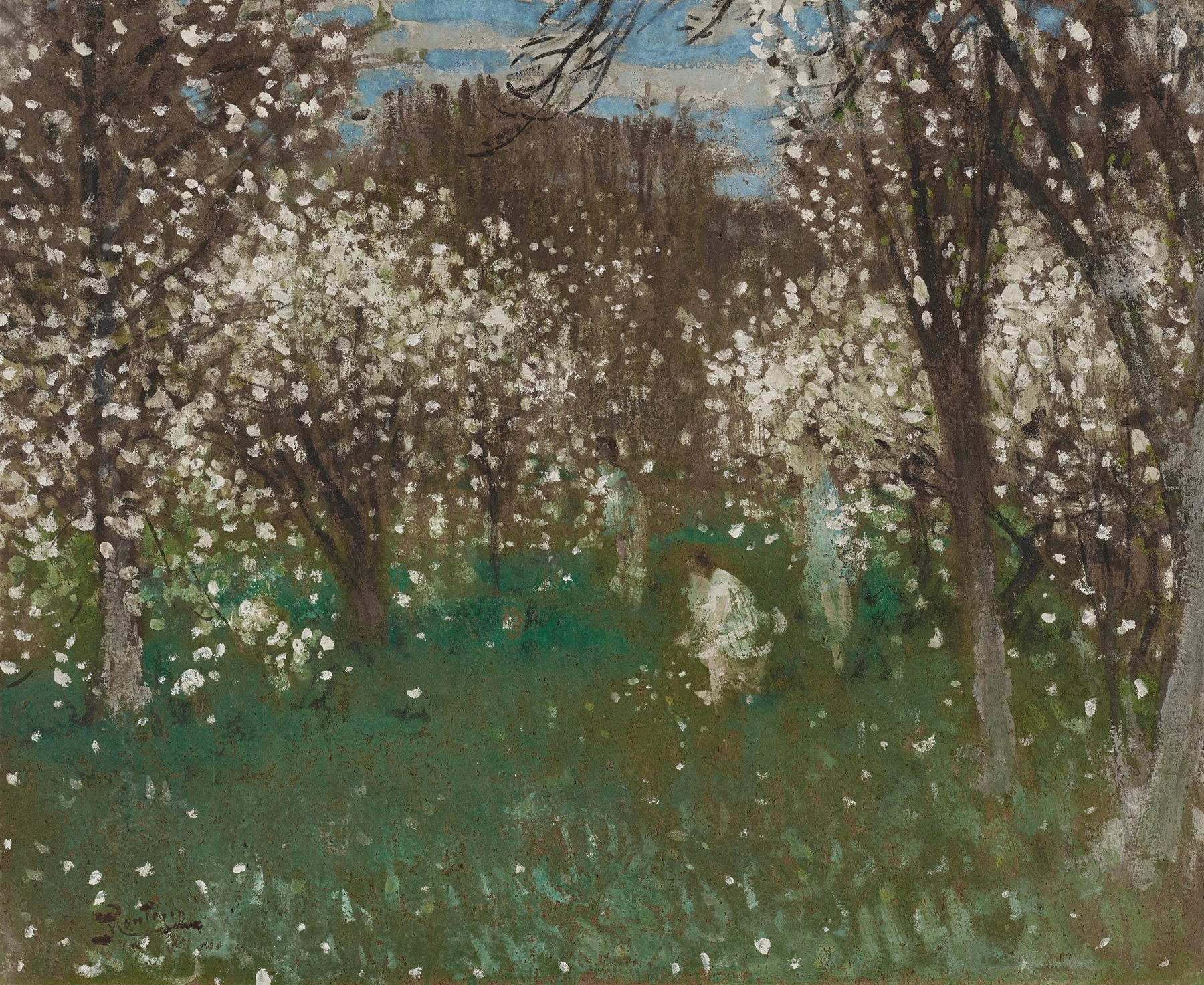
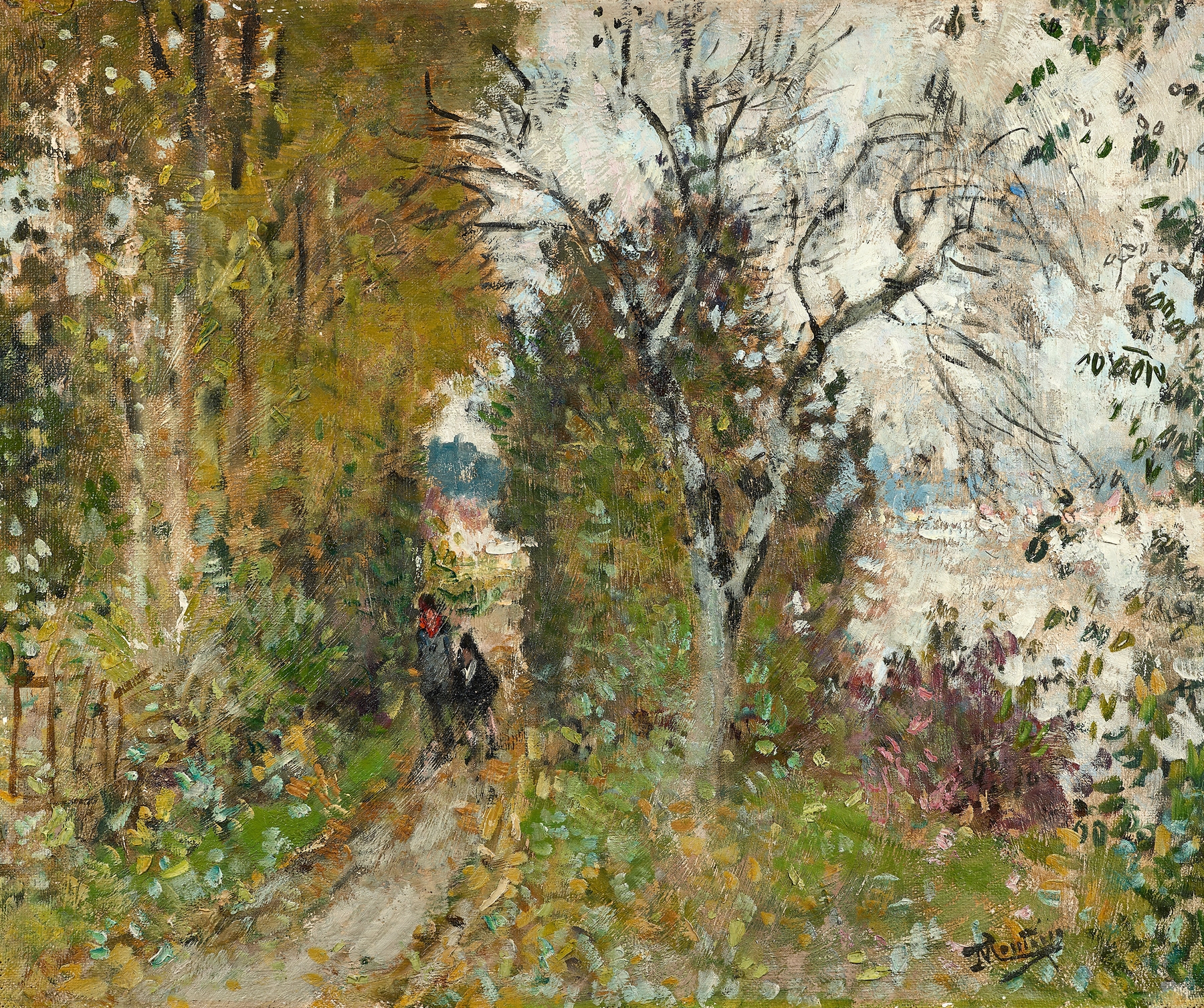
When did color learn to lie? Beneath the surface of a serene landscape, the delicate interplay of hues dances with the shadows of truth, leading us through a world both familiar and elusive. Look to the left at the gentle curve of the riverbank, where vibrant greens and blues meld seamlessly with whispers of pastel. The sunlight spills across the canvas, illuminating the figures meandering along the water's edge, while darker shadows hint at the deeper, hidden emotions lurking beneath this idyllic scene.
Observe how the artist masterfully employs soft brushstrokes, allowing the colors to blend and shift, evoking a sense of fluidity and movement that draws us into a dreamlike reverie. Beneath the tranquility lies a subtle tension: the juxtaposition of light and shadow suggests a narrative filled with introspection and longing. The figures, seemingly lost in their own thoughts, convey a sense of solitude despite their shared space, evoking the universality of human experience. Additionally, the painting's composition teases the viewer with a notion of fleeting moments, as if time itself holds its breath, reflecting the bittersweet essence of life.
Created during Montézin's prolific period in the early 20th century, this piece captures the quiet beauty of the world around him. Living in France amidst evolving artistic movements, he was influenced by Impressionism's techniques while developing his own unique style. This work embodies his desire to blend realism with a personal touch, inviting viewers to immerse themselves in the serenity and complexity of nature.