
Pronkstillleven with Fruit and Fowl — History & Facts
What first arrests the eye in Pronkstillleven with Fruit and Fowl is the theatrical abundance—an opulent display that seems almost to teeter on the edge of excess. The painter, Abraham van Beyeren, draws you in with the gleam of oysters, the lushness of grapes, and the glint of polished metal, all set against a velvet cloth that pools and folds like liquid shadow. The composition is a careful balancing act: the fowl, both plucked and feathered, hang and sprawl with a casualness that belies the painter’s meticulous attention.
A half-peeled orange and a split pomegranate suggest the moment just after a feast, their freshness contrasting with the stillness of the game. Light travels across the scene, catching on glass and fruit, guiding your gaze from the sharp edge of the table to the dark, receding background—a reminder that this bounty is both immediate and fleeting. Painted around 1651, this work belongs to the world of the Dutch Golden Age, when still lifes like these—known as pronkstilleven, or “ostentatious still lifes”—were at the height of fashion. Such paintings were more than mere records of wealth; they were meditations on luxury, trade, and the passage of time.
The Dutch Republic was then a hub of global commerce, and its prosperous merchants commissioned these works to display their status and taste. Van Beyeren was a master of the genre, celebrated for his ability to render textures and reflections with almost alchemical skill. While little is recorded about this particular painting’s journey, its presence in a digital collection today continues the tradition of inviting viewers to marvel—and perhaps to ponder what lies beneath the surface of all this splendor.
More Artworks by Abraham van Beyeren

Still Life
Abraham van Beyeren
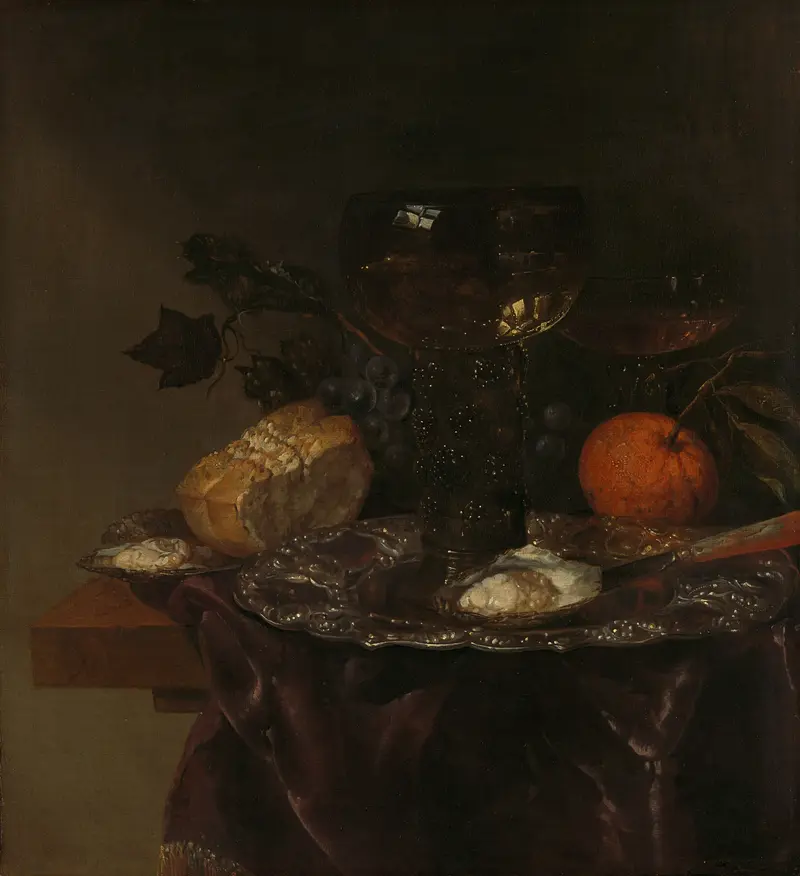
Still Life
Abraham van Beyeren
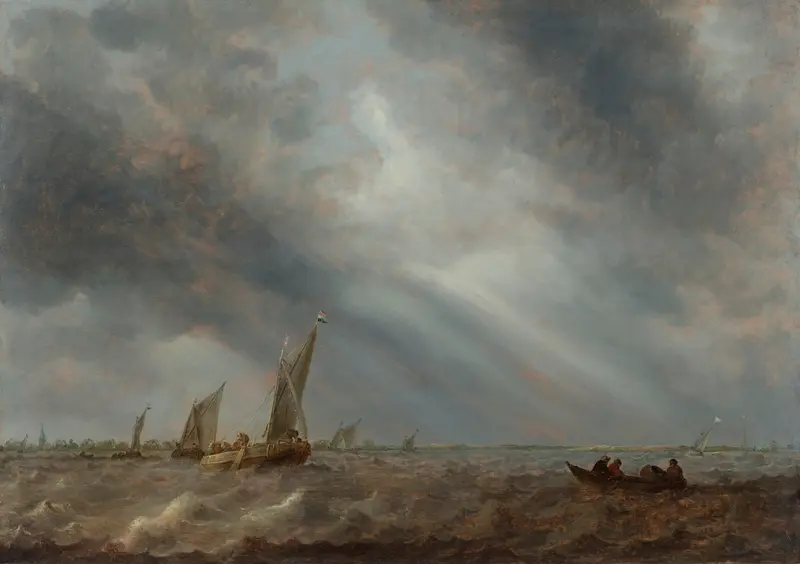
Various sailing vessels and a rowing boat with fishermen on choppy waters under a stormy sky
Abraham van Beyeren
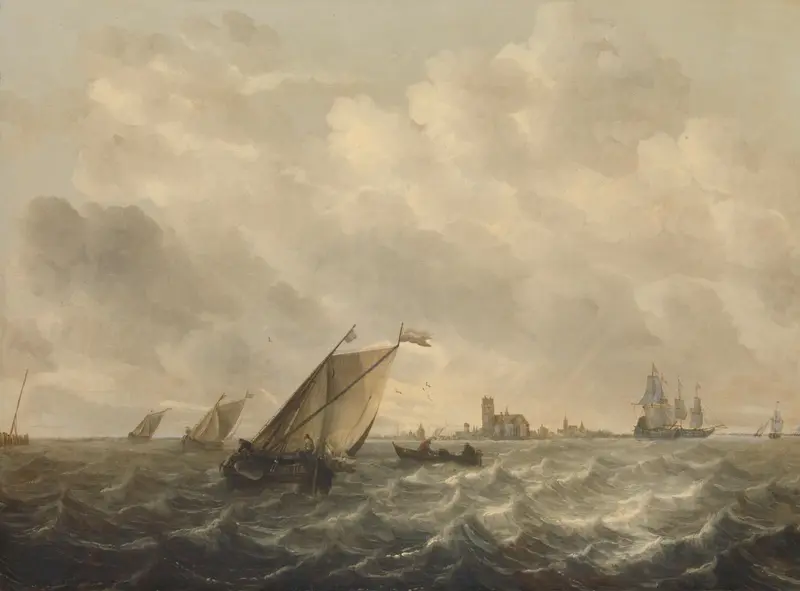
River View
Abraham van Beyeren
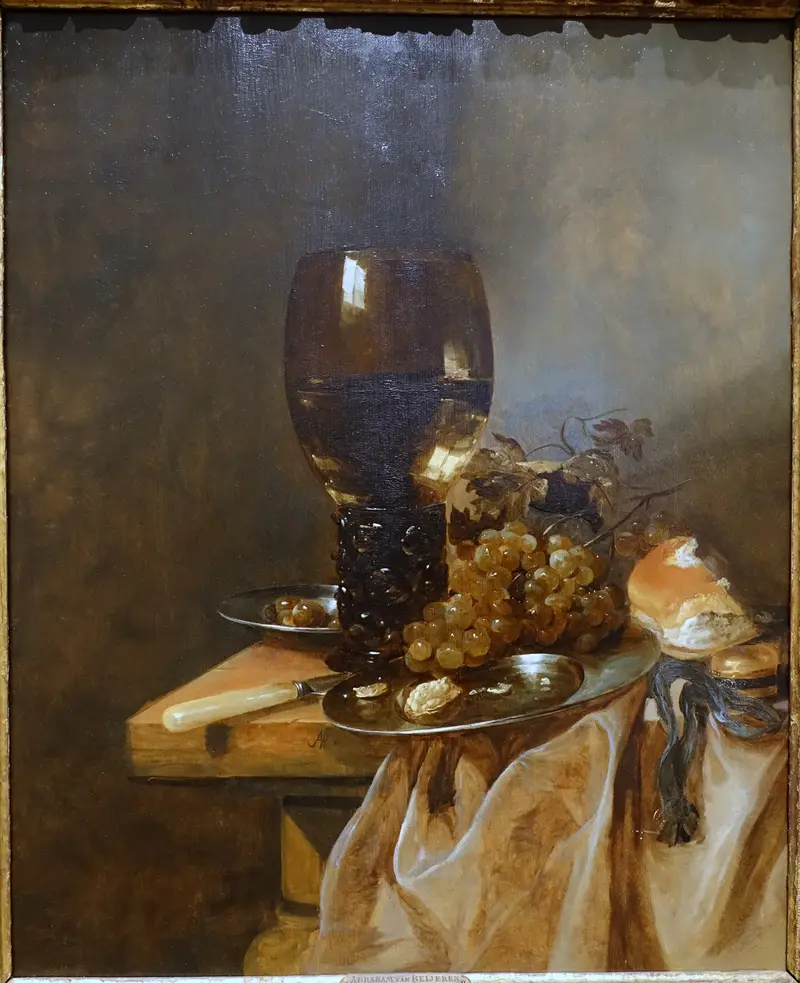
A Roemer with Grapes, a Pewter Plate and a Roll
Abraham van Beyeren
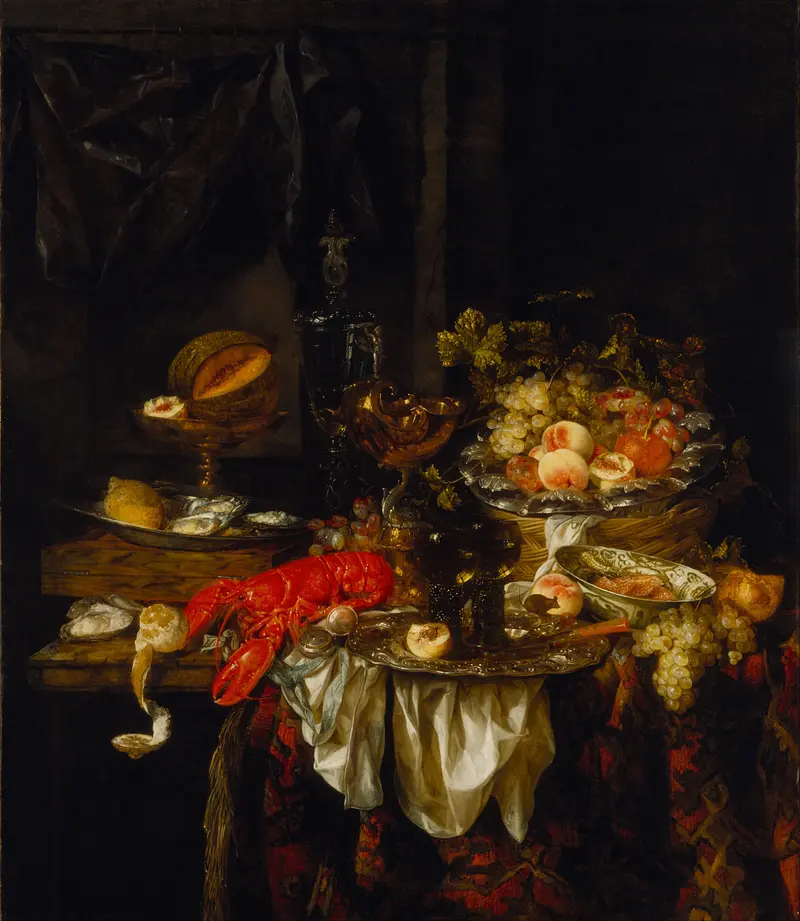
Banquet Still Life
Abraham van Beyeren
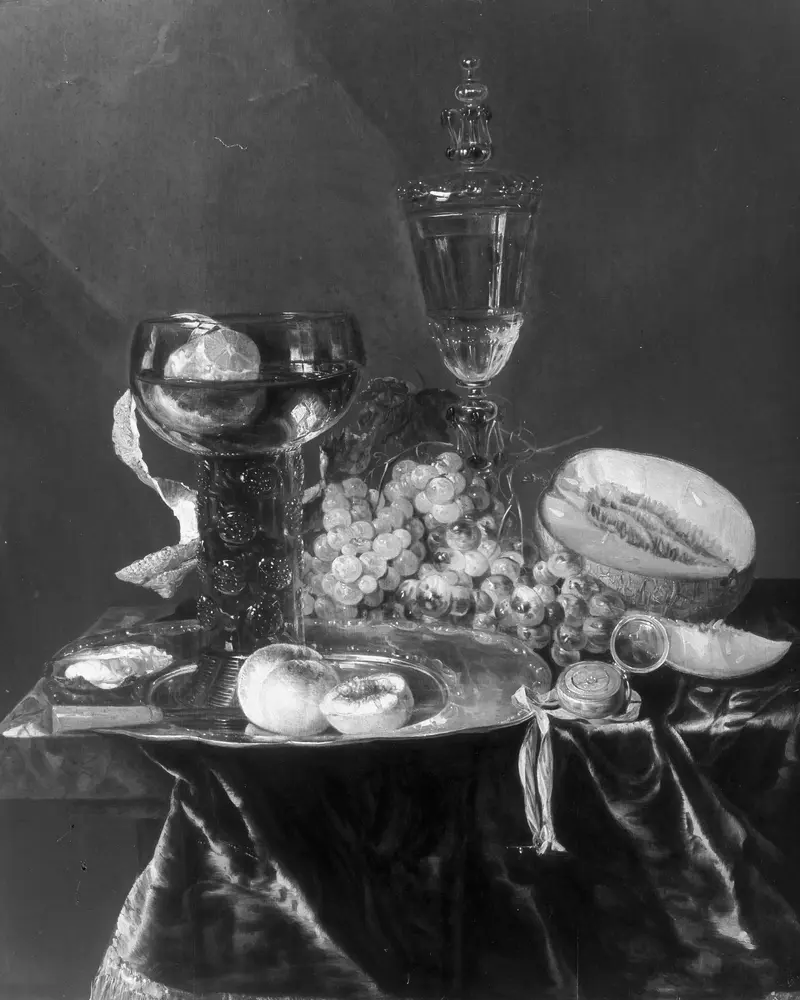
Still life with a glass lid goblet
Abraham van Beyeren
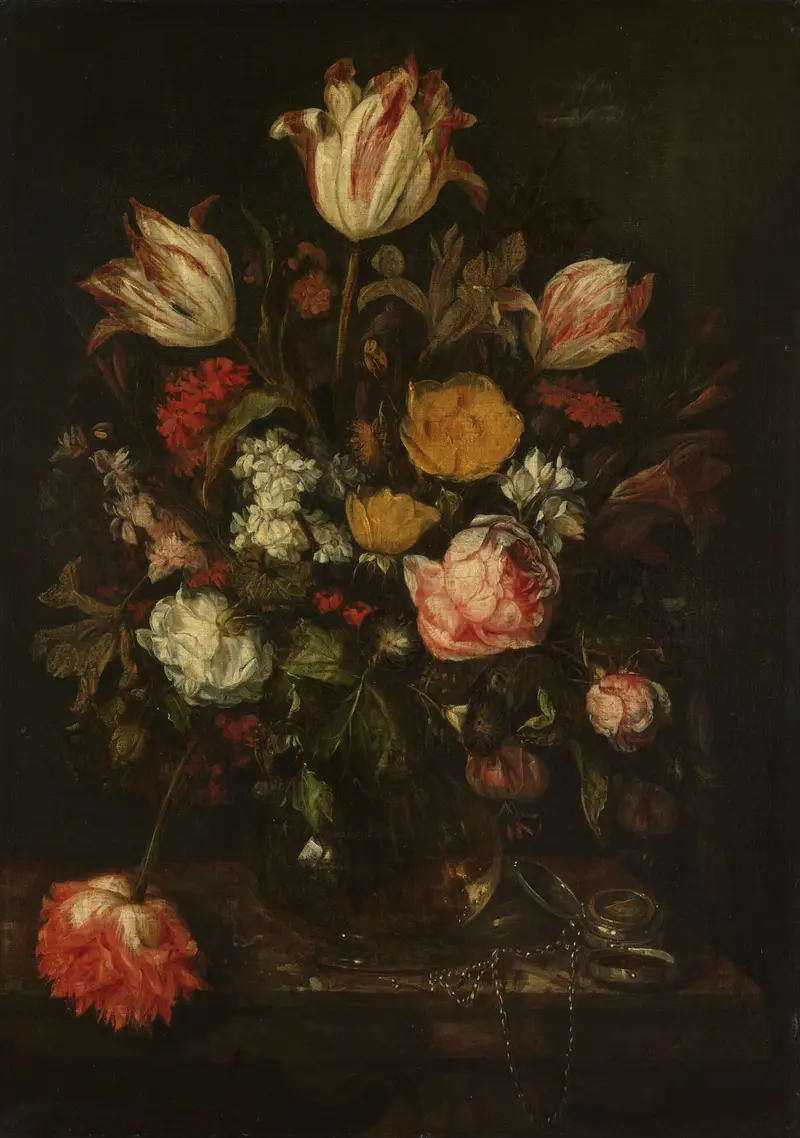
Still life with flowers
Abraham van Beyeren
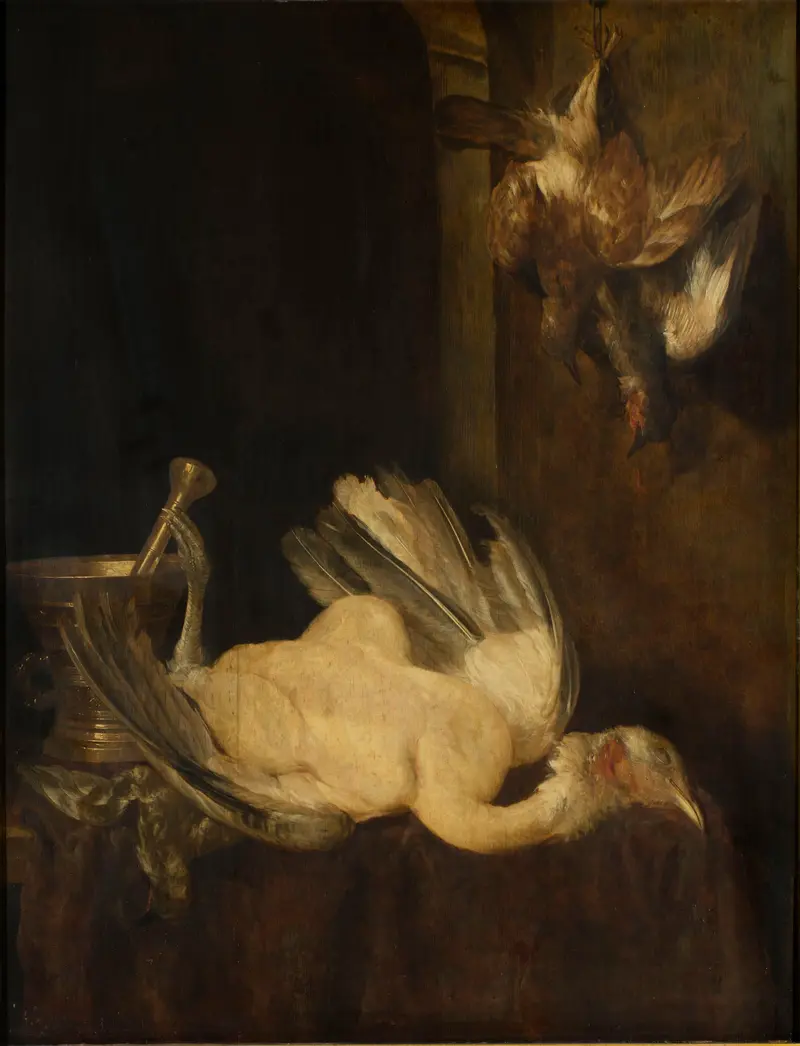
Still life with dead birds
Abraham van Beyeren
Still Life with Seafood
Abraham van Beyeren





