
Redheaded Girl in Evening Dress — History & Facts
When Amedeo Modigliani painted Redheaded Girl in Evening Dress in 1918, he was living through the final, feverish years of his short life in Paris. This was a time when Modigliani, despite ill health and poverty, was at the center of the Montparnasse art world, surrounded by poets, artists, and muses. The sitter’s identity remains a mystery, fueling speculation among art historians—some suggest she was one of the many models who frequented his studio, while others see echoes of his companion Jeanne Hébuterne.
The painting stands as a testament to Modigliani’s fascination with individuality, even as he distilled his subjects into his signature elongated forms. The young woman meets our gaze with a directness unusual for Modigliani’s portraits, her copper hair a vivid flame against the muted background. Her evening dress, rendered in sweeping, simplified lines, hints at Parisian elegance but also at the artist’s tendency to strip away ornament in search of character. The almond-shaped eyes—one slightly darker than the other—lend her an air of introspection, a device Modigliani often used to suggest the inner life of his sitters.
Unlike the psychological distance in Picasso’s early portraits or the decorative stillness of Gustav Klimt, Modigliani’s approach here is intimate, his brushwork loose yet attentive to the sitter’s presence. The painting’s warm palette and elongated neck draw the viewer’s attention to her face, inviting contemplation of her story. The exact provenance of Redheaded Girl in Evening Dress is unclear, as is the medium—typical for Modigliani, who worked in both oil and, occasionally, tempera during this period. Like many of his works, it likely passed through the hands of Parisian dealers before entering a private collection.
Today, it is recognized as a quintessential example of Modigliani’s late style, created during his most productive and challenging years. The portrait’s blend of stylization and psychological depth reflects the artist’s unique position between the waning Impressionist movement and the rise of Expressionism. As with much of Modigliani’s work, the painting’s journey from bohemian studio to gallery wall is shrouded in as much intrigue as the life of its enigmatic sitter.
More Artworks by Amedeo Modigliani
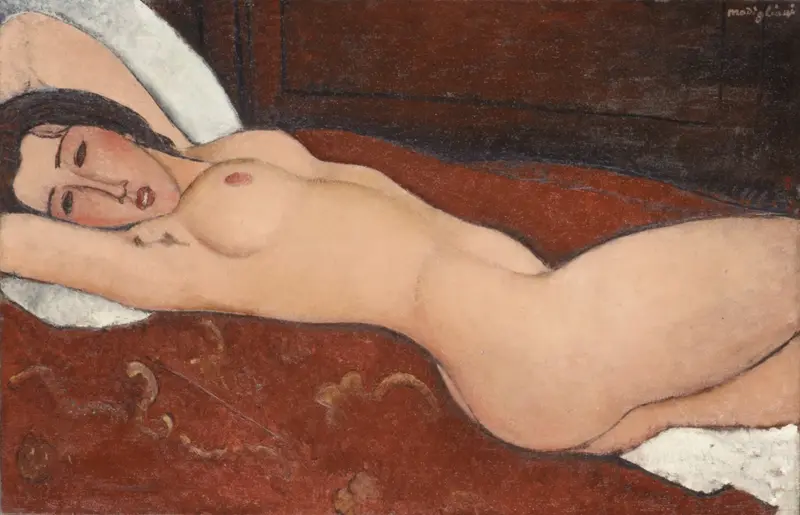
Reclining Nude
Amedeo Modigliani

Portrait Of Jeanne Hébuterne
Amedeo Modigliani

Jeanne Hébuterne
Amedeo Modigliani
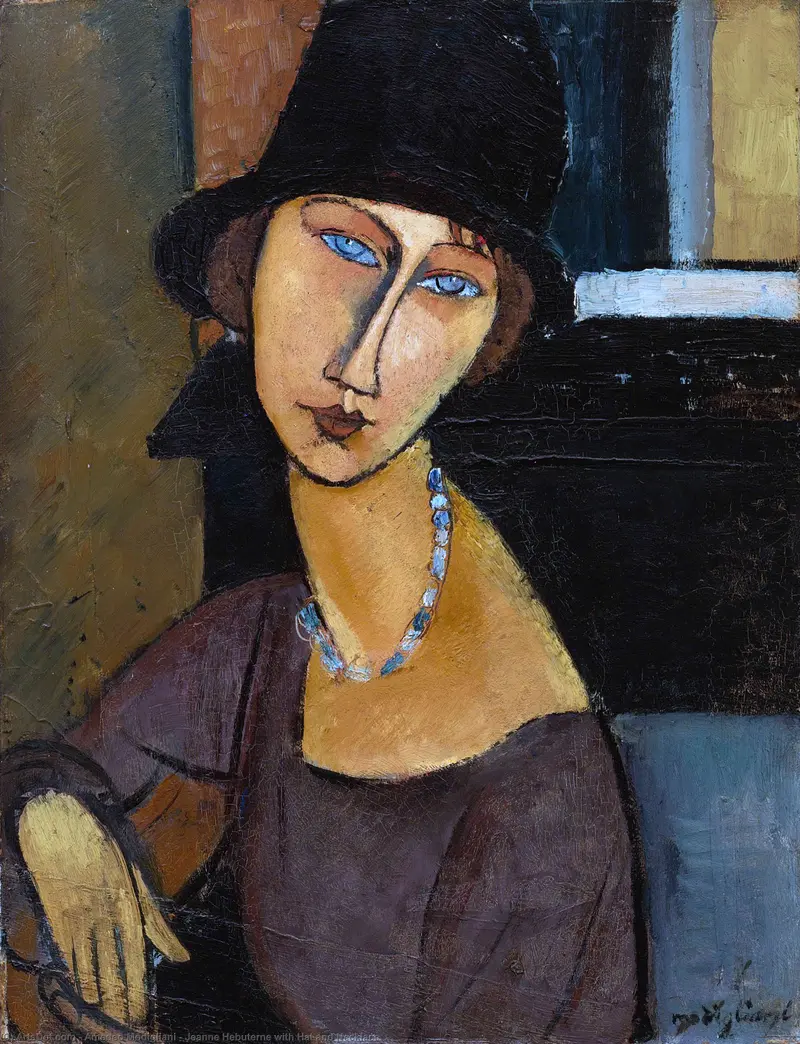
Jeanne Hébuterne with Hat and Necklace
Amedeo Modigliani
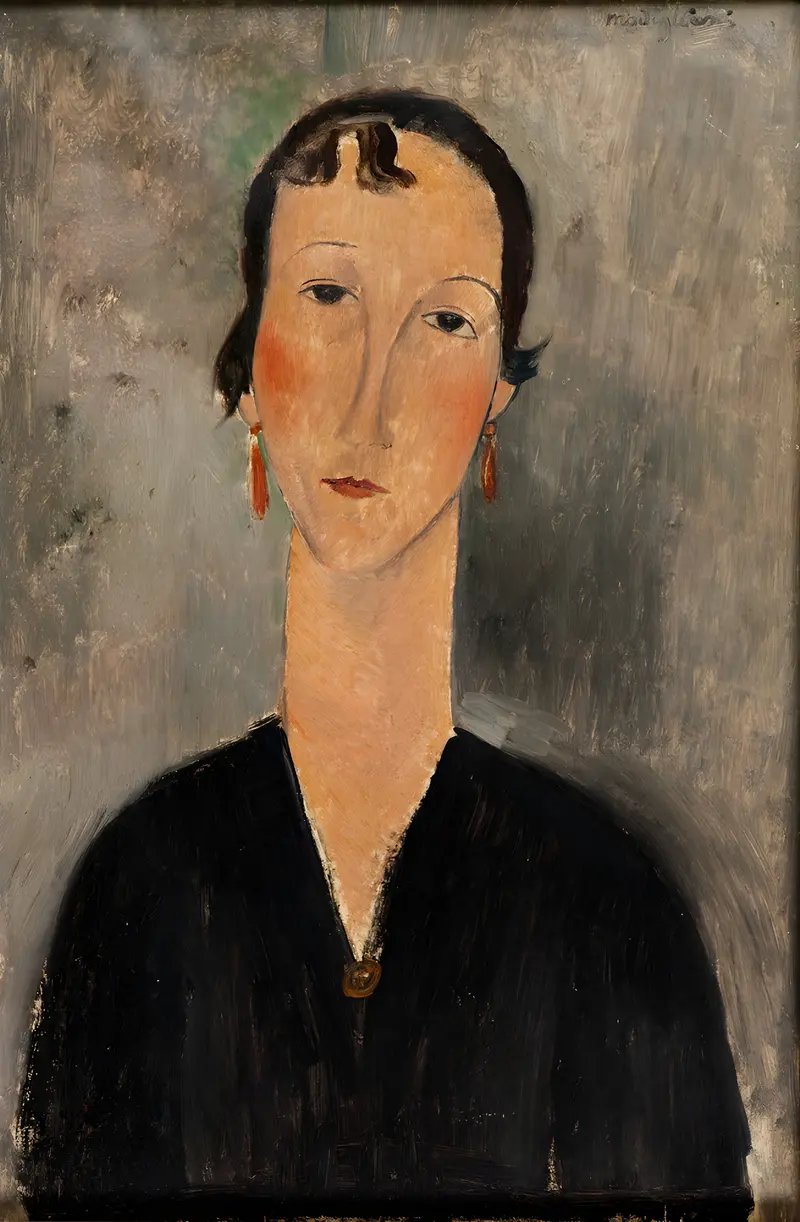
Femme aux boucles d'oreilles
Amedeo Modigliani
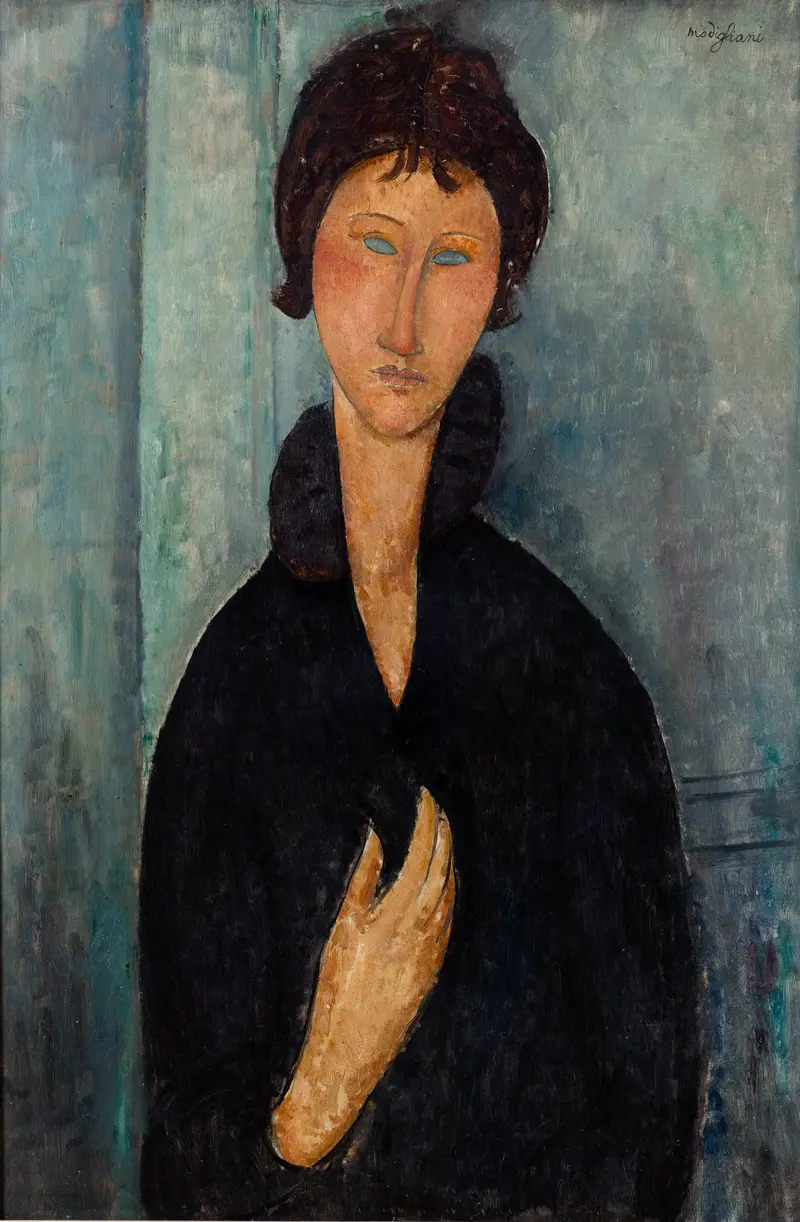
Femme aux yeux bleus
Amedeo Modigliani
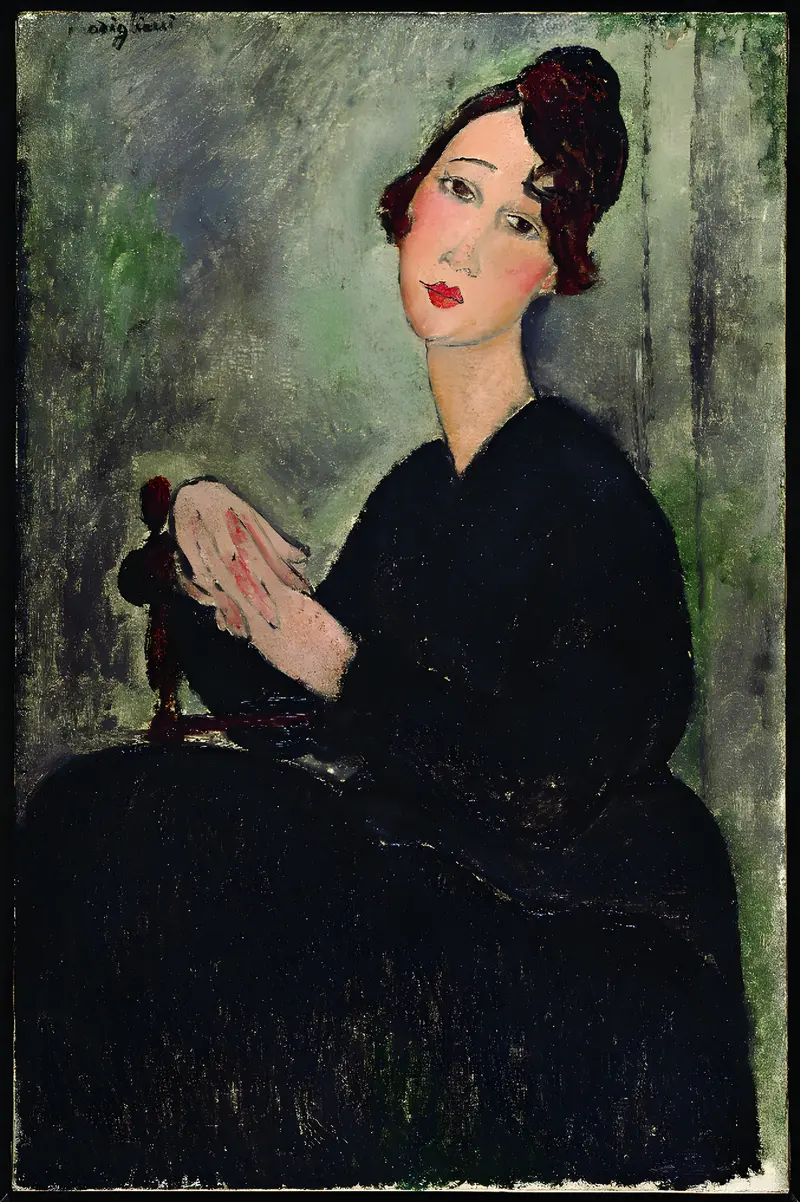
Portrait of Dedie
Amedeo Modigliani
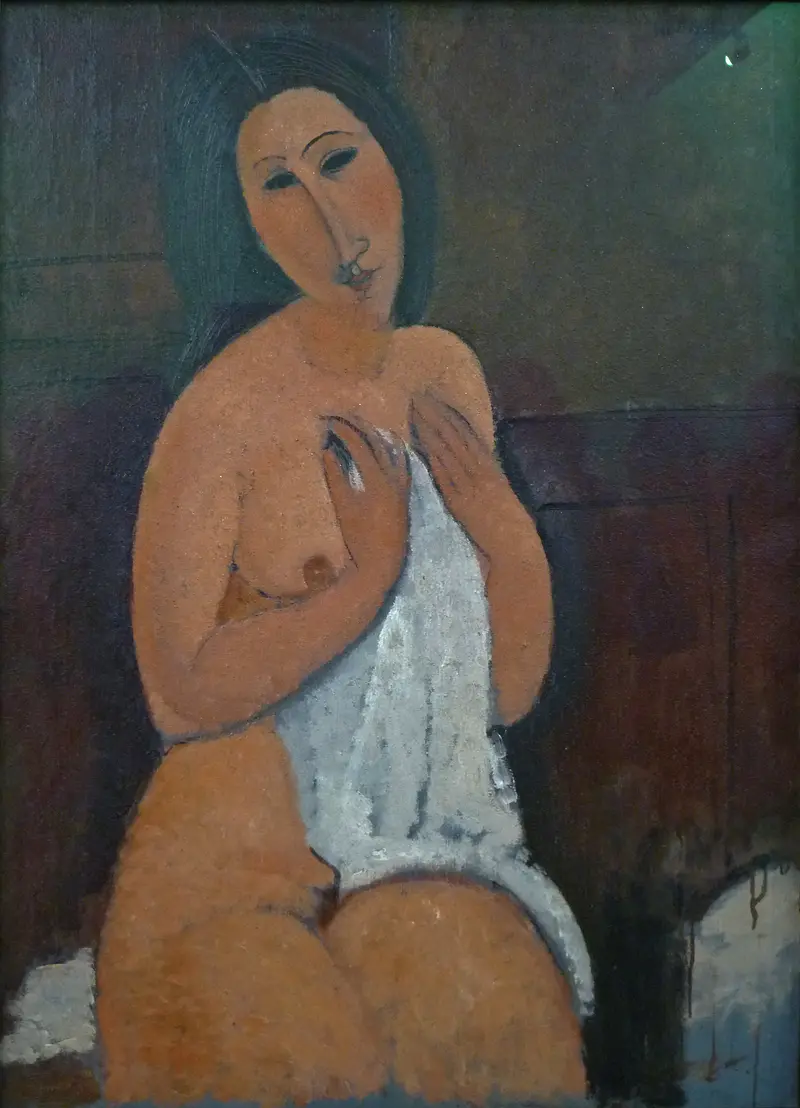
Seated nude with shirt
Amedeo Modigliani
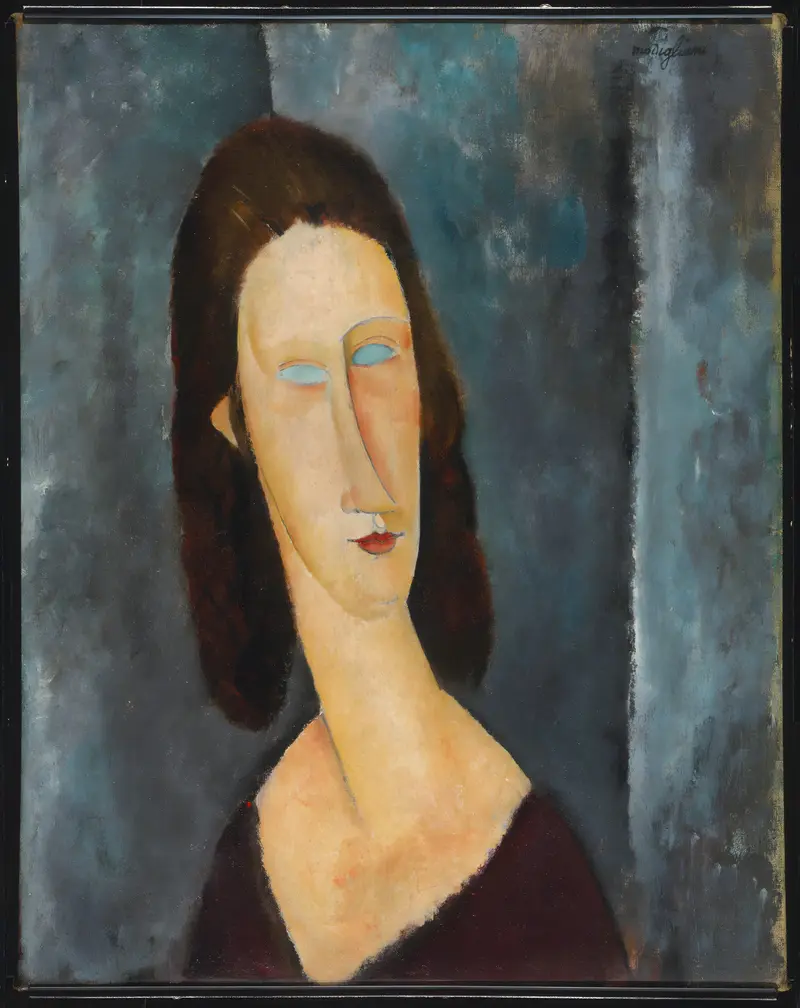
Blue Eyes (Portrait of Madame Jeanne Hébuterne)
Amedeo Modigliani
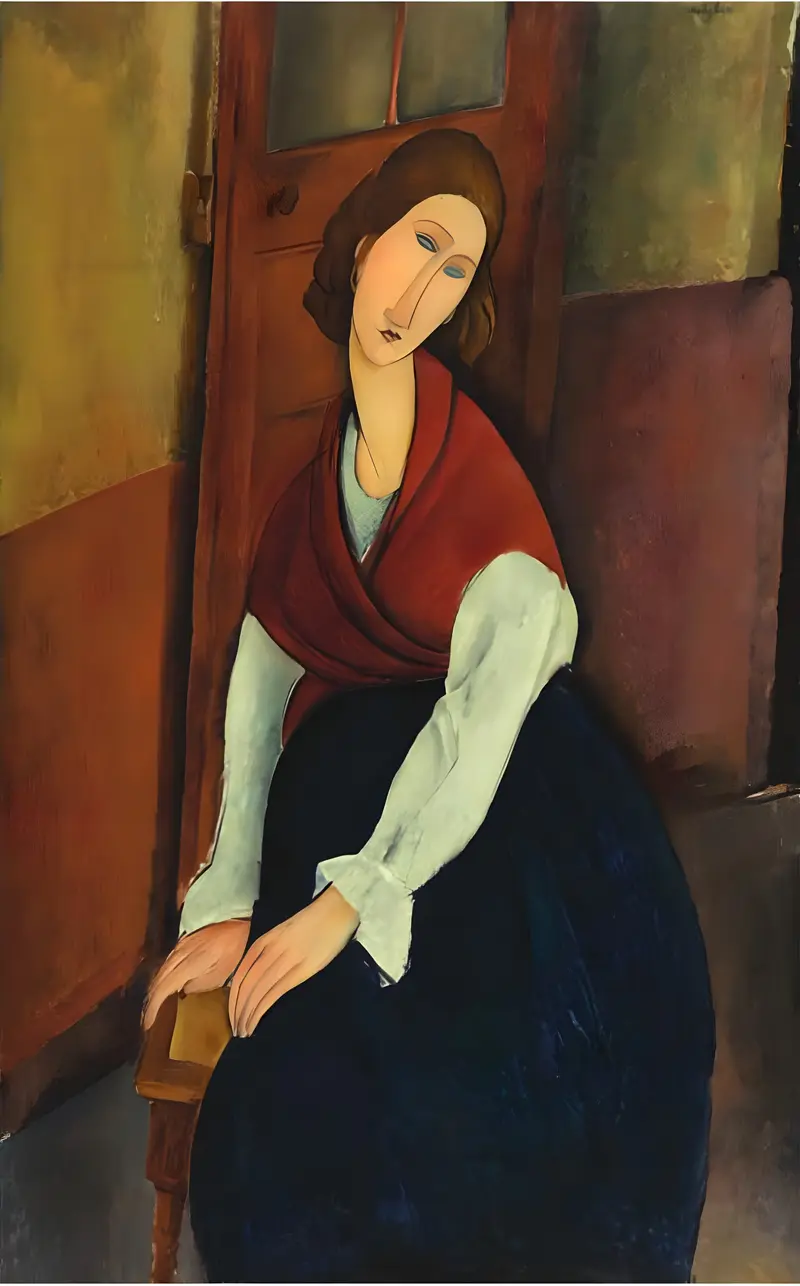
Jeanne Hebuterne in Red Shawl
Amedeo Modigliani





