Rhododendrons — History & Facts
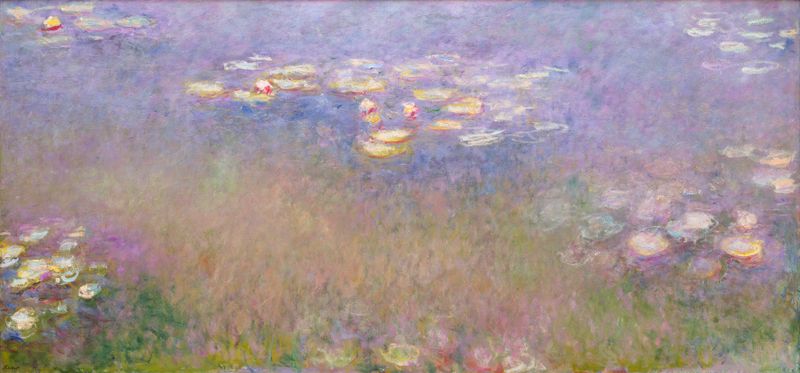
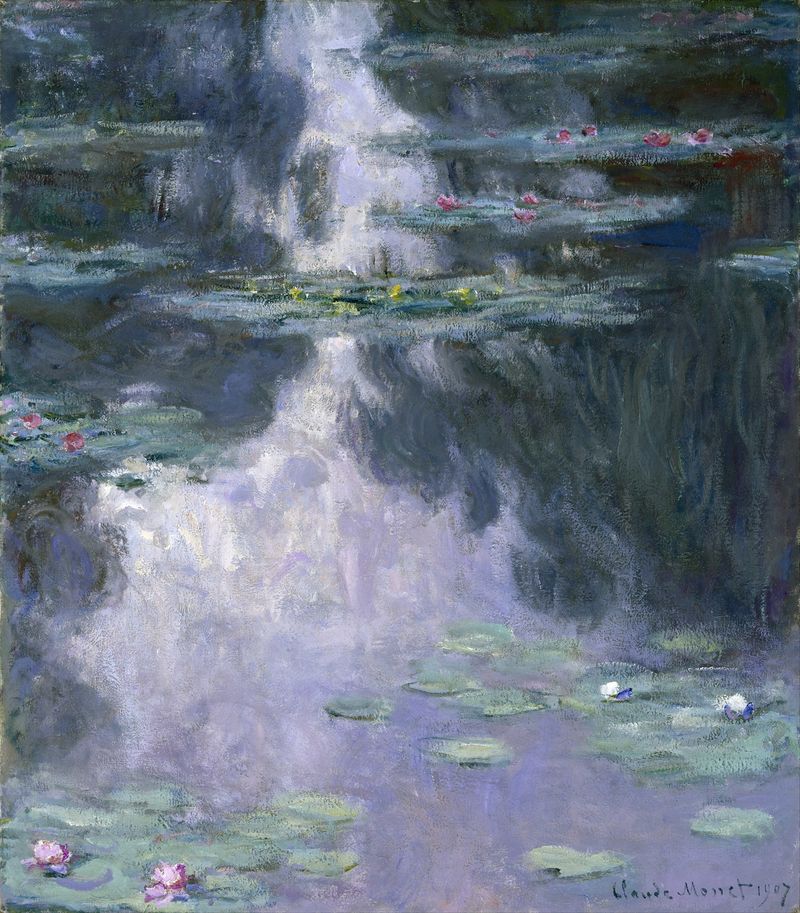
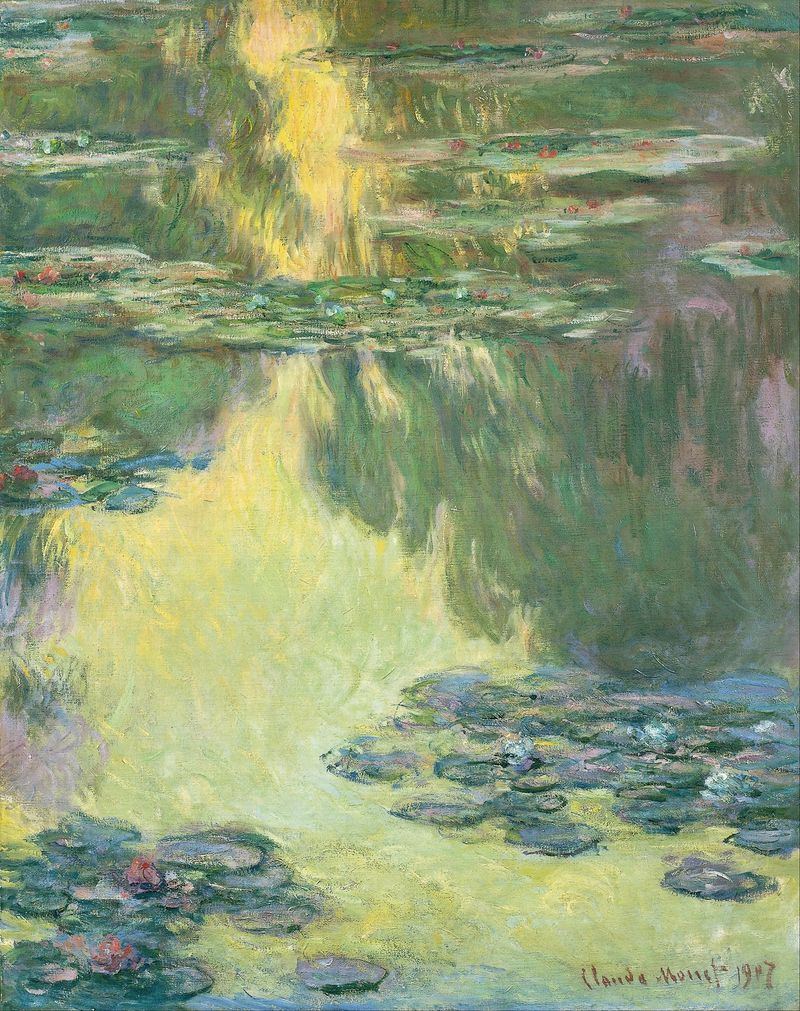
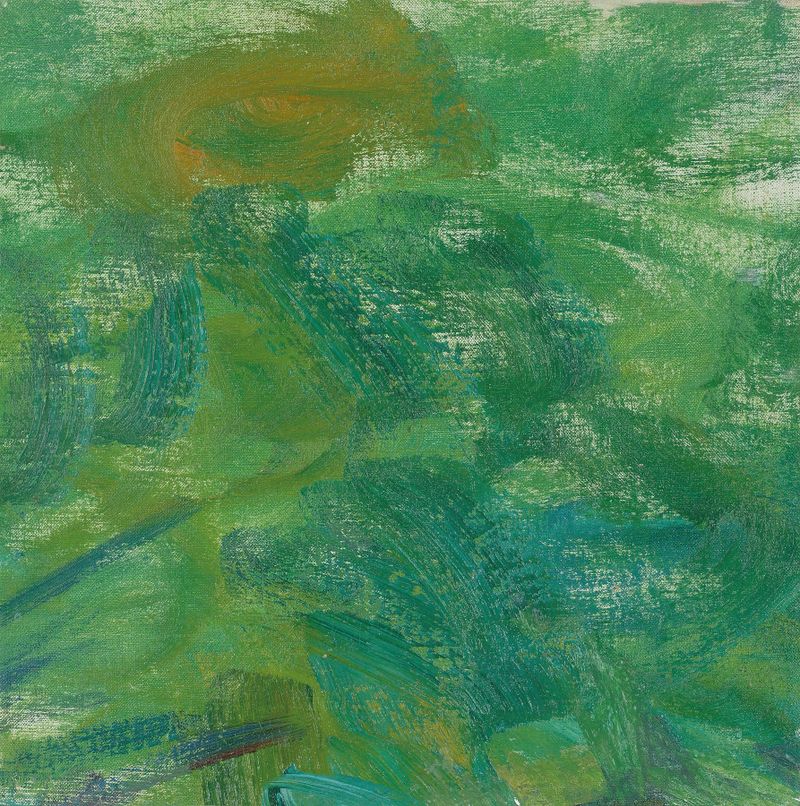
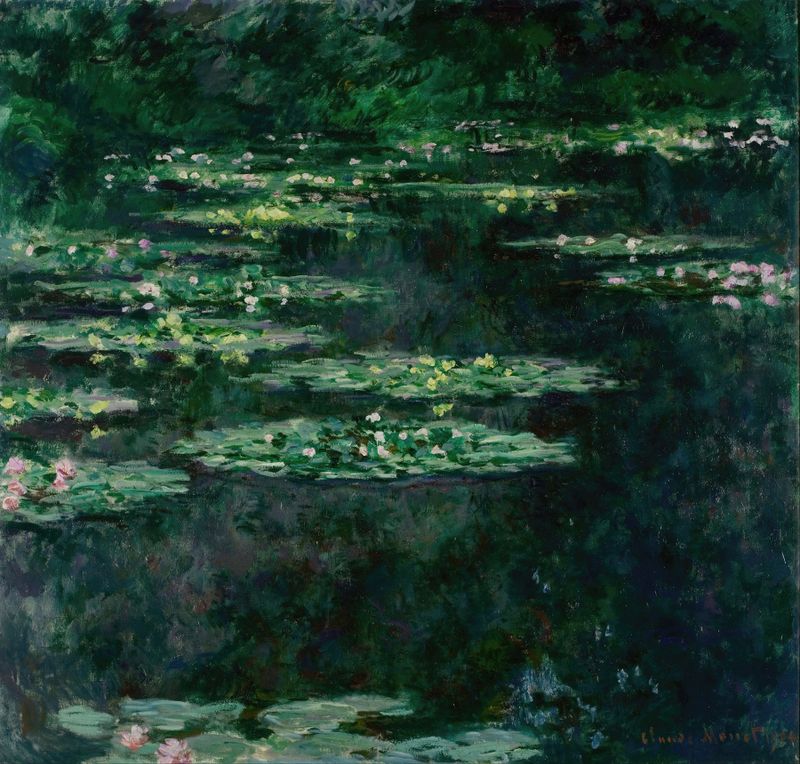
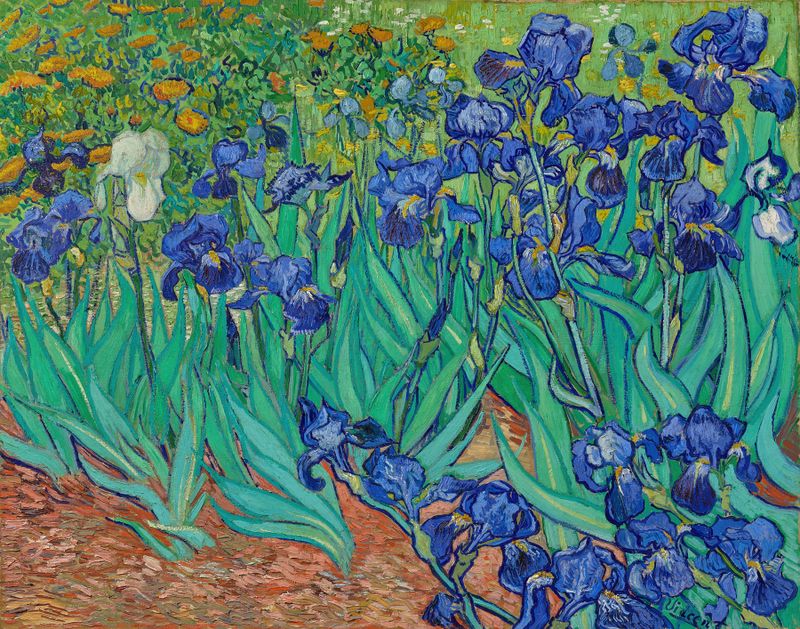
When did color learn to lie? In the delicate embrace of Rhododendrons, a world unfolds, where light dances with petals, whispering secrets only the heart can understand. Look to the left at the vibrant blooms that burst forth from the canvas, each petal a brushstroke of vivid pinks and purples. The artist’s technique reveals a masterful interplay of light and shadow, with a soft, diffused glow enveloping the flowers, inviting you to lean closer. Notice how the greens of the leaves cradle the blossoms, their rich, deep hues contrasting against the brightness of the floral explosion, creating a harmonious yet dynamic composition. The juxtaposition between the lively colors and the serene background hints at a deeper emotional landscape — the complexity of beauty and transience.
Each stroke of paint carries weight, suggesting not just the physical presence of flowers, but also the fleeting nature of their bloom, a metaphor for life itself. The softness of the light can be interpreted as a fleeting moment, a reminder of joy that coexists with impermanence, urging viewers to cherish the now. In 1905, Jan Stanisławski painted Rhododendrons during a period of artistic exploration in Poland. As a prominent figure in the Young Poland movement, he sought to blend impressionist techniques with local themes, reflecting the vibrant natural beauty of his homeland.
This work demonstrates his innovative approach to color and light, as he sought to evoke emotion and capture the essence of the world around him, a pursuit that resonated deeply with contemporary art movements.
More Artworks by Jan Stanisławski
Browse all →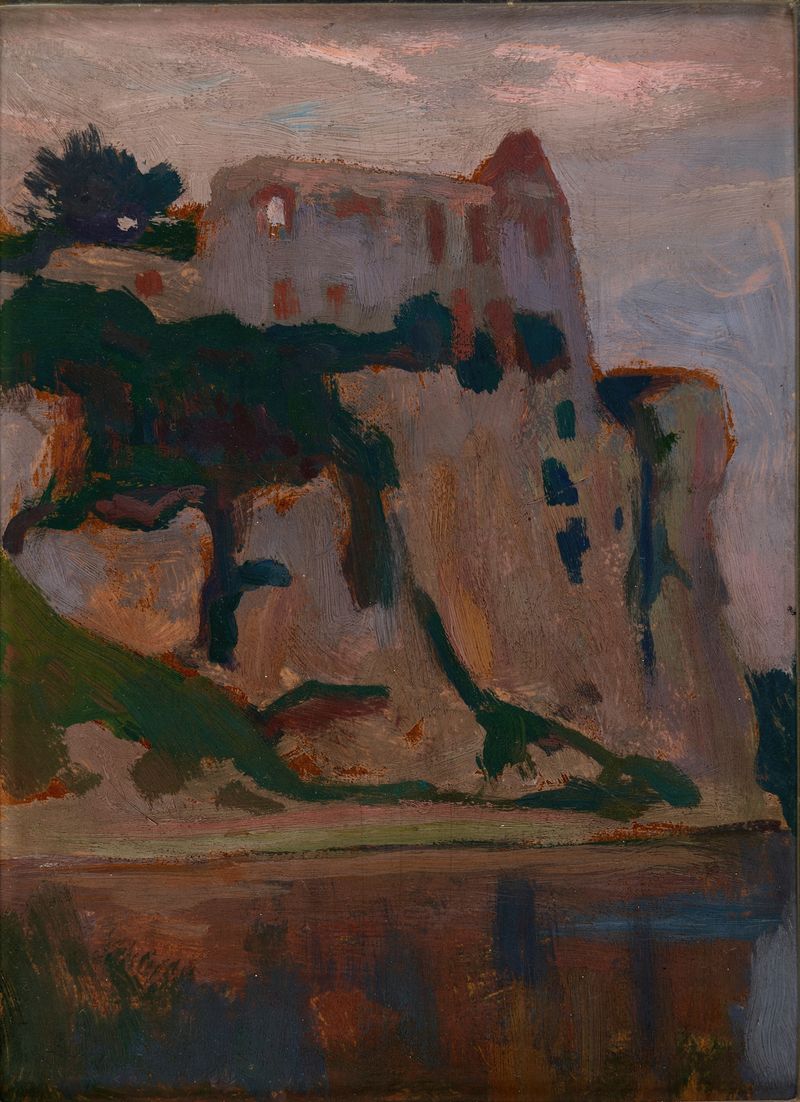
Tyniec at Dawn
Jan Stanisławski
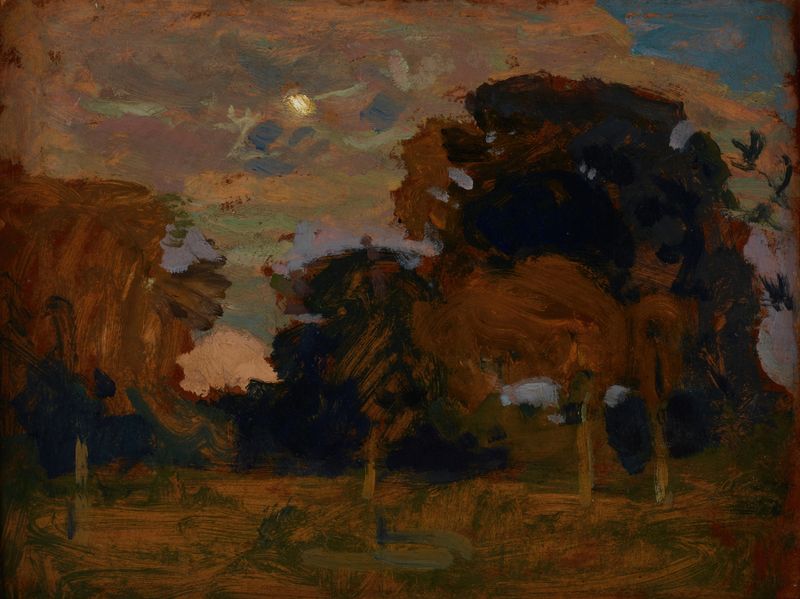
Moon in the Clouds
Jan Stanisławski
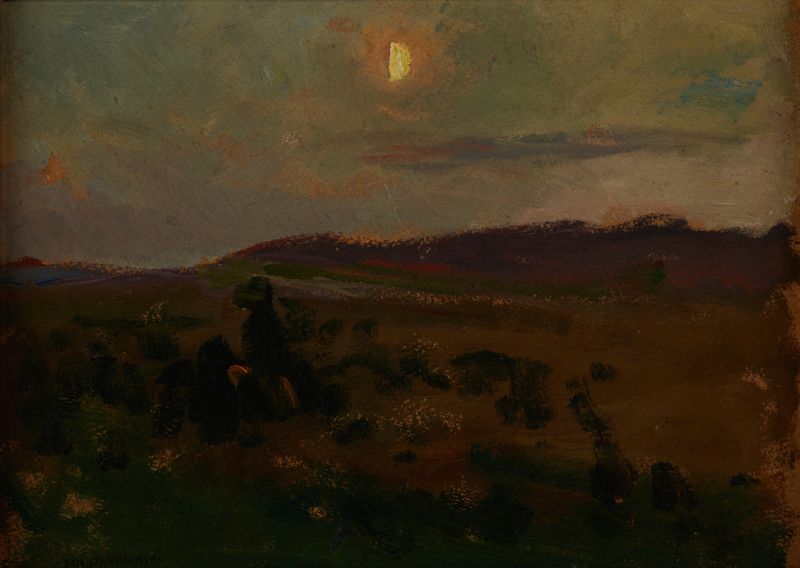
Moonrise
Jan Stanisławski
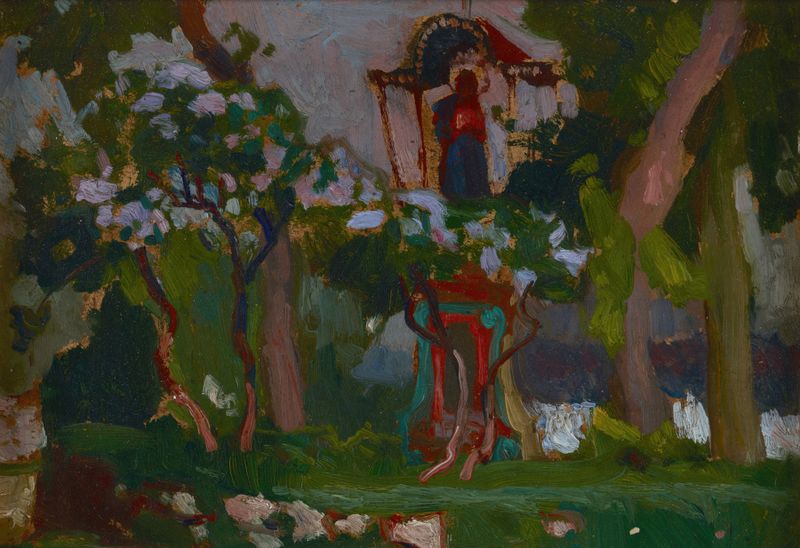
May
Jan Stanisławski
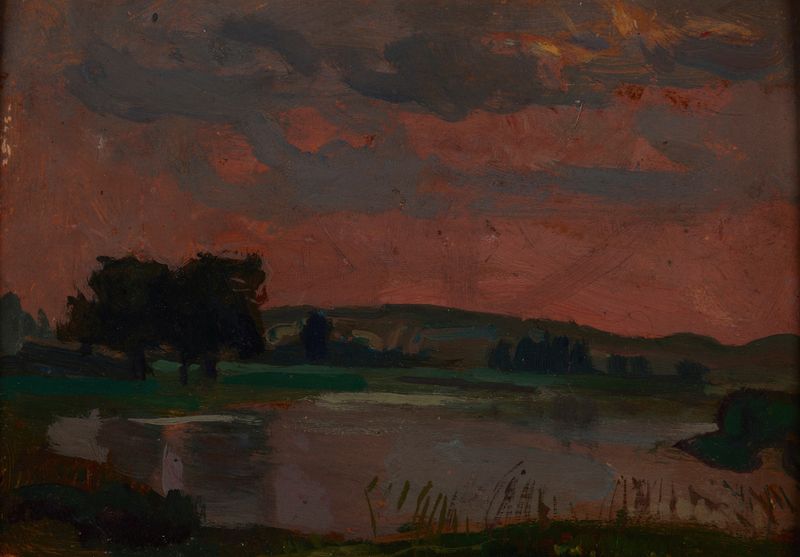
The Vistula in the Twilight
Jan Stanisławski
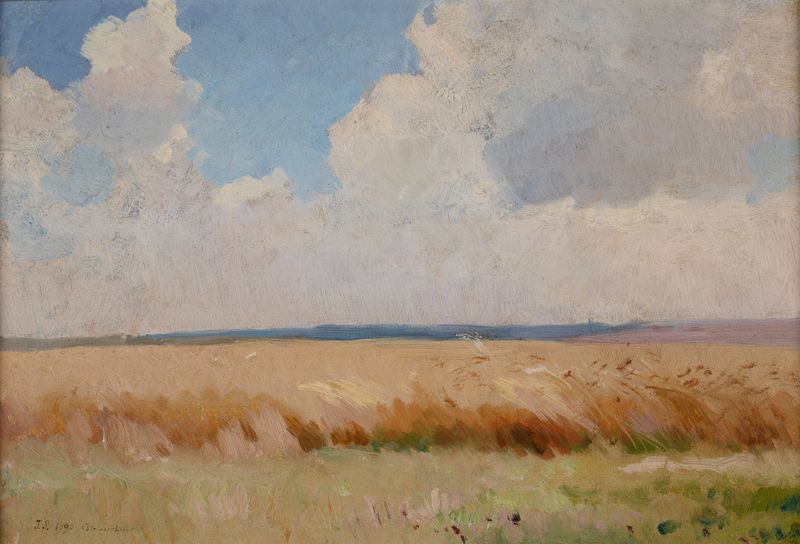
Field at Białocerkiew (Bila Tserkva)
Jan Stanisławski
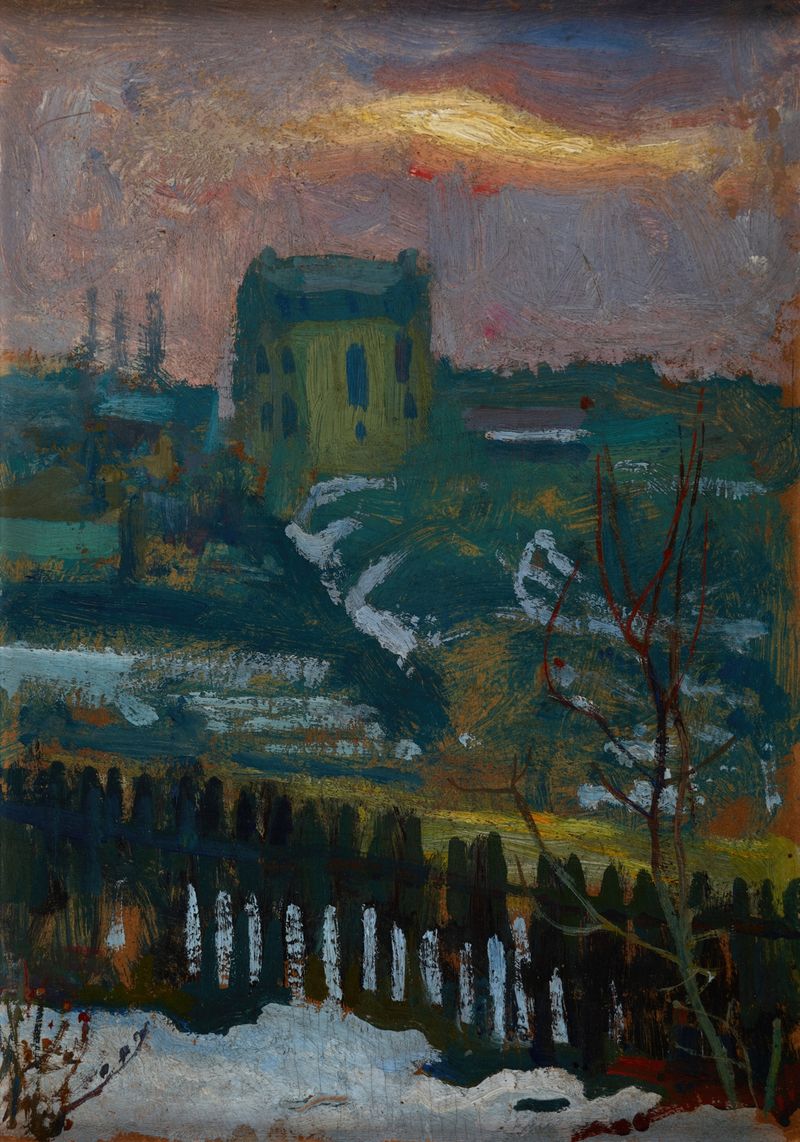
House in Winter
Jan Stanisławski
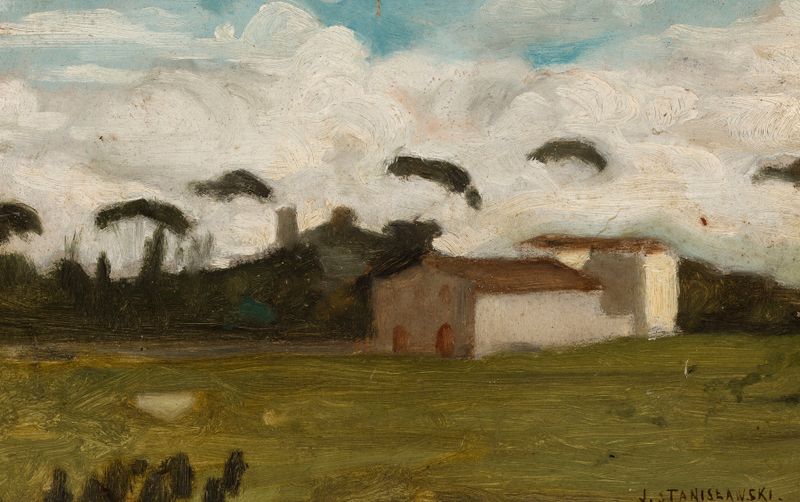
Landscape
Jan Stanisławski
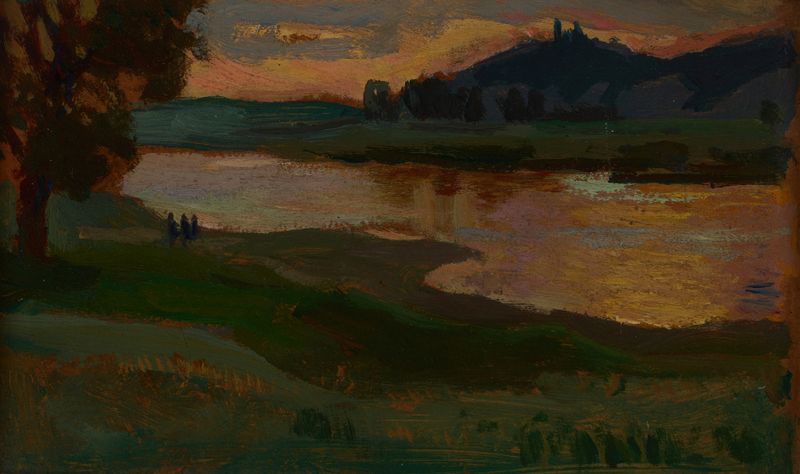
Bielany at Dusk
Jan Stanisławski
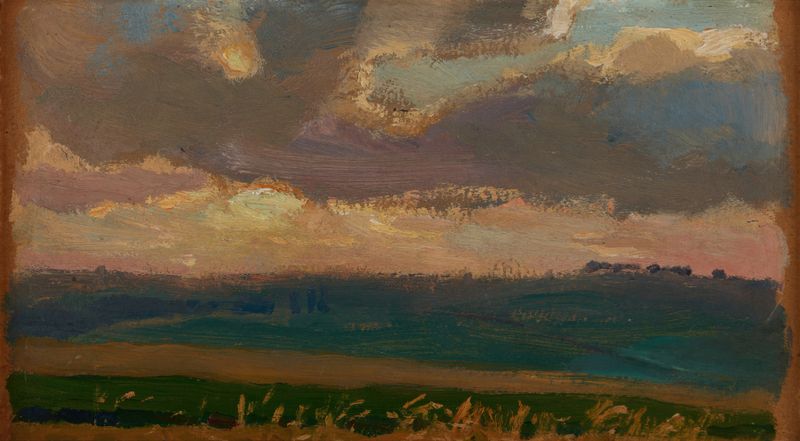
Fields at Proszowice
Jan Stanisławski