
Rhythm of Light Waves; Street + Sun + Crowd — History & Facts
Few works so vividly capture the spirit of early twentieth-century European modernism as Rhythm of Light Waves; Street + Sun + Crowd by Jules Schmalzigaug. The painting’s title alone has sparked debate among art historians, who note that it may be the artist’s own attempt to translate the kinetic energy of the street into visual form. While the exact date and medium remain uncertain, the work is widely associated with the period when Schmalzigaug was most deeply engaged with the Futurist movement, following his pivotal encounters with Italian avant-garde circles in the years before World War I. In this composition, the viewer is thrust into the heart of a bustling city street, where sunlight fractures and ricochets across the crowd.
Figures dissolve into rhythmic arcs and swirling lines, their forms barely distinguishable amid the vibrant pulses of color and motion. The street is not a fixed place but a torrent of movement: hats, limbs, and shadows merge into a single current, suggesting the relentless pace of urban life. The sun, rendered as a radiant burst, seems to orchestrate this dance, casting the crowd into a state of perpetual flux.
Unlike the more mechanical dynamism of Umberto Boccioni’s The Street Enters the House, Schmalzigaug’s vision is softer, more lyrical, emphasizing the play of light as much as the momentum of bodies. The physical history of Rhythm of Light Waves; Street + Sun + Crowd is as elusive as its forms. No definitive record exists of its first exhibition or sale, and its current location is not firmly established in public collections, though it is sometimes cited in catalogues of Belgian modernist art. This uncertainty mirrors the fate of many works by Schmalzigaug, who died young and whose career was cut short by the First World War.
Yet the painting’s energetic abstraction and urban subject mark it as a key example of his mature style, reflecting both his admiration for the Futurists and his own, more introspective approach. Today, the work stands as a testament to a brief but brilliant moment in European art, when the rhythms of the city and the pulse of modernity became the very subject of painting.
More Artworks by Jules Schmalzigaug

A View of Scheveningen
Jules Schmalzigaug
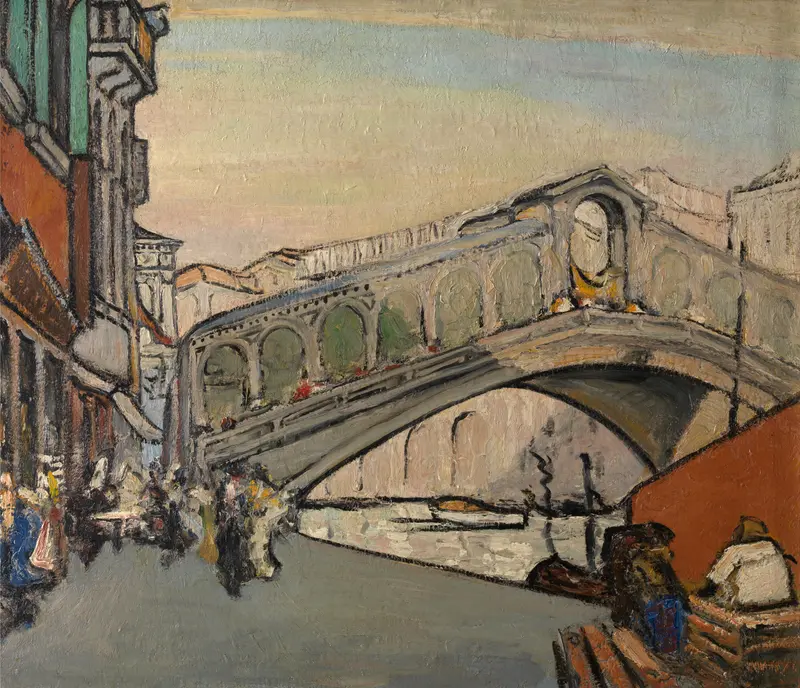
The Rialto Bridge in Venice
Jules Schmalzigaug

Abstract Bouquet
Jules Schmalzigaug
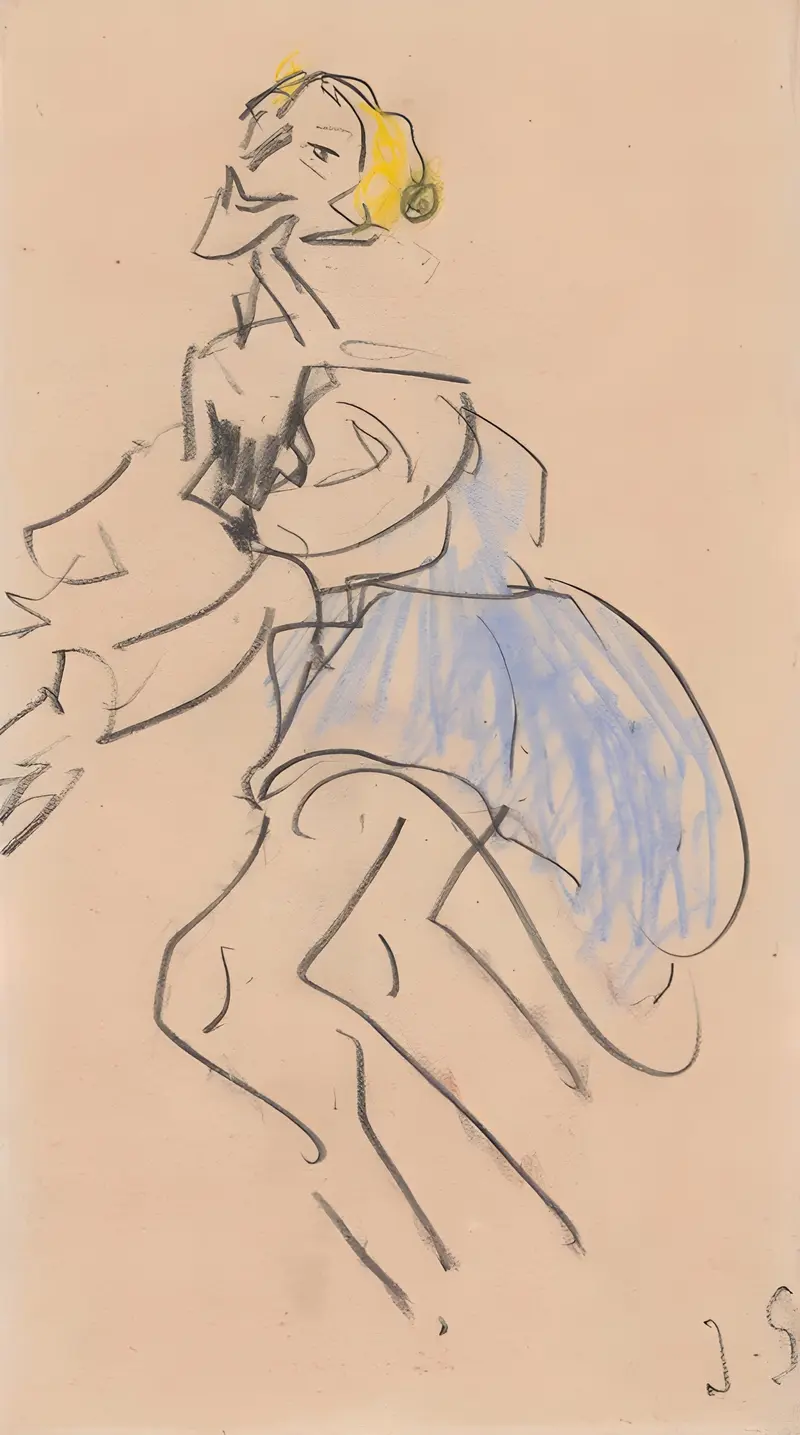
Dancer
Jules Schmalzigaug
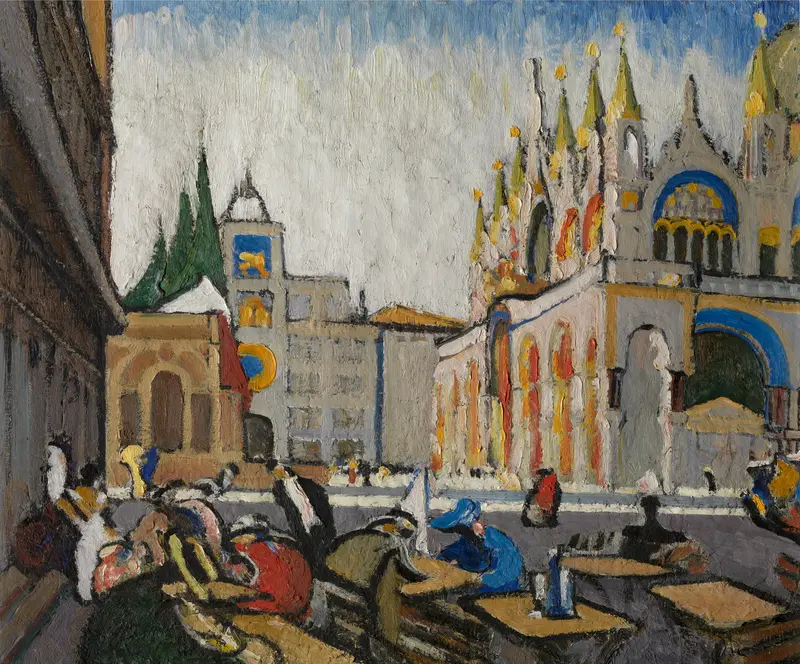
San Marco from the Piazetta
Jules Schmalzigaug
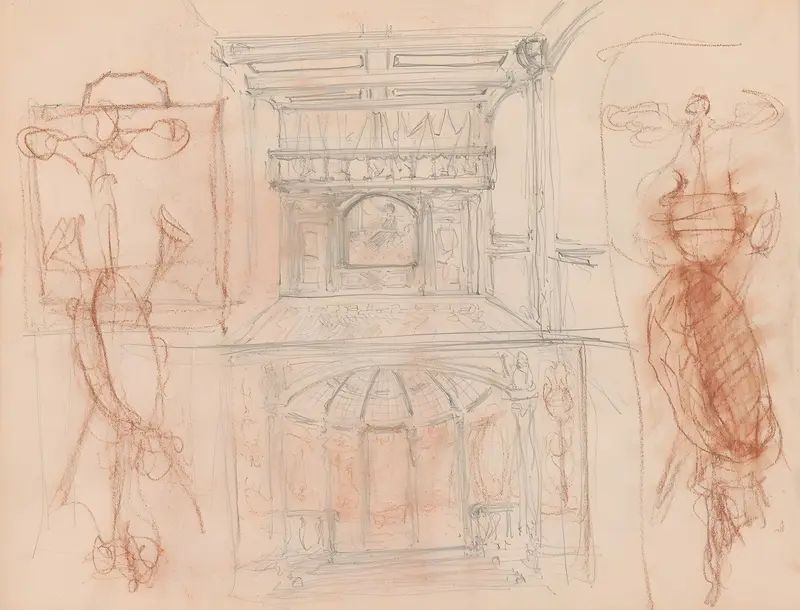
Architectural Elements
Jules Schmalzigaug
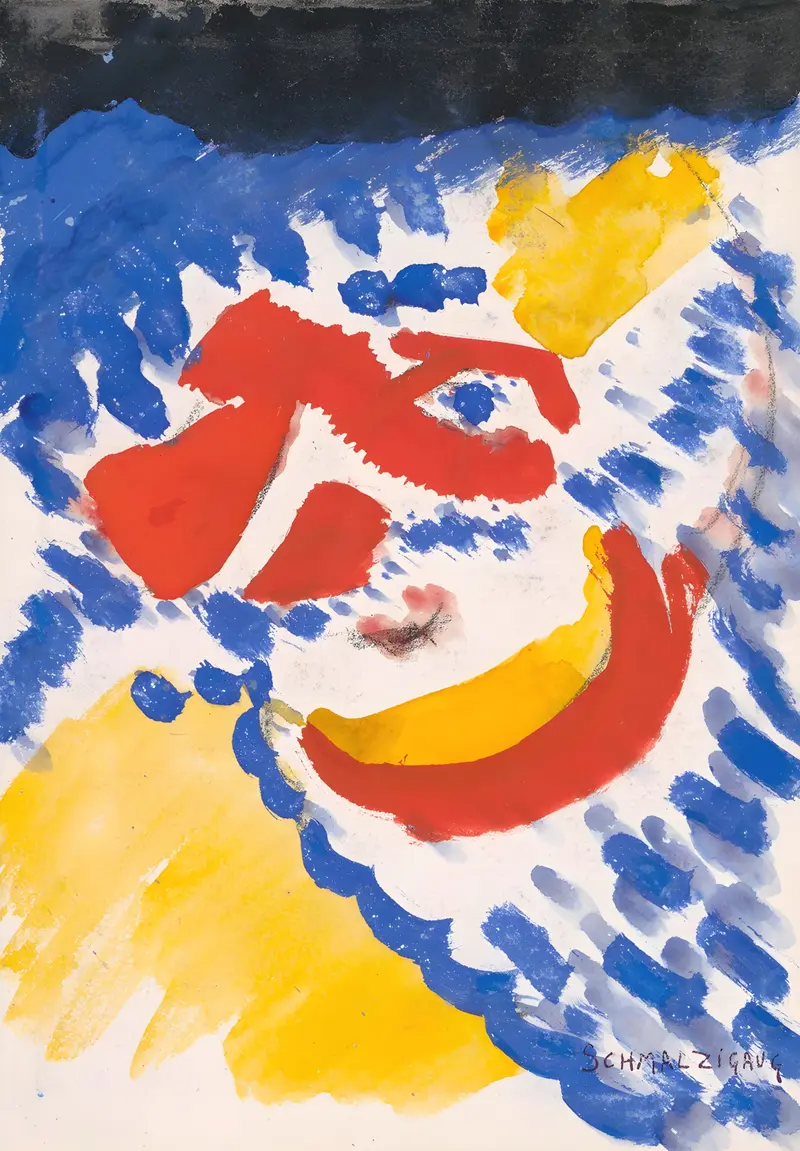
Blue, Red and Yellow Figures
Jules Schmalzigaug
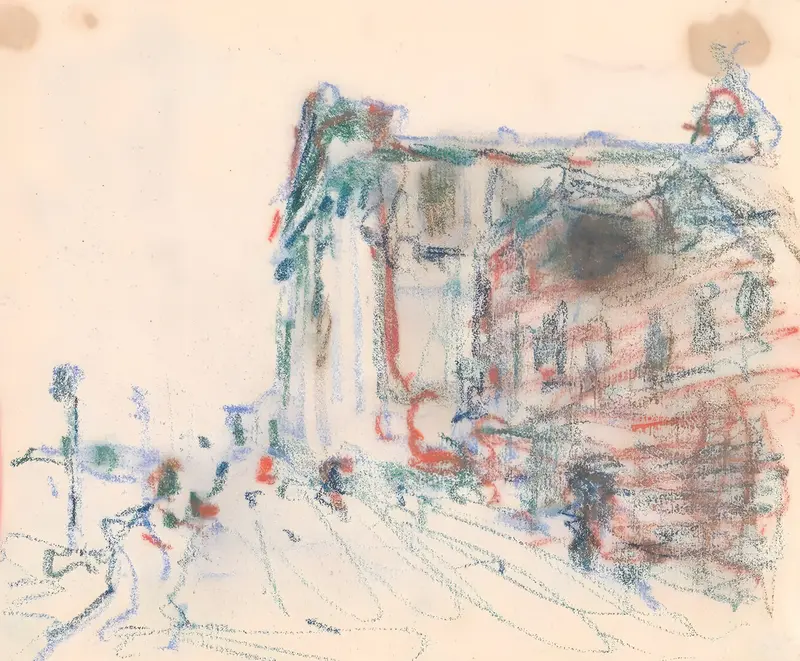
Chiesa dei Gesuati in Venice
Jules Schmalzigaug
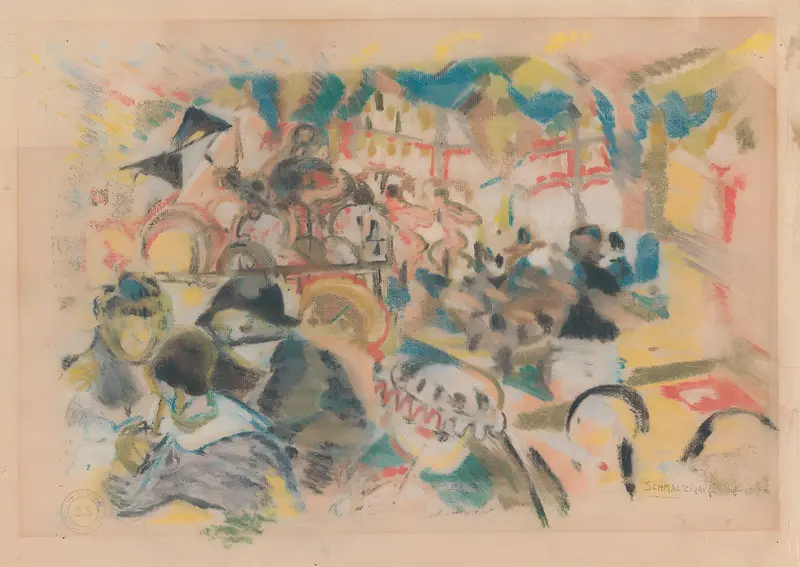
Café-chantant
Jules Schmalzigaug
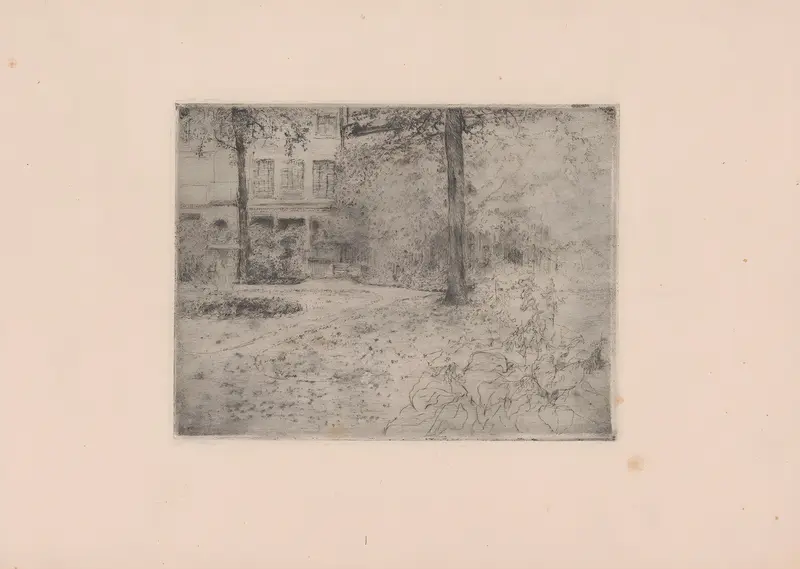
Backyard
Jules Schmalzigaug



