
Richmond Bridge — History & Facts
What if beauty was never meant to be finished? In the transient embrace of nature, the viewer is beckoned to consider the fleetingness of the moment captured in art. Look to the foreground, where the gentle ripple of the river dances beneath a soft, golden light. The bridge, with its arched silhouette, elegantly spans the water, drawing the eye upwards toward the delicate touches of sky. The earthy tones of ochre and green, punctuated by bursts of light, create a harmonious palette that invites contemplation.
Notice how the reflections shimmer on the surface, blurring the boundaries between the tangible and the ethereal, suggesting the endless cycle of life and nature. Within this serene composition lies a tension between permanence and change. The bridge symbolizes connection and transition, while the flowing water beneath reminds us of time’s relentless march. Small details, like the distant figures of wanderers and the whispering trees, emphasize the human experience within nature’s grand design, hinting at stories untold and destinies intertwined. David Cox painted this piece during an era when Romanticism began to influence the landscape genre, around the early 19th century.
Living in England, he was part of a burgeoning movement that celebrated the emotional resonance of nature. At this time, industrialization was reshaping the landscape, yet artists like him sought solace in the natural world, capturing its beauty and evoking a sense of nostalgia.
More Artworks by David Cox
Browse all →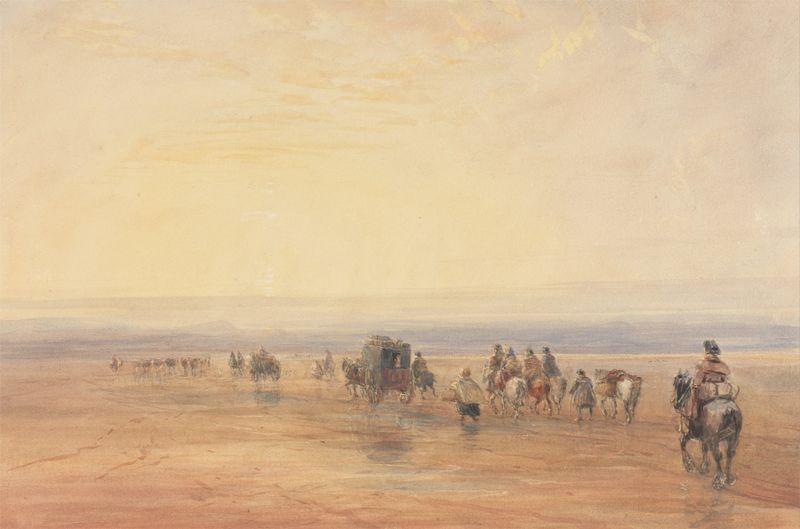
Crossing Lancaster Sands
David Cox
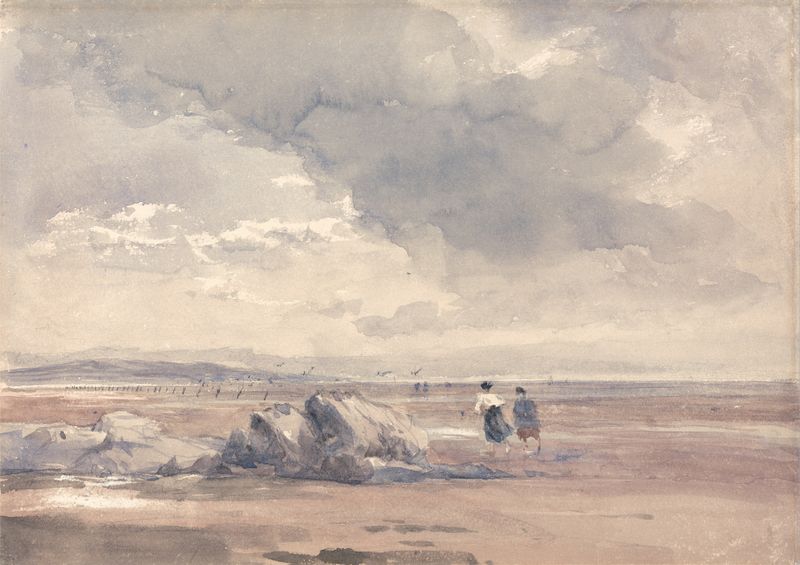
On Lancaster Sands, Low Tide
David Cox

Lincoln Cathedral from Brayford Pool
David Cox

View in Wales
David Cox
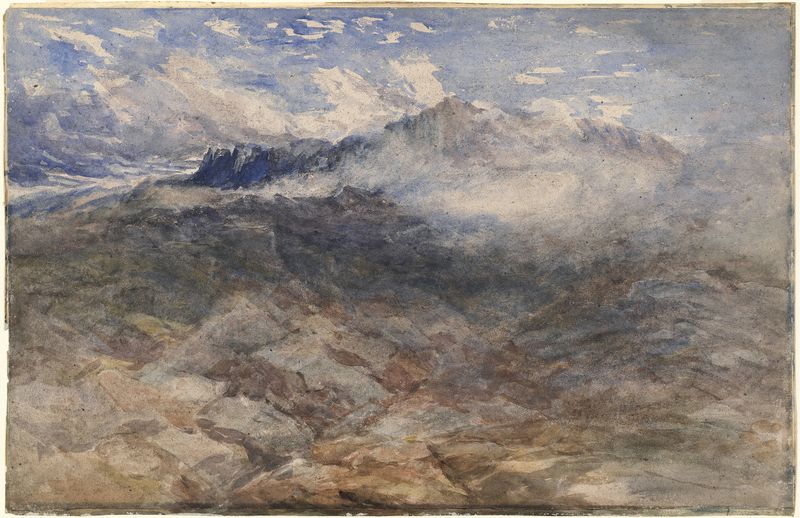
Mountain Heights, Cader Idris
David Cox

Bergen op Zoom
David Cox

Boating Before Lambeth Palace, London
David Cox
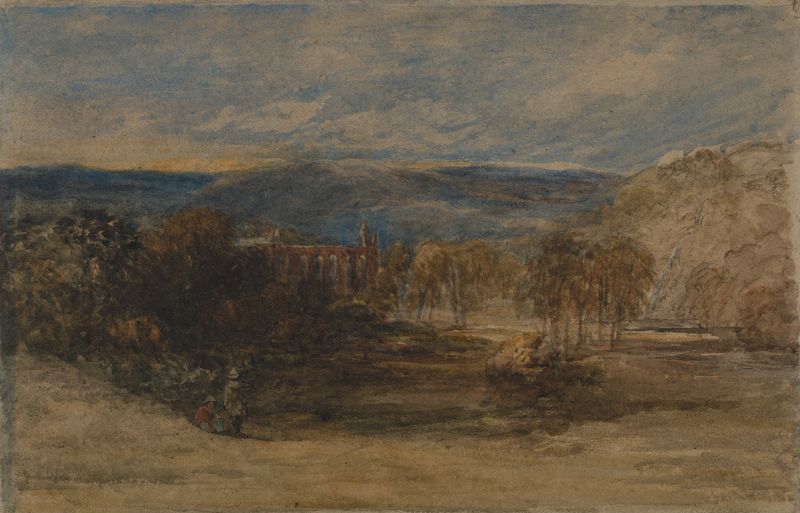
Bolton Abbey
David Cox

London Bridge
David Cox
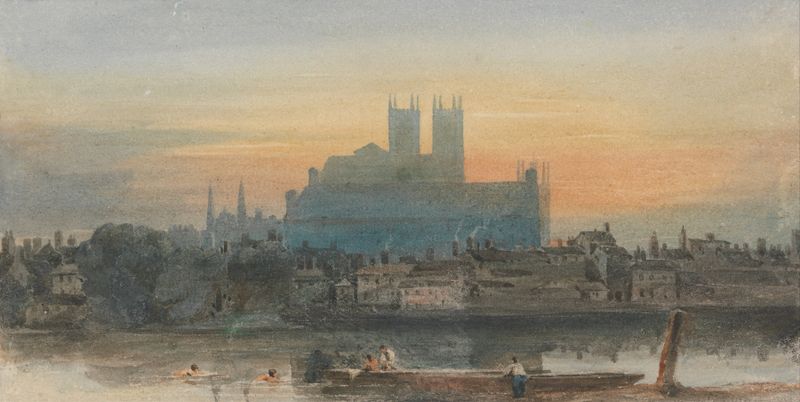
Westminster from Lambeth
David Cox





