Ridder en de Dood — History & Facts
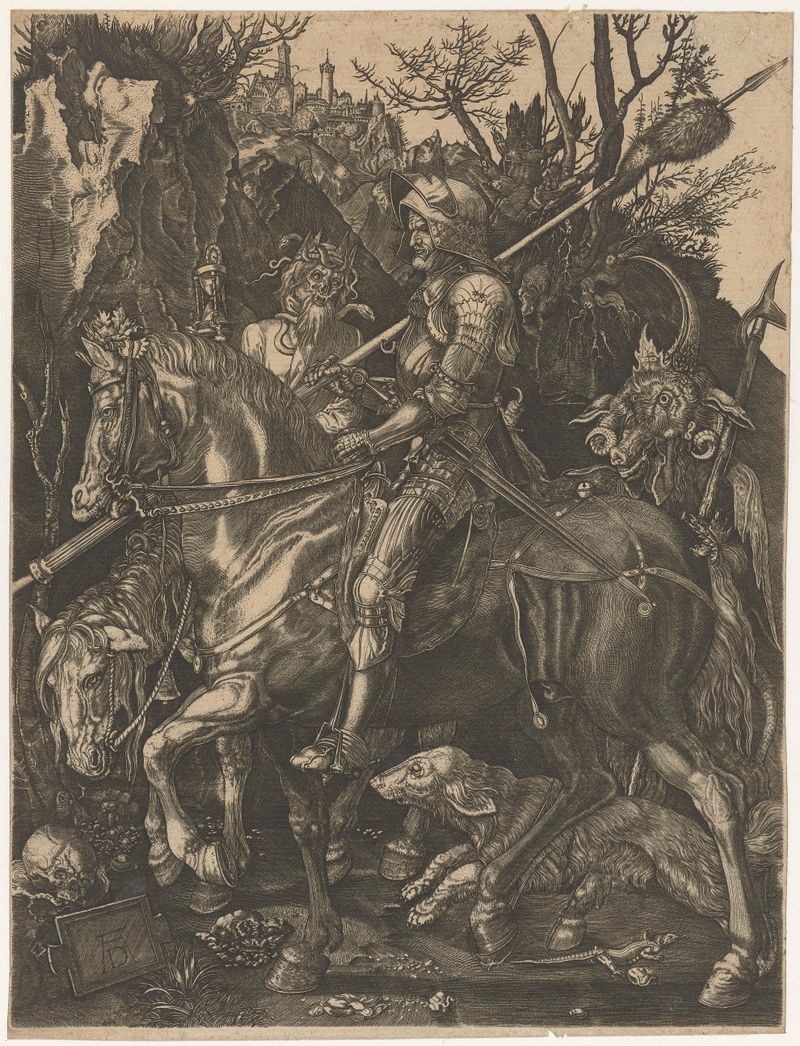
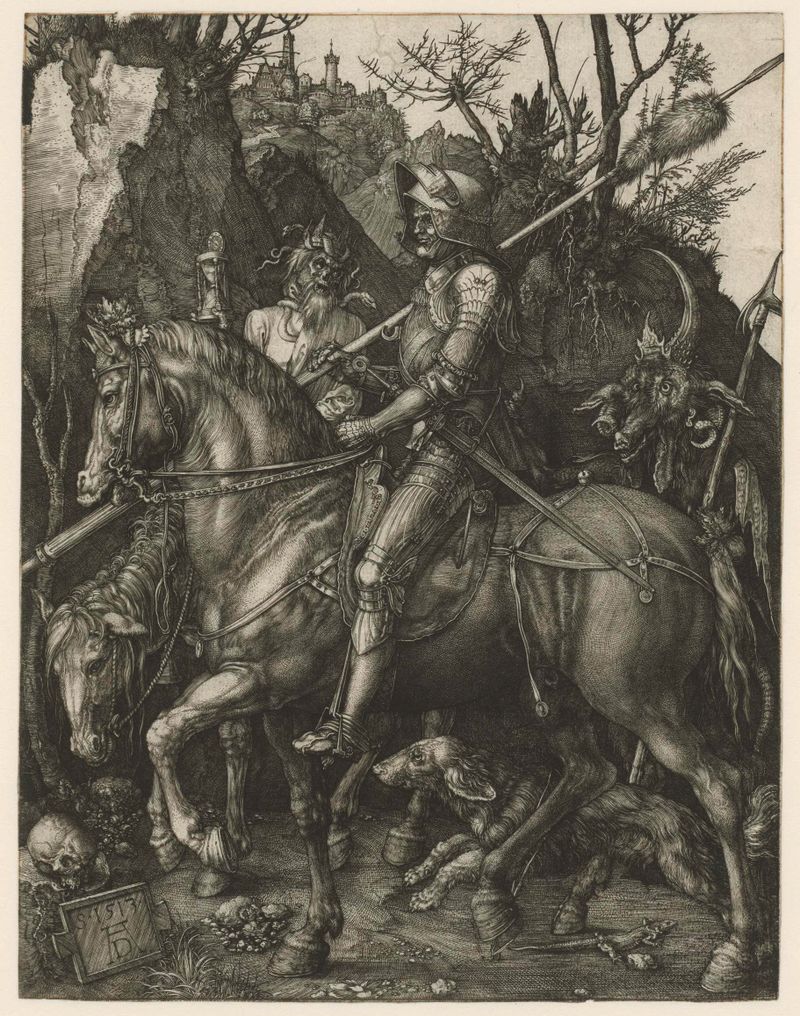
Can paint confess what words never could? In Ridder en de Dood, the silent confrontation between life and mortality unfolds on the canvas, inviting viewers into a world where awe and dread intertwine. Look to the left at the knight, clad in resplendent armor, his body turned but his gaze fixed on the skeletal figure of Death, a haunting presence on horseback to the right. The contrast between the vigorous colors of the knight’s attire and the pallid, spectral hues of Death casts a stark visual tension. The meticulous details, from the knight's shining armor to the delicate texture of the skeletal steed, showcase Holbein's masterful technique and his ability to capture the essence of contrasting forces. The artwork delicately balances themes of honor and inevitability.
The knight wears a look of determination, yet there is an underlying tension in his posture, as if he stands on the precipice of an unavoidable fate. Death, with a scythe held firmly, embodies the inescapable truth of existence. This duality prompts a contemplation of the human condition, where valor meets vulnerability, and courage grapples with the relentless approach of mortality. Holbein created this piece in 1538 during a time of significant socio-political upheaval in Europe.
Living in Basel, he was navigating the changes brought by the Reformation, while also busy honing his skills as a portraitist. The painting reflects the era's fascination with mortality and the afterlife, a theme that resonated deeply in a world marked by religious discord and uncertainty.
More Artworks by Hans Holbein (II)
Browse all →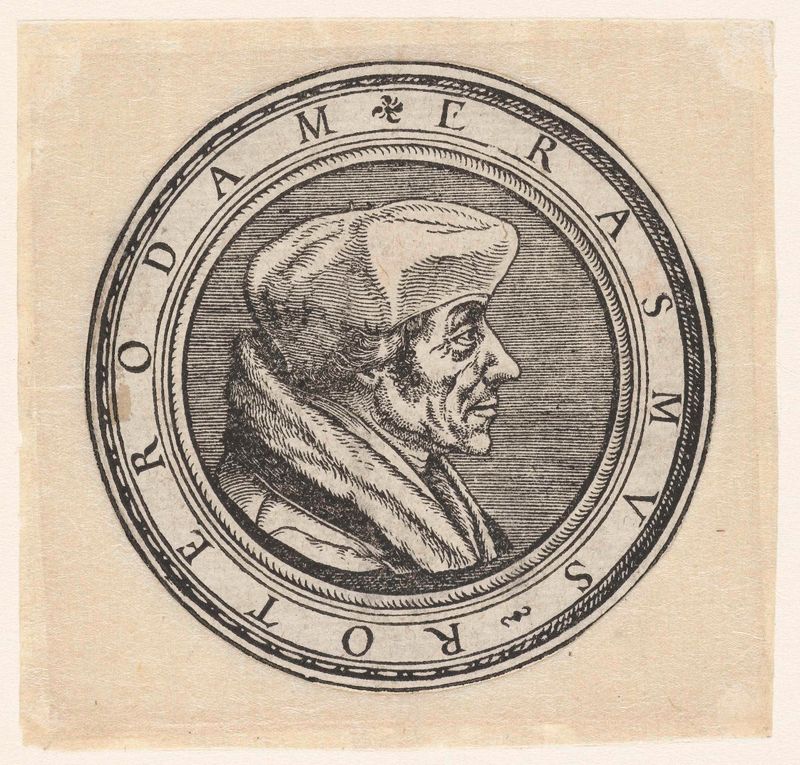
Portret van Erasmus
Hans Holbein (II)
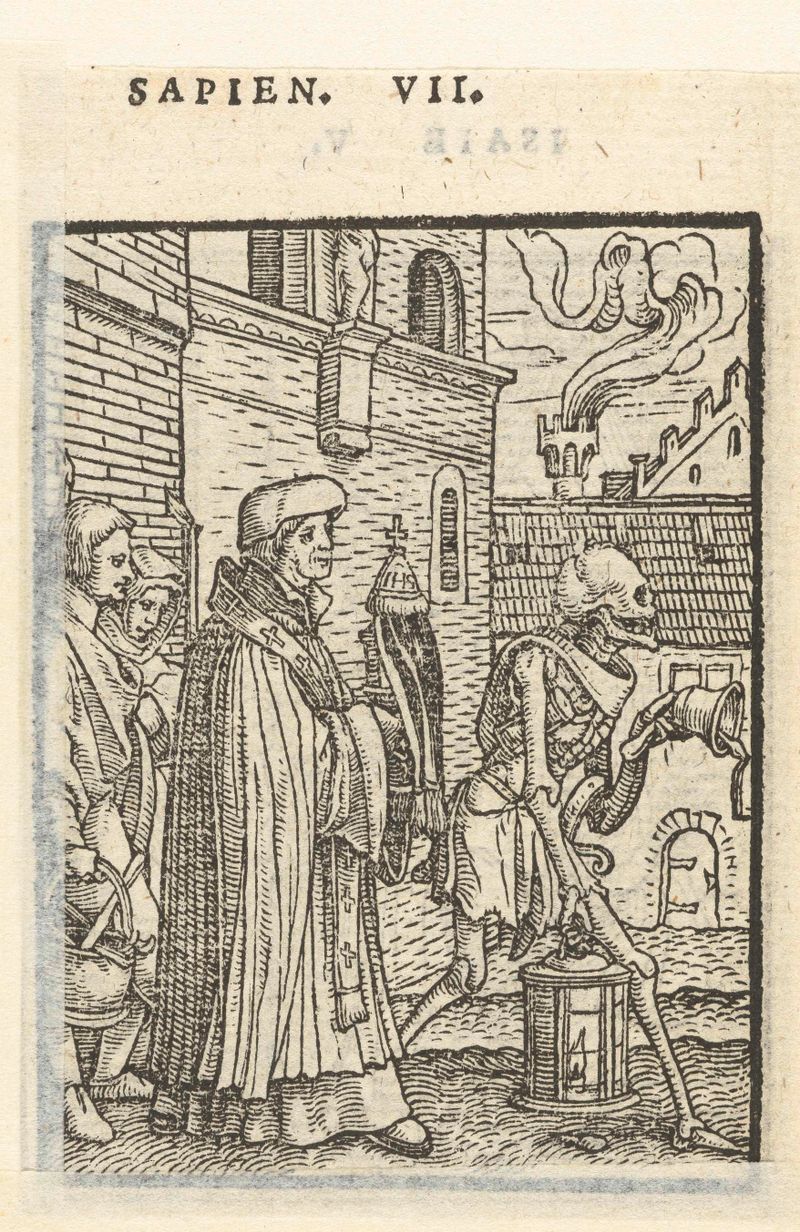
Priester en de Dood
Hans Holbein (II)
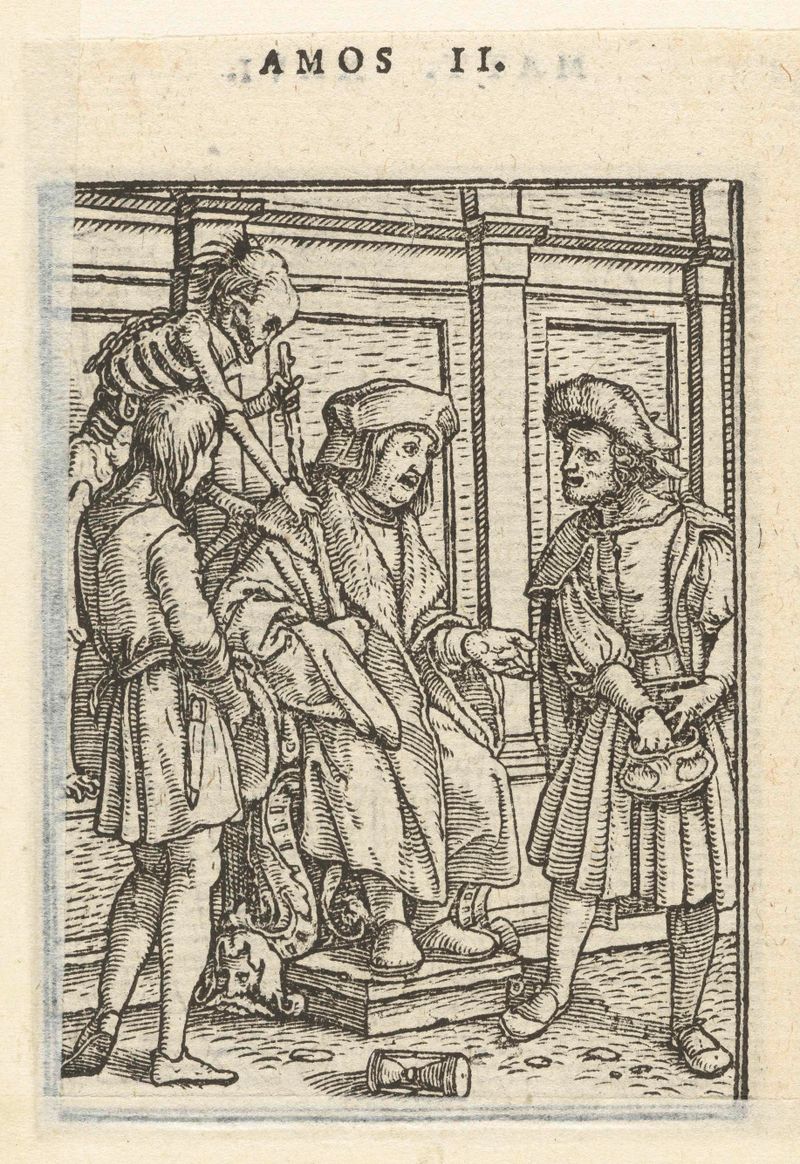
Rechter en de Dood
Hans Holbein (II)
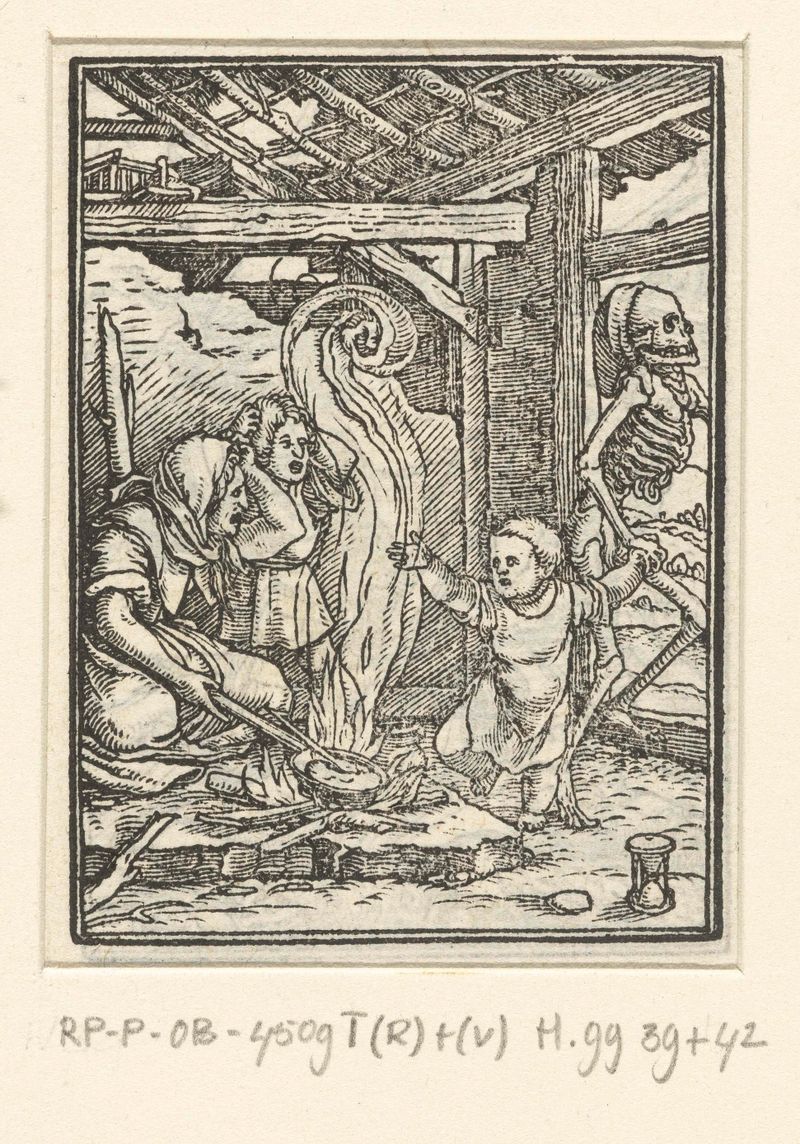
Kind en de Dood
Hans Holbein (II)
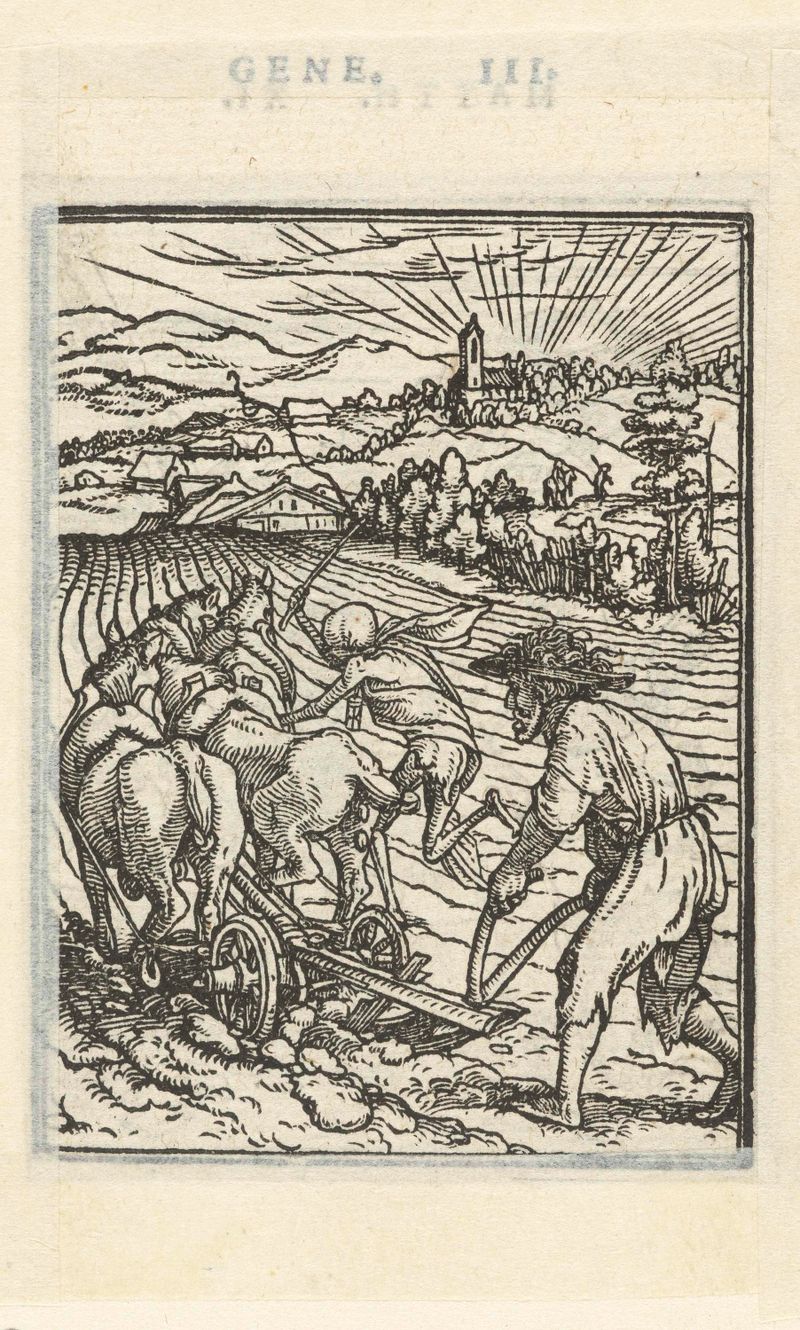
Boer en de Dood
Hans Holbein (II)
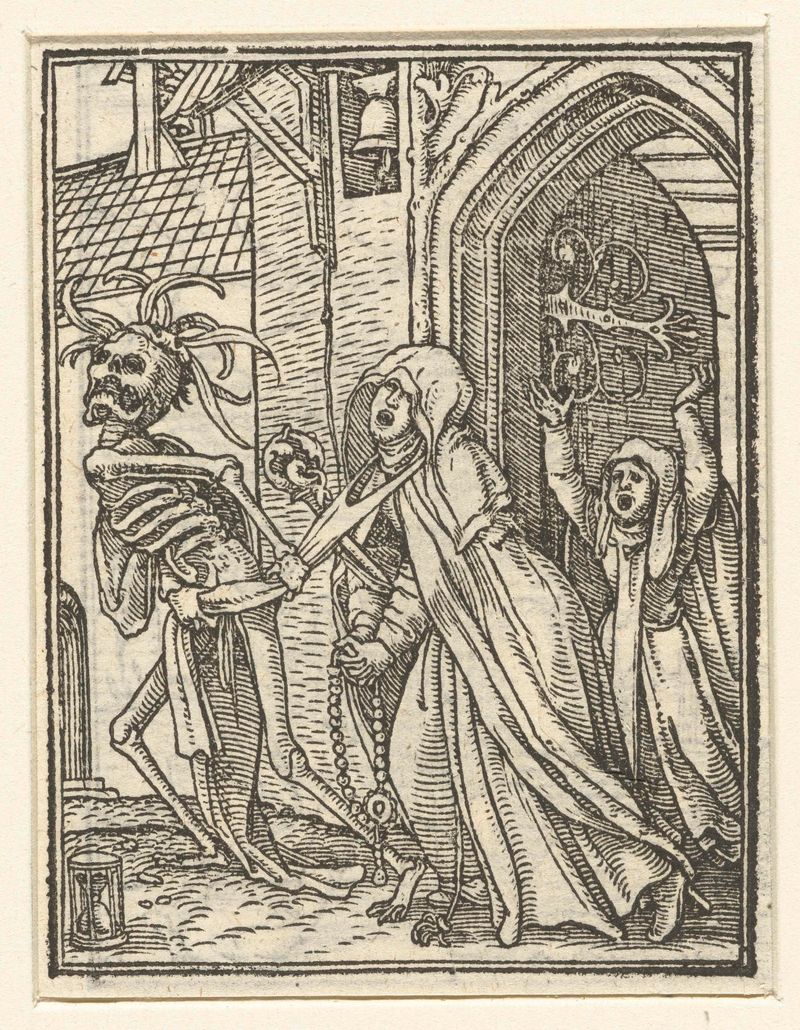
Abdis en de Dood
Hans Holbein (II)
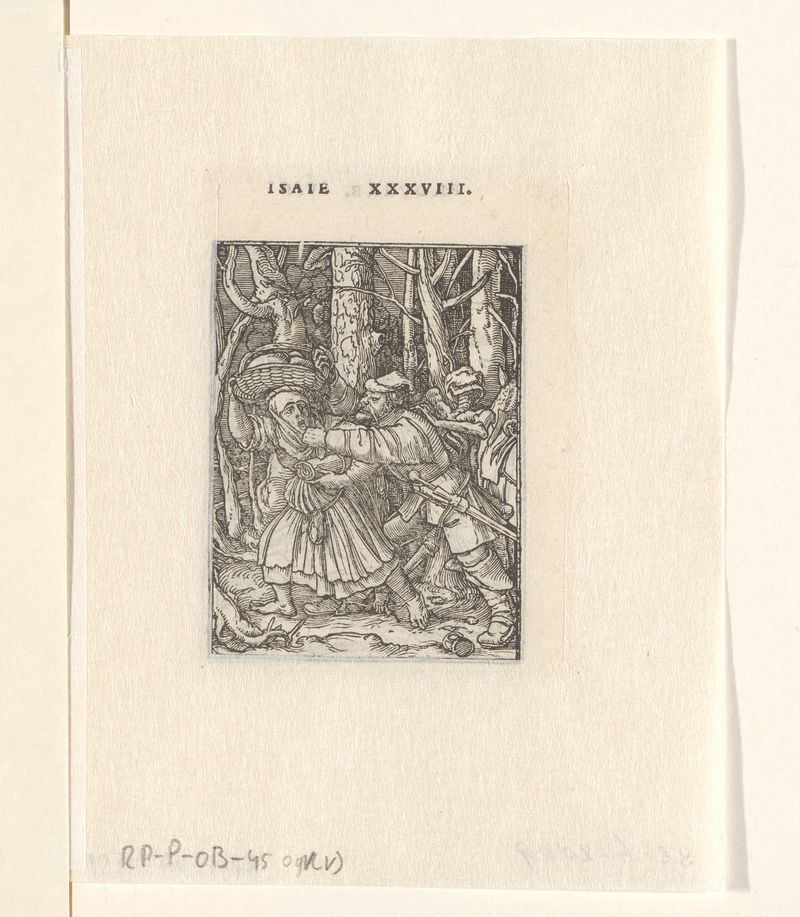
Dief en de Dood
Hans Holbein (II)
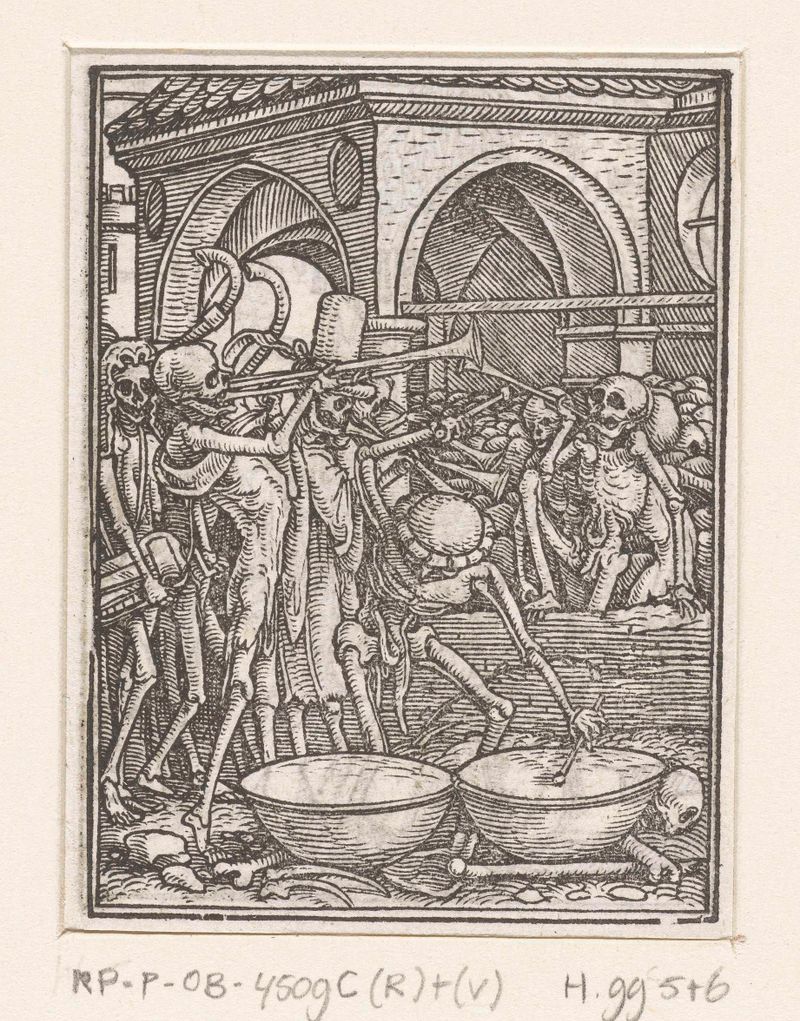
Skeletons Making Music from Dance of the Dead
Hans Holbein (II)
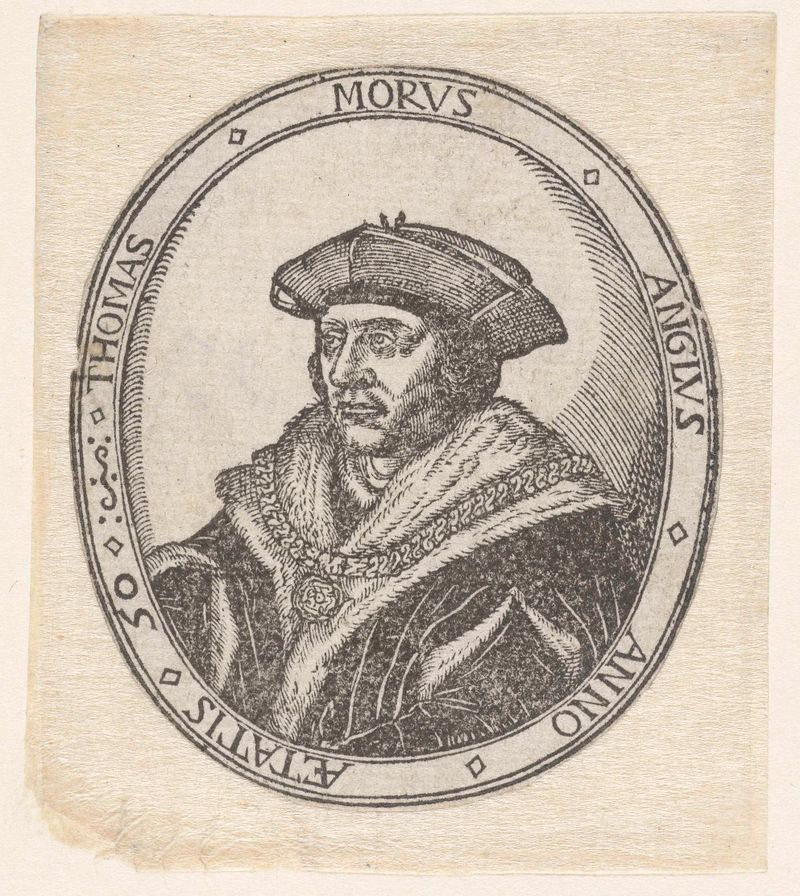
Portret van Thomas More
Hans Holbein (II)
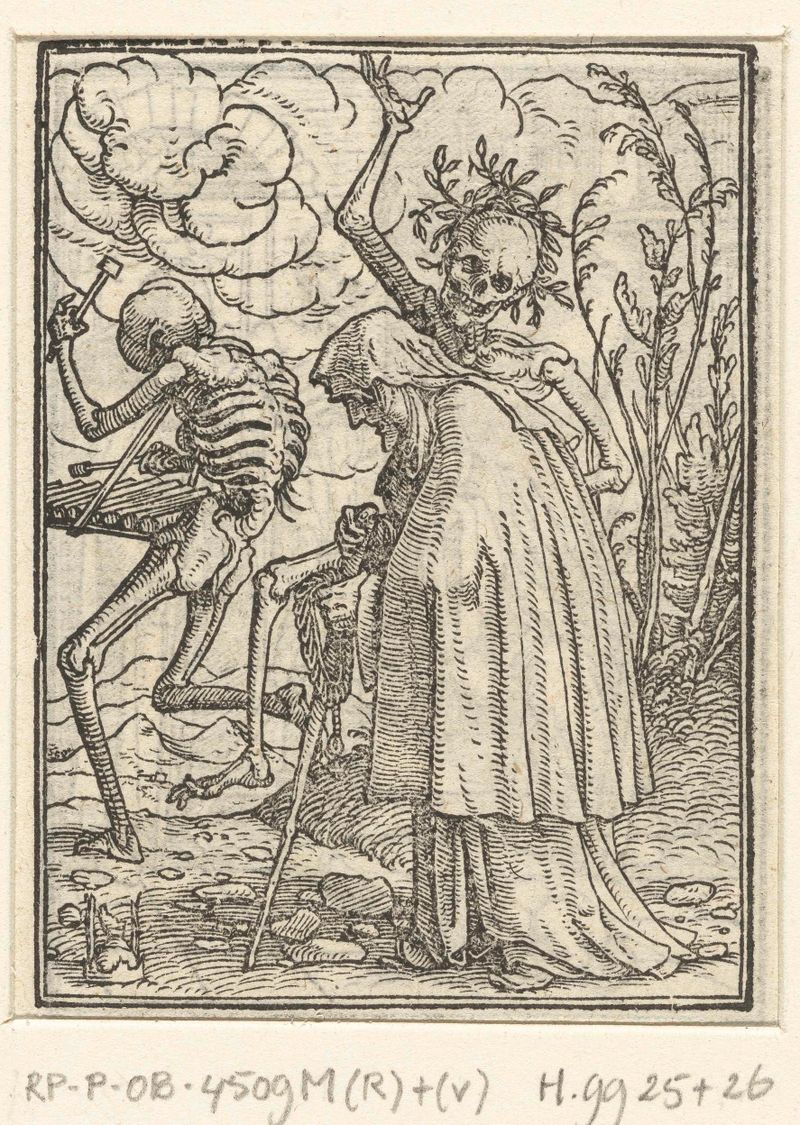
Oude vrouw en de Dood
Hans Holbein (II)