
Ritratto di patrizio veneziano — History & Facts
No one knows the identity of the Venetian patrician immortalized in Ritratto di patrizio veneziano, and this mystery has become the painting’s lasting fascination. Over centuries, scholars have proposed names from the city’s great families, but no document or inscription has confirmed the sitter. The uncertainty has not diminished the work’s reputation; instead, it has fueled debate about the circles in which Tintoretto moved and the kinds of men who sat for him.
In the absence of a name, the portrait stands as a symbol of Venice’s patrician class at the height of its power. The sitter meets the viewer’s gaze directly, his expression grave yet alert, as if caught in a moment of private calculation. Tintoretto’s brushwork is lively and quick, especially in the rendering of the black robe and white collar, which signal the sitter’s status and sobriety. The hand, resting on a ledge, displays a gold ring—an emblem of office or family pride—while the background dissolves into a shadowy, ambiguous space, focusing all attention on the face.
Unlike the cool reserve of Titian’s Venetian portraits, here the psychological tension is palpable, hinting at the pressures and ambitions of public life in the Republic. The painting’s early history is obscure, as is often the case with private portraits from Renaissance Venice. It likely remained in a family collection for generations, its subject’s name lost as memories faded and lineages shifted. Attributions to Tintoretto have been debated, but the energetic handling and psychological intensity are now widely accepted as his.
Today, Ritratto di patrizio veneziano is recognized as a fine example of the artist’s portraiture, capturing not just a man, but an entire social order on the eve of change.
More Artworks by Tintoretto
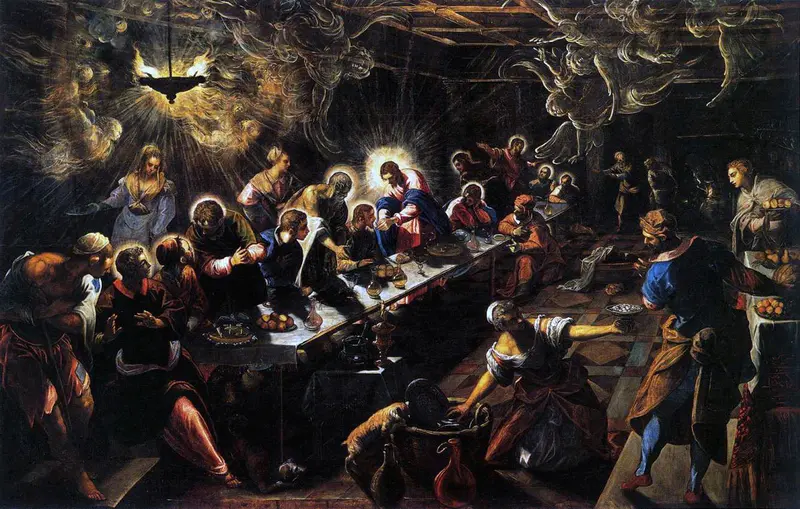
The Last Supper
Tintoretto
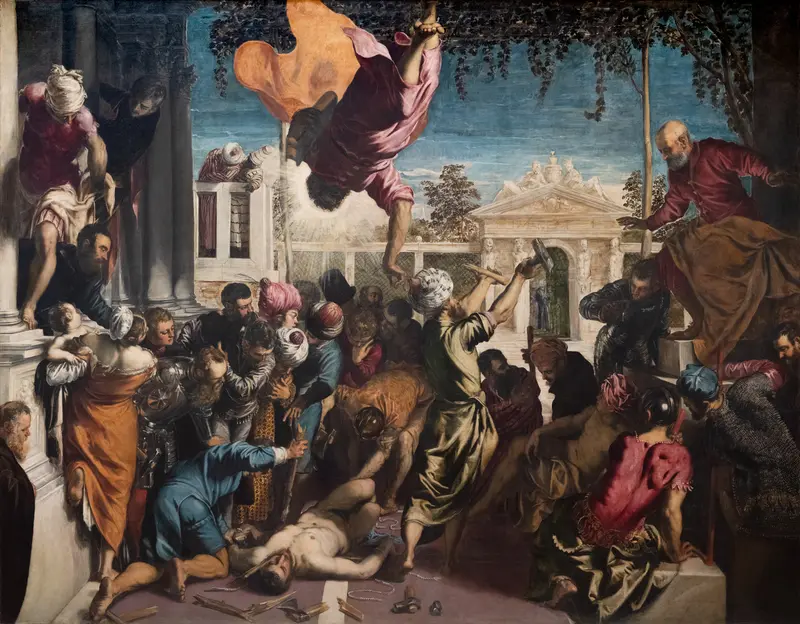
The Miracle of the Slave
Tintoretto
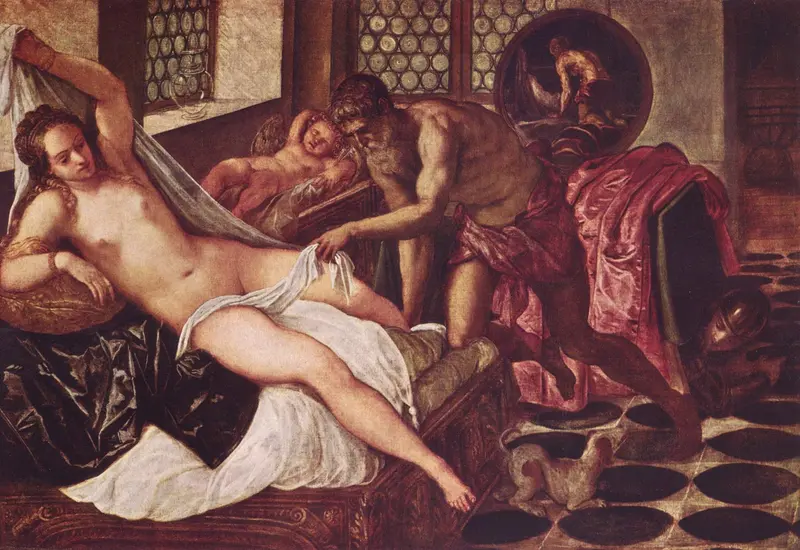
Venus and Mars Surprised by Vulcan
Tintoretto

Adoration of the Shepherds
Tintoretto
Adoration of the Magi
Tintoretto
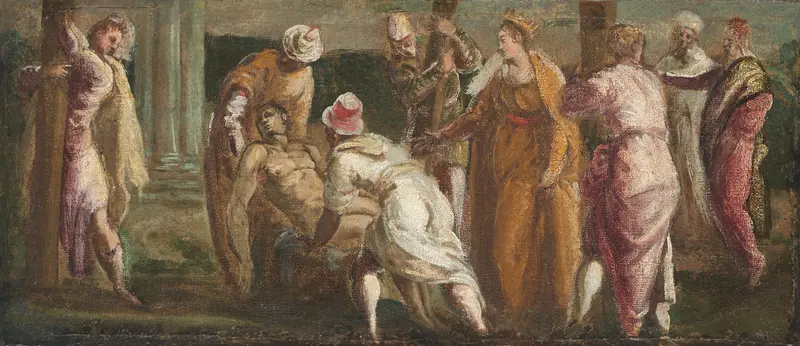
Saint Helen Testing the True Cross
Tintoretto
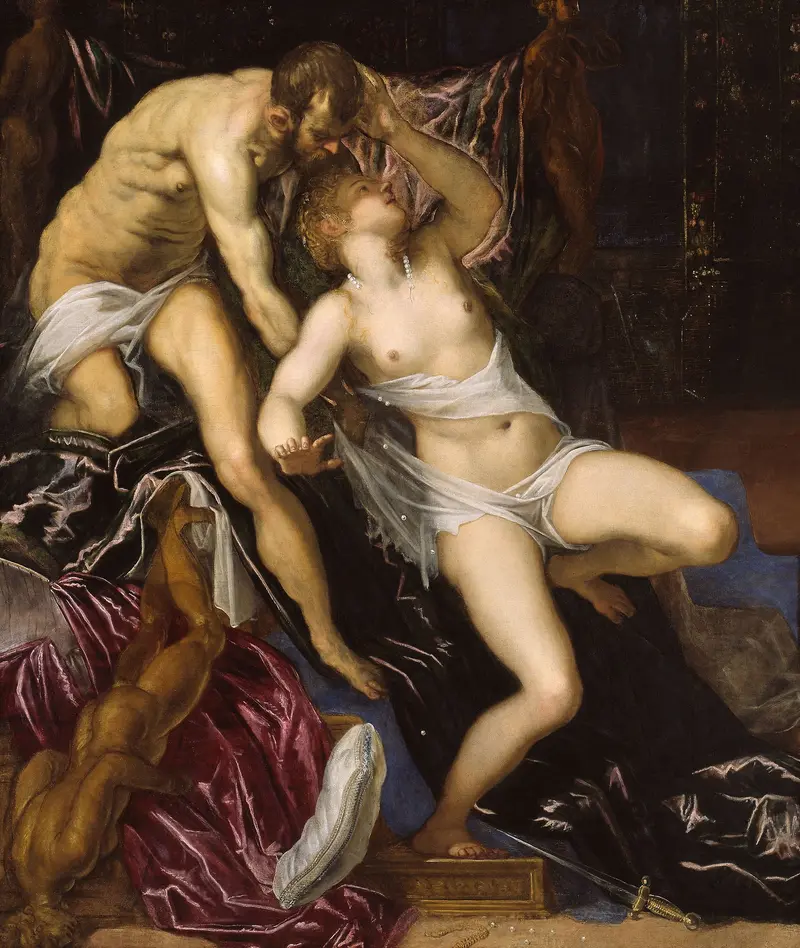
Tarquin and Lucretia
Tintoretto
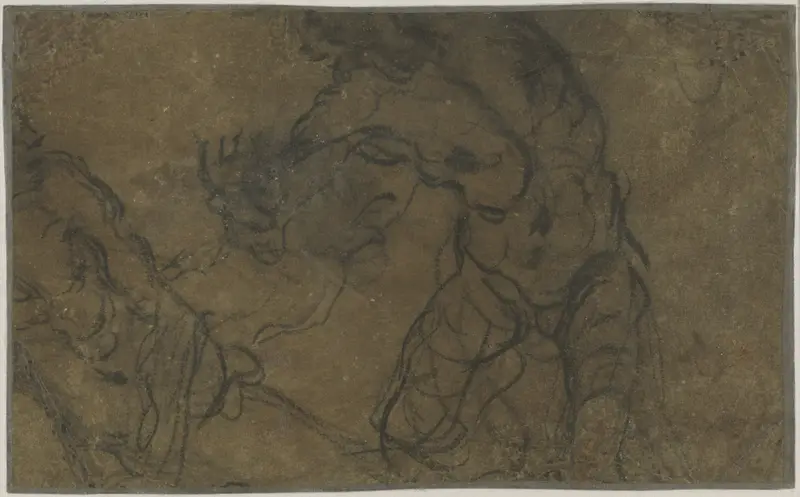
Two Male Figures in Motion (verso)
Tintoretto
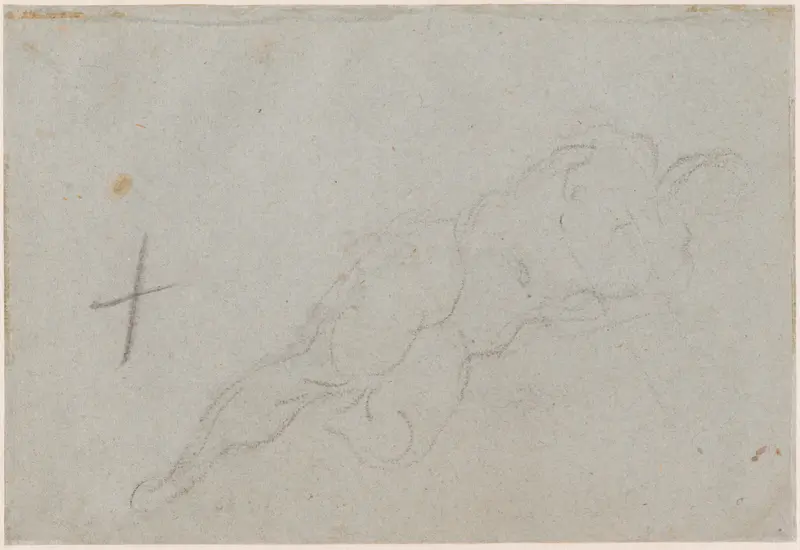
A Female Nude [verso]
Tintoretto
Veduta Kopra
Tintoretto





