
River Boat — History & Facts
When did color learn to lie? The vibrant hues of dawn speak a truth that resonates deeply, awakening the senses to a world brimming with possibility. Look to the foreground, where a weathered boat gently drifts on the rippling surface of the river. Notice how the light falls upon the water, casting shimmering reflections that dance across the canvas. The brushstrokes are fluid and expressive, capturing the interplay between the vessel and its surroundings, while the artist's rich palette—filled with soft greens, warm ochres, and deep blues—invites the viewer to lose themselves in this tranquil moment. As you delve deeper into the scene, observe the subtle contrasts that emerge: the stillness of the water juxtaposed with the lively strokes of the foliage on the riverbank.
The boat, though stationary, suggests the promise of movement and adventure, embodying the idea of exploration. This tension between calm and excitement evokes an emotional resonance, as if the viewer is standing on the cusp of a new journey, reflecting on the path ahead. In the early 1860s, Daubigny painted this piece while immersed in the vibrant art scene of France, embracing the natural landscapes surrounding him. During this period, he was pioneering the plein air movement, capturing the transient beauty of nature directly from life.
This work exemplifies his dedication to portraying the essence of the world around him, as he sought to awaken a deeper connection between viewers and the landscapes they inhabit.
More Artworks by Charles François Daubigny
Browse all →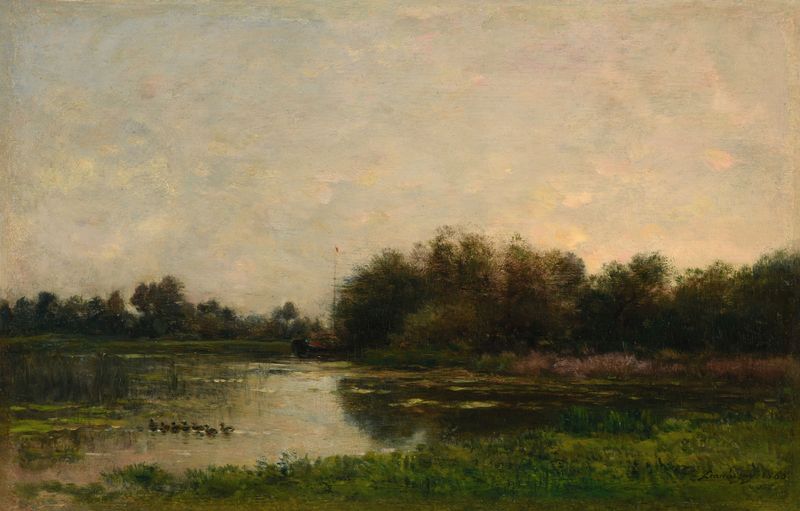
Bords de l’Oise
Charles François Daubigny
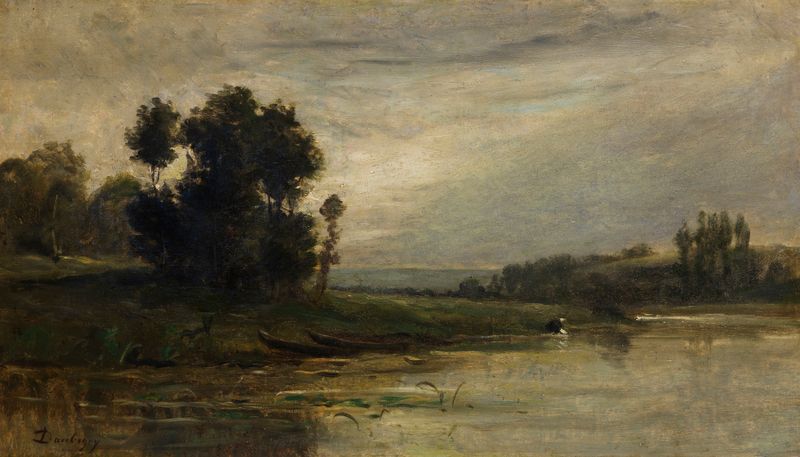
Bords de l’Oise
Charles François Daubigny
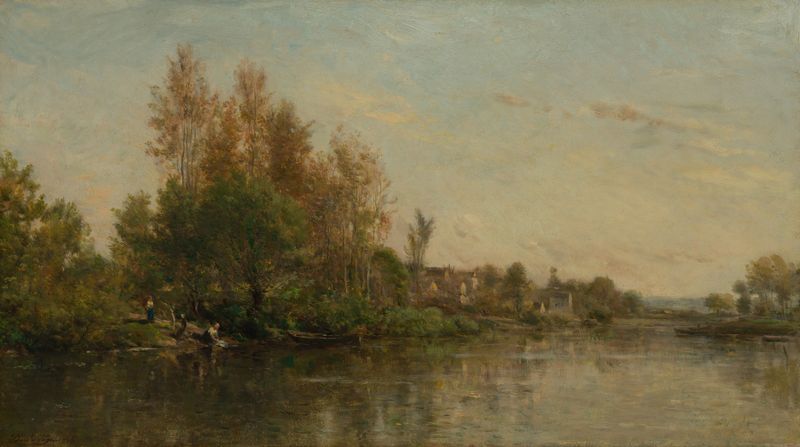
The Banks of the Oise
Charles François Daubigny
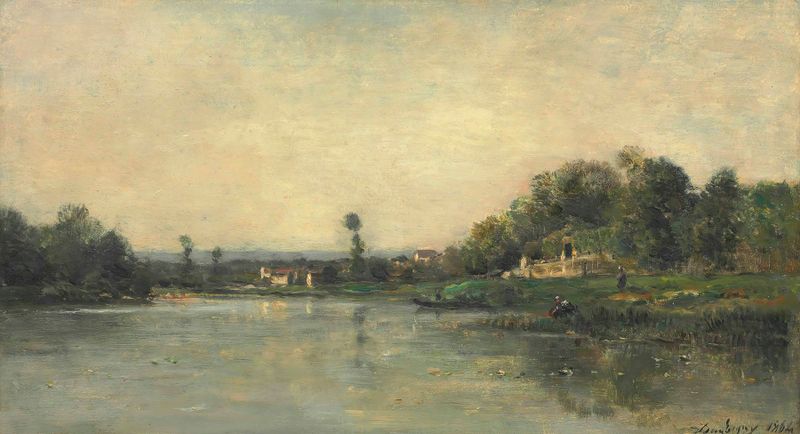
Les Bords De L’oise
Charles François Daubigny
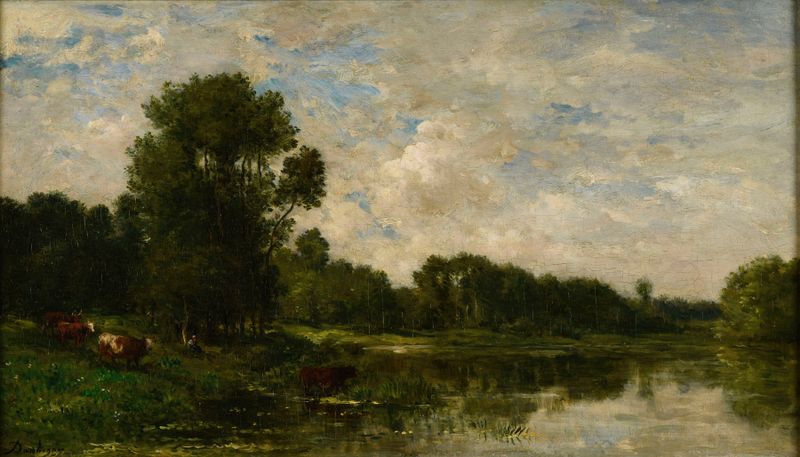
Bords de l’Oise
Charles François Daubigny
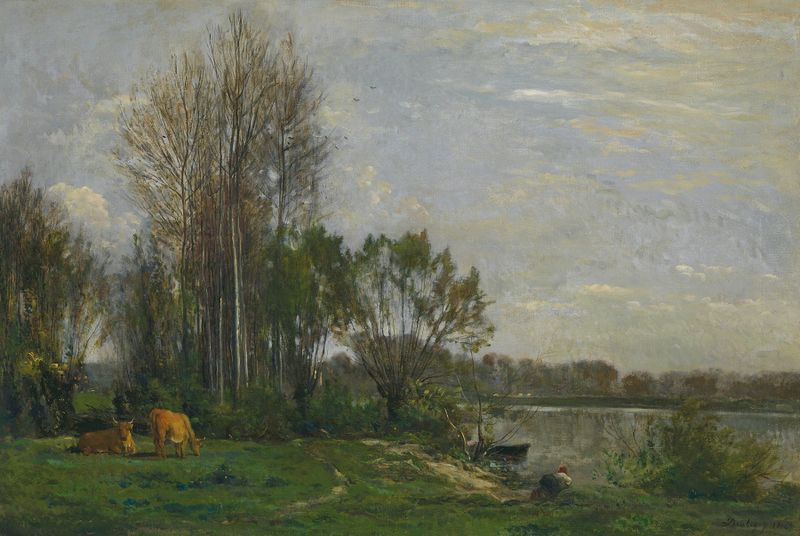
Les Bord De L’oise
Charles François Daubigny
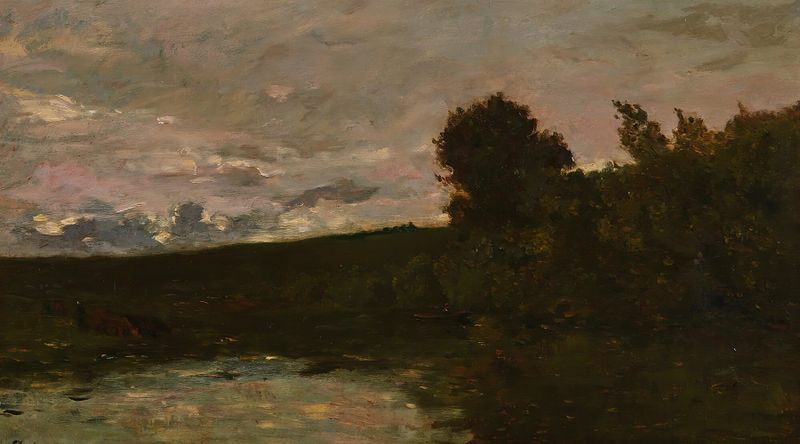
Bord De Riviére
Charles François Daubigny
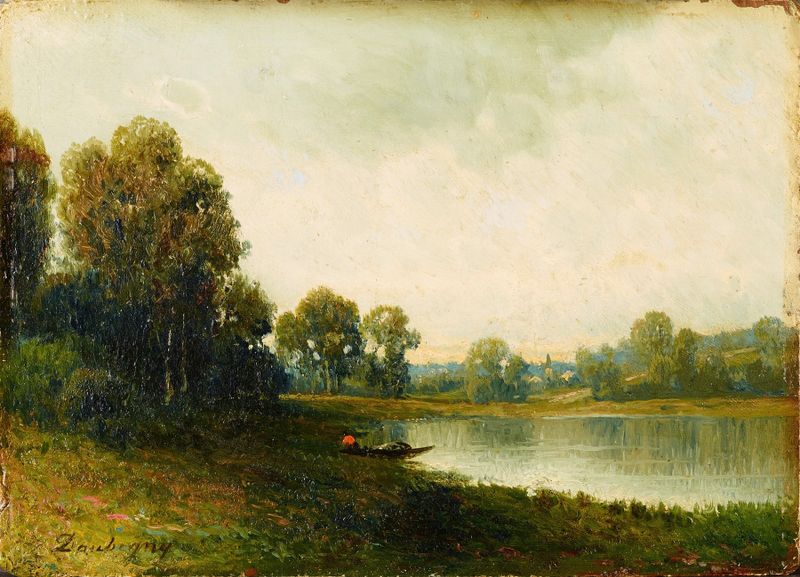
Landscape
Charles François Daubigny
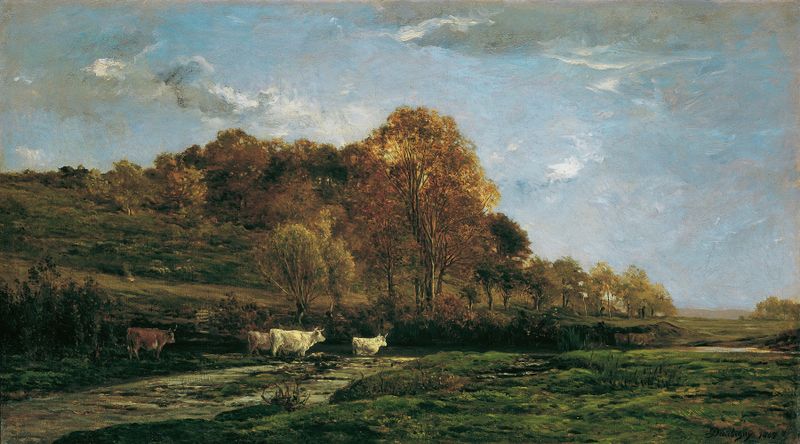
Herbstliche Aulandschaft Abendstimmung
Charles François Daubigny
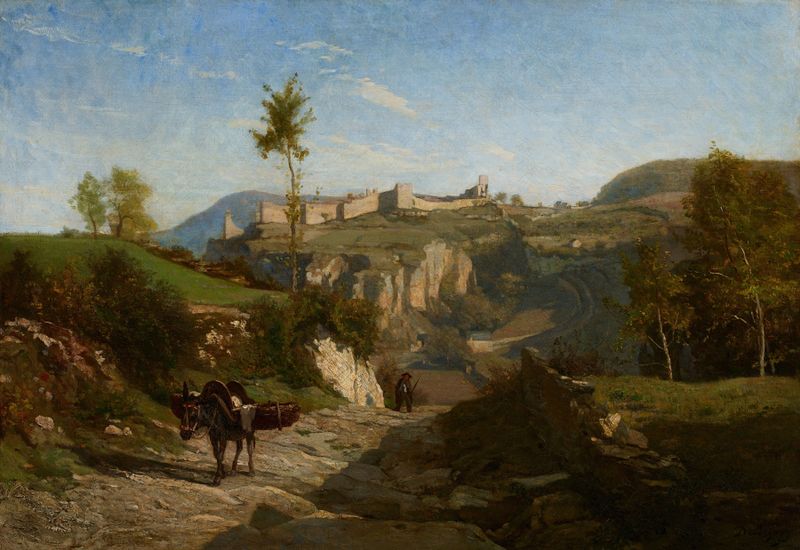
Landscape near Crémieu
Charles François Daubigny





