
River Landscape in Wales — History & Facts
The tranquil serenity of a landscape can often mask deeper emotional currents, revealing a tapestry of lost dreams and unspoken truths. Look to the center of the canvas, where the river flows gently, reflecting the soft hues of an overcast sky. Notice how the cool blues and greens blend seamlessly, creating a sense of calm, yet the dark undercurrents in the water hint at something more tumultuous beneath. The trees frame the scene, their robust forms anchoring the composition while also casting shadows that whisper stories of betrayal and longing. In the distance, the mountains loom quietly, their peaks shrouded in mist, suggesting an unreached potential or a journey unfulfilled.
The interplay of light and shadow throughout the painting invites contemplation on the dual nature of beauty—how it can simultaneously captivate and conceal, much like a trusted friend who betrays without warning. Each brushstroke encapsulates a moment of stillness, yet carries an underlying tension that echoes the fragility of trust. David Cox painted this piece in 1850 while residing in England, amidst a transformative period for landscape painting. The Romantic movement was in full bloom, propelling artists towards exploring emotion and nature's sublime power.
During this time, Cox, an established landscape artist, sought to capture not just the visual beauty of the Welsh scenery, but also the profound emotional resonance that such landscapes could evoke, inviting viewers to connect with their own experiences of loss and beauty.
More Artworks by David Cox
Browse all →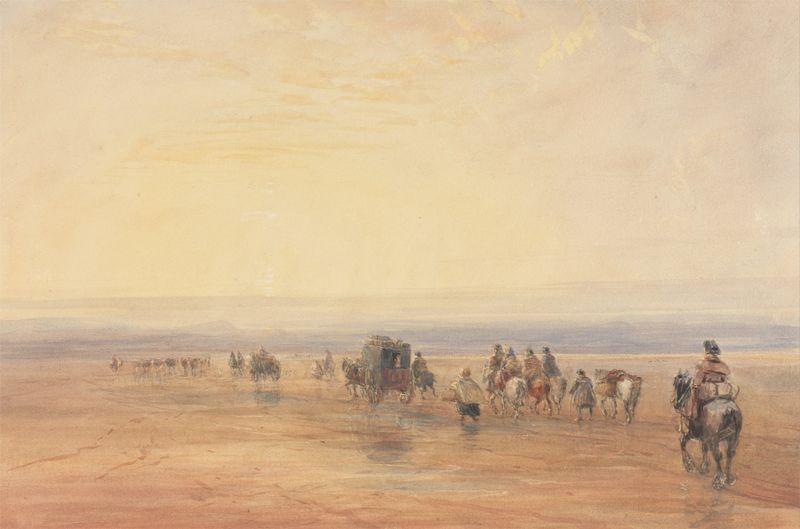
Crossing Lancaster Sands
David Cox
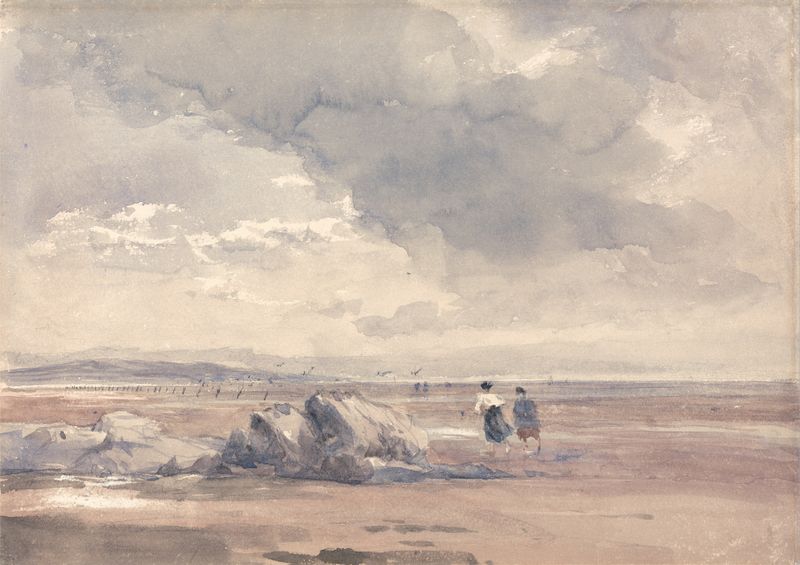
On Lancaster Sands, Low Tide
David Cox

Lincoln Cathedral from Brayford Pool
David Cox

View in Wales
David Cox
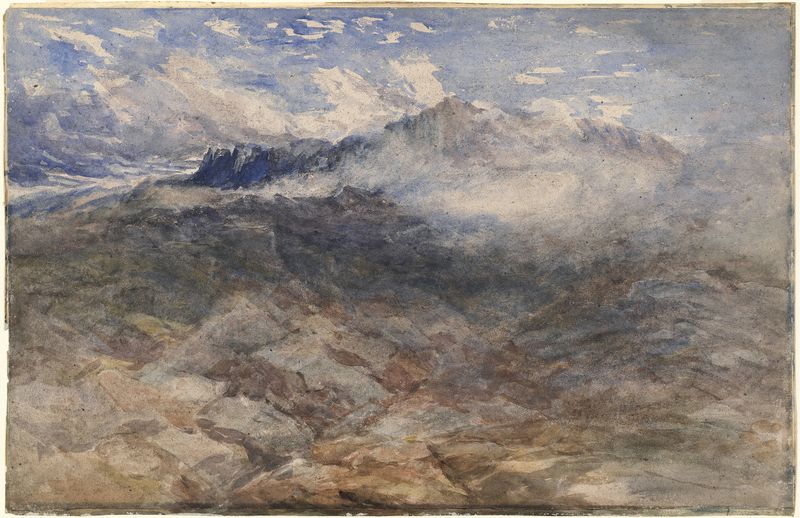
Mountain Heights, Cader Idris
David Cox

Bergen op Zoom
David Cox

Boating Before Lambeth Palace, London
David Cox
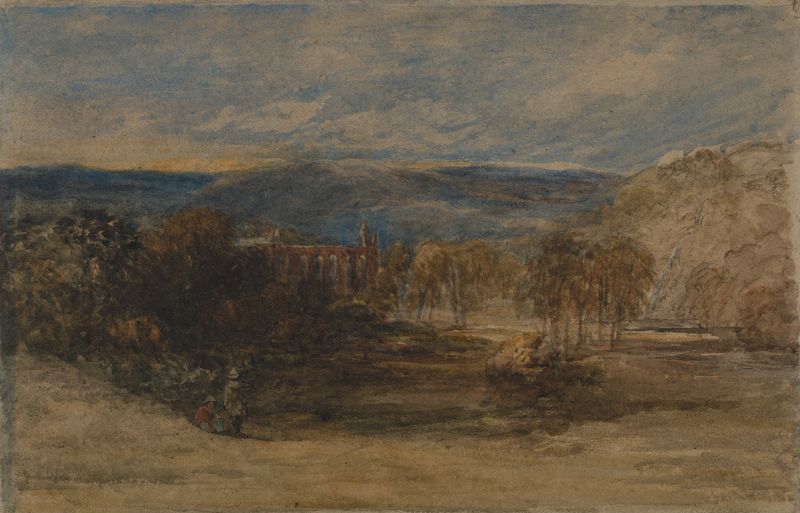
Bolton Abbey
David Cox

London Bridge
David Cox
Westminster from Lambeth
David Cox





