
Riviervisserij — History & Facts
Could beauty survive in a century of chaos? In the delicate strokes of Riviervisserij, we find a dreamlike portrayal of tranquility amidst a tumultuous era. The serene river scene invites contemplation, echoing a longing for peace that transcends the chaos surrounding it. Look to the center of the canvas, where the gentle curves of the river guide the eye through the tranquil landscape. The soft blues and greens harmonize with the warm earth tones of the fishermen's attire, creating a serene balance.
The meticulous detailing of the fishermen's actions—casting their nets, the ripple of water—invites you to pause, to breathe, and to savor the simplicity of their toil. Notice how the golden light bathes the scene, enhancing the dreamlike quality and emphasizing the delicate interplay between shadow and light. Yet, beneath this apparent calm, the work holds deeper tensions. The stark contrast between the laborers and the idyllic landscape serves as a reminder of the struggle between human endeavor and nature's quiet majesty.
The presence of the distant hills, looming yet serene, hints at challenges that lie ahead, perhaps suggesting the weight of history bearing down on these peaceful moments. Each brushstroke whispers of resilience, as the fishermen seem so small against the vastness of the world around them. Wenceslaus Hollar painted Riviervisserij in 1671, during a time marked by both personal and political upheaval. Living in exile in London, he was reflecting on the art and beauty lost in his native Bohemia due to the Thirty Years' War.
This piece embodies his yearning for stability and the solace of nature, capturing a fleeting moment of harmony in a life defined by chaos.
More Artworks by Wenceslaus Hollar
Browse all →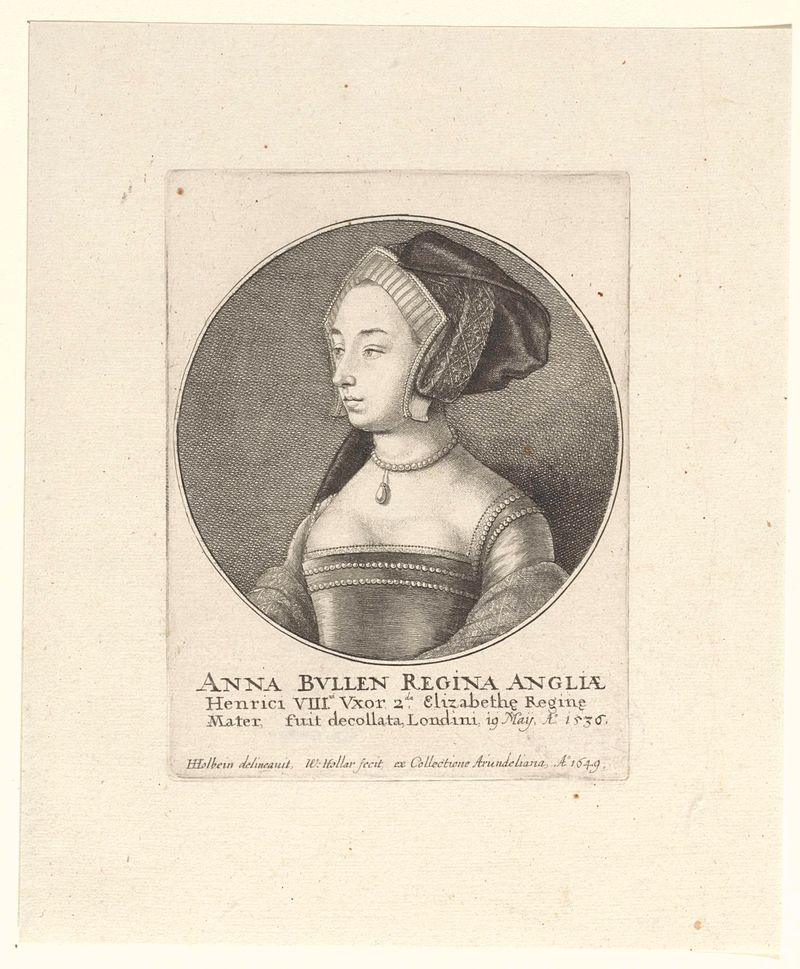
Portret van Anna Boleyn, koningin van Engeland
Wenceslaus Hollar
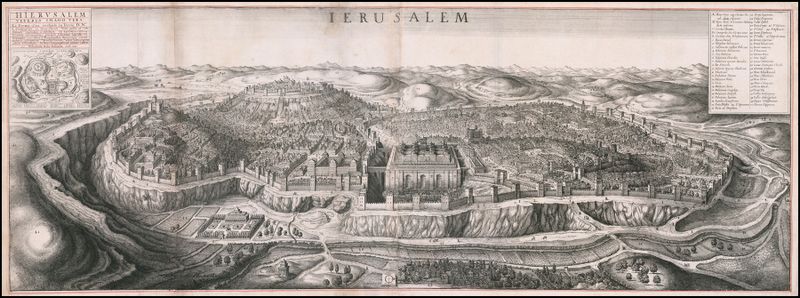
Bird’s eye view of Jerusalem
Wenceslaus Hollar
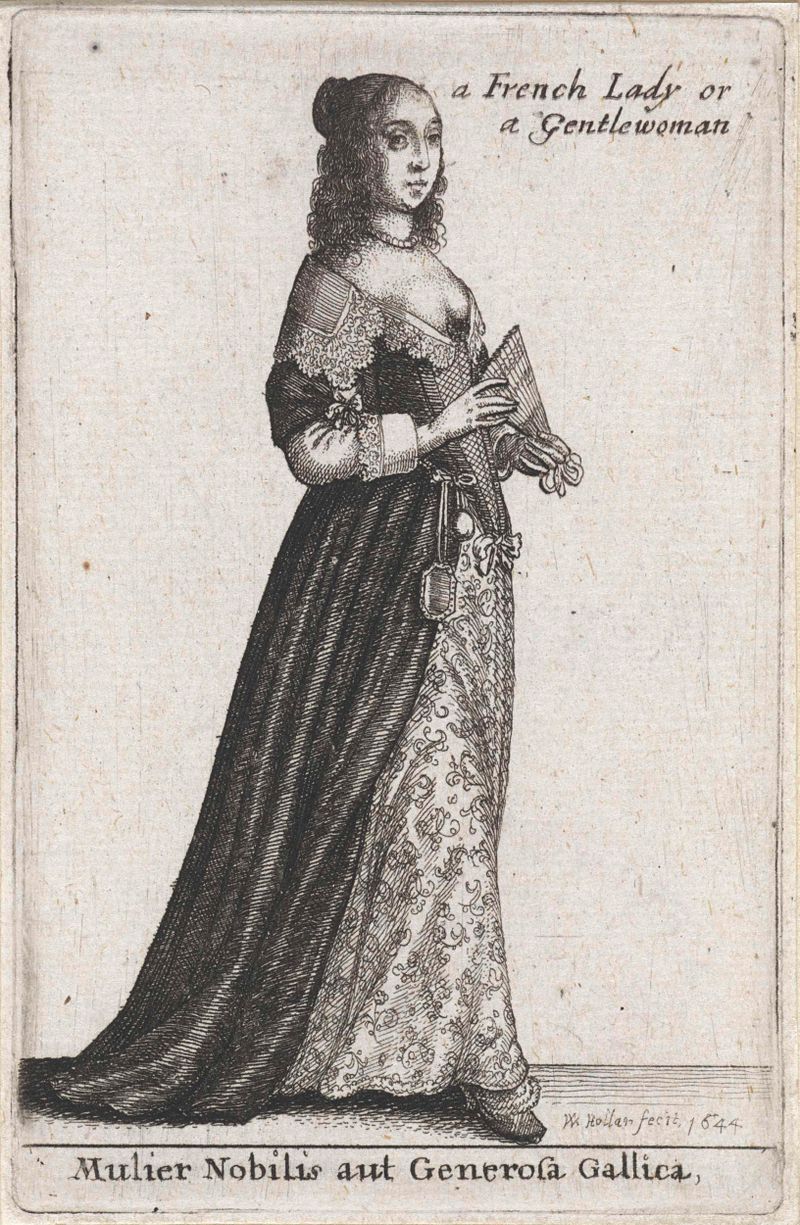
Mulier Nobilis aut Generosa Gallica / a French Lady or Gentlewoman
Wenceslaus Hollar
Titelprent voor: Ornatus Muliebris Anglicanus
Wenceslaus Hollar
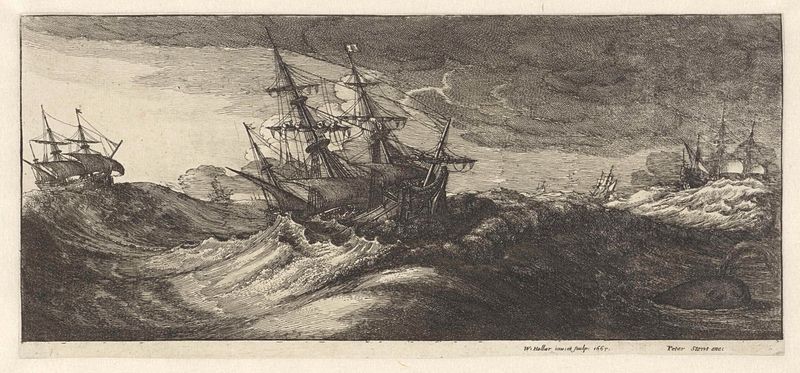
Oorlogsschepen en een walvis in een zeestorm
Wenceslaus Hollar
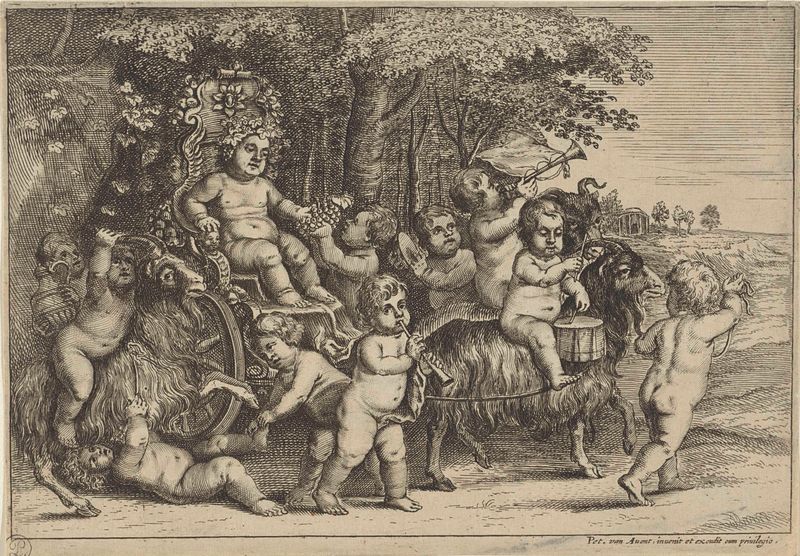
Optocht van bacchant en jongetjes op geiten
Wenceslaus Hollar
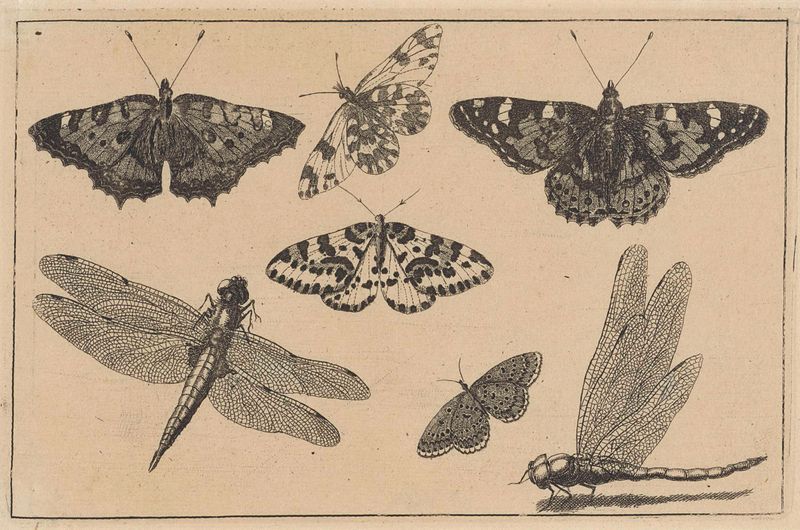
Twee libellen en vijf vlinders
Wenceslaus Hollar
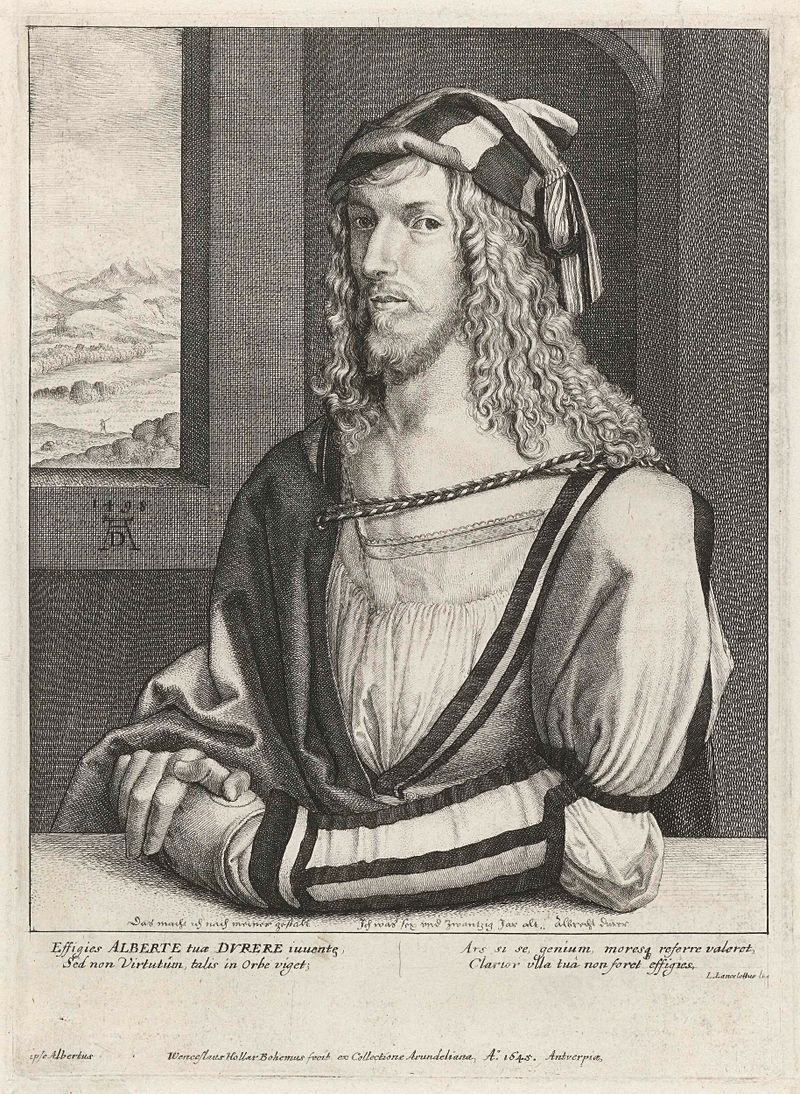
Portret van Albrecht Dürer
Wenceslaus Hollar
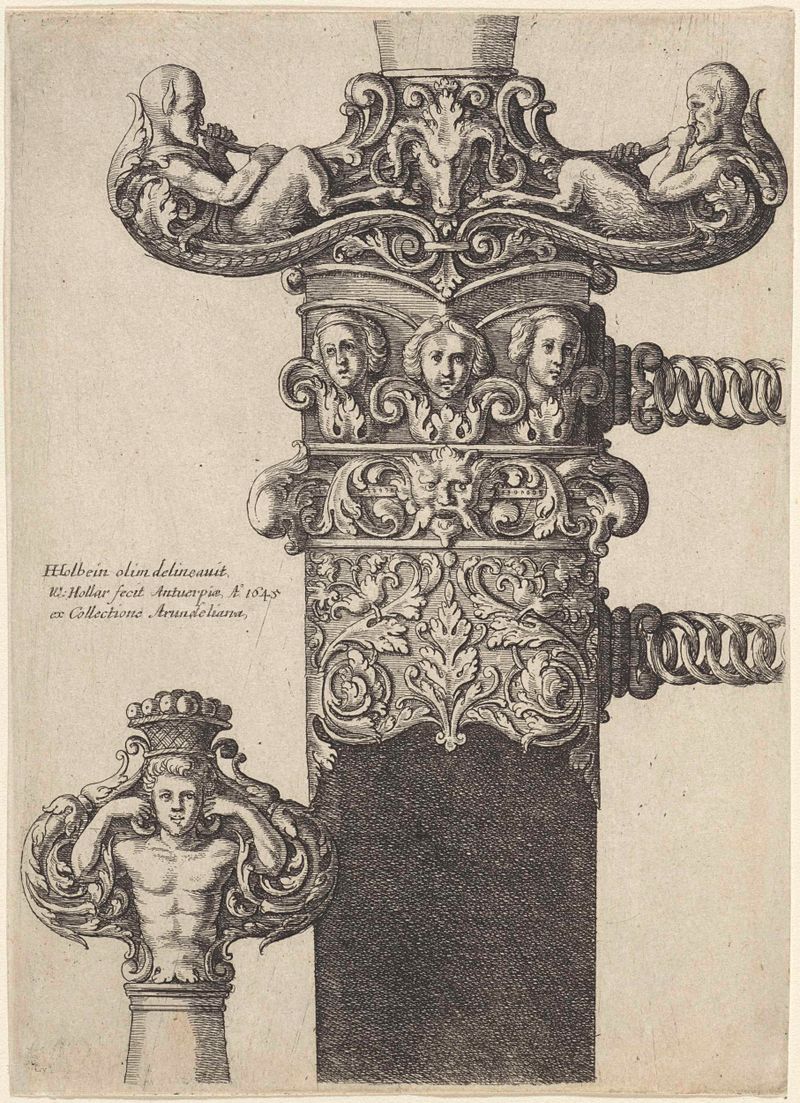
Ornamenteel ontwerp voor een dolk
Wenceslaus Hollar
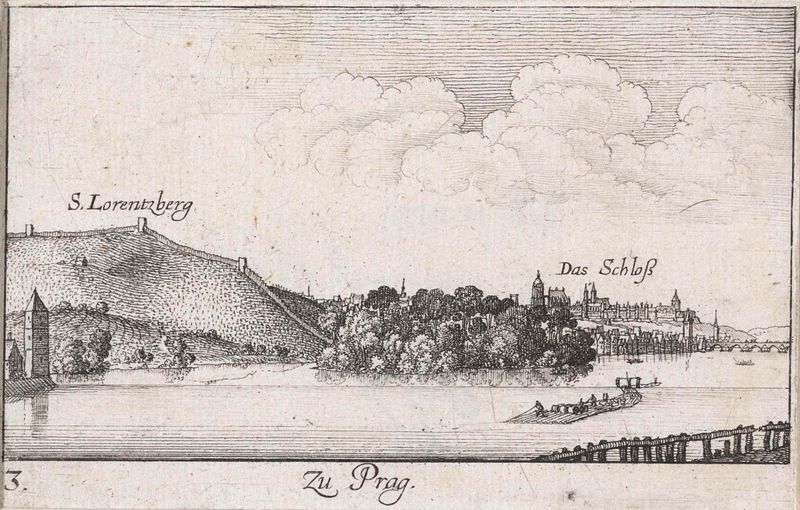
Gezicht op Praag vanaf de Moldau
Wenceslaus Hollar





