
Roadside house — History & Facts
What stories linger in the silence of decay, whispering tales of life once vibrant and now faded into memory? As you gaze upon the artwork, consider the layers of time that weigh heavy upon its surfaces. Look to the center where a modest house stands resolute against a muted backdrop. The earthy tones of ochre and brown suggest weathered wood, cracked by age yet sturdy in its solitude. Notice the slight tilt of the structure, as if bowing under the weight of its own history, while the shadows cast by an unseen light create a haunting contrast against the walls' peeling paint.
The foreground, strewn with blades of grass and scattered stones, draws you in, grounding the viewer in the quiet desolation. Delve deeper into the emotional undertow of this piece. The juxtaposition of the house's durability against its dilapidation evokes a sense of nostalgia and loss, where memory clings to the remnants of a life once lived. The muted color palette enhances the somber mood, suggesting not just decay, but the passage of time and the inevitability of change.
Each detail, from the crooked chimney to the barren trees, encapsulates a story left untold, inviting reflection on the fragility of existence. In 1931, Tadeusz Makowski created this work during a period of profound personal and societal transition. Living in Paris and influenced by both the Polish avant-garde and the broader European movements, he sought to capture the essence of his surroundings through a lens of melancholy. The world was grappling with the aftermath of the Great Depression, and the themes of decay in his art resonate with the uncertainties of his time, making Roadside House a poignant reflection on the remnants of the past.
More Artworks by Tadeusz Makowski
Browse all →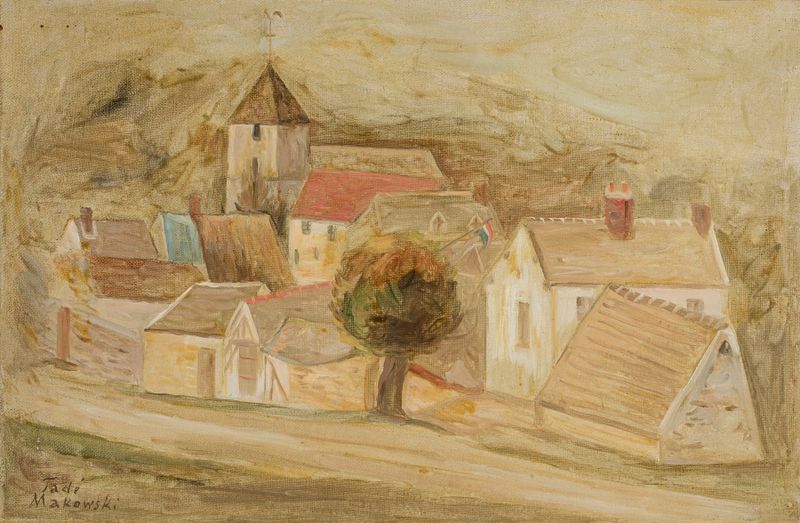
Miasteczko
Tadeusz Makowski

Pejzaż wiosenny
Tadeusz Makowski
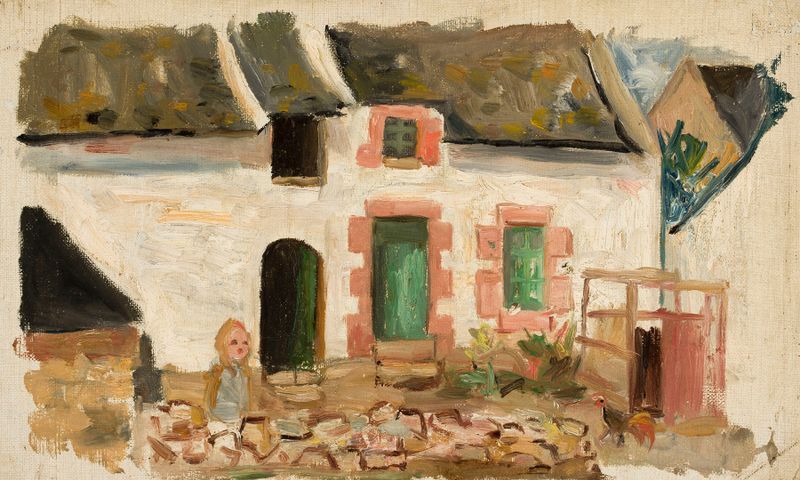
Dziecko przed domem
Tadeusz Makowski
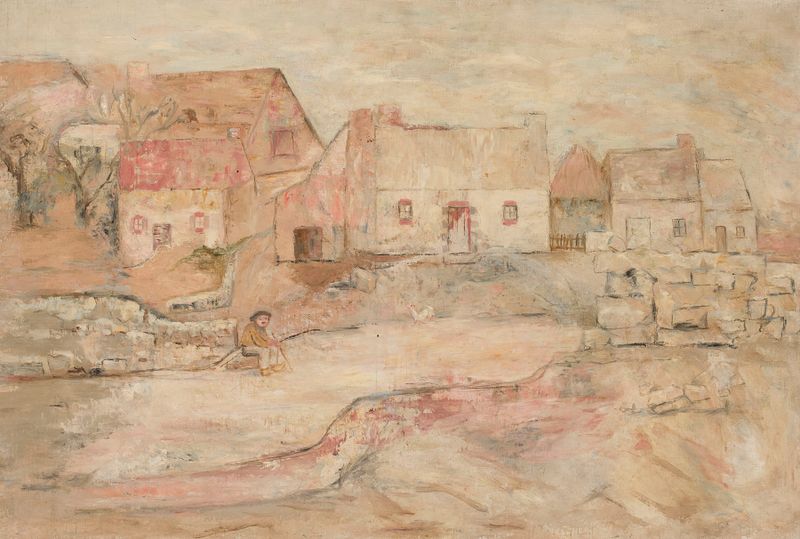
Pejzaż bretoński z siedzącym człowiekiem
Tadeusz Makowski
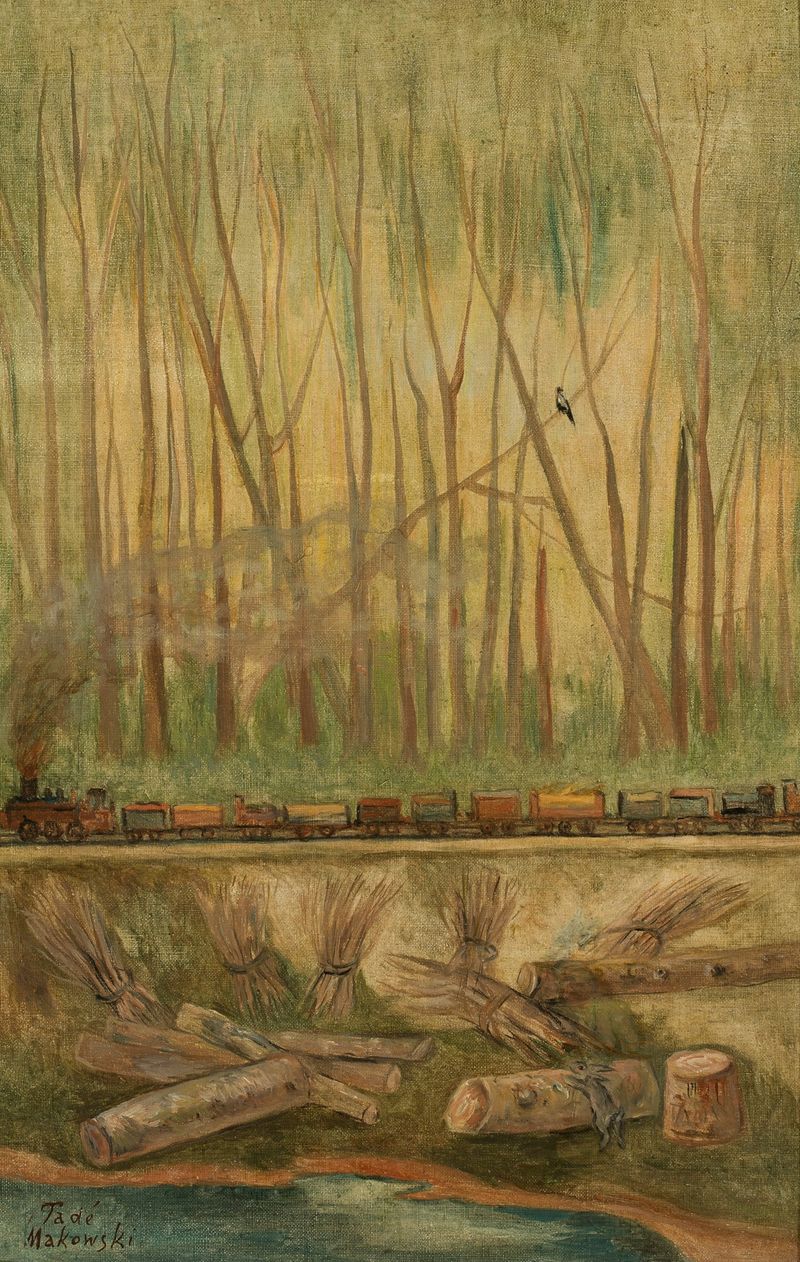
Pociąg
Tadeusz Makowski
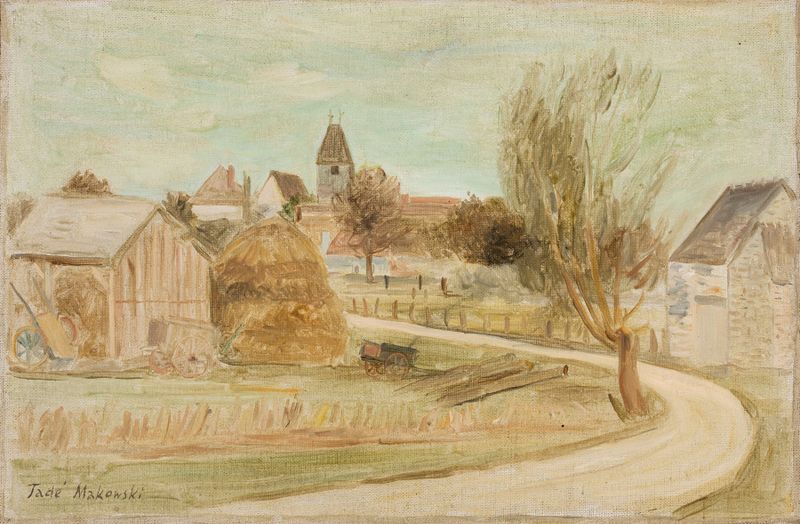
Na skraju wsi
Tadeusz Makowski

Pejzaż miejski (Esplanade des Invalides)
Tadeusz Makowski
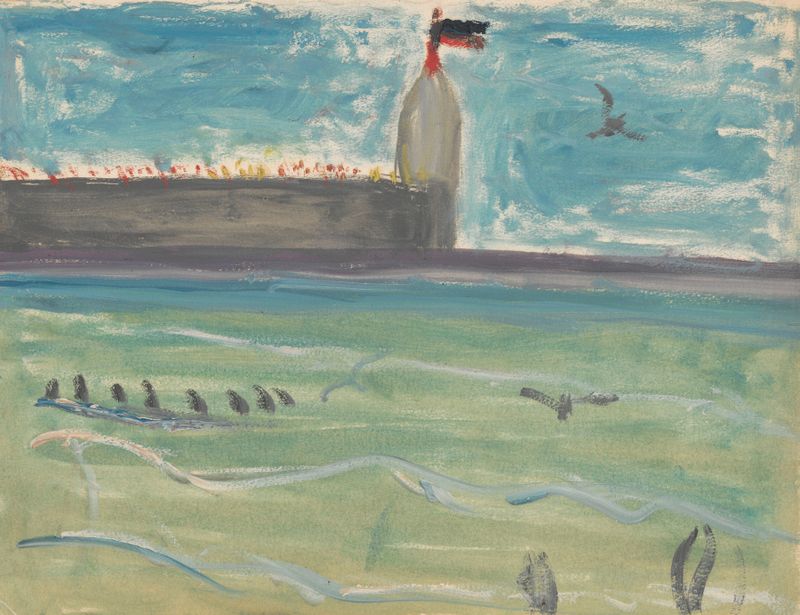
Latarnia morska w Tréport
Tadeusz Makowski
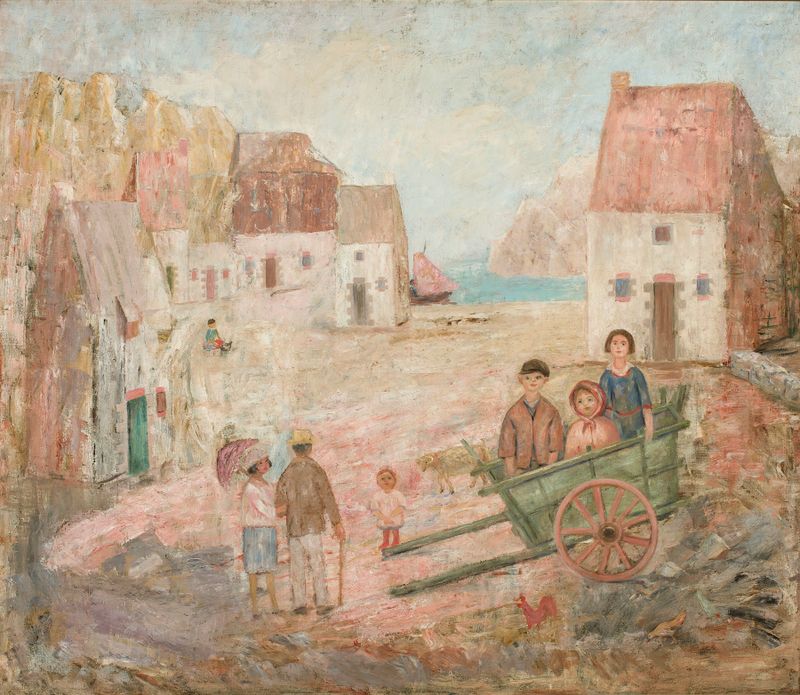
Landscape of a small town with children in a pram
Tadeusz Makowski
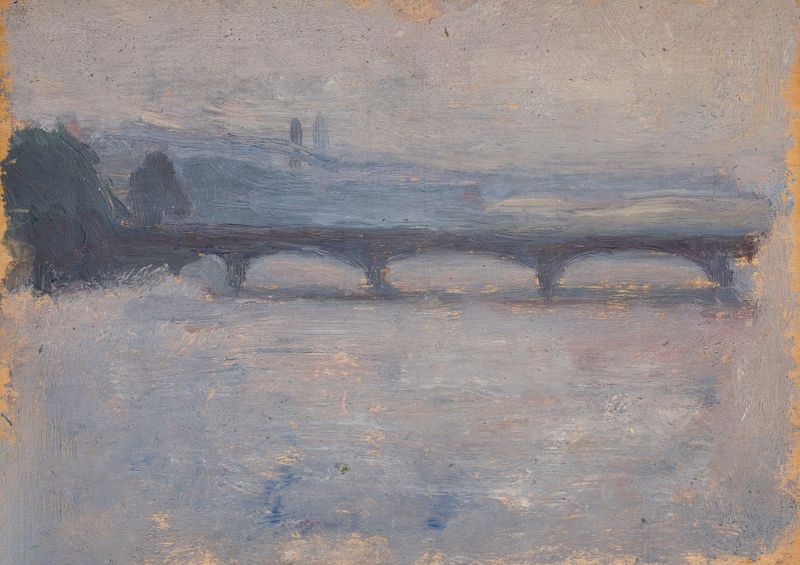
Bridge on the Seine
Tadeusz Makowski





