
Rochers Dans La Fôret, Fontainebleau — History & Facts
In Rochers Dans La Fôret, Fontainebleau, the forest stands as a vibrant testament to nature’s majesty while whispering the secrets of mortality beneath the surface. Look to the center, where the rugged rocks emerge from a lush thicket, their earthy tones contrasting sharply with the surrounding greenery. The brushstrokes pulse with energy, inviting the viewer to explore the interplay of light and shadow that dances across the textured surfaces. Notice the dappled sunlight filtering through the leaves, casting a golden hue that both illuminates and obscures, transforming the mundane into the sublime. Delve deeper, and you'll uncover a tension between strength and fragility.
The formidable rocks, seemingly eternal, juxtapose the delicate play of light, reminding us of the transience of life. The verdant foliage wraps around them, a vibrant reminder of nature’s relentless cycle of growth and decay, while the lack of human presence emphasizes solitude and contemplation—ephemeral moments captured in time. Cézanne painted this piece between 1865 and 1868 in the Forest of Fontainebleau, a place that deeply inspired his exploration of landscapes. During this period, he was grappling with both artistic identity and the weight of nature’s beauty, as the art world was shifting towards Impressionism.
This painting reflects not only his mastery of form and color but also his emerging understanding of how to convey deeper emotional truths through the natural world.
More Artworks by Paul Cezanne
Browse all →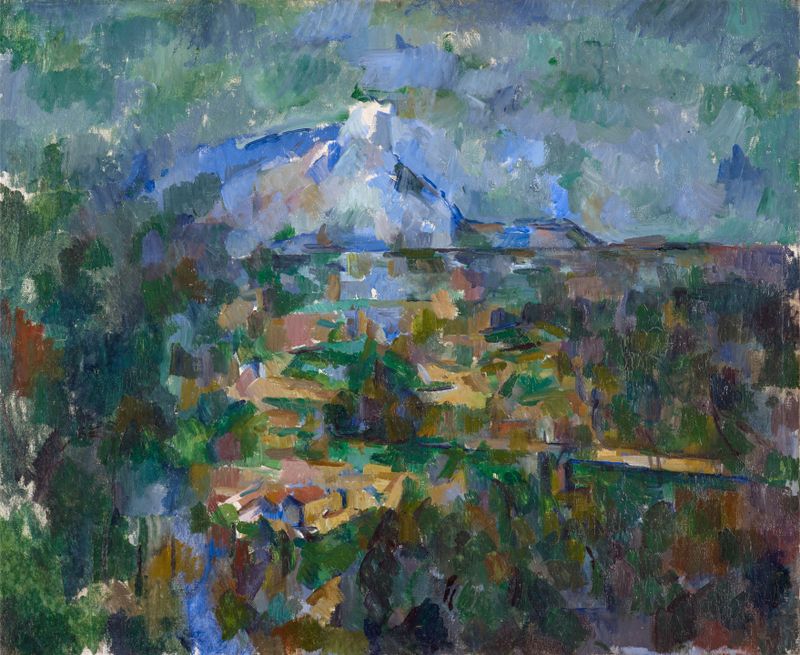
The Mont Sainte-Victoire Seen From Les Lauves
Paul Cezanne
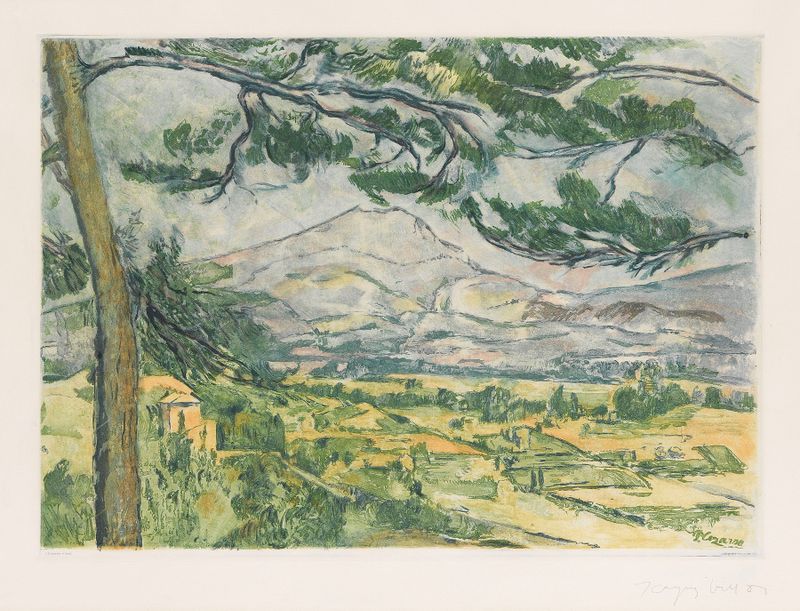
La Montagne Sainte-Victoire
Paul Cezanne
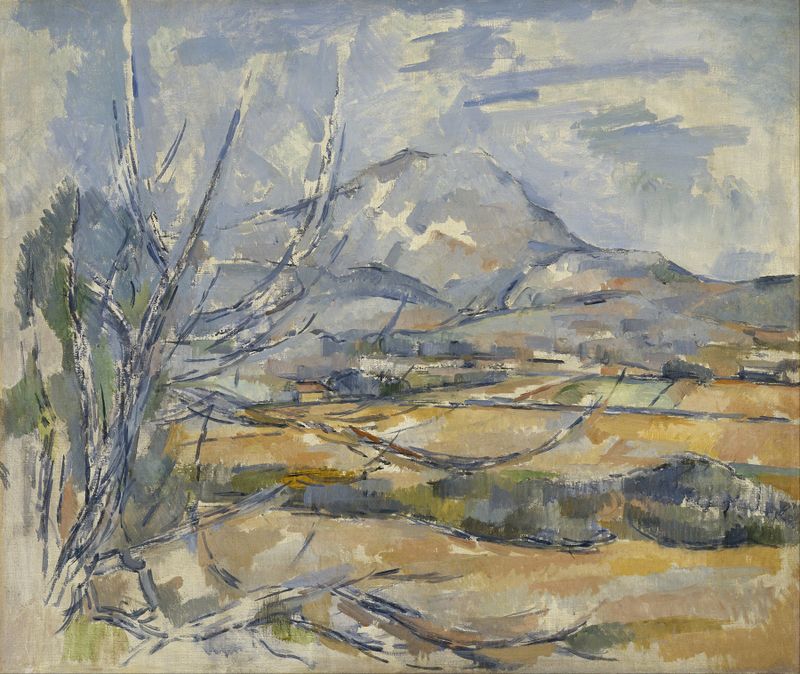
Montagne Sainte-Victoire
Paul Cezanne
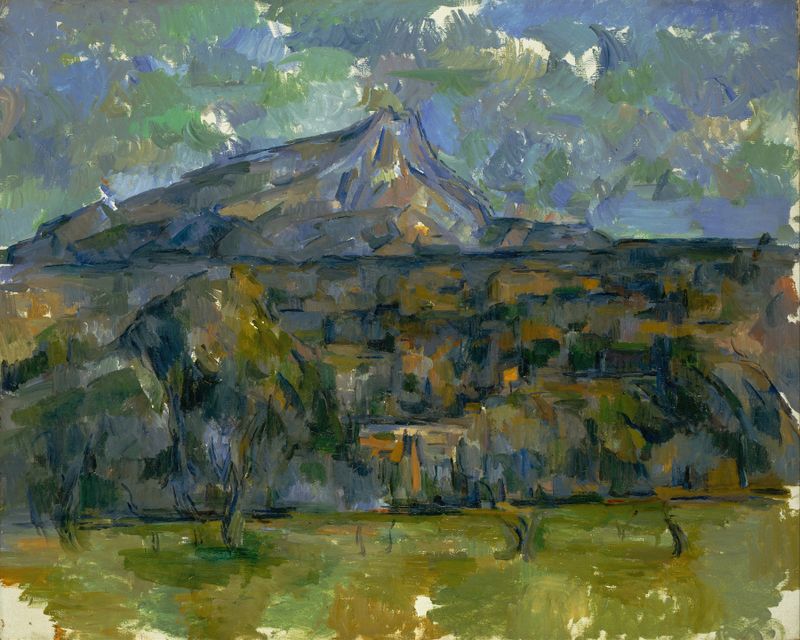
Mont Sainte-Victoire
Paul Cezanne
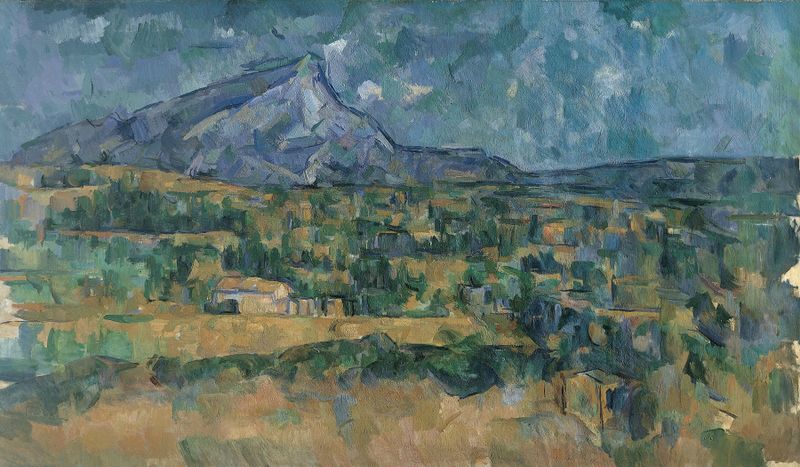
Mont Sainte-Victoire
Paul Cezanne
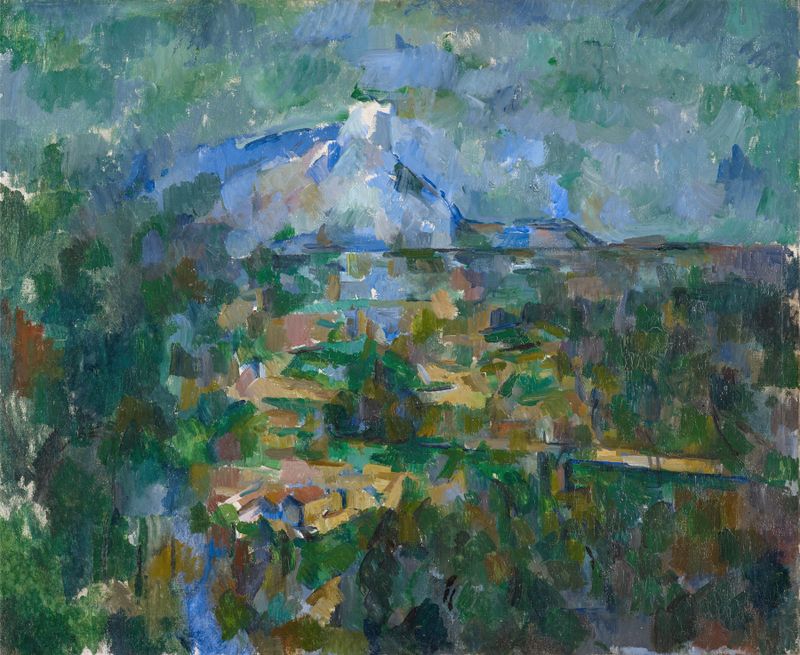
View of Mount Sainte-Victoire from Les Lauves
Paul Cezanne
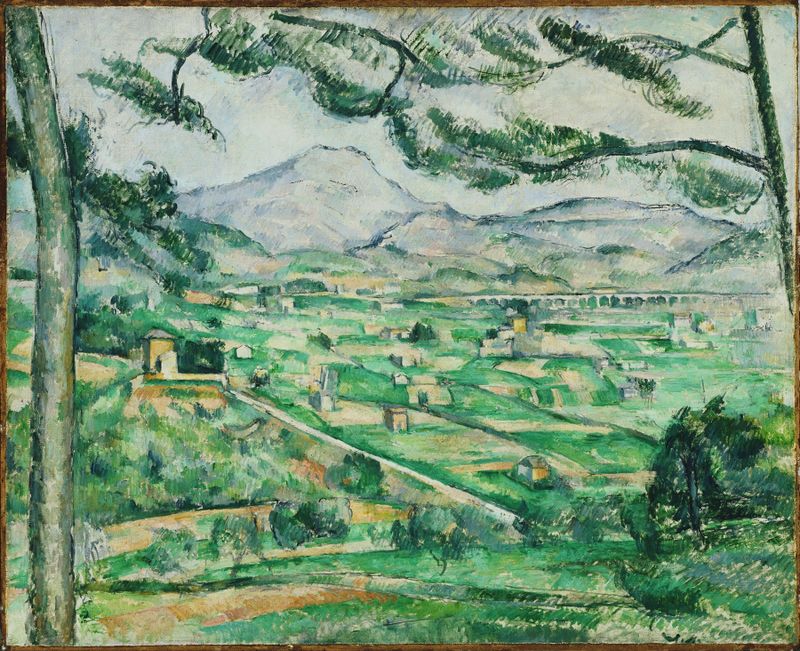
Mont Sainte-Victoire 2
Paul Cezanne

The Basket of Apples
Paul Cezanne

Mount Sainte-Victoire
Paul Cezanne
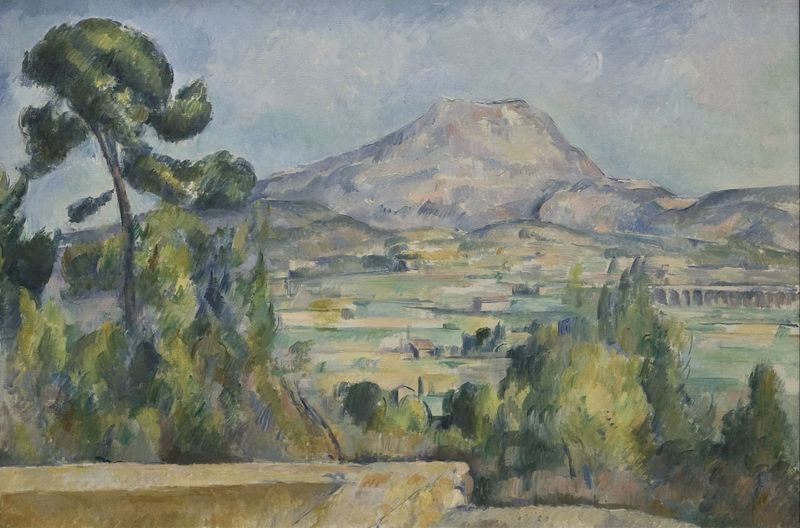
Montagne Saint-Victoire
Paul Cezanne





